
The global streetwear industry continues to expand in 2026, driven by oversized fashion trends, creator-led brands, private label collections, and growing demand for premium casual apparel. Despite rising competition from countries like Vietnam, Turkey, Portugal, and Los Angeles-based suppliers, China remains the dominant global hub for streetwear manufacturing.
China continues to lead because of its complete apparel supply chain, advanced fabric sourcing network, scalable production capabilities, experienced OEM/ODM factories, and strong customization expertise for modern streetwear brands.
For startup labels, established fashion brands, and private label streetwear companies, China still offers the best balance of:
- Manufacturing flexibility
- Product quality
- Production speed
- Fabric innovation
- Custom branding options
- Cost efficiency
- Supply chain stability
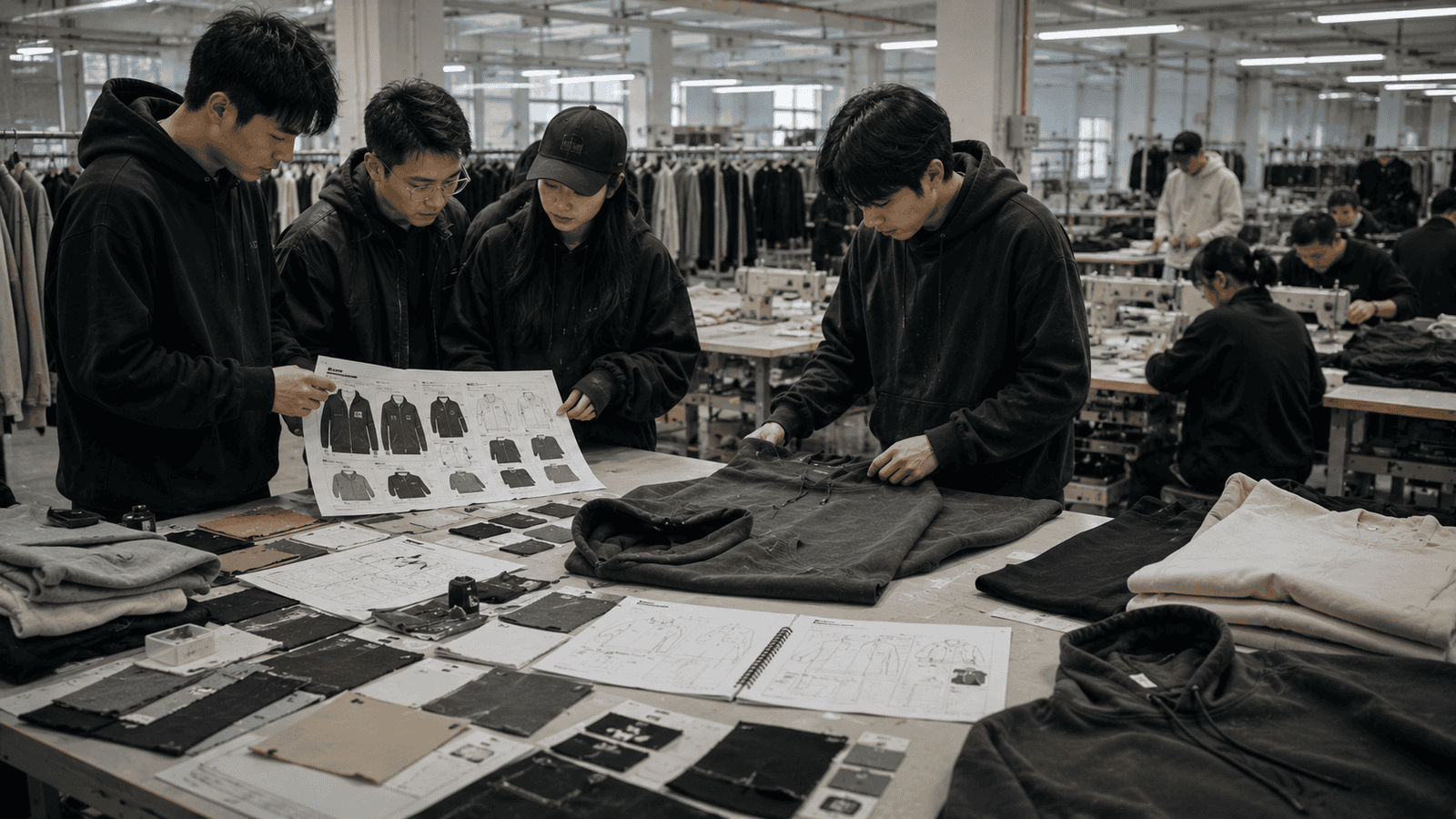
What Makes China the Global Leader in Streetwear Manufacturing?
China dominates streetwear manufacturing because China combines fabric sourcing, garment production, printing, trims, packaging, and logistics into one highly integrated ecosystem.
Unlike many countries that rely on outsourced processes, Chinese apparel factories often manage the entire workflow internally or through nearby specialized suppliers.
China’s Main Streetwear Manufacturing Advantages
| Manufacturing Factor | China | Vietnam | Portugal | USA |
|---|---|---|---|---|
| Fabric Availability | Excellent | Moderate | Good | Limited |
| MOQ Flexibility | High | Moderate | Low Flexibility | Low Flexibility |
| Customization Capability | Excellent | Moderate | Good | Moderate |
| Printing Techniques | Advanced | Basic-Moderate | Moderate | Advanced |
| Supply Chain Speed | Very Fast | Moderate | Moderate | Fast |
| Cost Efficiency | Excellent | Good | Expensive | Very Expensive |
| OEM Experience | Extensive | Growing | Moderate | Limited |
| Streetwear Expertise | Very Strong | Moderate | Moderate | Strong |
Why This Matters for Streetwear Brands
Streetwear products require more than simple garment production. Streetwear brands often need:
- Heavyweight cotton fabrics
- Puff print graphics
- Silicone logos
- Garment washing
- Oversized fit development
- Embroidery
- Custom trims
- Vintage dye effects
- Private label packaging
China has specialized suppliers for each of these categories within close manufacturing clusters.
For example:
- Guangzhou → fashion manufacturing
- Dongguan → printing and trims
- Foshan → knitting and fabrics
- Zhejiang → accessories and packaging
This ecosystem dramatically reduces production delays.
Why Do Streetwear Brands Prefer China Over Other Countries in 2026?
Most streetwear brands choose China because China provides the best combination of quality, speed, customization, and pricing.
In 2026, fashion brands are under pressure to launch faster collections with lower inventory risk. Chinese manufacturers are more capable of supporting rapid product development cycles.
Key Reasons Brands Still Choose China
1. Faster Sample Development
Most experienced Chinese streetwear manufacturers can complete:
- Sample development in 7–10 days
- Fabric sourcing in 3–5 days
- Bulk production in 25–35 days
This speed helps brands react quickly to fashion trends.
2. Lower MOQ Flexibility
Many China-based OEM streetwear factories support:
| Product Type | Typical MOQ |
|---|---|
| Oversized T-Shirts | 100 pcs |
| Hoodies | 100–150 pcs |
| Washed Sweatshirts | 100 pcs |
| Cargo Pants | 150 pcs |
| Full Sets | 100 sets |
This flexibility benefits startup fashion brands.
3. Better Customization Capability
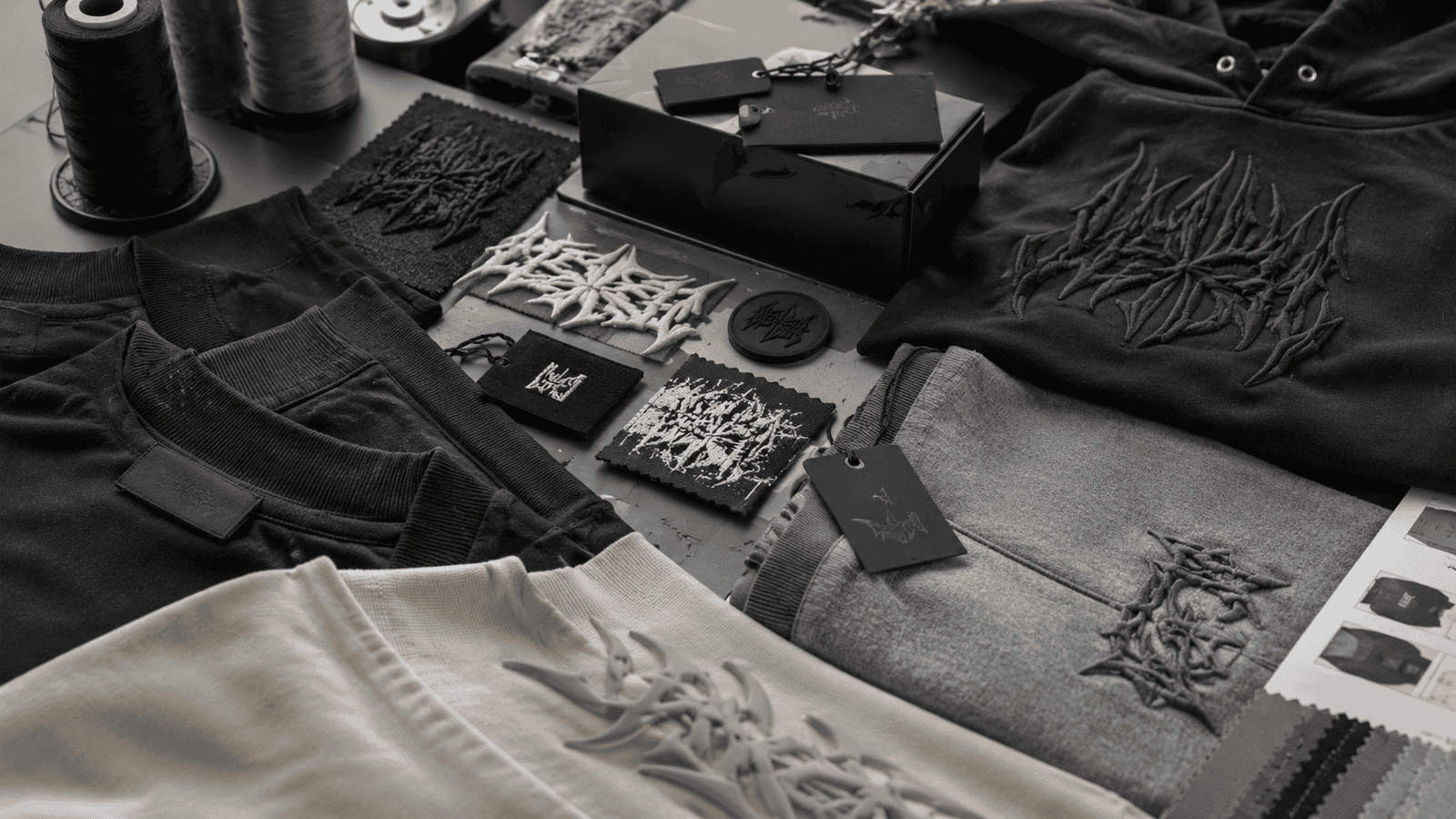
Chinese factories offer advanced customization including:
- Acid wash
- Vintage wash
- Enzyme wash
- Puff print
- Reflective print
- Silicone transfer
- DTG printing
- Embroidery
- Woven labels
- Custom hang tags
- Custom packaging
Many overseas factories cannot provide all processes under one roof.
How Does China Maintain Competitive Pricing in Streetwear Manufacturing?
China maintains competitive pricing because China has mature manufacturing infrastructure, efficient labor systems, large-scale material purchasing power, and highly specialized production clusters.
China is no longer the “cheapest” manufacturing country. However, China often provides the best total value.
Cost Comparison Example
| Manufacturing Location | Average Hoodie Cost (OEM) | Quality Level | Lead Time |
|---|---|---|---|
| China | $12–22 | High | 25–35 Days |
| Vietnam | $14–24 | Medium-High | 35–50 Days |
| Portugal | $28–45 | Premium | 30–45 Days |
| USA | $35–60 | Premium | 20–40 Days |
Why Lower Total Costs Matter
Cheap unit pricing alone does not guarantee profitability.
Brands also lose money from:
- Delayed production
- Poor quality control
- Repeated sampling
- Fabric inconsistency
- Miscommunication
- Incorrect sizing
Experienced Chinese factories reduce these risks through structured workflows.
Typical OEM Streetwear Workflow in China
- Tech pack review
- Fabric confirmation
- Trim sourcing
- Pattern making
- Sample development
- Sample revision
- Bulk production
- Quality inspection
- Packing
- International shipping
This process improves consistency between sample and bulk production.
Why Is China Strong in Streetwear Fabric Development?
China leads fabric development because China has one of the world’s largest textile manufacturing ecosystems.
Streetwear brands increasingly demand unique fabric textures and finishes in 2026.
Popular Streetwear Fabrics in 2026
| Fabric Type | Common Use |
|---|---|
| 100% Heavyweight Cotton | Oversized T-Shirts |
| French Terry | Hoodies & Sweatshirts |
| Cotton Polyester Blend | Budget Streetwear |
| Washed Cotton | Vintage Collections |
| Fleece Fabric | Winter Hoodies |
| Denim | Streetwear Jackets & Pants |
| Nylon Blend | Utility & Technical Streetwear |
Advanced Fabric Capabilities
Chinese textile suppliers can provide:
- 280 GSM to 500 GSM heavyweight fabrics
- Garment-dyed cotton
- Snow wash effects
- Reactive dyeing
- Shrinkage control
- Anti-pilling treatment
- Soft-touch finishing
- Vintage fading effects
Many factories also support Pantone color matching.
This capability is important for private label consistency.
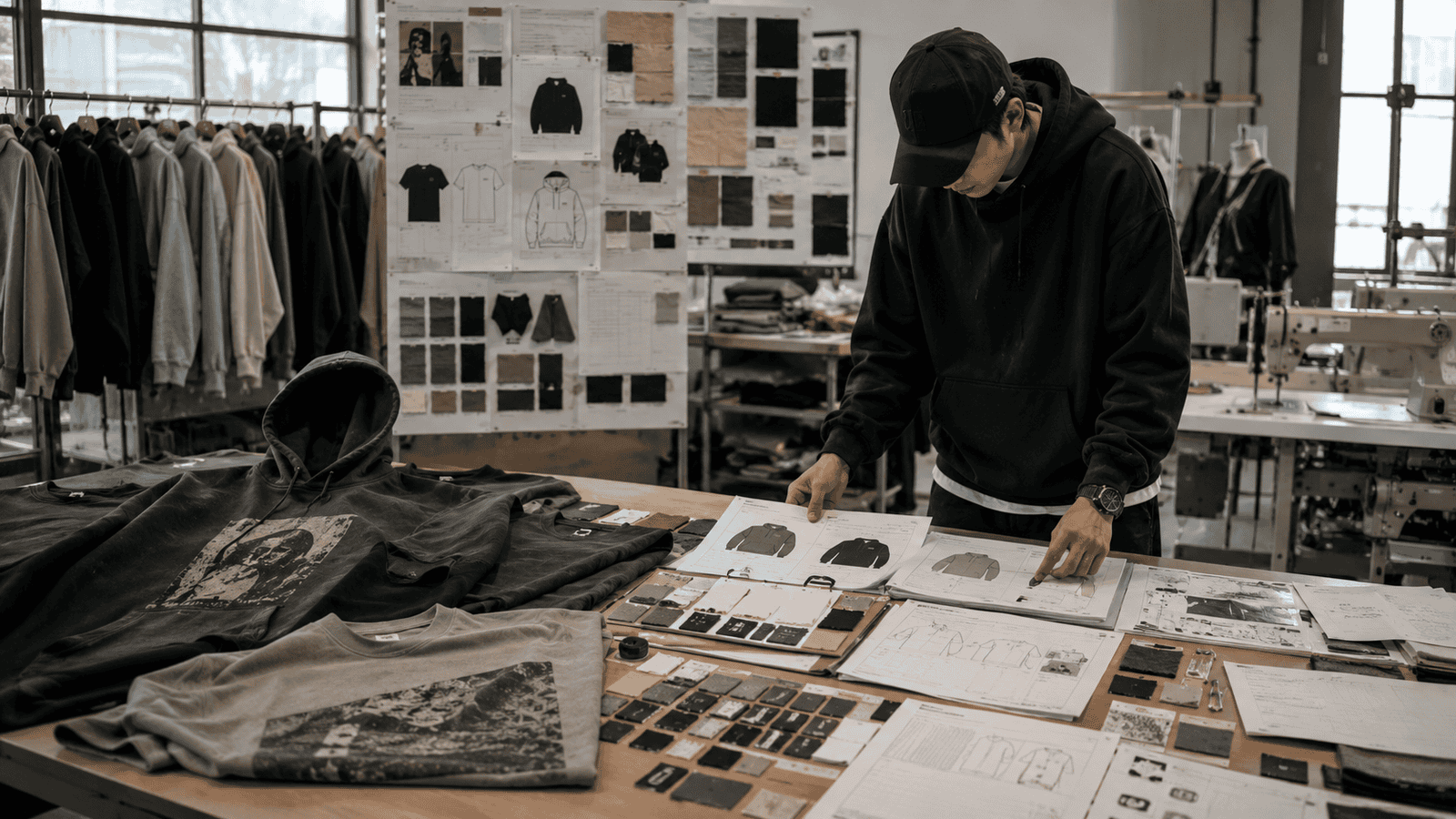
How Do Chinese Factories Support Streetwear Customization?
Chinese streetwear manufacturers specialize in customization because modern streetwear depends heavily on branding, graphics, fit, and visual identity.
Streetwear manufacturing requires more technical customization than basic fashion production.
Common Streetwear Customization Services
Printing Techniques
| Technique | Best For |
|---|---|
| Puff Print | Raised graphics |
| Screen Printing | Large graphic designs |
| Silicone Transfer | Premium logo finish |
| Reflective Print | Technical streetwear |
| DTG Printing | Complex artwork |
| Heat Transfer | Small logos |
Branding Elements
- Woven neck labels
- Satin labels
- Rubber patches
- Embroidery logos
- Hang tags
- Custom zip pullers
- Poly bags
- Packaging boxes
Fit Development
Streetwear factories in China often support:
- Boxy fit
- Cropped fit
- Oversized fit
- Drop shoulder construction
- Wide-leg pants
- Relaxed silhouettes
Fit development is critical for fashion brands targeting Gen Z consumers.
Why Is Supply Chain Integration Important for Streetwear Brands?
Supply chain integration improves production speed, consistency, and communication.
China’s apparel manufacturing ecosystem is highly centralized compared with fragmented supply chains in many other countries.
Example of Integrated Production
A China-based streetwear factory may source within the same region:
- Fabric mills
- Washing factories
- Printing suppliers
- Embroidery suppliers
- Label suppliers
- Packaging vendors
This proximity reduces:
- Shipping delays
- Communication problems
- Sampling revisions
- Color inconsistencies
Real Manufacturing Example
| Production Stage | Estimated Time |
|---|---|
| Fabric Knitting | 3–5 Days |
| Dyeing & Washing | 4–7 Days |
| Pattern Development | 1–2 Days |
| Sample Sewing | 3–5 Days |
| Printing & Embroidery | 2–4 Days |
| QC Inspection | 1–2 Days |
China’s localized supplier network accelerates this process.
How Do Chinese Streetwear Factories Handle Quality Control?
Professional Chinese manufacturers use structured quality control systems to maintain consistency.
Experienced OEM factories understand that streetwear buyers expect premium construction quality.
Common Streetwear QC Standards
Fabric Inspection
Factories check:
- GSM consistency
- Color accuracy
- Shrinkage rate
- Fabric defects
- Stretch recovery
Production Inspection
Factories monitor:
- Stitch density
- Seam alignment
- Printing placement
- Measurement tolerances
- Embroidery quality
Final Inspection
Final QC often includes:
- Size measurement
- Logo positioning
- Packaging verification
- Thread cleaning
- Carton inspection
Typical Measurement Tolerance
| Garment Type | Tolerance |
|---|---|
| T-Shirts | ±1 cm |
| Hoodies | ±1.5 cm |
| Pants | ±1.5 cm |
Reliable QC systems reduce costly returns and brand reputation damage.
Why Are More Startup Streetwear Brands Manufacturing in China?
Startup brands prefer China because China offers lower MOQs, better customization access, and scalable growth potential.
Many new brands cannot afford large inventory risks.
Chinese factories allow startups to:
- Test products faster
- Launch capsule collections
- Develop samples affordably
- Build private label branding
- Scale gradually
Startup-Friendly Manufacturing Benefits
| Benefit | Why It Matters |
|---|---|
| Low MOQ | Lower inventory risk |
| Fast Sampling | Faster launch |
| OEM Support | Easier development |
| Fabric Sourcing | More design flexibility |
| Packaging Customization | Stronger branding |
This flexibility is especially valuable for:
- TikTok brands
- Instagram clothing brands
- Shopify streetwear stores
- Creator-led fashion labels
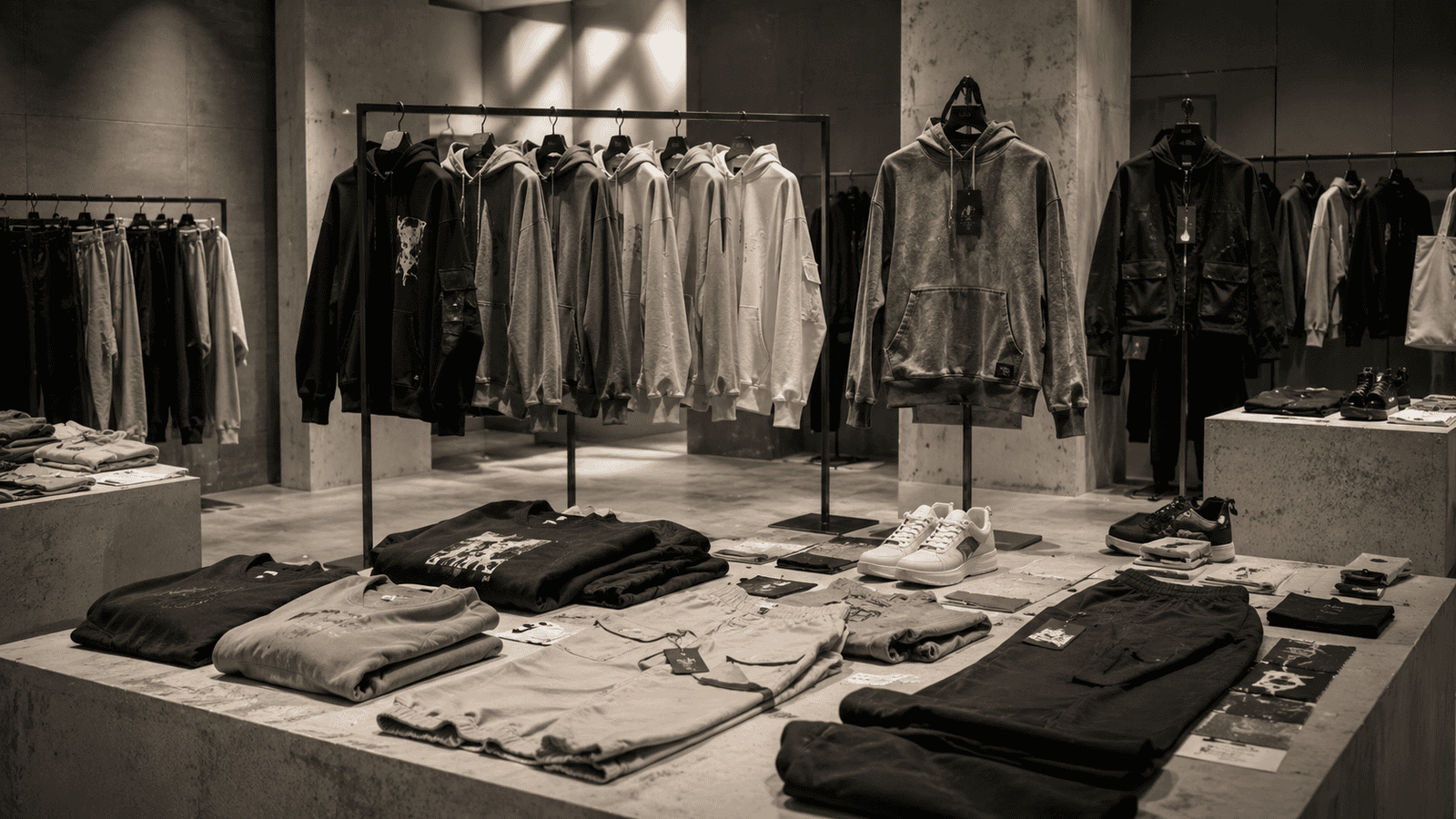
How Is China Adapting to New Streetwear Trends in 2026?
China’s manufacturing industry adapts quickly because Chinese factories closely follow global fashion demand.
In 2026, major streetwear trends include:
- Oversized silhouettes
- Washed vintage aesthetics
- Technical utility wear
- Gender-neutral fashion
- Luxury streetwear
- Sustainable materials
- Minimal branding
Chinese suppliers rapidly develop fabrics and washes aligned with these trends.
Fast Trend Adaptation Example
A popular garment wash trend can spread globally within months.
Chinese washing factories often develop:
- Acid wash samples
- Snow wash effects
- Pigment dye finishes
- Vintage fading
- Distressed textures
before many overseas competitors react.
This responsiveness helps fashion brands stay trend-relevant.
What Challenges Should Brands Consider When Manufacturing in China?
Manufacturing in China offers major advantages, but brands still need proper supplier evaluation.
Not all factories provide the same quality level.
Common Risks
- Poor communication
- Trading companies posing as factories
- Inconsistent sizing
- Low-grade fabric substitution
- Delayed production
- Weak QC systems
How to Reduce Manufacturing Risk
Step-by-Step Factory Evaluation
- Request factory photos and videos
- Verify product specialization
- Ask for sample development
- Check printing quality
- Review stitching details
- Confirm production timelines
- Review MOQ policies
- Inspect communication speed
- Ask about QC systems
- Start with small production orders
Important Supplier Questions
- Does the factory specialize in streetwear?
- Does the factory support oversized fit development?
- Can the factory source heavyweight fabrics?
- Does the factory handle garment washing?
- Does the factory provide private label packaging?
- What is the real MOQ?
Choosing the right manufacturing partner matters more than choosing the cheapest supplier.
Which Streetwear Products Are Commonly Manufactured in China?
China manufactures nearly every major streetwear category.
Popular OEM streetwear products include:
- Oversized T-Shirts
- Hoodies
- Sweatshirts
- Tank Tops
- Cargo Pants
- Shorts
- Denim Jackets
- Streetwear Sets
- Utility Jackets
Related Product Pages
- Custom T-Shirts Manufacturer
- Streetwear Hoodie Manufacturer
- Streetwear Sweatshirt Manufacturer
- Streetwear Jacket Manufacturer
- Streetwear Pants Manufacturer
- Streetwear Shorts Manufacturer
- Streetwear Sets Manufacturer
- Streetwear Denim Apparel Manufacturer
What Should Brands Look for in a Streetwear Manufacturer in China?
Brands should prioritize specialization, communication, QC systems, and product development capability.
The best streetwear manufacturers usually provide:
- OEM & ODM services
- Sample development
- Fabric sourcing
- Fit development
- Printing expertise
- Quality control systems
- Private label support
Key Evaluation Checklist
| Evaluation Factor | Importance |
|---|---|
| Streetwear Experience | Very High |
| Fabric Knowledge | Very High |
| Printing Capability | High |
| Communication | Very High |
| QC Process | Very High |
| MOQ Flexibility | High |
| Sampling Speed | High |
Manufacturing success depends heavily on communication and process management.
Key Takeaways
Why China Still Leads Streetwear Manufacturing in 2026
- China has the world’s most complete apparel supply chain
- China supports advanced streetwear customization
- China offers lower MOQ flexibility
- China provides faster sampling and production
- China has strong textile sourcing infrastructure
- China supports scalable OEM/ODM manufacturing
- China remains cost-efficient for quality-focused brands
- China adapts quickly to global fashion trends
For most streetwear brands, China still provides the best overall balance between quality, speed, customization, and manufacturing scalability.
FAQ
Why is China still dominant in streetwear manufacturing?
China remains dominant because China combines fabric sourcing, garment production, customization, packaging, and logistics into one integrated ecosystem.
Is China good for startup streetwear brands?
Yes. Many Chinese factories support low MOQs, fast sampling, and private label customization suitable for startups.
What is the average MOQ for streetwear manufacturing in China?
Typical MOQs range from 100–150 pcs per color and style depending on the product category.
How long does streetwear production take in China?
Sample development usually takes 7–10 days, while bulk production commonly takes 25–35 days.
Can Chinese factories produce premium streetwear quality?
Yes. Many experienced OEM factories specialize in heavyweight fabrics, garment washing, embroidery, puff print, and luxury streetwear finishes.
What products are commonly manufactured in China?
China manufactures hoodies, oversized T-shirts, sweatshirts, jackets, cargo pants, denim apparel, shorts, and complete streetwear collections.