
Vintage streetwear t-shirts have become a staple product for modern fashion brands. From oversized silhouettes and heavyweight cotton fabrics to garment-dyed finishes and faded vintage effects, these garments combine timeless aesthetics with contemporary streetwear culture.
However, creating high-quality vintage t-shirts requires more than simply applying a wash treatment. Fabric selection, washing development, printing compatibility, and production management all play critical roles in the final product.
This guide explains everything brands need to know about working with a Vintage Streetwear T Shirts Manufacturer, including fabrics, washing techniques, production processes, quality control, and private label development.
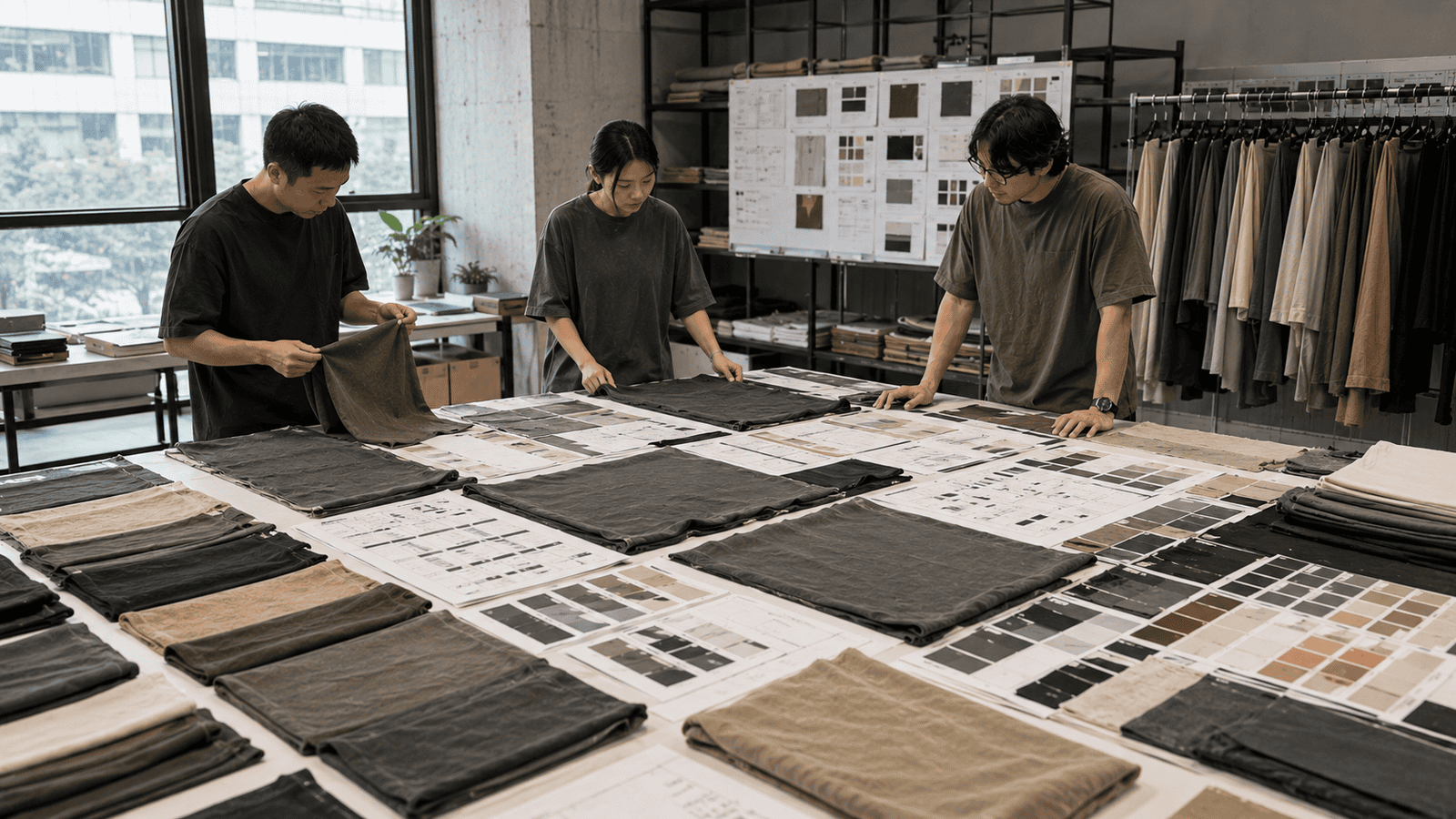
What Is a Vintage Streetwear T Shirts Manufacturer?
A vintage streetwear t-shirt manufacturer specializes in producing garments with retro-inspired aesthetics, washed finishes, oversized fits, and premium construction standards.
What Products Do These Manufacturers Produce?
Common products include:
- Vintage wash t-shirts
- Garment dyed t-shirts
- Acid wash t-shirts
- Oversized graphic tees
- Heavyweight cotton t-shirts
- Distressed vintage apparel
Why Is Specialization Important?
Vintage production requires expertise in:
- Fabric behavior
- Wash development
- Graphic compatibility
- Fit engineering
Many brands work with experienced partners through OEM Services.
Which Fabrics Work Best for Vintage Streetwear T-Shirts?
Fabric is the foundation of every successful vintage garment.
What Fabric Options Are Most Popular?
| Fabric Type | Vintage Appearance | Market Position |
|---|---|---|
| Combed Cotton | Excellent | Premium |
| Heavyweight Cotton | Excellent | High-End |
| Organic Cotton | Very Good | Sustainable |
| Garment Dyed Cotton | Excellent | Vintage Premium |
Why Is Heavyweight Cotton So Popular?
Heavyweight cotton provides:
- Better structure
- Premium hand feel
- Improved durability
- Authentic vintage drape
Many brands source premium materials through professional Custom T-Shirts Manufacturers.
How Does Fabric Weight Affect Vintage Streetwear Quality?
GSM directly influences garment appearance and durability.
Recommended GSM Ranges
| Product Positioning | GSM Range |
|---|---|
| Standard Vintage Tee | 180–220 GSM |
| Premium Vintage Tee | 220–260 GSM |
| Heavyweight Vintage Tee | 260–320 GSM |
| Luxury Vintage Tee | 320–350 GSM |
Why Do Luxury Brands Prefer Higher GSM?
Benefits include:
- Better shape retention
- Premium customer perception
- Stronger streetwear identity
Fabric weight should align with your target market.
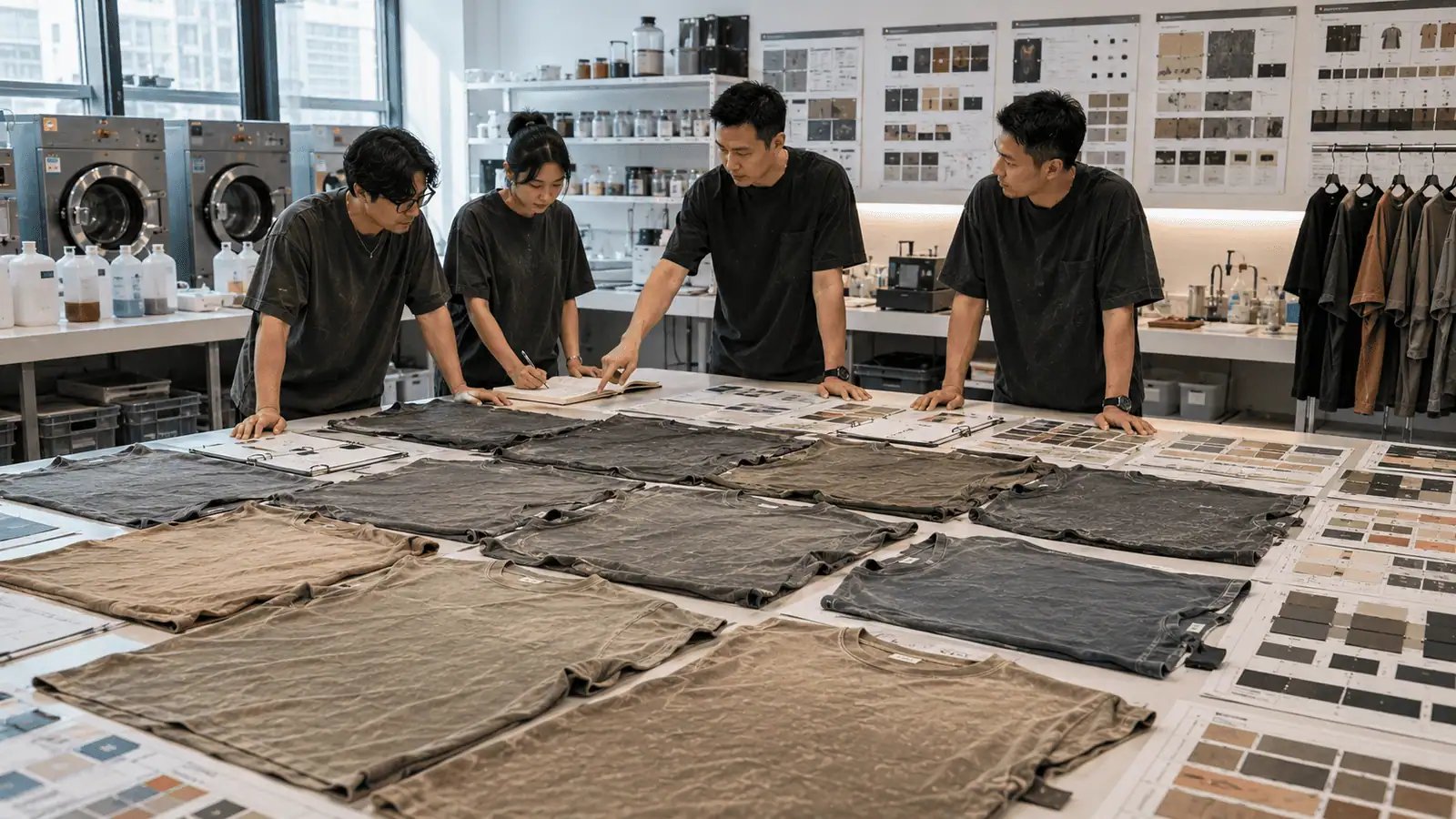
Which Washing Techniques Are Used for Vintage Streetwear T-Shirts?
Wash development creates the unique appearance consumers expect.
What Are the Most Common Vintage Washes?
Professional manufacturers typically offer:
- Vintage wash
- Enzyme wash
- Garment dye
- Pigment dye
- Mineral wash
- Acid wash
How Do Different Washes Affect Appearance?
| Wash Type | Visual Effect |
|---|---|
| Vintage Wash | Natural fading |
| Enzyme Wash | Soft hand feel |
| Pigment Dye | Aged color appearance |
| Mineral Wash | Unique texture |
| Acid Wash | High contrast fading |
Each wash creates a distinct visual identity.
Why Is Wash Development Critical Before Bulk Production?
Wash development ensures consistency and repeatability.
What Happens During Wash Development?
Manufacturers test:
- Fabric reaction
- Color fading
- Shrinkage rates
- Surface texture
Why Are Wash Approval Samples Important?
Approval samples help verify:
- Color expectations
- Vintage appearance
- Production feasibility
Brands should never skip wash approval stages.
Which Printing Techniques Work Best on Vintage Garments?
Printing and washing must work together.
Popular Graphic Applications
| Printing Method | Vintage Compatibility |
|---|---|
| Screen Printing | Excellent |
| Distressed Printing | Excellent |
| Puff Printing | Good |
| Embroidery | Premium |
| DTG Printing | Good |
Why Must Printing Be Tested with Washing?
Testing helps prevent:
- Cracking
- Fading
- Adhesion issues
Proper testing improves long-term durability.
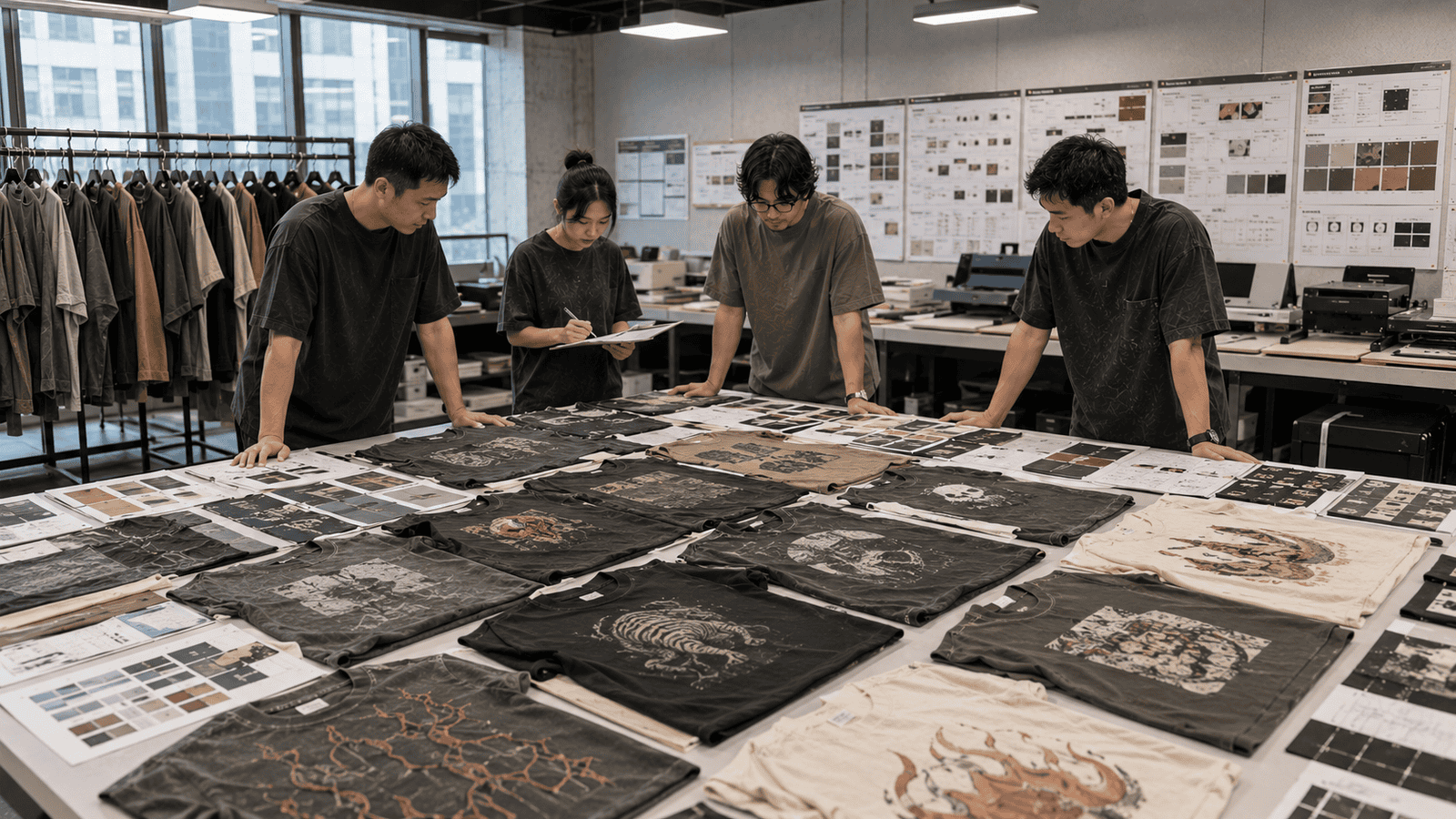
How Does the Vintage T-Shirt Production Process Work?
Production involves multiple stages.
Typical Production Workflow
- Fabric sourcing
- Pattern development
- Fabric cutting
- Sewing
- Washing
- Printing
- Finishing
- Quality control
- Packing
Why Is Production Planning Important?
Proper planning reduces:
- Delays
- Waste
- Quality issues
A structured workflow improves efficiency.
How Does Sample Development Help Brands?
Sampling validates the product before mass production.
What Is Included in Sampling?
Manufacturers usually provide:
- Fabric options
- Fit samples
- Wash samples
- Print tests
- Branding mockups
What Should Brands Review?
Check:
- Fit accuracy
- Wash quality
- Graphic appearance
- Construction details
Sampling reduces production risks significantly.
What Quality Control Systems Should Manufacturers Have?
Quality control ensures consistency.
Standard QC Process
| QC Stage | Purpose |
|---|---|
| Fabric Inspection | Material Verification |
| In-Line QC | Production Monitoring |
| Wash Inspection | Effect Consistency |
| Final Inspection | Product Approval |
Why Is QC Essential for Vintage Apparel?
Vintage garments involve:
- Multiple finishing stages
- Wash variation risks
- Print durability concerns
Reliable QC protects brand reputation.
What Private Label Services Are Available?
Private label branding helps products stand out.
Which Branding Elements Can Be Customized?
Manufacturers commonly offer:
- Woven labels
- Printed neck labels
- Hang tags
- Packaging boxes
- Stickers
Why Is Private Label Important?
Benefits include:
- Stronger brand identity
- Higher perceived value
- Better customer loyalty
Explore complete solutions through our Custom Streetwear Manufacturer.
What MOQ and Lead Times Should Brands Expect?
Production planning requires realistic expectations.
Typical MOQ Requirements
| Product Type | MOQ |
|---|---|
| Vintage T-Shirts | 100 pcs |
| Graphic Vintage Tees | 100 pcs |
| Private Label Styles | 100 pcs per style |
Typical Lead Times
| Production Stage | Timeline |
|---|---|
| Sample Development | 7–10 Days |
| Sample Revision | 3–7 Days |
| Bulk Production | 25–35 Days |
Lead times may vary depending on wash complexity.
Can One Manufacturer Produce a Complete Vintage Streetwear Collection?
Many brands eventually expand into multiple categories.
Which Products Can Be Manufactured Together?
A complete collection may include:
- T-Shirts
- Hoodies
- Sweatshirts
- Jackets
- Pants
- Shorts
- Tank Tops
- Sets
- Denim Apparel
Related resources:
- Streetwear Hoodie Manufacturer
- Streetwear Sweatshirt Manufacturer
- Streetwear Jacket Manufacturer
- Streetwear Pants Manufacturer
- Streetwear Shorts Manufacturer
- Streetwear Tank Top Manufacturer
- Streetwear Sets Manufacturer
- Streetwear Denim Apparel Manufacturer
Why Is One-Stop Manufacturing Valuable?
Benefits include:
- Easier communication
- Better consistency
- Faster development
- Simplified management
Many brands prefer long-term manufacturing partnerships.
How Should Brands Choose a Vintage Streetwear T Shirts Manufacturer?
Selecting the right partner is one of the most important decisions for any clothing brand.
What Factors Should Be Evaluated?
Consider:
- Fabric expertise
- Wash development capability
- Printing knowledge
- QC systems
- Communication quality
- Production capacity
What Questions Should Brands Ask?
Ask manufacturers:
- Which vintage washes do you specialize in?
- What GSM options are available?
- Can you provide development samples?
- How do you control wash consistency?
- What is your MOQ?
- Can you support private label branding?
The right supplier should support both current production needs and future brand growth.
Conclusion
A professional Vintage Streetwear T Shirts Manufacturer provides much more than garment production. The best partners combine fabric expertise, wash development capabilities, graphic application knowledge, quality control systems, and private label services to help brands create premium vintage collections.
By understanding fabrics, washing techniques, production workflows, and supplier evaluation criteria, brands can reduce risks and develop products that meet modern streetwear market expectations.
To learn more, visit Ohsure Apparel and browse our complete Streetwear Product Collection.