
Vintage streetwear t-shirts have become one of the most competitive categories in modern fashion. With oversized fits, heavyweight fabrics, garment dyeing, vintage washes, and premium graphics becoming industry standards, brands must make smart manufacturing decisions to remain competitive.
Unfortunately, many startups and even established fashion brands make costly mistakes when selecting suppliers, developing products, and managing production. These mistakes can lead to poor quality, delayed deliveries, inconsistent sizing, customer complaints, and unnecessary financial losses.
In this guide, we'll explore the most common mistakes brands make when working with a vintage streetwear t shirts manufacturer and explain how to avoid them.
Whether you're launching your first collection or scaling your brand, partnering with an experienced Custom Streetwear Manufacturer can help reduce risks and improve product quality.
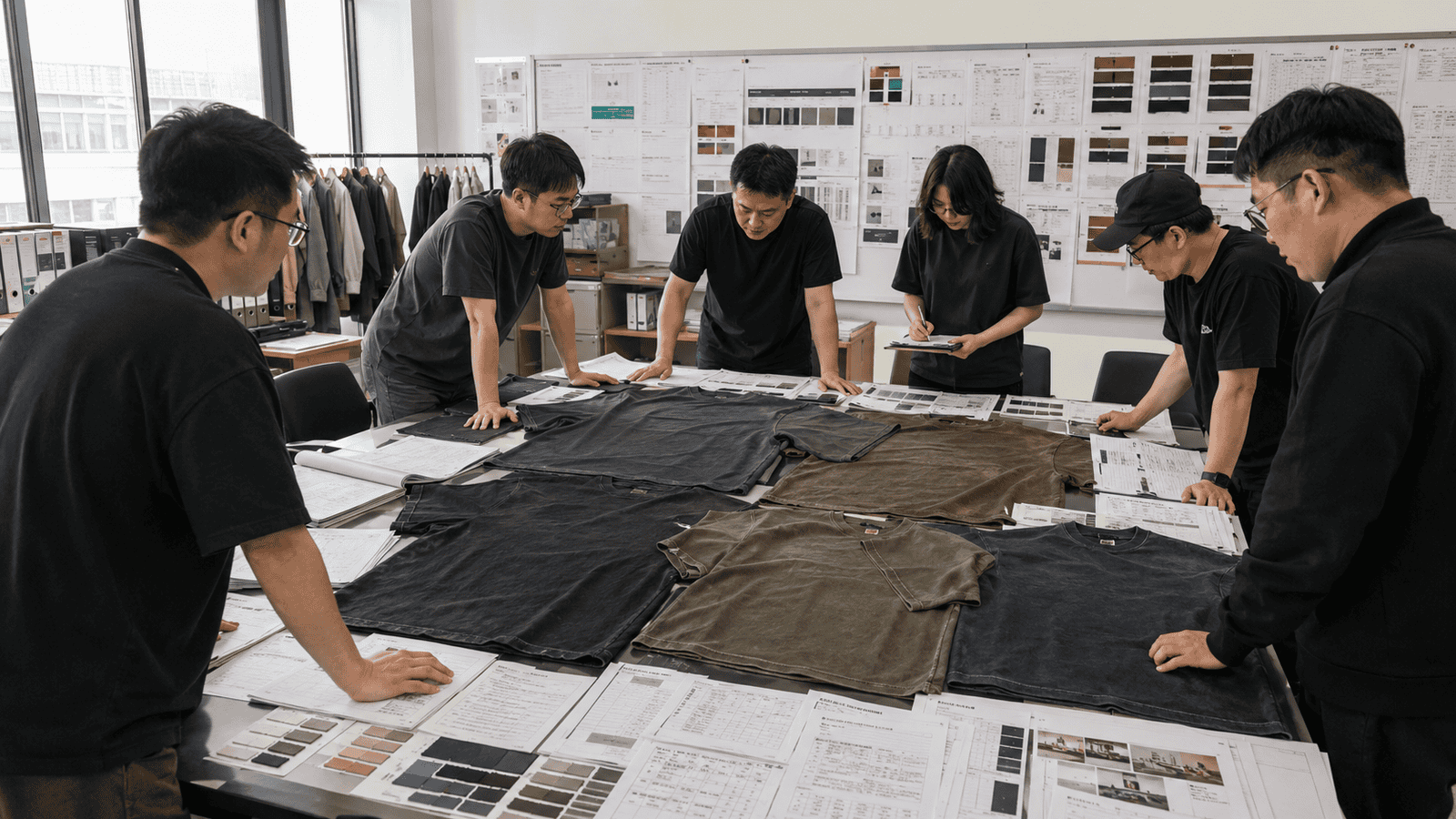
What Happens When Brands Choose a Manufacturer Based Only on Price?
Why Is Low Pricing Often Misleading?
Extremely low prices may indicate:
- Lower-quality fabrics
- Inexperienced production teams
- Limited quality control
- Poor communication
What Hidden Costs Can Appear Later?
Potential issues include:
- Sample revisions
- Production delays
- Quality complaints
- Product returns
How Should Brands Compare Suppliers?
| Evaluation Factor | Importance |
|---|---|
| Product Quality | Very High |
| Communication | Very High |
| Wash Expertise | High |
| Pricing | Medium |
| Lead Time | High |
Why Is Ignoring Fabric Quality a Major Mistake?
Why Does Fabric Matter So Much?
Fabric affects:
- Comfort
- Durability
- Print performance
- Vintage wash results
What Fabrics Are Commonly Used?
Professional manufacturers typically offer:
- Combed Cotton
- Ring-Spun Cotton
- Organic Cotton
- Heavyweight Cotton
What GSM Should Brands Consider?
| Fabric Weight | Typical Application |
|---|---|
| 180gsm | Entry-Level Products |
| 220gsm | Standard Streetwear |
| 260gsm | Premium Oversized Tees |
| 300gsm+ | Luxury Collections |
Many brands work with a dedicated Custom T-Shirts Manufacturer to ensure proper fabric selection.
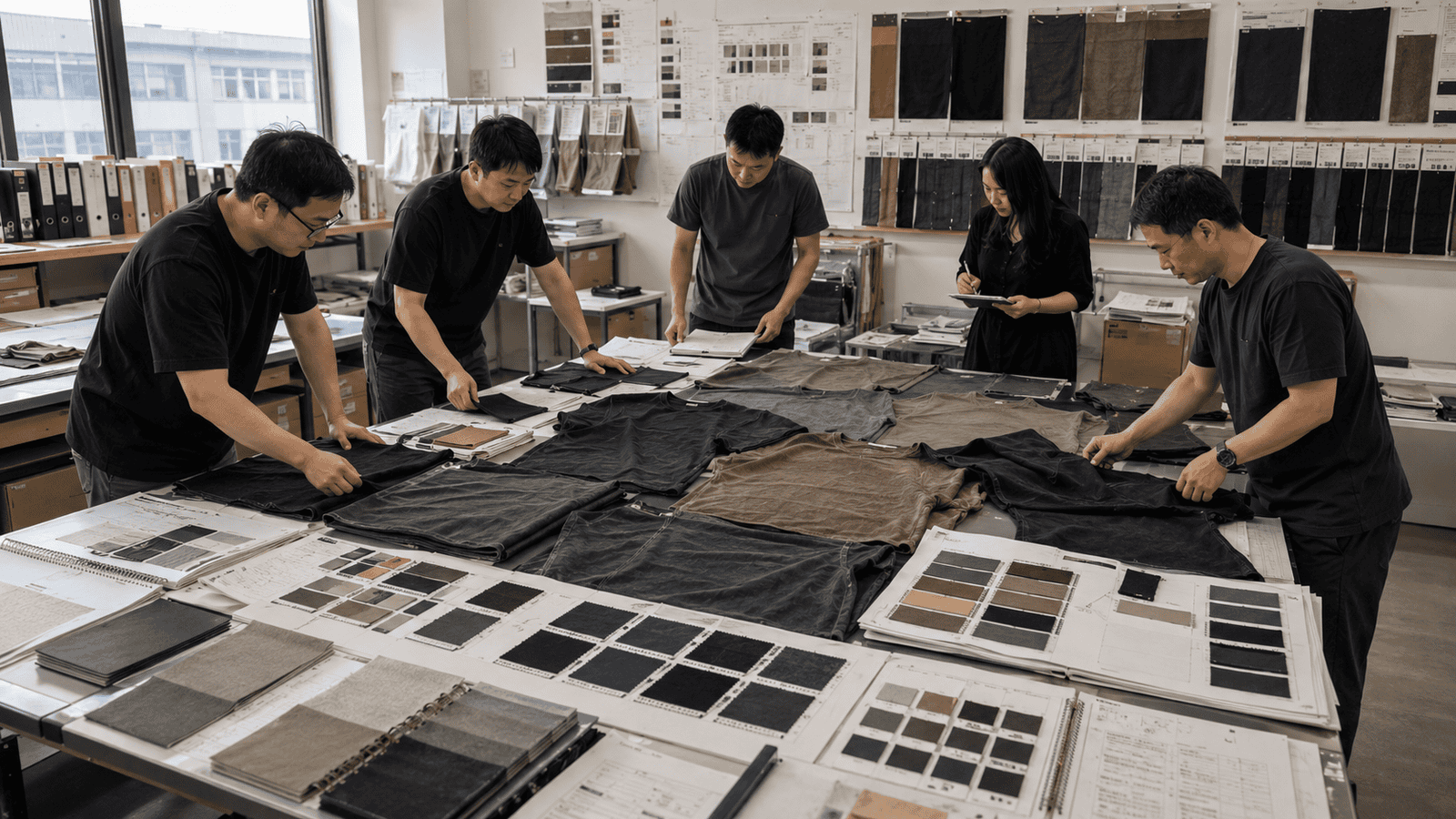
Why Do Some Brands Skip the Sampling Process?
Why Is Sampling Essential?
Sampling helps verify:
- Fit accuracy
- Wash effects
- Print quality
- Construction details
What Risks Come from Skipping Samples?
Common problems include:
- Incorrect sizing
- Poor wash consistency
- Graphic placement issues
- Fabric dissatisfaction
What Should Be Checked During Sampling?
| Sample Review Area | Purpose |
|---|---|
| Measurements | Fit Verification |
| Fabric | Material Approval |
| Printing | Graphic Quality |
| Wash Effect | Appearance Consistency |
Why Is Poor Tech Pack Preparation a Common Problem?
What Information Should a Tech Pack Include?
A complete tech pack should contain:
- Measurements
- Artwork files
- Fabric details
- Label requirements
- Packaging instructions
How Does Missing Information Affect Production?
Incomplete information can cause:
- Miscommunication
- Sample delays
- Production errors
How Can Brands Improve Accuracy?
Provide:
- Clear specifications
- Reference photos
- Pantone colors
- Placement diagrams
Why Do Brands Underestimate Vintage Wash Development?
Why Are Wash Effects Difficult to Replicate?
Vintage washes involve:
- Dye variations
- Fabric reactions
- Washing techniques
- Finishing processes
What Problems Can Occur?
Potential issues include:
- Color inconsistency
- Excessive shrinkage
- Uneven fading
What Should Brands Request?
| Wash Control Tool | Benefit |
|---|---|
| Wash Standards | Consistency |
| Lab Dips | Color Accuracy |
| Approval Samples | Quality Verification |
| Shrinkage Tests | Size Stability |
Explore advanced wash development capabilities through OEM Services.
Why Is Choosing a Manufacturer Without Streetwear Experience Risky?
What Makes Streetwear Different?
Streetwear production often requires:
- Oversized fits
- Heavyweight fabrics
- Puff printing
- Vintage washing
What Capabilities Should a Factory Have?
Look for:
- Streetwear specialization
- Sample room support
- Wash expertise
- Graphic printing knowledge
What Questions Should Brands Ask?
| Question | Why It Matters |
|---|---|
| Do you produce vintage tees regularly? | Experience Verification |
| Can you develop custom washes? | Technical Capability |
| Do you offer puff printing? | Decoration Expertise |
| What is your MOQ? | Project Fit |
Why Do Some Brands Ignore Quality Control Systems?
Why Is Quality Control Important?
QC helps ensure:
- Consistent sizing
- Fabric quality
- Print durability
- Wash consistency
What QC Stages Should Exist?
Professional factories typically perform:
- Fabric Inspection
- In-Line QC
- Final QC
- Packing QC
What Can Happen Without Proper QC?
| Risk | Result |
|---|---|
| Fabric Defects | Customer Complaints |
| Size Variations | Returns |
| Print Failures | Brand Damage |
| Wash Inconsistency | Poor Reviews |
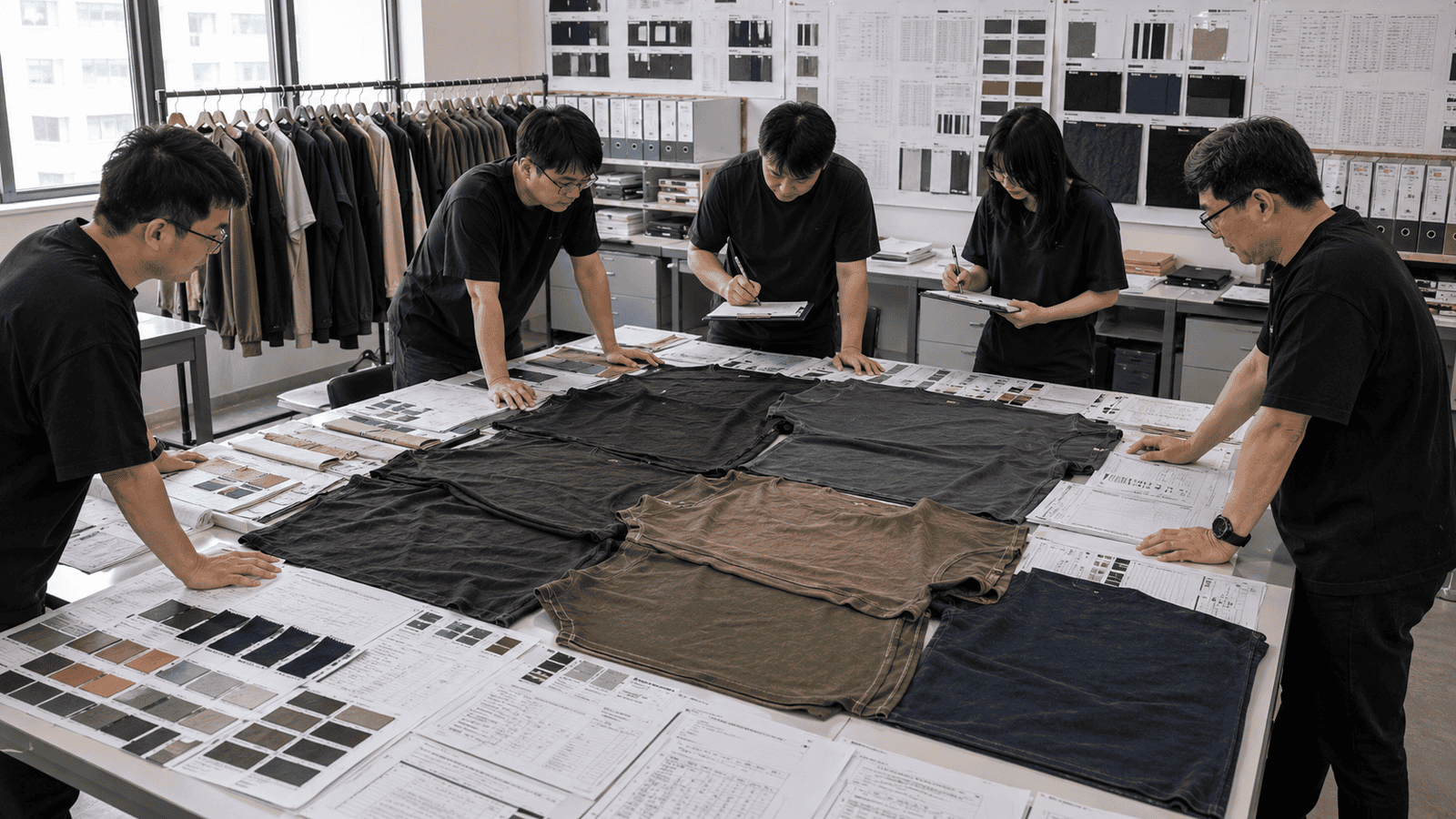
Why Is Poor Communication a Frequent Cause of Production Problems?
What Communication Issues Are Common?
Problems often include:
- Slow responses
- Missing updates
- Unclear requirements
How Can Brands Improve Communication?
Best practices include:
- Detailed briefs
- Scheduled updates
- Written approvals
What Response Standards Should Brands Expect?
| Communication Area | Recommended Standard |
|---|---|
| Email Response | Within 24 Hours |
| Sample Updates | Weekly |
| Production Reports | Scheduled |
| Issue Resolution | Immediate |
Why Is Unrealistic Lead Time Planning a Mistake?
How Long Does Production Actually Take?
Typical timelines include:
| Production Stage | Timeline |
|---|---|
| Fabric Sourcing | 2-5 Days |
| Sample Development | 7-10 Days |
| Sample Revision | 3-5 Days |
| Bulk Production | 25-35 Days |
What Causes Delays?
Common factors include:
- Fabric shortages
- Wash revisions
- Artwork changes
How Can Brands Avoid Delays?
Allow sufficient time for:
- Sampling
- Approvals
- Production
- Shipping
Why Do Some Brands Ignore Private Label Branding Opportunities?
What Branding Elements Can Be Customized?
Manufacturers can provide:
- Woven Labels
- Printed Neck Labels
- Hang Tags
- Packaging
Why Does Branding Matter?
Private label branding helps:
- Build identity
- Increase value perception
- Improve customer experience
What Branding Areas Should Be Considered?
| Branding Element | Customer Impact |
|---|---|
| Neck Label | Professional Appearance |
| Hang Tag | Brand Storytelling |
| Packaging | Unboxing Experience |
| Stickers | Marketing Value |
Can One Manufacturer Support a Complete Streetwear Collection?
What Other Products Can Be Produced?
A capable manufacturing partner can also develop:
- Streetwear Hoodies
- Streetwear Sweatshirts
- Streetwear Jackets
- Streetwear Pants
- Streetwear Shorts
- Streetwear Sets
- Streetwear Tank Tops
- Streetwear Denim Apparel
Why Is One Supplier Often Better?
Benefits include:
- Consistent quality
- Unified sizing
- Faster development
- Simplified logistics
Browse the complete Streetwear Product Collection to explore more categories.
How Can Brands Build Better Relationships with Their Manufacturer?
Why Do Long-Term Partnerships Matter?
Benefits include:
- Better pricing
- Faster development
- Priority scheduling
What Information Should Brands Share?
Helpful information includes:
- Seasonal plans
- Product roadmaps
- Forecasts
What Creates a Successful Partnership?
Strong relationships are built on:
- Transparency
- Consistency
- Communication
- Mutual growth
Learn more about professional manufacturing solutions at Ohsure Apparel.
Conclusion
Many production problems can be avoided by choosing the right vintage streetwear t shirts manufacturer and following a structured development process. Brands that prioritize quality, communication, sampling, wash development, and quality control are far more likely to launch successful collections and build lasting customer trust.
By understanding these common mistakes and avoiding them early, streetwear brands can reduce risk, improve product quality, and create stronger long-term growth opportunities.