
Cut and sew manufacturing has become one of the most important production methods for modern streetwear brands. Unlike blank apparel printing, cut and sew allows brands to create fully customized garments with unique fits, fabrics, construction details, and branding.
In this guide, we’ll explain how streetwear cut and sew manufacturing works, what makes a premium manufacturer, typical MOQ expectations, customization options, and how to choose the best production partner for your brand in 2026.
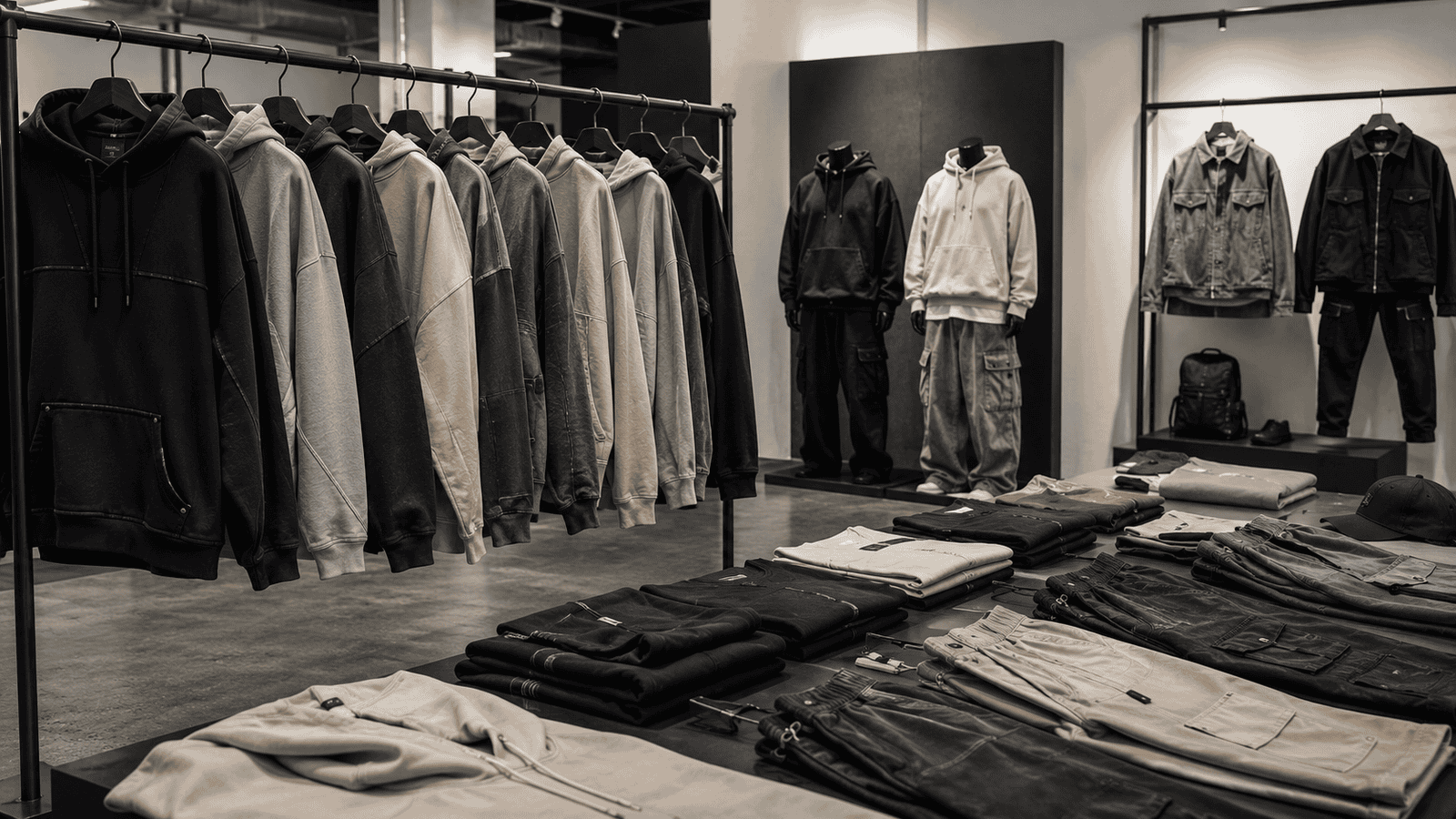
What Is Cut and Sew Streetwear Manufacturing?
Definition of Cut and Sew Manufacturing
Cut and sew manufacturing means garments are created from raw fabric panels instead of using pre-made blanks.
Why Streetwear Brands Prefer Cut and Sew
This production method allows brands to create:
- Custom silhouettes
- Oversized fits
- Unique garment construction
- Premium fabric combinations
- Exclusive product identity
Difference Between Blank Apparel & Cut and Sew
Cut and sew offers far more flexibility and customization than simple logo printing on stock garments.
Why Is Cut and Sew Important for Premium Streetwear Brands?
Stronger Brand Identity
Custom-developed garments help brands stand out in a competitive market.
Better Product Quality
Premium cut and sew production allows:
- Better fabric control
- Higher construction quality
- More advanced finishing details
More Creative Freedom
Brands can fully customize:
- Patterns
- Fits
- Stitching details
- Wash treatments
- Branding applications
Learn more here:
👉 Custom Streetwear Manufacturer
What Products Can Be Developed Through Cut and Sew Manufacturing?
Full Streetwear Product Categories
Professional manufacturers should support complete collection development including:
- Custom T-Shirts
- Streetwear Tank Tops
- Streetwear Hoodies
- Streetwear Sweatshirts
- Streetwear Jackets
- Streetwear Pants
- Streetwear Shorts
- Streetwear Sets
- Streetwear Denim Apparel
Browse all product categories here:
👉 Streetwear Products
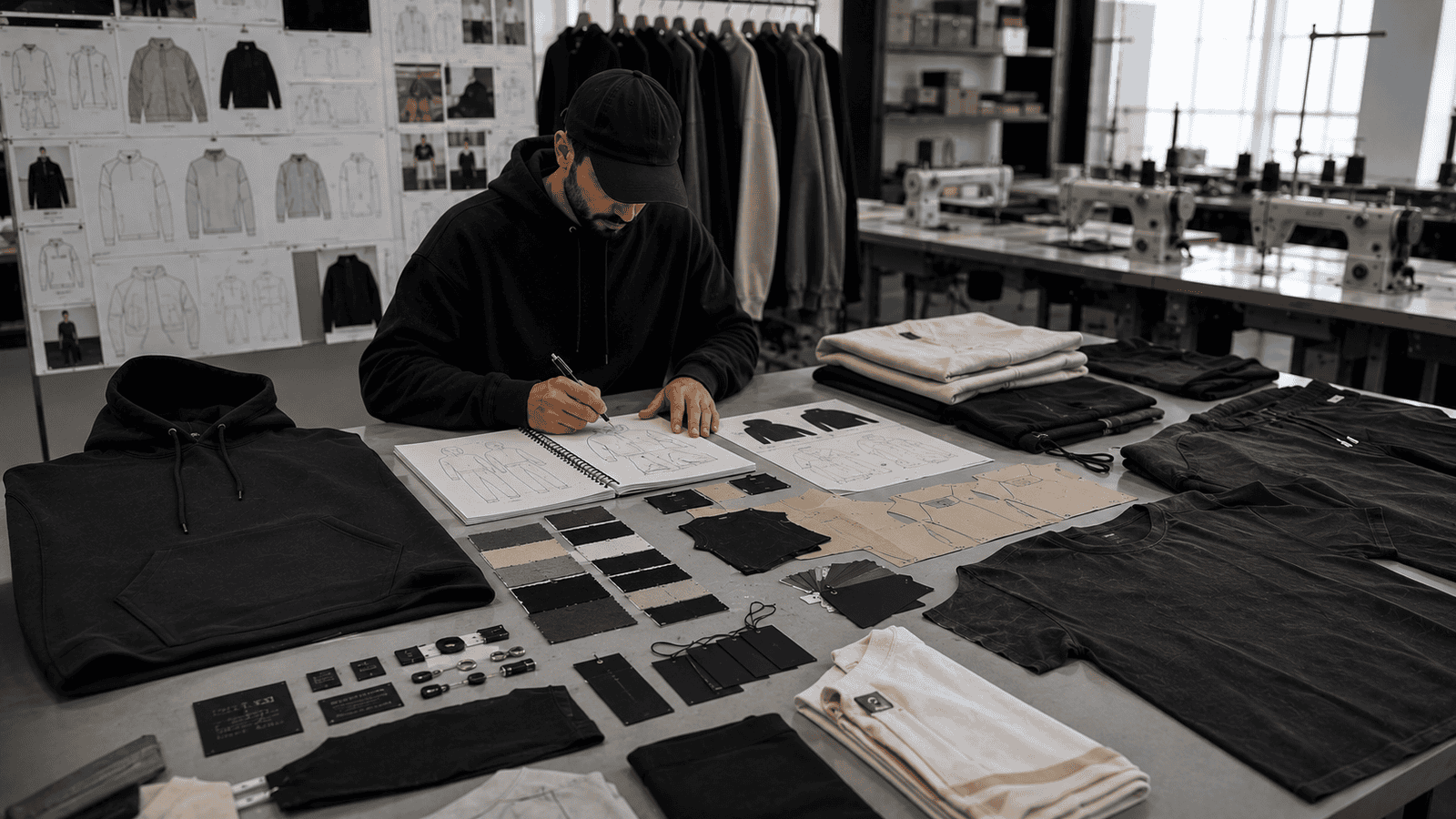
How Does the Cut and Sew Development Process Work?
Step 1: Design & Tech Pack Review
Brands submit sketches, references, or detailed tech packs.
Step 2: Fabric Sourcing
Manufacturers source suitable fabrics based on:
- GSM
- Composition
- Texture
- Performance
Step 3: Pattern Making
Patterns are developed specifically for the garment fit and construction.
Step 4: Sample Development
Factories create prototypes for approval.
Step 5: Bulk Production
Production begins after sample approval and material confirmation.
Typical Development Workflow Table
| Production Stage | Purpose |
|---|---|
| Tech Pack Review | Confirm design details |
| Fabric Sourcing | Select suitable materials |
| Pattern Making | Develop custom fit |
| Sample Production | Test fit & construction |
| Bulk Production | Final manufacturing |
What Fabrics Are Commonly Used in Premium Streetwear?
Heavyweight Cotton
Popular for oversized hoodies and premium T-shirts.
French Terry & Fleece
Frequently used for:
- Sweatshirts
- Hoodies
- Joggers
Denim & Technical Fabrics
Modern streetwear often combines:
- Washed denim
- Nylon blends
- Functional textiles
Popular Fabric Comparison Table
| Fabric Type | Common Use | Features |
|---|---|---|
| Cotton Jersey | T-Shirts | Soft & breathable |
| French Terry | Hoodies & Sweatshirts | Comfortable & durable |
| Fleece | Winter Apparel | Thick & warm |
| Denim | Jackets & Pants | Structured & rugged |
| Nylon Blends | Technical Streetwear | Lightweight & functional |
What Customization Options Should You Expect?
Logo Techniques
Professional manufacturers should support:
- Screen Printing
- Puff Printing
- Embroidery
- Silicone Logos
- Reflective Printing
Wash & Dye Effects
- Acid Wash
- Vintage Wash
- Enzyme Wash
- Garment Dye
Private Label Branding
Reliable factories should provide:
- Woven labels
- Printed neck labels
- Hang tags
- Custom packaging
Learn more here:
👉 OEM Services
What MOQ Should Brands Expect for Cut and Sew Manufacturing?
Why MOQ Exists
MOQ helps factories manage:
- Fabric sourcing
- Pattern setup
- Production efficiency
Typical MOQ Comparison
| Factory Type | Typical MOQ |
|---|---|
| Startup-Friendly OEM Factory | 50–100 pcs |
| Standard Cut & Sew Factory | 200–500 pcs |
| Large Production Supplier | 500+ pcs |
Lower MOQ Helps Startups
Smaller MOQ allows brands to test collections with lower inventory risk.
How Important Is Quality Control in Cut and Sew Manufacturing?
Quality Directly Affects Brand Reputation
Premium streetwear requires:
- Accurate fit
- Strong stitching
- Consistent fabric quality
- Clean finishing
Professional QC Systems Include
- Fabric inspection
- In-line QC
- Final garment inspection
- Packaging inspection
QC Workflow Table
| QC Stage | Purpose |
|---|---|
| Fabric Inspection | Prevent material defects |
| Cutting Inspection | Ensure panel accuracy |
| In-Line QC | Monitor stitching quality |
| Final Inspection | Verify finished garments |
| Packing Inspection | Prevent shipping mistakes |
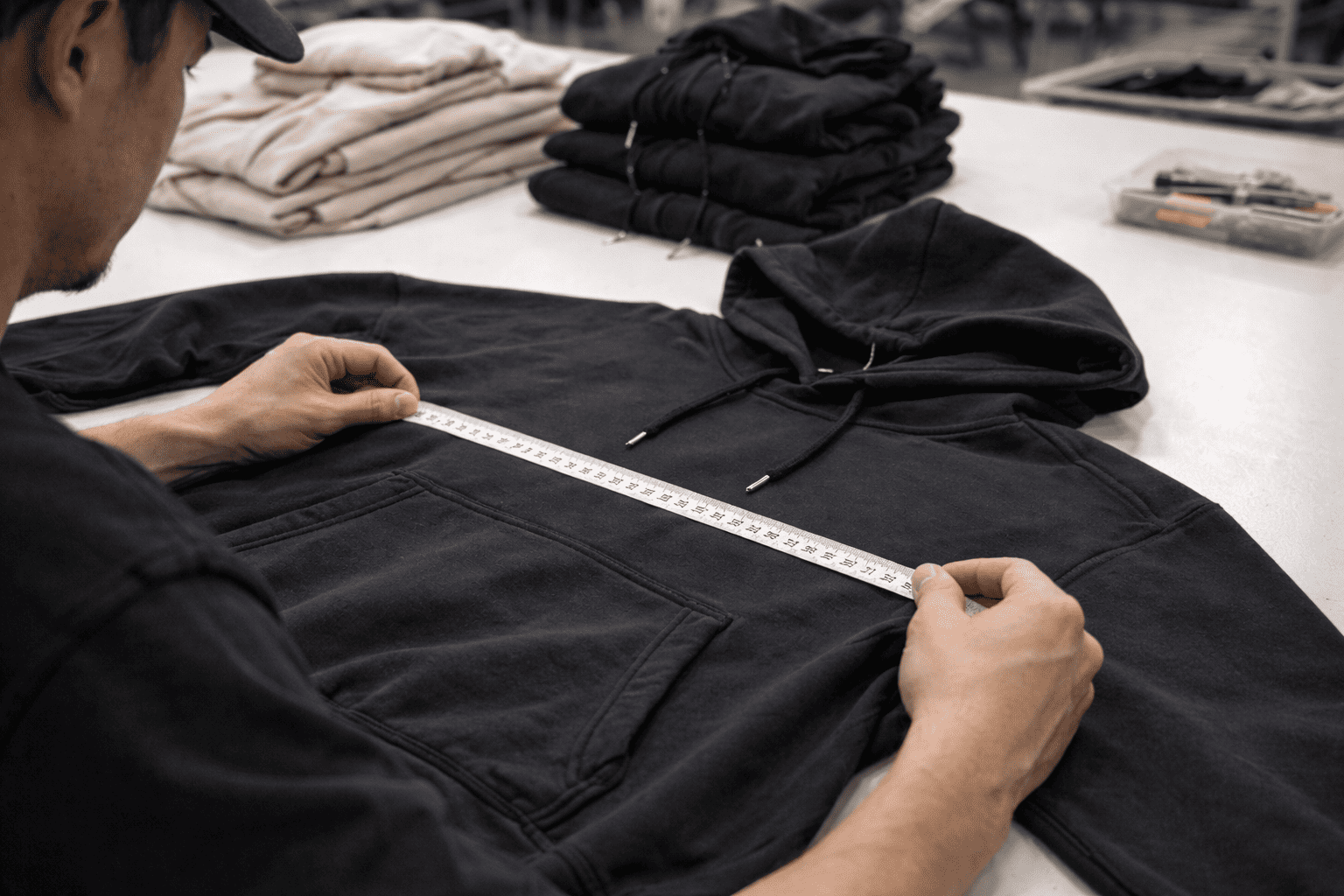
What Mistakes Should Brands Avoid When Choosing a Cut and Sew Manufacturer?
Choosing Only Based on Price
Cheap production often leads to poor quality and inconsistency.
Ignoring Sampling Quality
Samples should accurately represent final bulk production.
Overlooking Communication Quality
Poor communication creates delays and development mistakes.
Choosing Factories Without Streetwear Experience
Streetwear requires specialized expertise in:
- Oversized fits
- Heavyweight fabrics
- Complex washing techniques
Why Do Many Brands Choose Ohsure Apparel?
Professional Cut and Sew Streetwear Expertise
Ohsure Apparel supports global streetwear brands with premium OEM manufacturing solutions.
Strong Product Development Workflow
Professional support from concept development to final shipment.
Flexible MOQ for Startups & Growing Brands
Suitable for both emerging and scalable production.
Full Product Categories
Including:
Conclusion: How Can You Choose the Best Cut and Sew Manufacturer?
The best cut and sew streetwear manufacturers provide more than production — they help brands develop premium garments with strong identity, reliable quality, and scalable manufacturing support.
When evaluating manufacturers, focus on:
- Product development capability
- Fabric expertise
- MOQ flexibility
- Quality control systems
- Communication quality
- Streetwear production experience
The right manufacturing partner can help your brand create premium custom streetwear with long-term growth potential.