
Working with a custom streetwear T-shirts manufacturer can help brands create premium products, scale production, and build stronger customer loyalty. However, many brands — especially startups — make avoidable mistakes during the OEM manufacturing process.
Poor preparation, unclear communication, unrealistic expectations, and weak quality control planning can lead to expensive production problems, delays, and inconsistent products.
In this guide, we’ll explain the most common mistakes brands make when working with custom streetwear T-shirt manufacturers and how to avoid them in 2026.
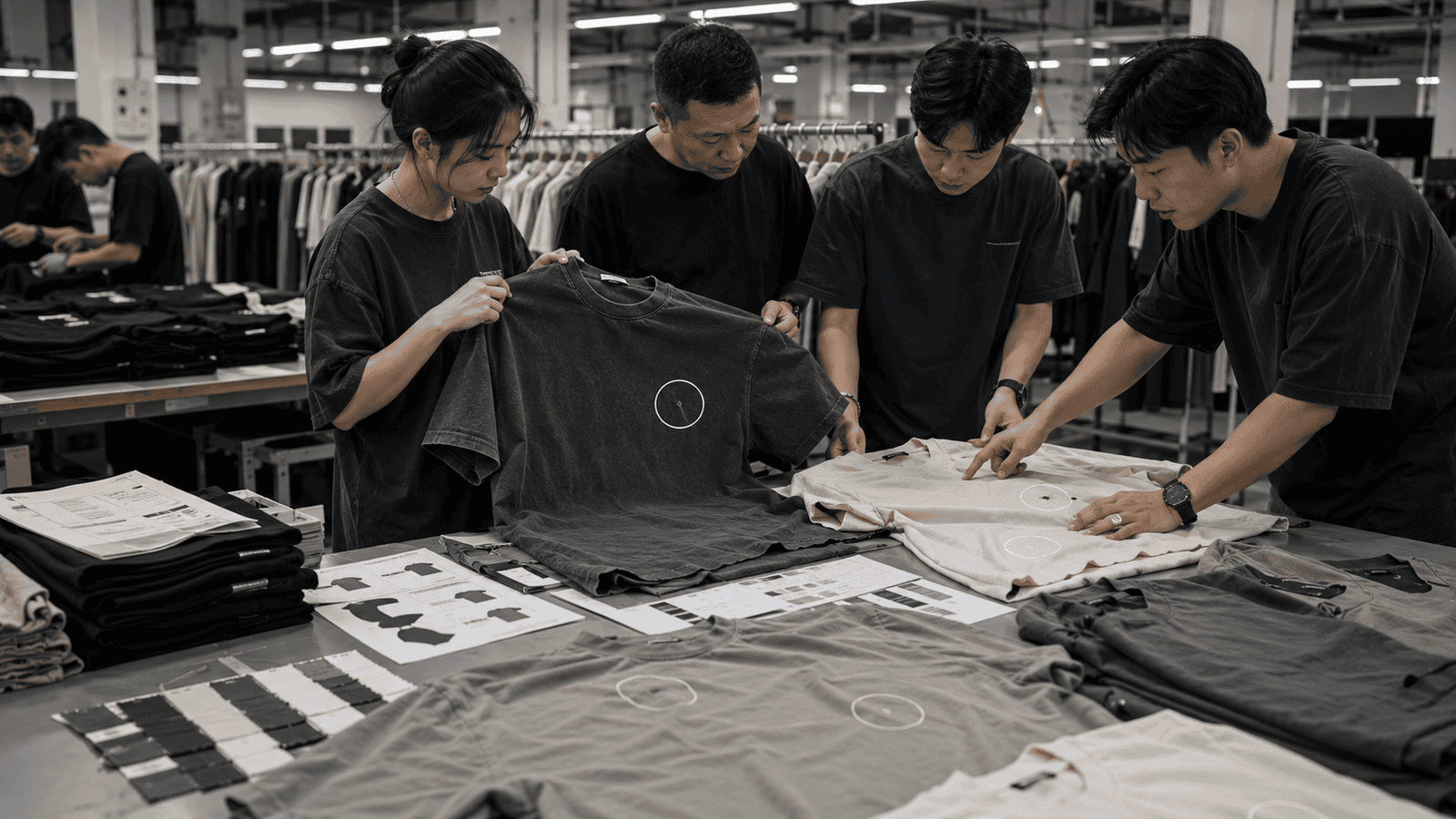
Why Do Brands Often Experience Manufacturing Problems?
Many Brands Focus Only on Price
Choosing the cheapest supplier often leads to:
- Poor fabric quality
- Weak stitching
- Inconsistent sizing
- Production delays
Streetwear Manufacturing Is More Complex Than Basic Apparel
Streetwear products often require:
- Oversized fits
- Heavyweight fabrics
- Advanced printing
- Wash treatments
- Premium branding details
OEM Production Requires Strong Communication
Clear communication is essential for:
- Product consistency
- Sampling accuracy
- Bulk production quality
Learn more here:
👉 Custom Streetwear Manufacturer
Mistake #1: Not Preparing a Proper Tech Pack
Why Tech Packs Matter
A professional tech pack helps manufacturers understand:
- Measurements
- Fabric requirements
- Print placement
- Label details
- Construction instructions
Poor Tech Packs Cause Production Errors
Incomplete product information can lead to:
- Incorrect sizing
- Wrong fabrics
- Printing mistakes
- Delays
Tech Pack Checklist Table
| Tech Pack Element | Purpose |
|---|---|
| Product Sketch | Visual garment reference |
| Measurements | Sizing specifications |
| Fabric Details | Material requirements |
| Logo Placement | Branding accuracy |
| Sewing Details | Construction instructions |
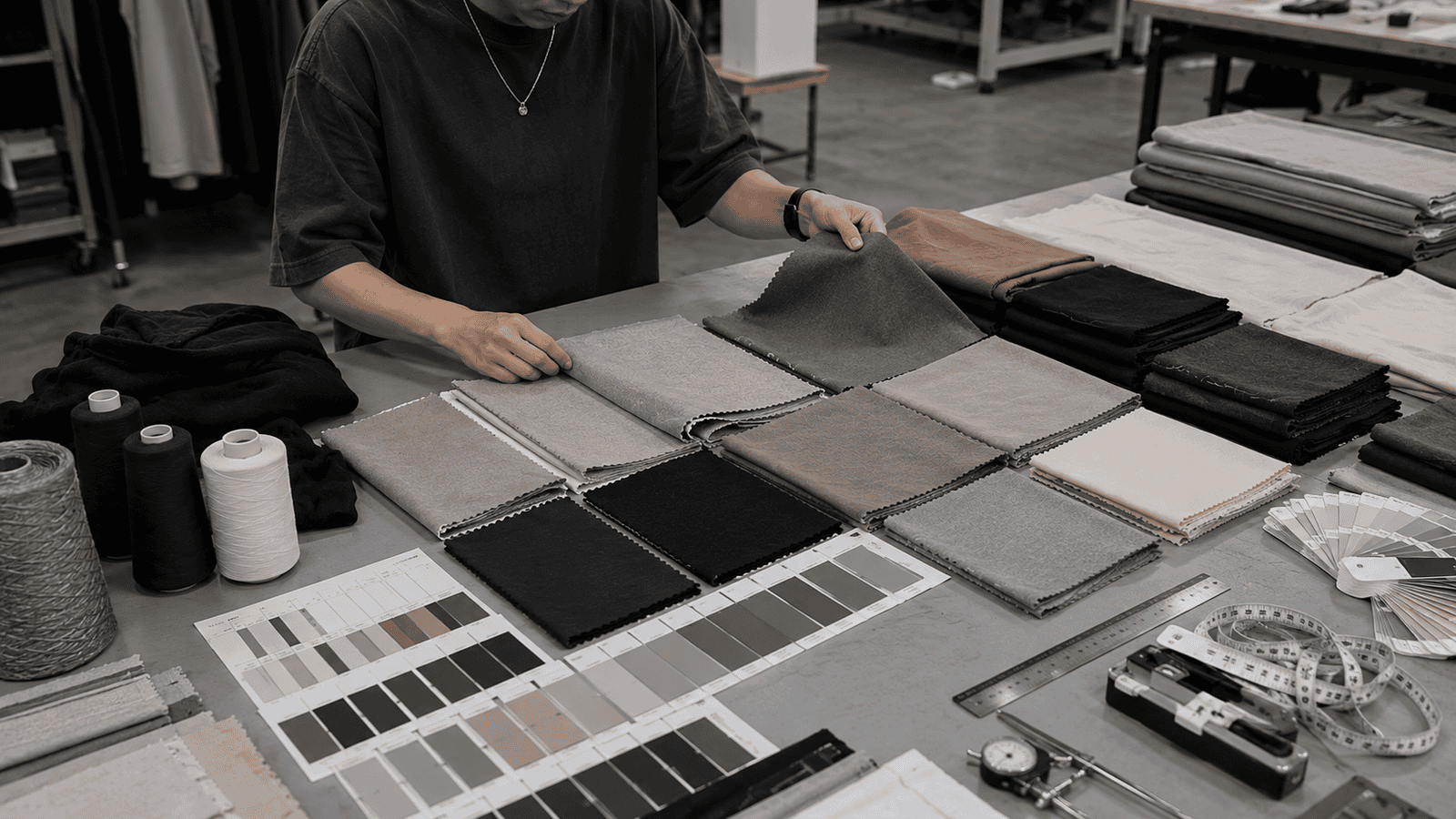
Mistake #2: Ignoring Fabric Quality & GSM
Why Fabric Selection Matters
Fabric directly affects:
- Product quality
- Comfort
- Durability
- Brand positioning
Many Brands Choose Fabric Only by Price
Cheap fabrics often create:
- Poor structure
- Weak durability
- Bad shrinkage control
Common Streetwear T-Shirt GSM Levels
| GSM Range | Fabric Feel | Best For |
|---|---|---|
| 180–220 GSM | Lightweight | Basic streetwear |
| 240–280 GSM | Midweight | Premium everyday tees |
| 300–350 GSM | Heavyweight | Luxury oversized tees |
Why Heavyweight Fabrics Are Popular
Heavyweight fabrics create:
- Better silhouette
- Luxury appearance
- Premium feel
Mistake #3: Skipping Proper Sampling
Sampling Helps Prevent Expensive Problems
Samples help brands evaluate:
- Fabric quality
- Fit
- Printing quality
- Construction details
Why Sampling Should Never Be Skipped
Skipping sampling often causes:
- Bulk production mistakes
- Fit inconsistency
- Graphic errors
- Product dissatisfaction
Typical Sampling Workflow
| Sampling Stage | Timeline |
|---|---|
| Fabric Confirmation | 2–5 days |
| Pattern Making | 3–7 days |
| Sample Production | 7–14 days |
| Sample Revision | 3–7 days |
Mistake #4: Choosing Manufacturers Without Streetwear Experience
Streetwear Requires Specialized Expertise
Professional streetwear manufacturers understand:
- Oversized fits
- Heavyweight fabrics
- Premium printing
- Wash treatments
Basic Factories Often Lack Streetwear Knowledge
Inexperienced suppliers may struggle with:
- Fit accuracy
- GSM handling
- Premium finishing
- Branding consistency
What Brands Should Verify
Always review:
- Previous projects
- Product photos
- Sample quality
- Factory capability
Explore more here:
👉 OEM Services
Mistake #5: Ignoring Quality Control Systems
QC Directly Affects Brand Reputation
Poor product quality can cause:
- Customer complaints
- Returns
- Negative reviews
Professional QC Systems Should Include
- Fabric inspection
- Printing inspection
- In-line QC
- Final garment inspection
- Packaging inspection
QC Workflow Table
| QC Stage | Inspection Focus |
|---|---|
| Fabric Inspection | Fabric defects & consistency |
| Printing Inspection | Graphic accuracy |
| In-Line QC | Stitching & workmanship |
| Final QC | Measurements & finishing |
| Packing QC | Packaging & labels |
Mistake #6: Having Unrealistic Lead Time Expectations
Streetwear Manufacturing Takes Time
Premium products require:
- Fabric sourcing
- Sampling
- Printing
- Washing
- Quality inspection
Typical Production Timeline
| Production Stage | Timeline |
|---|---|
| Fabric Confirmation | 2–5 days |
| Pattern Making | 3–7 days |
| Sample Production | 7–14 days |
| Bulk Production | 20–35 days |
What Affects Production Speed?
Lead times depend on:
- Fabric availability
- Printing complexity
- Wash treatments
- Order quantity
Mistake #7: Not Understanding MOQ Requirements
What Does MOQ Mean?
MOQ means Minimum Order Quantity required by the manufacturer.
Typical Streetwear T-Shirt MOQ
| Factory Type | Typical MOQ |
|---|---|
| Startup-Friendly OEM Factory | 50–100 pcs |
| Standard OEM Factory | 100–300 pcs |
| Large Production Factory | 500+ pcs |
Why MOQ Exists
MOQ helps manufacturers manage:
- Fabric sourcing
- Production efficiency
- Labor setup
Why Extremely Low MOQ Can Increase Cost
Small production runs often:
- Increase unit cost
- Reduce efficiency
- Limit fabric options
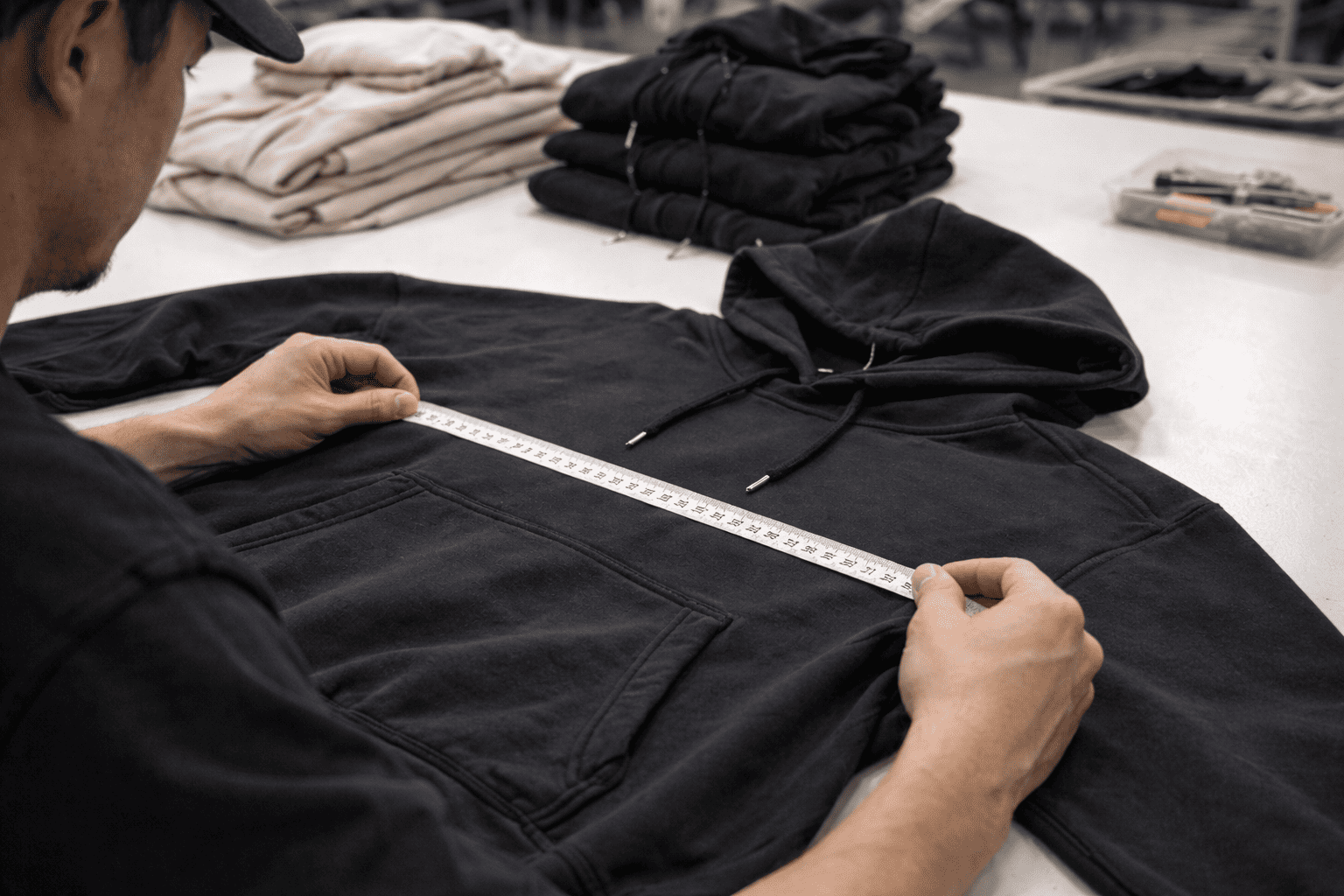
Mistake #8: Poor Communication With Manufacturers
Communication Affects Production Accuracy
Poor communication often causes:
- Delays
- Incorrect production
- Missed details
Professional Communication Should Include
- Clear product documents
- Visual references
- Timely feedback
- Production updates
What Good Manufacturers Provide
Reliable OEM factories usually offer:
- Dedicated merchandisers
- Fast response times
- Organized production workflow
Mistake #9: Focusing Only on Price Instead of Long-Term Value
Cheap Production Often Creates Hidden Costs
Low-quality manufacturing may cause:
- Returns
- Reproduction costs
- Customer dissatisfaction
- Brand damage
Long-Term Manufacturing Value Matters More
Professional OEM manufacturers help brands:
- Maintain consistency
- Improve product quality
- Scale production
Cost vs Value Comparison Table
| Factor | Cheap Factory | Professional OEM Factory |
|---|---|---|
| Product Quality | Inconsistent | Stable |
| Fabric Quality | Basic | Premium |
| QC System | Weak | Strong |
| Scalability | Limited | Strong |
What Products Should Professional Manufacturers Offer?
Full Streetwear Product Categories
Reliable manufacturers should support complete collection development including:
- Custom T-Shirts
- Streetwear Tank Tops
- Streetwear Hoodies
- Streetwear Sweatshirts
- Streetwear Jackets
- Streetwear Pants
- Streetwear Shorts
- Streetwear Sets
- Streetwear Denim Apparel
Browse all categories here:
👉 Streetwear Products
Why Do Many Brands Choose Ohsure Apparel?
Professional Streetwear OEM Expertise
Ohsure Apparel supports global brands with premium OEM streetwear manufacturing and private label production.
Strong Product Development Support
Professional support includes:
- Fabric sourcing
- Pattern making
- Sample development
- Bulk manufacturing
- Quality control
Flexible MOQ for Growing Brands
Suitable for startup testing and scalable production.
Strong Streetwear Manufacturing Experience
Experienced with:
- Oversized T-shirts
- Heavyweight fabrics
- Premium printing
- Wash treatments
Conclusion: How Can Brands Avoid Manufacturing Mistakes?
Brands can avoid production problems by:
- Preparing clear tech packs
- Choosing quality fabrics
- Approving samples carefully
- Working with experienced streetwear manufacturers
- Verifying QC systems
- Maintaining strong communication
The right OEM manufacturing partner can help brands reduce production risk, improve product quality, and build stronger long-term brand value.