
Modern streetwear brands in 2026 are shifting toward flexible, low-risk production systems that combine sustainability, private label customization, and scalable OEM manufacturing.
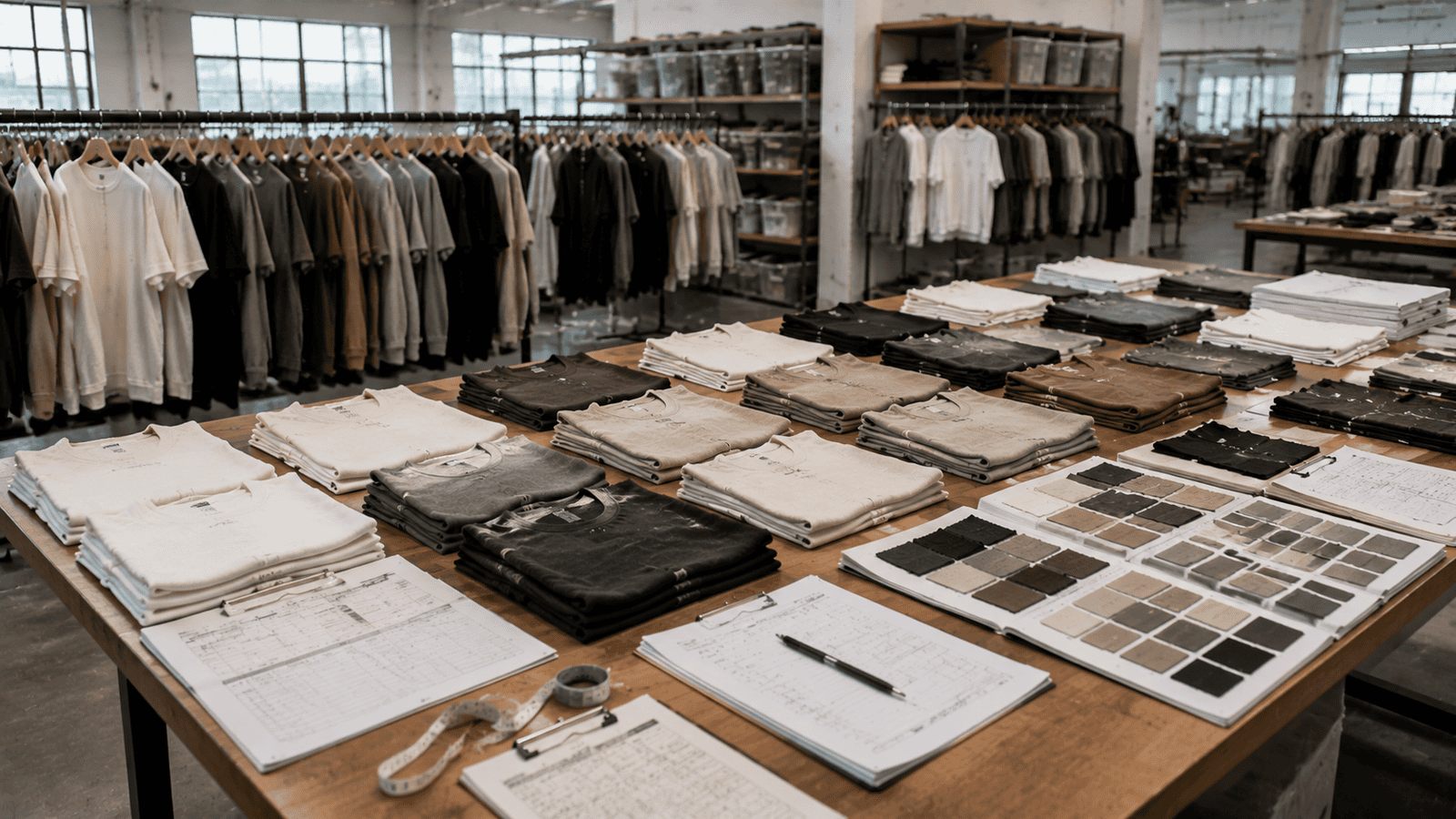
What makes a sustainable streetwear T-shirt manufacturer reliable in 2026?
What defines “sustainable manufacturing” today?
- Organic and recycled fabric sourcing
- Water-saving dyeing processes
- Low-carbon production systems
- Ethical labor compliance
Why reliability matters more than price
- Reduces production risk for startups
- Ensures consistent bulk quality
- Builds long-term brand stability
How OEM systems ensure sustainability
A structured OEM services workflow ensures traceability from fabric to final packaging.
How does Low MOQ benefit startup streetwear brands?
What is considered Low MOQ in 2026?
- 50–100 pcs per style (startup level)
- 100–300 pcs per style (growth stage)
- 500+ pcs (wholesale scale)
Why Low MOQ is important
- Reduces financial risk
- Enables market testing
- Prevents overproduction waste
Low MOQ comparison table
| MOQ Level | Brand Stage | Risk Level | Flexibility |
|---|---|---|---|
| 50–100 pcs | Startup | Low | High |
| 100–300 pcs | Growing Brand | Medium | Medium |
| 500+ pcs | Established Brand | High | Low |
What does private label manufacturing include?
What is private label streetwear production?
- Factory-prepared base styles
- Custom branding (labels, tags, packaging)
- Flexible color and fabric selection
- Faster production turnaround
Private label vs OEM difference
| Type | Customization Level | Cost | Lead Time |
|---|---|---|---|
| Private Label | Medium | Lower | Faster |
| OEM | High | Higher | Longer |
Where private label fits in your brand
Explore full solutions via custom streetwear manufacturer.
How does fabric selection impact sustainability and quality?
Most sustainable fabrics for streetwear
- Organic cotton (premium standard)
- Recycled cotton blends
- Recycled polyester fabrics
- Bamboo fiber textiles
GSM impact on product positioning
- 180–220 GSM: lightweight summer tees
- 240–280 GSM: daily streetwear fit
- 300–400 GSM: heavyweight luxury streetwear
Fabric structure comparison
| Fabric | Sustainability | Comfort | Durability |
|---|---|---|---|
| Organic Cotton | High | High | Medium |
| Recycled Cotton | High | Medium | Medium |
| Recycled Polyester | Medium | Medium | High |
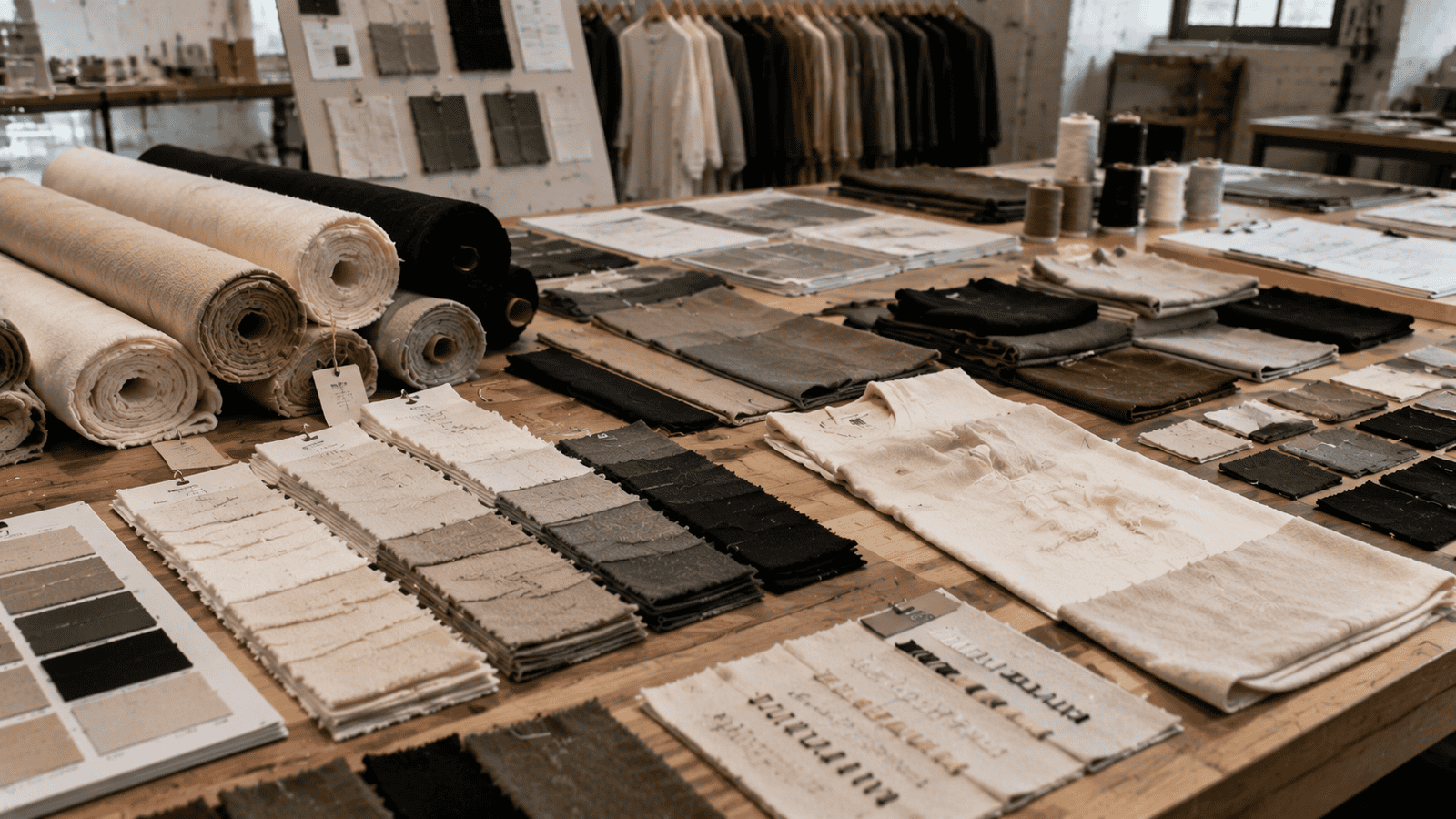
How important is transparency in manufacturing?
What transparency includes
- Fabric sourcing documentation
- Sample-to-bulk consistency reports
- Quality inspection records
- Production timeline visibility
Why transparency builds trust
- Prevents material substitution issues
- Ensures consistent bulk production
- Improves brand credibility
Transparency in full production systems
A reliable custom streetwear manufacturer always provides full visibility from sampling to shipment.
What role does ethical production play in sustainability?
What defines responsible manufacturing?
- Fair labor conditions
- Safe factory environment
- No child or forced labor
- Certified audits (BSCI / SEDEX)
Why ethical production affects brand success
- Required by global retailers
- Impacts brand reputation
- Supports long-term partnerships
Sustainability includes people
Responsible manufacturing ensures sustainability is not only environmental but also human-centered.
How does product range affect manufacturer capability?
Why multi-category production matters
A strong supplier should support full streetwear collections:
- T-shirts & tank tops
- Hoodies & sweatshirts
- Jackets & outerwear
- Pants, shorts & sets
Product capability table
| Category | Example Product | Market Use |
|---|---|---|
| Tops | T-shirts / Tanks | Core streetwear |
| Outerwear | Hoodies / Jackets | Seasonal fashion |
| Bottoms | Pants / Shorts | Lifestyle wear |
| Sets | Matching sets | Premium branding |
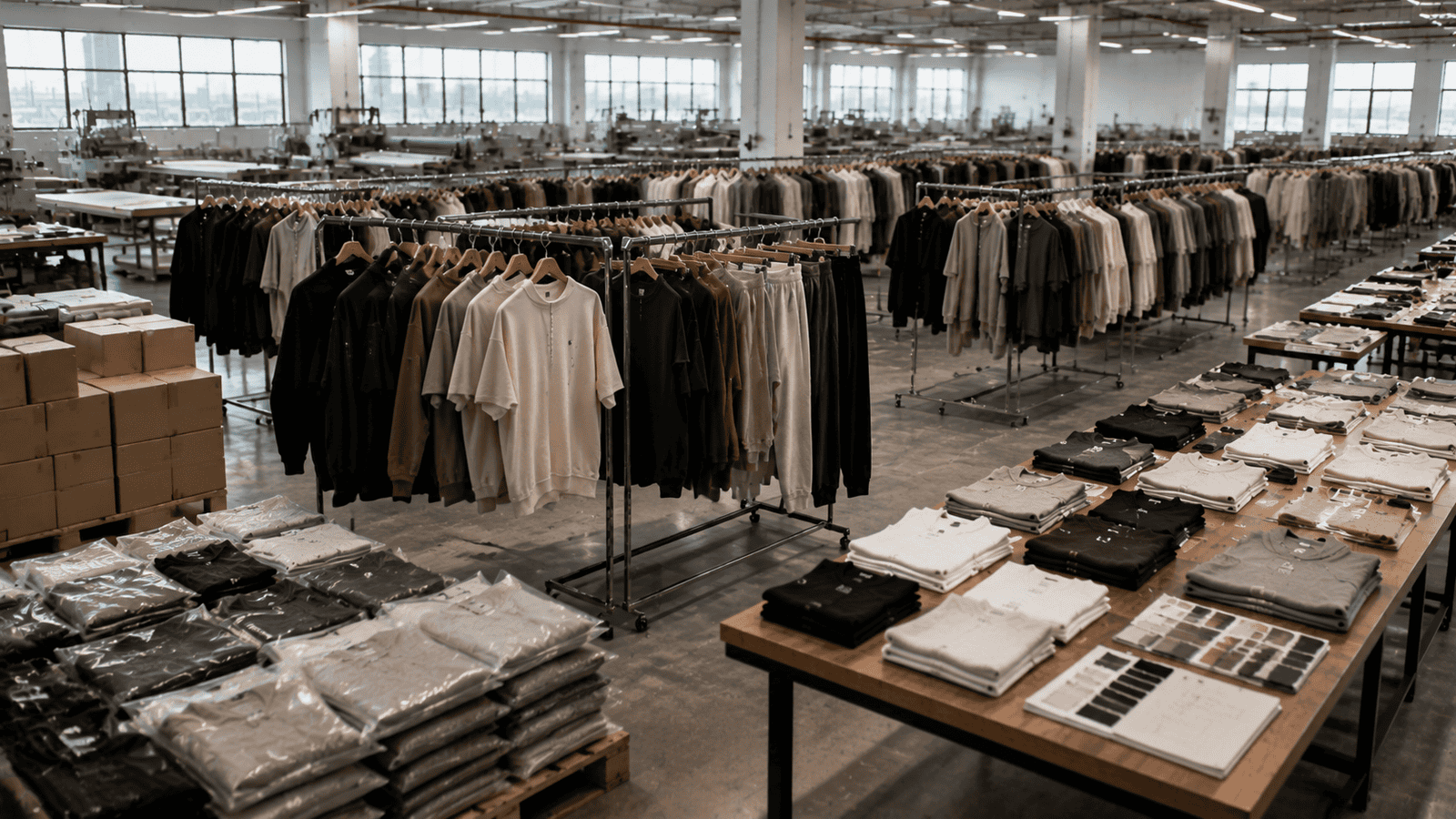
How does scalability define long-term manufacturer reliability?
What scalability means in 2026
- Stable quality across large orders
- Fast sampling-to-bulk transition
- Flexible production scheduling
Why scalability matters for brands
- Supports global expansion
- Reduces supply chain disruption
- Enables seasonal drops and collections
Product expansion support links
- Streetwear hoodie manufacturer
- Streetwear sweatshirt manufacturer
- Streetwear jacket manufacturer
- Streetwear pants manufacturer
- Streetwear shorts manufacturer
- Streetwear sets manufacturer
- Streetwear denim apparel manufacturer
Final insight: what makes a manufacturer truly reliable?
A reliable sustainable streetwear T-shirt manufacturer in 2026 is defined by:
- Low MOQ flexibility
- Ethical and certified production
- Transparent supply chain
- Strong OEM/private label systems
-
Scalable multi-category capability
Start here: Ohsure Apparel