
Choosing between a streetwear manufacturer and a supplier is one of the most critical decisions when launching or scaling your clothing brand. This guide will break down the differences, pros & cons, and help you decide which partner fits your business model.
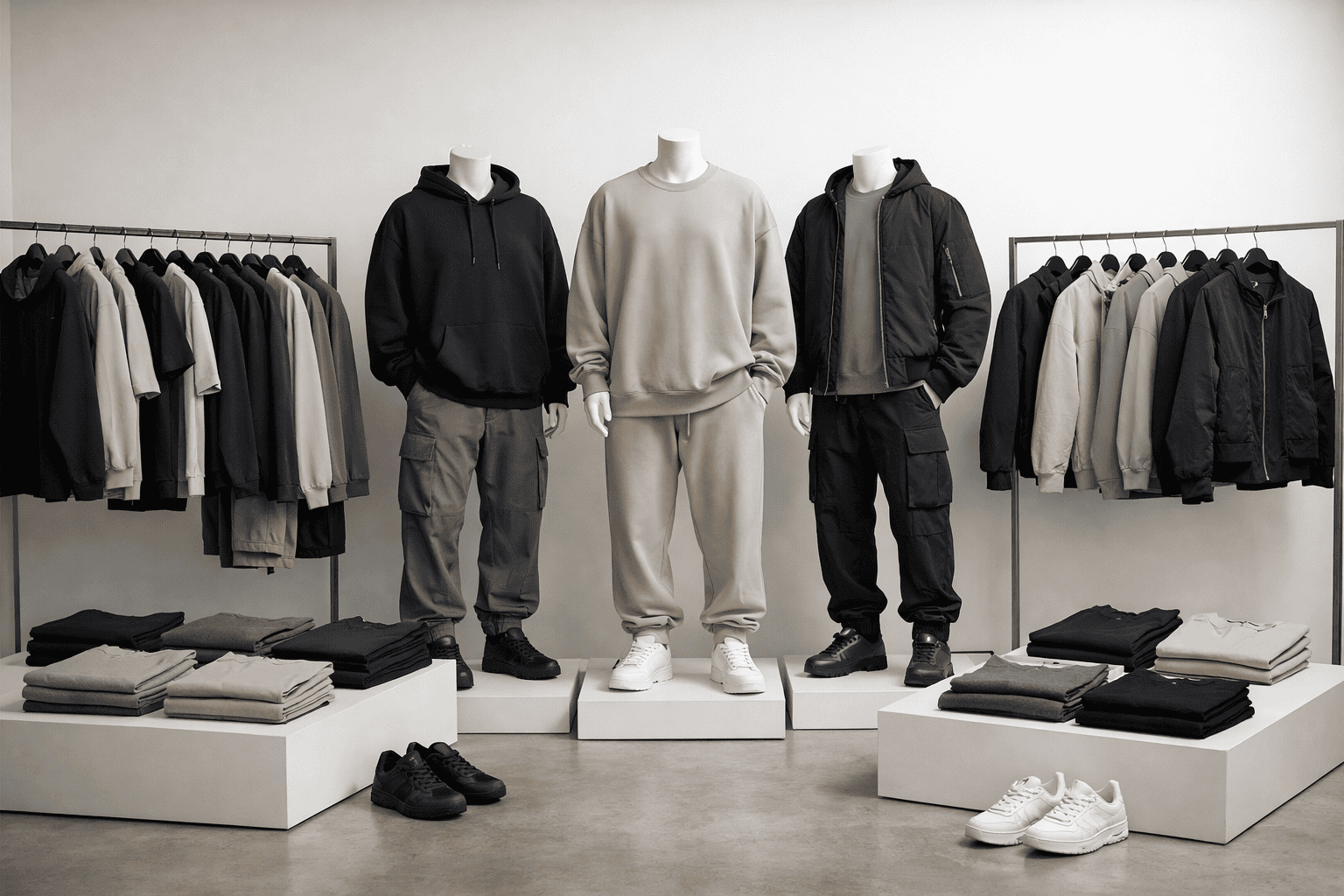
What Is a Streetwear Manufacturer?
Definition of a Manufacturer
A streetwear manufacturer is a factory that produces garments from scratch based on your design, tech pack, or concept.
Key Capabilities
- Custom design (OEM/ODM)
- Fabric sourcing & development
- Sampling & bulk production
- Quality control & packaging
👉 Explore full services: OEM Clothing Services
What Is a Streetwear Supplier?
Definition of a Supplier
A supplier provides ready-made clothing products that you can resell, often with minimal customization.
Common Supplier Models
- Wholesale bulk buying
- Dropshipping
- Private label (limited customization)
👉 Browse available products: Streetwear Products
What Are the Key Differences Between Manufacturer and Supplier?
Comparison Table
| Feature | Manufacturer | Supplier |
|---|---|---|
| Customization | Full (design to production) | Limited |
| MOQ | Medium (50–300 pcs) | Low or none |
| Branding | Fully customizable | Basic logo only |
| Cost per Unit | Lower (bulk) | Higher |
| Lead Time | 20–35 days | Fast (in-stock) |
| Control | High | Low |
| Suitable For | Brands & startups | Resellers |
Which One Is Better for Streetwear Startups?
When to Choose a Manufacturer
- You want to build your own brand
- You need unique designs
- You care about long-term scaling
👉 Example: Custom Streetwear Hoodie Manufacturer
When to Choose a Supplier
- You want fast market entry
- You test products with low risk
- You don’t need deep customization
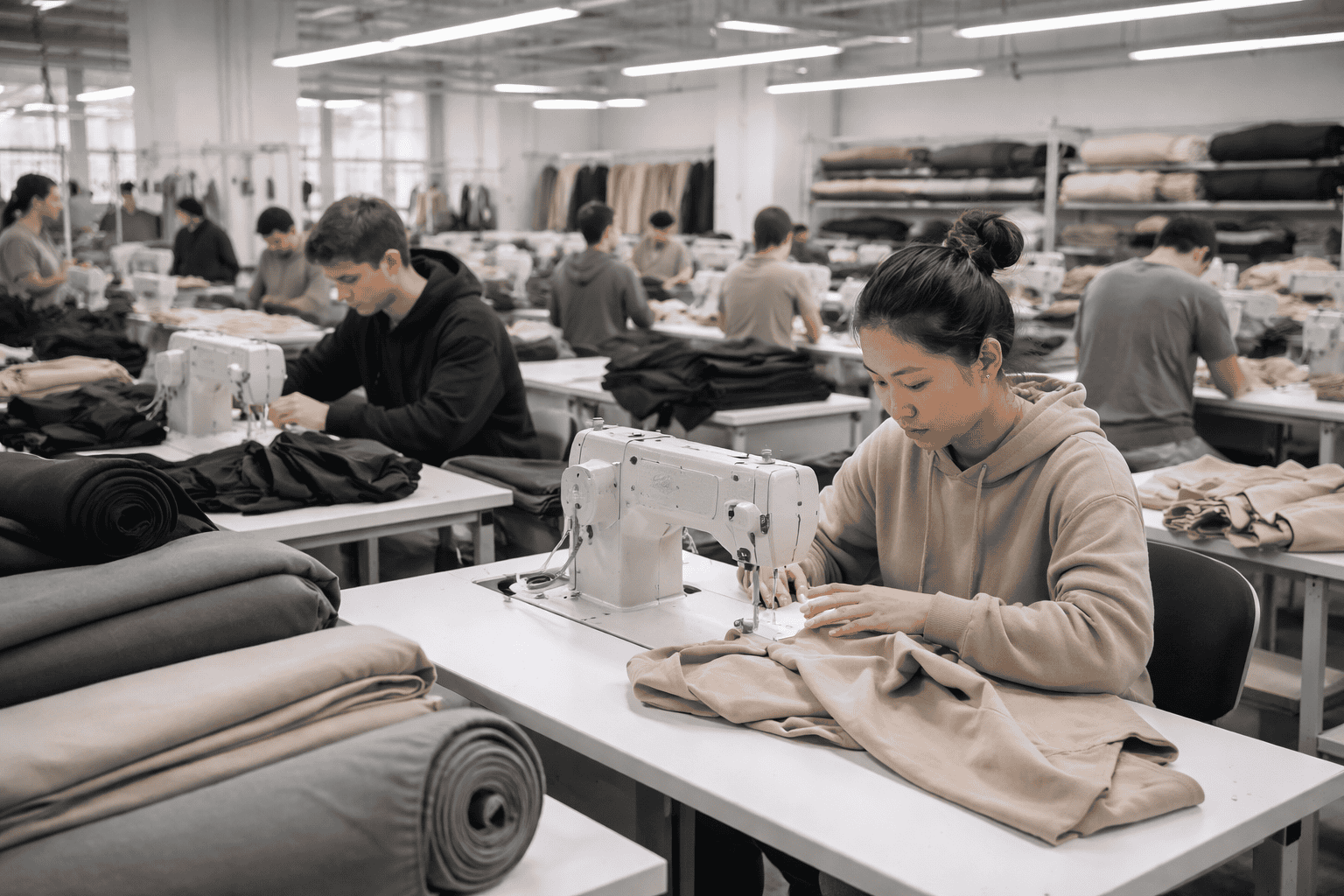
How Does the Production Process Differ?
Manufacturer Workflow
- Design submission
- Sample development (7–10 days)
- Fabric approval
- Bulk production (20–35 days)
- Quality inspection
👉 Learn more: Custom T-Shirt Manufacturer
Supplier Workflow
- Choose product catalog
- Place order
- Ship immediately
What Are the Cost Differences?
Manufacturer Costs Breakdown
- Sampling fee
- Bulk production cost
- Shipping (DDP/FOB/EXW)
Supplier Costs Breakdown
- Higher unit price
- Lower upfront investment
- Less customization cost
How Do MOQ and Lead Time Compare?
Manufacturer MOQ & Timeline
- MOQ: 100 pcs/style
- Sampling: 7–10 days
- Bulk: 20–35 days
👉 Related product: Streetwear Sweatshirt Manufacturer
Supplier MOQ & Timeline
- MOQ: 1–10 pcs
- Shipping: 3–10 days
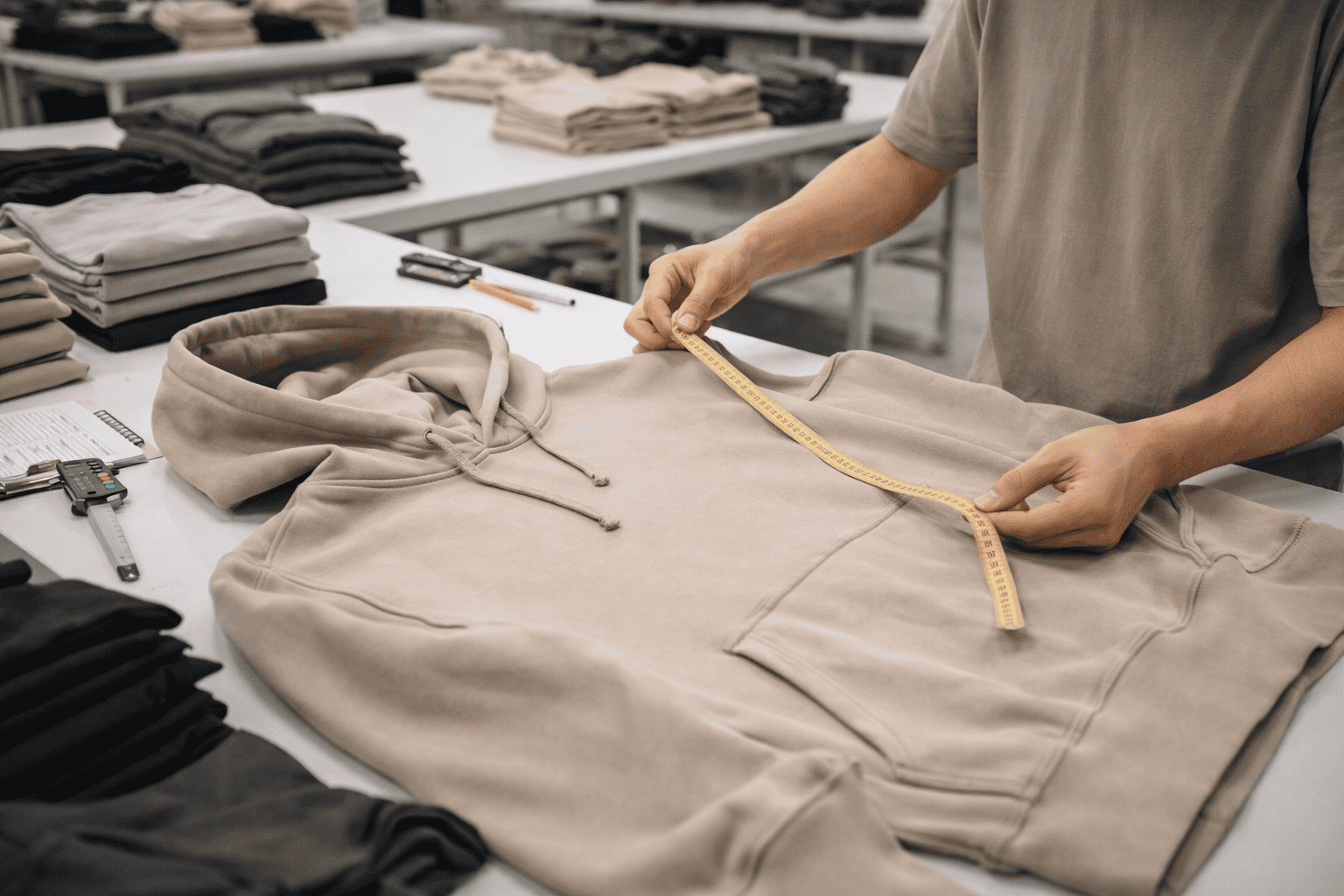
How Does Quality Control Differ?
Manufacturer Quality Control
- Fabric inspection
- In-line production QC
- Final inspection before shipment
👉 Example product: Streetwear Jacket Manufacturer
Supplier Quality Control
- Limited control
- Depends on supplier standards
What Level of Customization Can You Expect?
Manufacturer Customization Options
- Logo (print, embroidery, silicone)
- Fabric & colors
- Labels & hangtags
- Packaging
👉 More categories:
Supplier Customization Options
- Logo placement only
- Limited color options
When Should You Switch from Supplier to Manufacturer?
Signs You Need a Manufacturer
- You want brand differentiation
- Your sales volume increases
- You need better margins
👉 Explore more: Streetwear Tank Top Manufacturer
How to Choose the Right Partner for Your Brand?
Key Factors to Consider
- Experience & factory capability
- Communication & responsiveness
- Sampling quality
- Delivery reliability
👉 Trusted partner: Ohsure Apparel
FAQ: Manufacturer vs Supplier
Is a manufacturer more expensive?
Not necessarily. While upfront costs are higher, bulk pricing reduces long-term cost.
Can I start with a supplier and switch later?
Yes, many brands validate products with suppliers before moving to manufacturers.
Which option is better for branding?
Manufacturers offer full control over branding and product development.
Conclusion: Which One Do You Really Need?
- Choose a supplier if you want speed and low risk
- Choose a manufacturer if you want to build a real brand
For long-term growth, working with a professional manufacturer like Ohsure Apparel gives you better control, quality, and scalability.