
Finding the right streetwear manufacturer is one of the most important steps when building a clothing brand. Whether you are launching a startup label or scaling an existing fashion business, understanding manufacturing costs, MOQ requirements, production timelines, and customization options can help you avoid expensive mistakes.
Many brands struggle with unclear pricing, delayed production, inconsistent quality, and communication problems because they do not fully understand how apparel manufacturing works.
In this guide, we’ll explain everything you should expect from a professional streetwear manufacturer in 2026 — including costs, production stages, MOQ, customization services, and quality control.
What Does a Streetwear Manufacturer Actually Do?
What Services Does a Streetwear Manufacturer Provide?
A professional streetwear manufacturer does much more than simply sewing garments.
Most OEM manufacturers provide:
- Fabric sourcing
- Pattern making
- Sampling
- Bulk production
- Printing & embroidery
- Washing processes
- Private label branding
- Packaging
- Quality control
- Global shipping support
Explore professional OEM services here:
What Products Can Be Manufactured?
Most experienced manufacturers can produce:
| Product Category | Common Styles |
|---|---|
| T-Shirts | Oversized, heavyweight, graphic tees |
| Hoodies | Pullover, zip-up, washed hoodies |
| Sweatshirts | Crewneck, vintage wash |
| Jackets | Varsity, bomber, nylon jackets |
| Pants | Cargo pants, joggers |
| Shorts | Mesh shorts, fleece shorts |
| Denim | Washed jeans, denim jackets |
| Matching Sets | Hoodie & jogger sets |
Explore product categories:
Streetwear Hoodie Manufacturer
Streetwear Jacket Manufacturer
Streetwear Pants Manufacturer
Why Is Streetwear Manufacturing Different From Basic Apparel?
Streetwear production often includes:
- Heavyweight fabrics
- Oversized fits
- Puff printing
- Vintage washing
- Premium embroidery
- Unique garment treatments
This requires manufacturers with real streetwear experience.
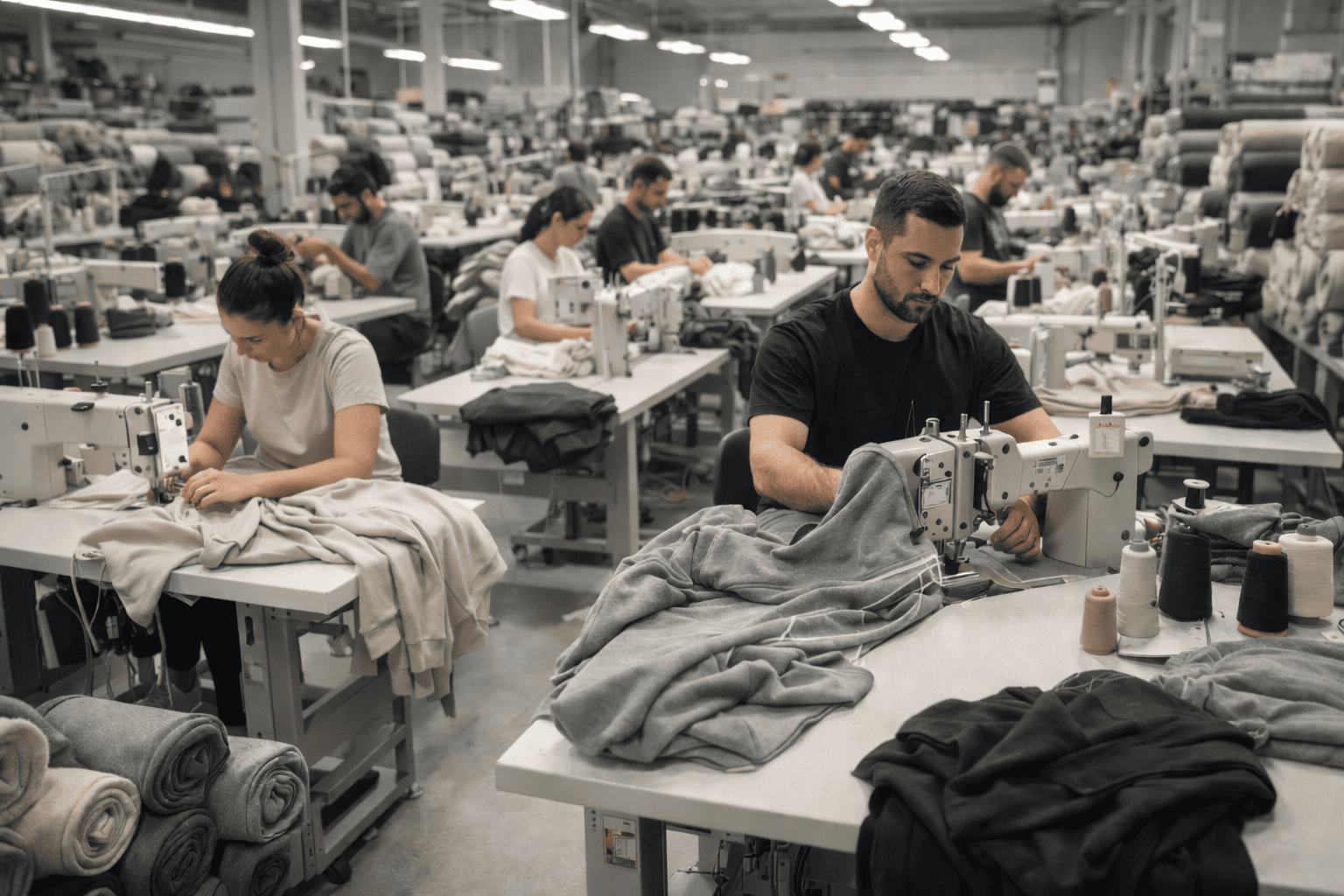
How Much Does Streetwear Manufacturing Cost?
What Factors Affect Manufacturing Cost?
Streetwear manufacturing costs depend on multiple factors:
- Fabric quality
- Garment complexity
- Printing methods
- Embroidery
- Washing effects
- MOQ quantity
- Packaging requirements
Why Do Heavyweight Garments Cost More?
Heavyweight streetwear usually requires:
- More fabric usage
- Higher GSM materials
- Stronger stitching
- More washing processes
Typical Cost Influencing Factors
| Cost Factor | Impact on Pricing |
|---|---|
| Fabric GSM | Higher GSM = higher cost |
| Puff Print | More expensive than basic print |
| Embroidery | Increases labor cost |
| Vintage Wash | Adds processing cost |
| Low MOQ | Higher cost per piece |
| Custom Packaging | Additional branding cost |
Explore custom apparel options:
Custom T-Shirts Manufacturer
Streetwear Sweatshirt Manufacturer
What Is MOQ and Why Does It Matter?
What Does MOQ Mean?
MOQ stands for Minimum Order Quantity.
It refers to the smallest quantity a manufacturer accepts for production.
Why Do Manufacturers Require MOQ?
Factories need MOQ because production setup involves:
- Fabric sourcing
- Machine preparation
- Pattern making
- Labor allocation
- Printing setup
Small orders increase production inefficiency.
Typical MOQ for Streetwear Products
| Product Type | Common MOQ |
|---|---|
| T-Shirts | 50–100 pcs |
| Hoodies | 50–100 pcs |
| Sweatshirts | 50–100 pcs |
| Shorts | 50–100 pcs |
| Jackets | 100–200 pcs |
| Denim Apparel | 150–300 pcs |
Explore additional product categories:
Streetwear Shorts Manufacturer
Streetwear Denim Apparel Manufacturer
What Does the Streetwear Production Process Look Like?
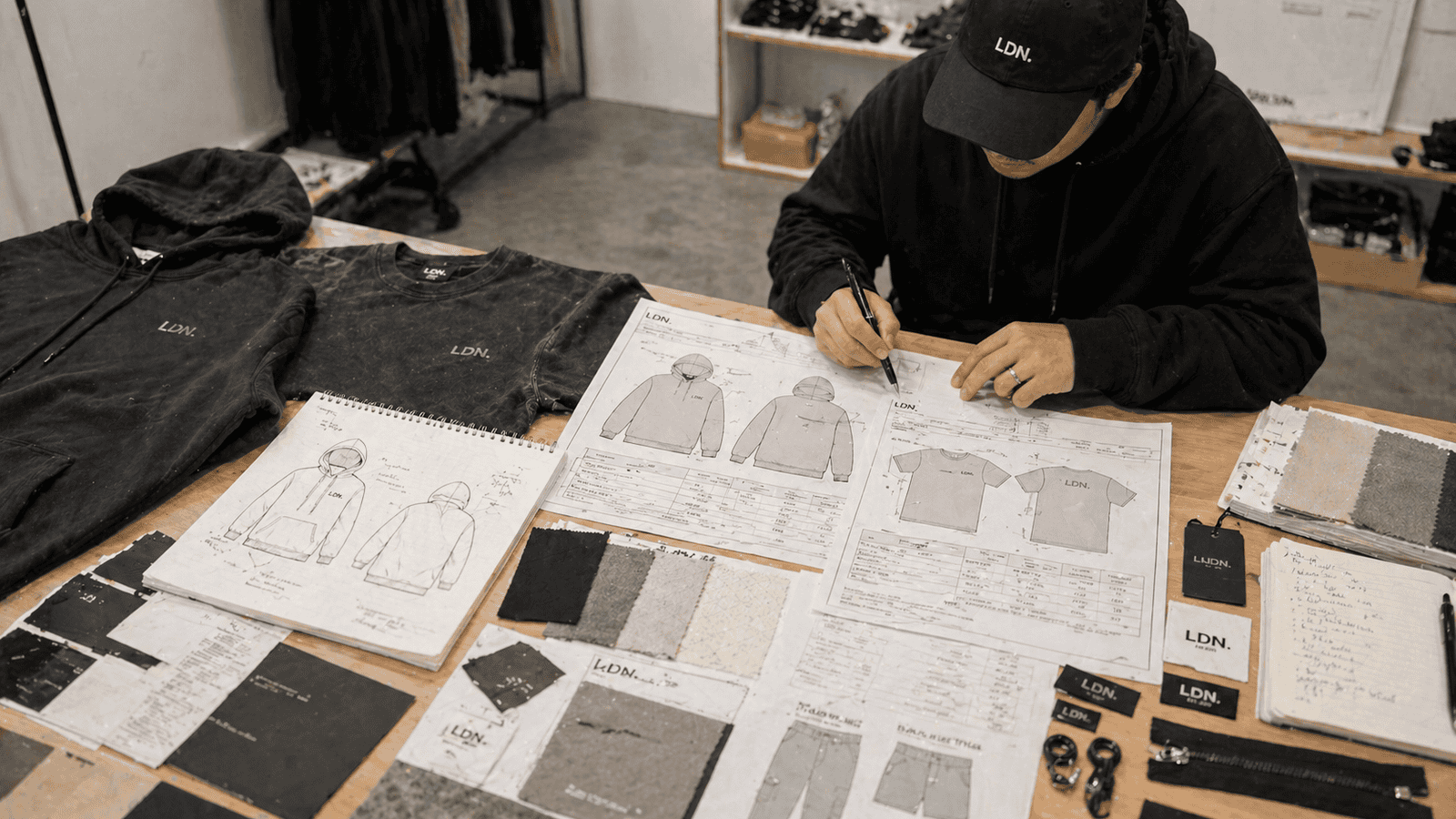
Step 1 — Tech Pack & Design Review
Production usually starts with:
- Design sketches
- Measurements
- Logo placement
- Fabric requirements
- Color references
Clear tech packs reduce production mistakes.
Step 2 — Fabric Sourcing & Sampling
Manufacturers source materials based on your requirements.
Sampling usually includes:
| Sampling Stage | Typical Timeline |
|---|---|
| Fabric sourcing | 2–5 days |
| Pattern making | 2–4 days |
| Sample sewing | 5–7 days |
| Revisions | 3–7 days |
Step 3 — Bulk Production & QC
After sample approval:
- Bulk fabric is prepared
- Cutting begins
- Sewing production starts
- Printing & embroidery are applied
- Washing & finishing completed
- Quality inspection performed
- Packing & shipping arranged
What Customization Options Should You Expect?
What Garment Details Can Be Customized?
Most OEM streetwear manufacturers support:
- Fabric selection
- Custom color dyeing
- Oversized fits
- Boxy cuts
- Rib customization
- Distressed effects
- Vintage washing
Which Logo Techniques Are Most Popular?
| Logo Technique | Popular Use |
|---|---|
| Screen Printing | Graphic tees |
| Puff Print | Streetwear logos |
| Embroidery | Premium branding |
| DTG Printing | Detailed artwork |
| Reflective Print | Utility fashion |
| Silicone Print | Modern technical styles |
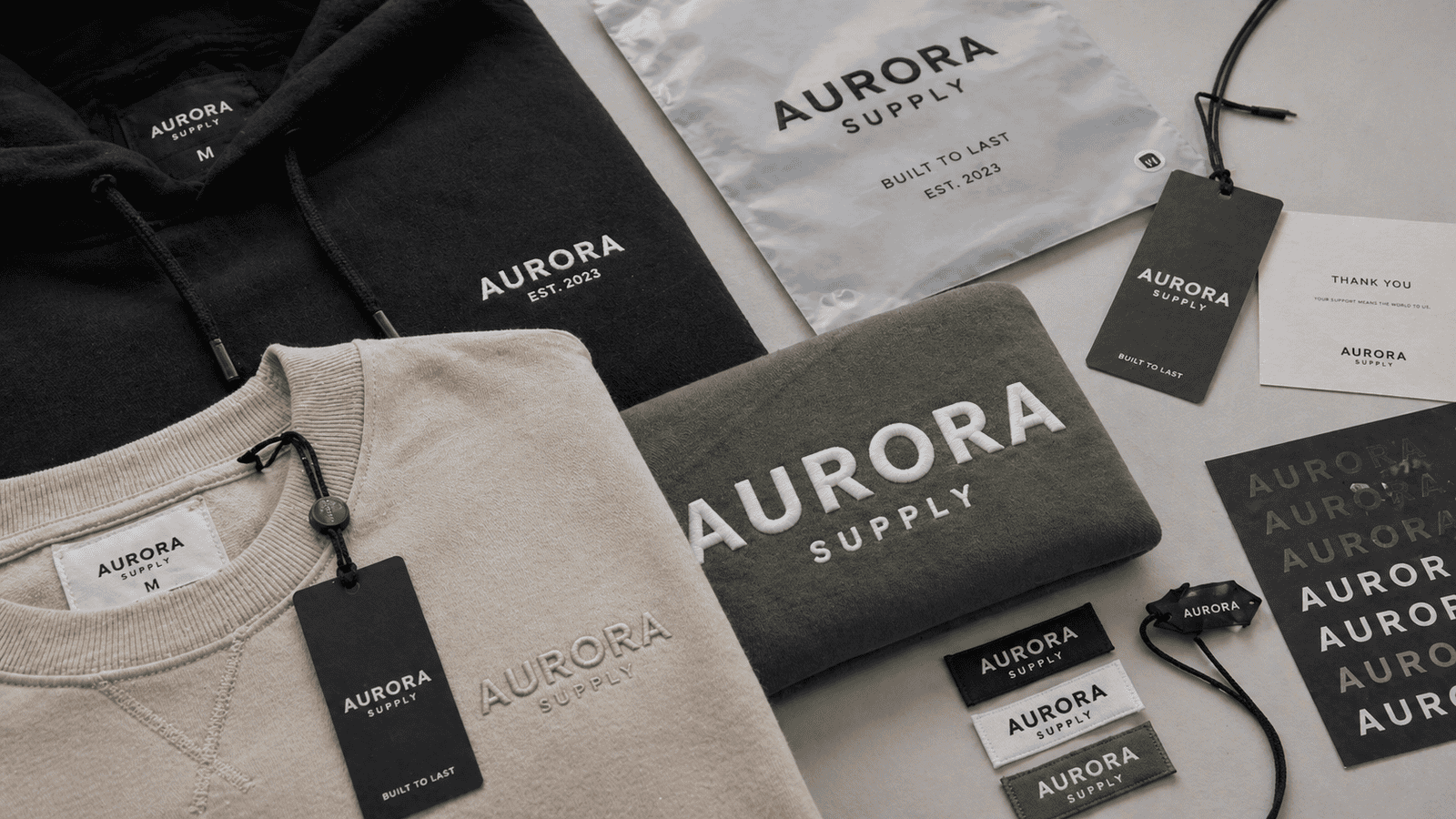
What Private Label Services Are Available?
Manufacturers often provide:
- Woven neck labels
- Printed care labels
- Hang tags
- Packaging bags
- Custom boxes
Explore more customization products:
Streetwear Tank Top Manufacturer
Streetwear Sets Manufacturer
How Long Does Streetwear Production Usually Take?
What Is the Typical Sampling Timeline?
Most professional manufacturers complete samples within:
- 7–10 working days
How Long Does Bulk Production Take?
Bulk production generally takes:
| Production Stage | Estimated Timeline |
|---|---|
| Fabric preparation | 5–10 days |
| Bulk sewing | 10–20 days |
| Washing & finishing | 3–7 days |
| QC & packing | 2–5 days |
Typical total production time:
- 25–35 days
What Causes Production Delays?
Common reasons include:
- Fabric shortages
- Sample revisions
- Printing delays
- Incomplete approvals
- Peak season factory overload
Why Is Quality Control So Important?
What Problems Happen Without QC?
Weak QC can cause:
- Size inconsistencies
- Loose stitching
- Wrong logo placement
- Color differences
- Fabric defects
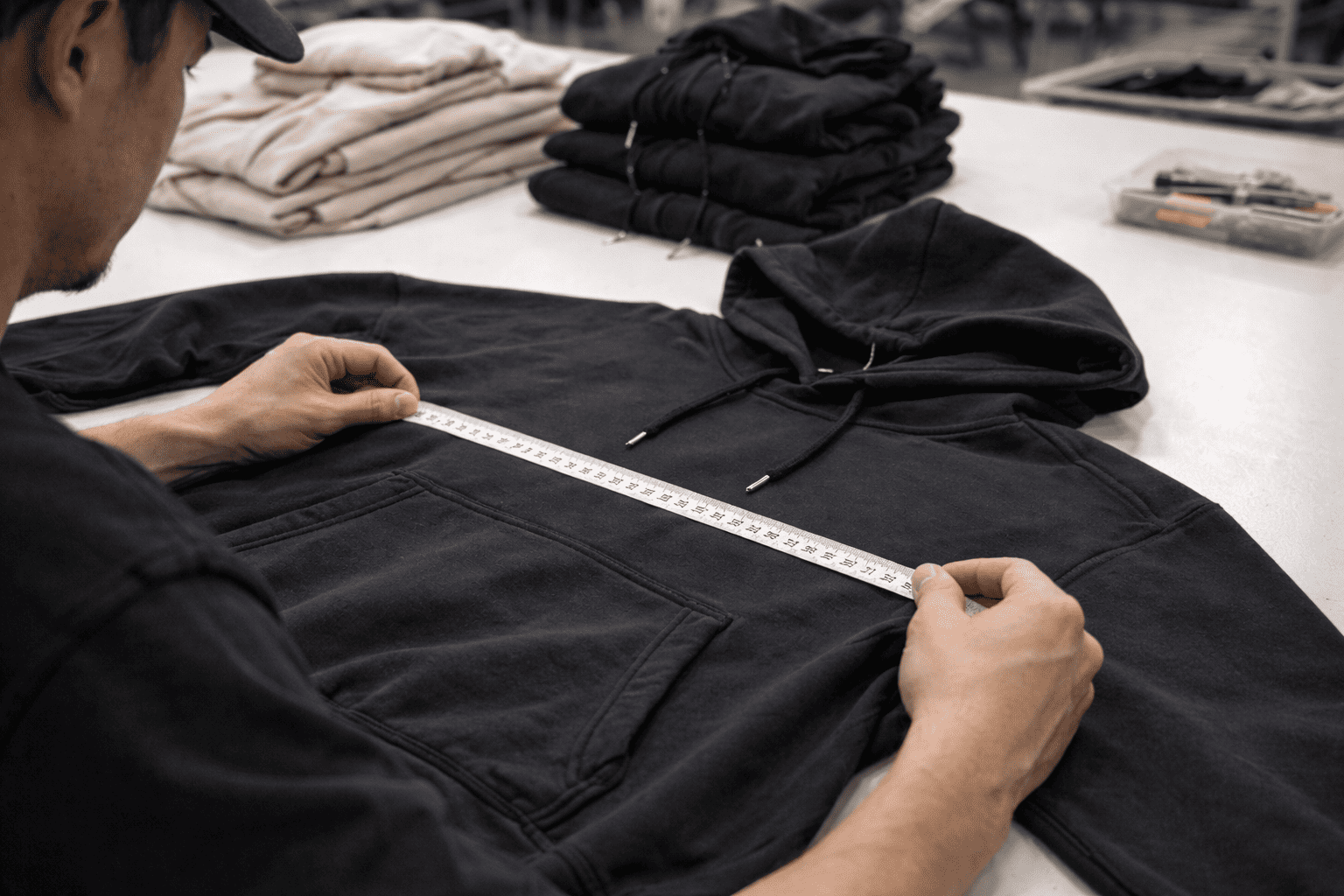
What Should a Good QC Process Include?
Professional QC usually includes:
| QC Stage | Inspection Focus |
|---|---|
| Fabric Inspection | GSM, shrinkage, color |
| In-Line QC | Sewing quality |
| Final Inspection | Measurements & logos |
| Packing Inspection | Labels & packaging |
Why Does QC Protect Your Brand?
Consistent quality helps:
- Reduce returns
- Improve customer trust
- Build long-term reputation
- Increase repeat purchases
Should You Manufacture Streetwear in China?
Why Is China Still Popular for Streetwear Manufacturing?
China offers:
- Mature supply chains
- Advanced customization
- Skilled garment workers
- Better fabric sourcing
- Competitive pricing
What Are the Main Risks?
Potential risks include:
- Poor communication
- Inconsistent suppliers
- Delayed timelines
- Hidden outsourcing
How Can You Find Reliable Manufacturers?
You should verify:
- Real factory photos/videos
- Product specialization
- Communication quality
- Sampling capability
- QC systems
- Production experience
Learn more here:
Ohsure Apparel
Streetwear Products
Custom Streetwear Manufacturer
What Should You Expect Before Starting Production?
What Information Should You Prepare?
Before contacting manufacturers, prepare:
- Tech pack
- Logo files
- Size chart
- Fabric ideas
- Color references
- Quantity estimates
What Questions Should You Ask Manufacturers?
Ask about:
- MOQ
- Sampling timeline
- Bulk production time
- QC process
- Shipping methods
- Payment terms
Why Is Communication Important?
Clear communication helps prevent:
- Production mistakes
- Wrong measurements
- Delayed timelines
- Branding errors
Reliable manufacturers usually assign dedicated merchandisers for smoother coordination.
Final Thoughts — What Should You Expect From a Professional Streetwear Manufacturer?
A professional streetwear manufacturer should offer much more than simple garment production.
They should help brands with:
- Product development
- Fabric sourcing
- Sampling
- Private label customization
- Bulk production
- Quality control
- Global shipping
Understanding costs, MOQ, production timelines, and customization options helps brands make smarter sourcing decisions and avoid expensive manufacturing mistakes.
Choosing the right manufacturing partner can directly impact product quality, customer satisfaction, and long-term brand growth.
Explore professional streetwear manufacturing solutions here:
Custom Streetwear Manufacturer
OEM Streetwear Services
Streetwear Products