
Streetwear fashion T-shirts are the foundation of modern clothing brands. With heavyweight fabrics, oversized fits, and advanced custom printing, they define today’s global streetwear identity and brand positioning.

What defines a professional streetwear fashion T-shirt manufacturer?
Core manufacturing capabilities
A reliable factory should provide:
- OEM & ODM development support
- Stable fabric sourcing system
- Sampling and bulk production consistency
- Scalable manufacturing capacity
Why manufacturer selection impacts brand identity
It directly affects:
- Fabric quality
- Fit consistency
- Print durability
- Brand positioning
Factory vs trading company difference
- Factory: direct production, higher consistency
- Trading company: slower communication, higher risk
Internal links:
Why are heavyweight fabrics essential for streetwear T-shirts?
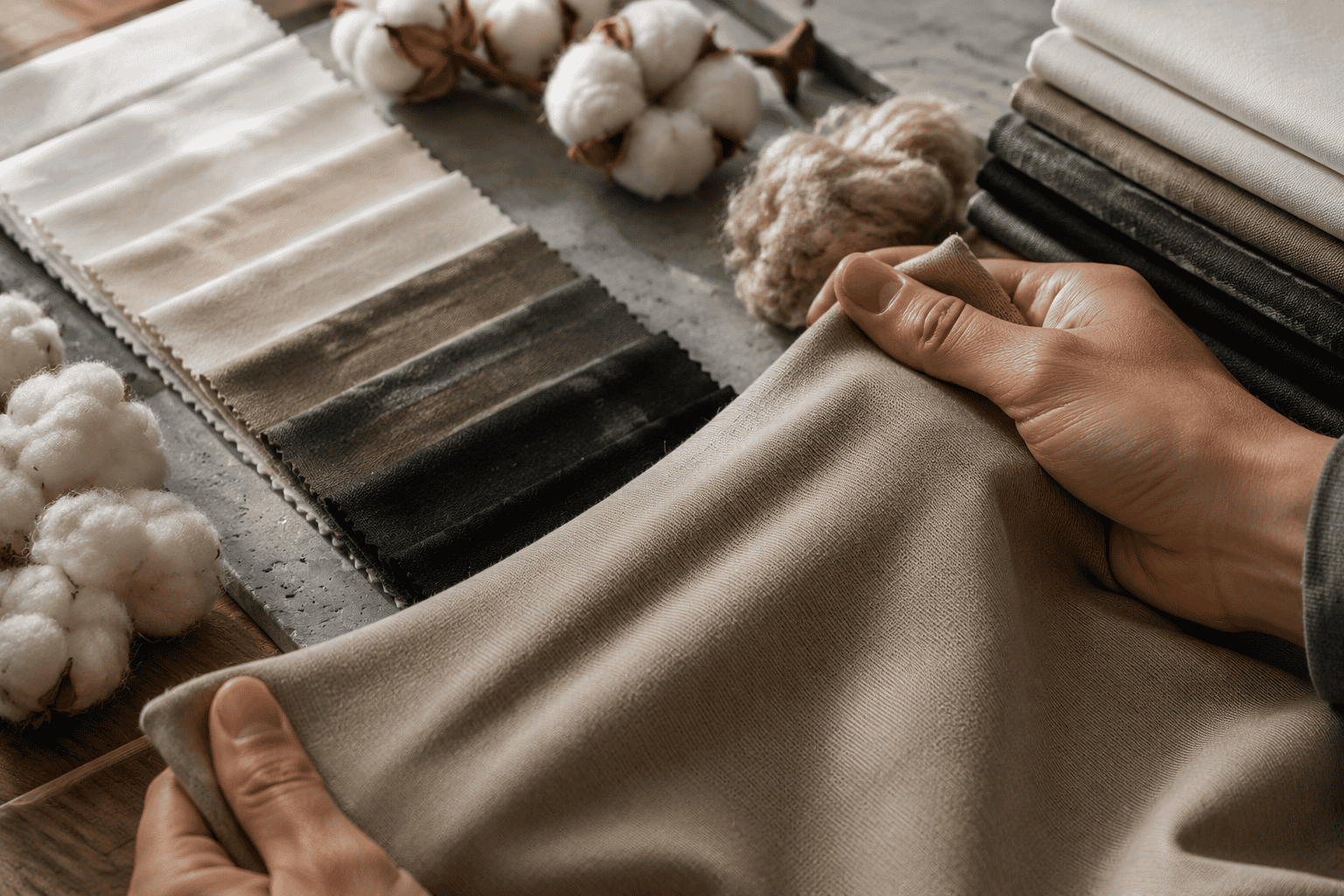
What is heavyweight cotton?
Typically 220–320gsm cotton used for:
- Premium structure
- Durable wear
- High-end streetwear positioning
GSM guide for streetwear brands
| GSM | Fabric Type | Market Position |
|---|---|---|
| 160–180gsm | Lightweight | Basic tees |
| 200–240gsm | Midweight | Daily streetwear |
| 260–320gsm | Heavyweight | Premium oversized fit |
Why fabric weight matters
It influences:
- Fit structure
- Durability
- Print quality
- Brand perception
How do oversized fits define modern streetwear fashion?
Oversized silhouette types
Common fits include:
- Boxy fit
- Drop shoulder
- Relaxed oversized cut
Pattern development importance
Proper fit requires:
- Balanced grading
- Shoulder alignment
- Sleeve proportion control
Why oversized fits are trending
They represent:
- Gender-neutral fashion
- Comfort-driven lifestyle
- Modern street culture identity
Internal links:
What custom printing techniques are used in streetwear fashion?
Core printing methods
- Screen printing
- DTG printing
- Puff print
- Embroidery
Advanced finishing effects
- Crack print
- Silicone print
- Vintage wash print
- 3D texture printing
Choosing the right printing method
Depends on:
- Fabric type
- Design complexity
- Brand positioning
What is the OEM production process for streetwear fashion T-shirts?
Step 1: Tech pack confirmation
Design and specifications are finalized.
Step 2: Fabric sourcing and sampling
Fabric is tested for:
- Shrinkage
- Color accuracy
- GSM consistency
Step 3: Sample development
Lead time: 7–10 days
Step 4: Bulk production & QC system
- Fabric inspection
- Cutting & sewing
- Printing & finishing
- Final inspection
What is MOQ, pricing, and lead time in streetwear manufacturing?
Production overview
| Item | Specification |
|---|---|
| MOQ | 100 pcs per color |
| Sample time | 7–10 days |
| Bulk production | 25–35 days |
| Capacity | 1000 pcs/day |
Key cost factors
- Fabric GSM
- Printing complexity
- Packaging customization
- Order quantity
Why MOQ matters for startups
- Reduces financial risk
- Enables market testing
- Improves scalability
What product categories can a streetwear manufacturer produce?
Full product system coverage
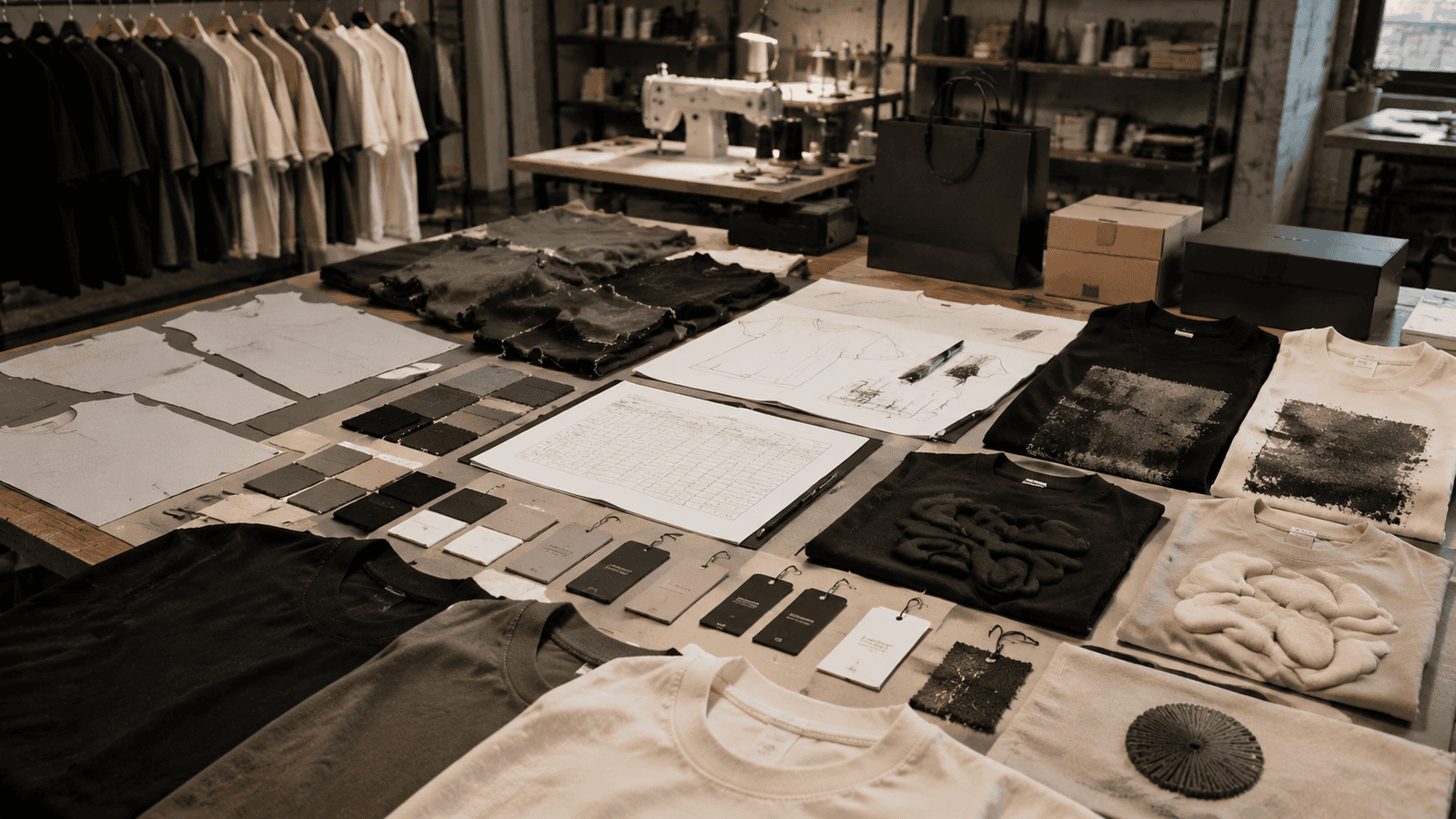
A professional factory can produce:
- T-shirts
- Hoodies & sweatshirts
- Jackets
- Pants & shorts
- Full streetwear sets
Internal links:
- Streetwear Pants Manufacturer
- Streetwear Shorts Manufacturer
- Streetwear Sets Manufacturer
- Streetwear Denim Apparel Manufacturer
How to choose the best streetwear fashion manufacturer in China?
Key evaluation checklist
- 10–15+ years experience
- OEM/ODM capability
- Stable QC system
- Fast communication
Red flags to avoid
- No sampling system
- No fabric transparency
- No production tracking
Final selection strategy
Focus on:
- Long-term partnership
- Quality consistency
- Scalable production capability
Internal links:
Conclusion
A streetwear fashion T-shirt manufacturer is not just a supplier—it is a long-term production partner that supports your brand with quality, consistency, and scalable manufacturing systems.