
Many clothing brands search for “streetwear clothing manufacturers near me” because they want faster communication, easier collaboration, and local production support.
However, before choosing a local streetwear manufacturer, brands should understand how production costs, MOQ requirements, and lead times actually work.
In this guide, we’ll explain what affects streetwear manufacturing costs, how MOQ policies work, typical lead times, and how local manufacturers compare with overseas OEM suppliers.
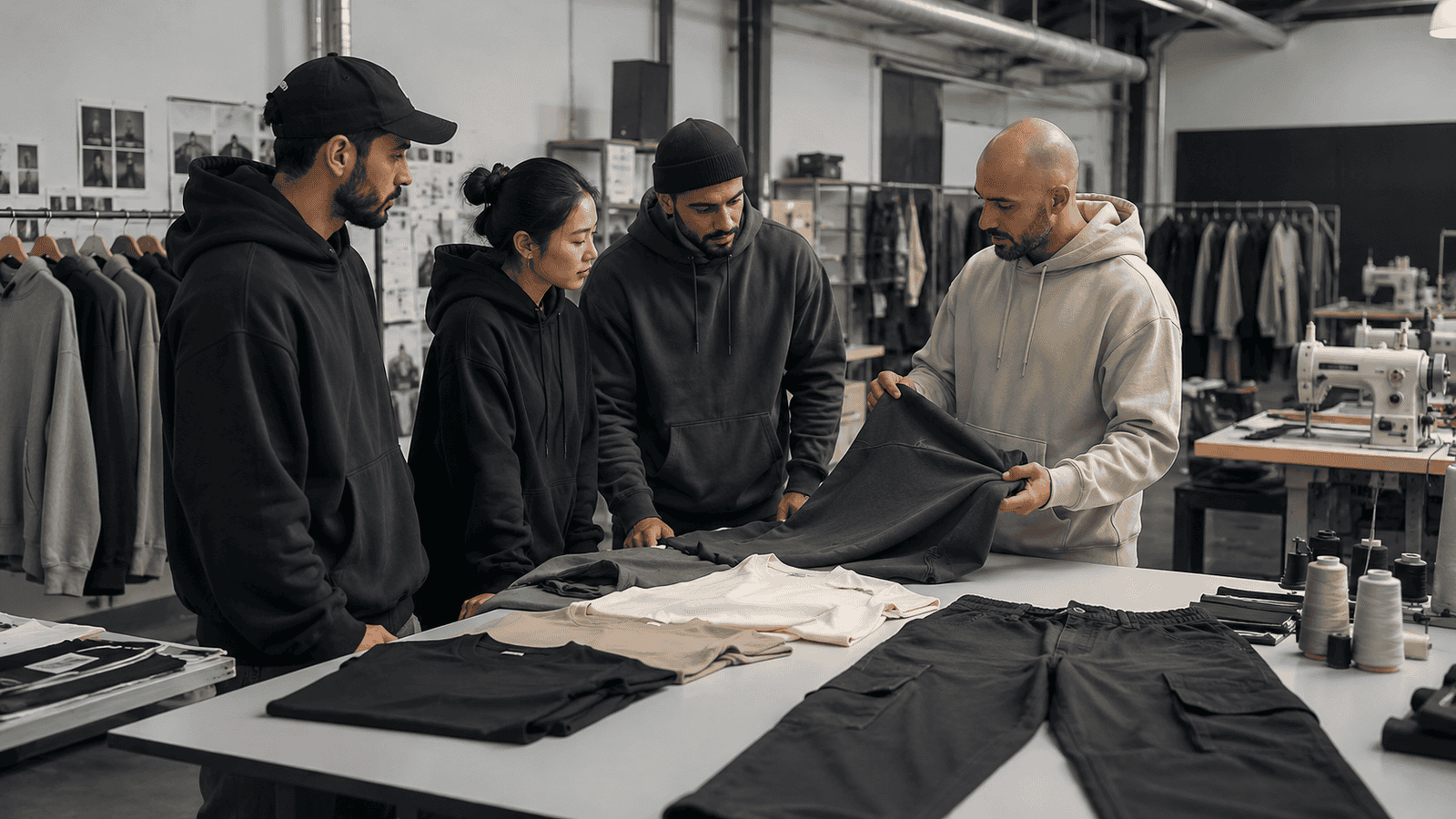
Why Do Brands Search for Local Streetwear Manufacturers?
Easier Communication
Working with nearby suppliers may improve:
- Meetings
- Sample reviews
- Production updates
- Revision efficiency
Faster Local Collaboration
Brands can often review products and solve problems more quickly with local factories.
Better Factory Visibility
Some brands prefer visiting factories to review:
- Equipment
- Workflow
- Quality standards
- Team organization
What Factors Affect Streetwear Manufacturing Costs?
Fabric Quality
Premium fabrics such as heavyweight cotton and French terry increase production costs.
Logo & Customization Techniques
Complex branding methods may increase pricing:
- Puff printing
- Embroidery
- Silicone logos
- Reflective printing
Garment Complexity
Oversized fits, garment dyeing, and vintage washing require more development and labor.
Typical Product Cost Table
| Product Type | Estimated Cost Range |
|---|---|
| T-Shirts | $6–15 |
| Hoodies | $15–35 |
| Sweatshirts | $14–30 |
| Jackets | $25–60 |
| Cargo Pants | $18–40 |
| Denim Products | $25–70 |
What Is MOQ in Streetwear Manufacturing?
Definition of MOQ
MOQ (Minimum Order Quantity) refers to the minimum number of garments required per production order.
Why Manufacturers Require MOQ
MOQ helps factories manage:
- Fabric sourcing
- Production setup
- Labor efficiency
- Cost control
Typical MOQ Comparison
| Factory Type | Typical MOQ |
|---|---|
| Startup-Friendly Factory | 50–100 pcs |
| Standard OEM Factory | 200–500 pcs |
| Large Production Factory | 500+ pcs |
Always Clarify MOQ Details
Confirm whether MOQ applies per:
- Style
- Color
- Size
- Total order quantity
What Lead Times Should Brands Expect?
Sample Development Lead Time
Most professional manufacturers require:
- 7–14 days for sample production
Bulk Production Lead Time
Typical production timelines:
- 20–45 days depending on complexity
What Affects Lead Time?
- Fabric availability
- Production capacity
- Order quantity
- Customization complexity
Lead Time Table
| Production Stage | Typical Timeline |
|---|---|
| Sample Development | 7–14 days |
| Sample Revision | 3–7 days |
| Bulk Production | 20–45 days |
| Final Inspection & Packing | 2–5 days |
What Products Should a Professional Streetwear Manufacturer Offer?
Full Streetwear Product Categories
Reliable manufacturers should support complete collection development including:
- Custom T-Shirts
- Streetwear Tank Tops
- Streetwear Hoodies
- Streetwear Sweatshirts
- Streetwear Jackets
- Streetwear Pants
- Streetwear Shorts
- Streetwear Sets
- Streetwear Denim Apparel
Browse all categories here:
👉 Streetwear Products
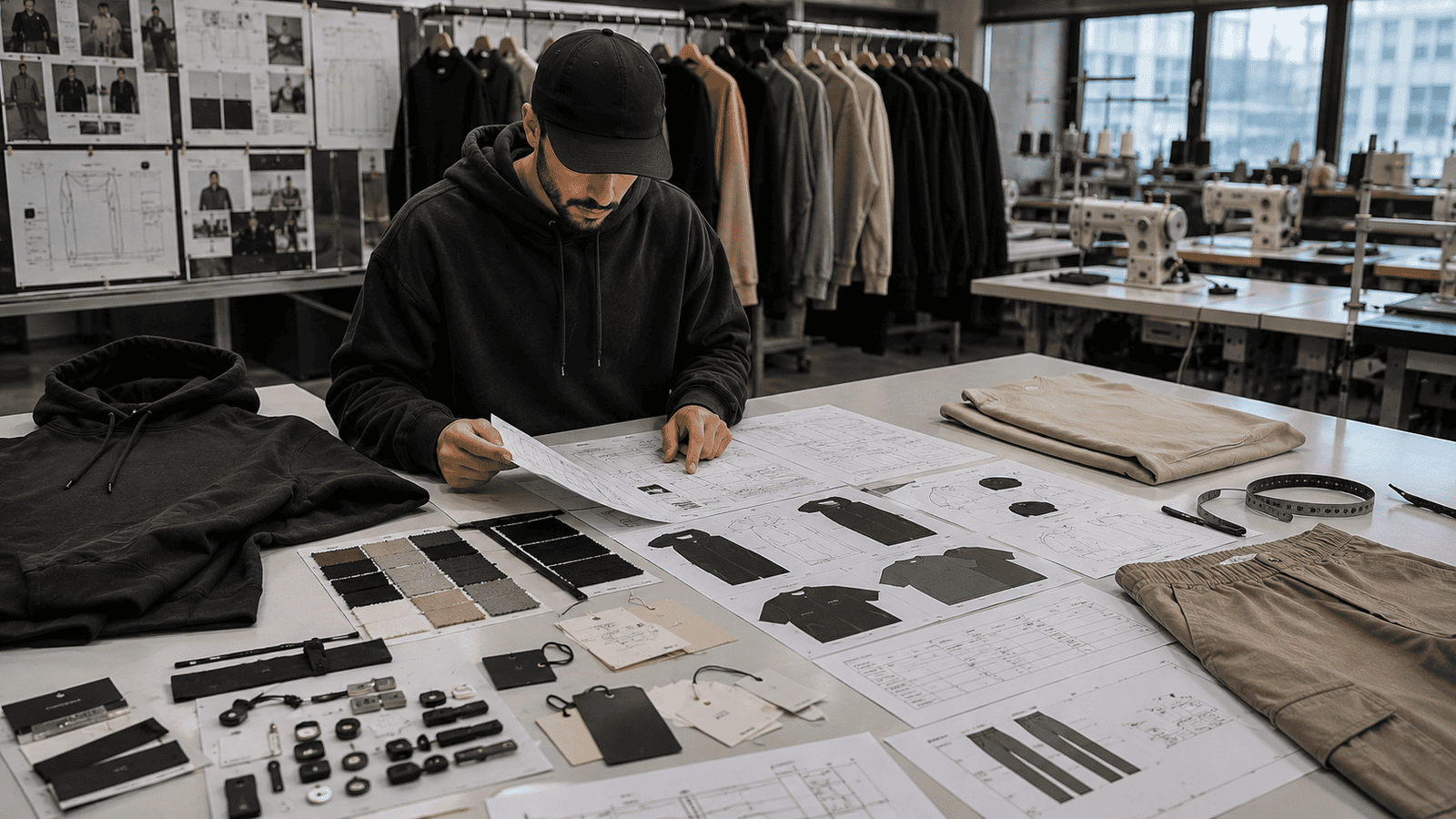
How Important Is Sampling & Product Development?
Sampling Reduces Production Risks
Professional samples help verify:
- Fit accuracy
- Fabric quality
- Printing quality
- Construction details
Streetwear Requires Specialized Development
Modern streetwear often includes:
- Oversized silhouettes
- Heavyweight fabrics
- Garment dyeing
- Graphic applications
Typical Development Workflow
- Design consultation
- Fabric sourcing
- Pattern making
- Sample production
- Revisions & approval
What Customization Options Should You Expect?
Popular Logo Techniques
Professional manufacturers should support:
- Screen Printing
- Puff Printing
- Embroidery
- Silicone Logos
- Reflective Printing
Garment Wash Techniques
- Acid Wash
- Vintage Wash
- Enzyme Wash
- Garment Dye
Private Label Services
Reliable factories should provide:
- Woven labels
- Printed neck labels
- Hang tags
- Custom packaging
Learn more here:
👉 Custom Streetwear Manufacturer
How Important Is Quality Control?
Quality Directly Affects Brand Reputation
Poor quality can lead to:
- Customer complaints
- Product returns
- Negative reviews
Reliable Manufacturers Should Implement
- Fabric inspection
- In-line QC
- Final garment inspection
- Packaging inspection
QC Workflow Table
| QC Stage | Purpose |
|---|---|
| Fabric Inspection | Prevent defects |
| Cutting Inspection | Ensure panel accuracy |
| In-Line QC | Monitor production quality |
| Final Inspection | Verify finished garments |
| Packing Inspection | Prevent shipping mistakes |
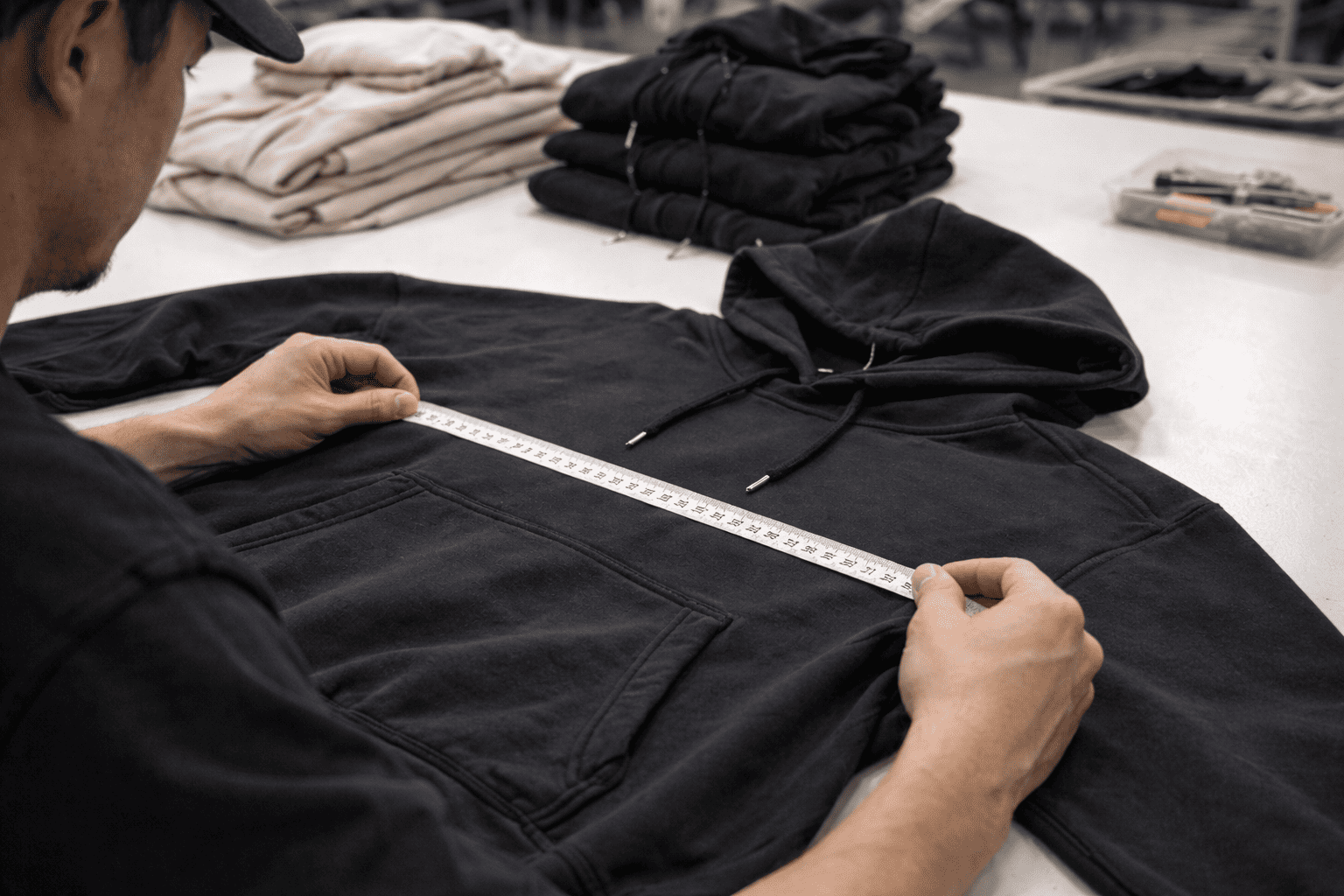
How Do Local Manufacturers Compare With Overseas OEM Suppliers?
Advantages of Local Factories
- Easier communication
- Faster sample revisions
- Local factory visits
Advantages of Overseas OEM Manufacturers
- Lower production costs
- Flexible MOQ
- Larger production capacity
- Full OEM services
Comparison Table
| Factor | Local Manufacturer | Overseas OEM Supplier |
|---|---|---|
| Cost | Higher | More competitive |
| MOQ | Medium–High | Flexible |
| Capacity | Moderate | High |
| Scalability | Moderate | Strong |
| Communication | Easier local collaboration | Structured online workflow |
| Customization | Strong | Full OEM capability |
What Mistakes Should Brands Avoid?
Choosing Only Based on Price
Extremely low prices often lead to quality issues and production risks.
Ignoring MOQ Details
Always confirm MOQ per style and color before production.
Skipping Sample Approval
Approved samples should become the production standard.
Overlooking Communication Quality
Poor communication can create delays and manufacturing mistakes.
Why Do Many Brands Choose Ohsure Apparel?
Professional OEM Streetwear Expertise
Ohsure Apparel supports global streetwear brands with full OEM manufacturing solutions.
Flexible MOQ for Startups & Growing Brands
Suitable for both small and scalable production.
Strong Product Development Workflow
Professional support from concept development to final shipment.
Full Product Categories
Including:
Conclusion: What Should You Know Before Choosing a Streetwear Manufacturer?
Before choosing a local streetwear clothing manufacturer, brands should understand:
- Production costs
- MOQ requirements
- Lead times
- Product development capability
- Quality control systems
- Long-term scalability
The best manufacturing partner should provide not only production support, but also help your brand grow with consistent quality and reliable communication.