
Private label streetwear t-shirts have become one of the most important products for startup and established fashion brands. From oversized heavyweight tees to garment-dyed luxury collections, modern streetwear requires more advanced product development than standard apparel manufacturing.
Before working with a Custom Streetwear Manufacturer, brands should understand how MOQ, production costs, sampling, fabric selection, printing, washing, and quality control affect the final product.
This guide explains everything brands need to know about private label streetwear t-shirt manufacturing costs and production processes in 2026.
What Does a Private Label Streetwear Manufacturer Actually Do?
A private label manufacturer helps brands develop fully customized products instead of using generic blank garments.
What Services Are Included?
A professional manufacturer usually provides:
- Fabric sourcing
- Pattern making
- Sampling
- Printing
- Washing
- Packaging
- Bulk production
Why Private Label Production Is Growing
Private label products help brands:
- Build unique identity
- Increase product value
- Improve customer loyalty
Why Streetwear Requires Specialized Manufacturing
Streetwear products often involve:
- Oversized fits
- Heavyweight fabrics
- Vintage washes
- Premium printing techniques
Many brands work with an experienced Streetwear Manufacturer to improve product quality and consistency.
| Production Type | Features |
|---|---|
| Generic Blank Apparel | Standard products |
| Private Label Streetwear | Fully customized |
| Luxury OEM Development | Premium product development |
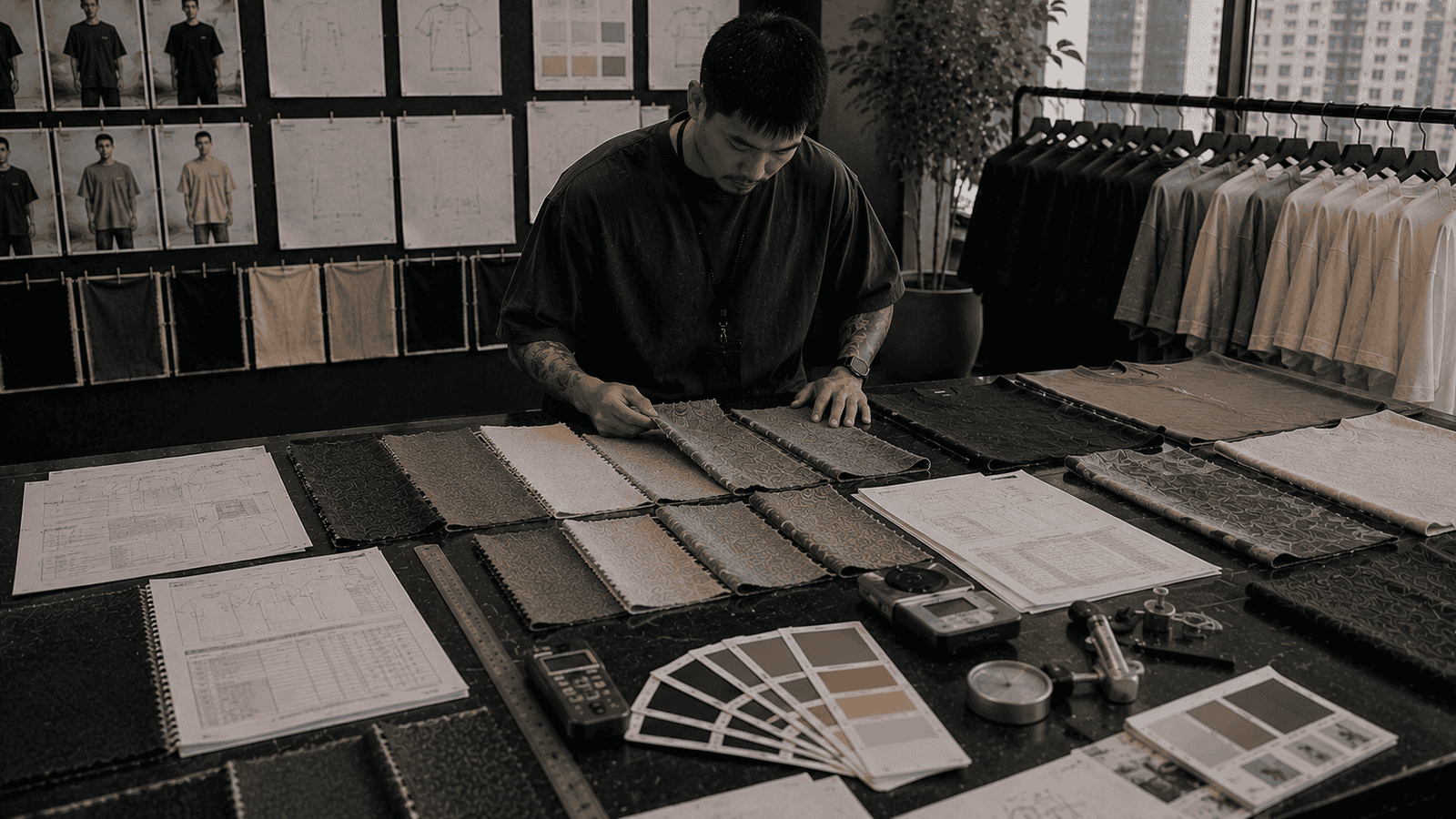
What Is MOQ in Private Label Streetwear Manufacturing?
MOQ means:
Minimum Order Quantity
MOQ directly affects startup budgets and inventory planning.
Why Manufacturers Require MOQ
Factories need MOQ because:
- Fabric mills require minimum fabric orders
- Production setup costs are high
- Printing and washing require batch production
Typical Streetwear MOQ
| Product Type | Typical MOQ |
|---|---|
| Basic Oversized Tee | 50–100 pcs |
| Garment Dyed Tee | 100–200 pcs |
| Puff Print Tee | 100+ pcs |
| Full Custom Collection | Higher MOQ |
What Increases MOQ?
MOQ usually rises because of:
- Custom fabrics
- Multiple colors
- Complex washing
- Special printing
Professional suppliers offering OEM Services often support flexible MOQ options for startup brands.
Why Are Heavyweight Streetwear T Shirts More Expensive?
Heavyweight streetwear t-shirts cost more because they require premium materials and advanced production processes.
Main Cost Factors
Heavyweight Fabrics
Higher GSM fabrics use:
- More cotton
- More yarn
- More knitting time
Oversized Fit Development
Oversized silhouettes require:
- Additional pattern development
- Multiple sample revisions
Garment Washing
Special washes increase:
- Labor costs
- Processing time
- Quality control complexity
Typical Cost Breakdown
| Cost Area | Estimated Share |
|---|---|
| Fabric | 35–45% |
| Sewing | 20–25% |
| Printing | 10–20% |
| Washing | 10–15% |
| Packaging | 5–10% |
Reliable factories working as a Custom T-Shirts Manufacturer often help brands optimize production costs.
What Fabrics Are Best for Private Label Streetwear T Shirts?
Fabric selection directly affects product quality and brand positioning.
Popular Heavyweight Streetwear Fabrics
Heavyweight Cotton Jersey
Best for:
- Oversized tees
- Everyday premium streetwear
French Terry
Popular for:
- Luxury collections
- Structured silhouettes
Open-End Cotton
Ideal for:
- Vintage washed streetwear
- Retro aesthetics
Recommended GSM for Streetwear
| Product Style | Recommended GSM |
|---|---|
| Basic Oversized Tee | 240–280 GSM |
| Premium Streetwear Tee | 280–320 GSM |
| Luxury Heavyweight Tee | 320–400 GSM |
Why Fabric Quality Matters
Low-quality fabrics may cause:
- Shrinkage
- Twisting
- Shape loss
- Poor drape
Factories producing products for a Streetwear Sweatshirt Manufacturer often use similar heavyweight fabric standards.
Why Is Oversized Fit Development So Important?
Oversized silhouettes are one of the core elements of modern streetwear.
What Defines an Oversized Streetwear Fit?
Modern oversized fits usually include:
- Boxy body proportions
- Drop shoulders
- Wider sleeves
- Relaxed drape
Why Fit Development Requires Technical Expertise
Proper fit development involves:
- Pattern making
- Fabric drape testing
- Multiple fit revisions
- Size grading
Common Oversized Fit Types
| Fit Type | Characteristics |
|---|---|
| Boxy Fit | Wider body & shorter length |
| Relaxed Fit | Loose silhouette |
| Drop Shoulder | Relaxed shoulder seam |
| Cropped Oversized | Luxury fashion fit |
Factories producing products for a Streetwear Hoodie Manufacturer often apply similar fit systems to heavyweight t-shirts.
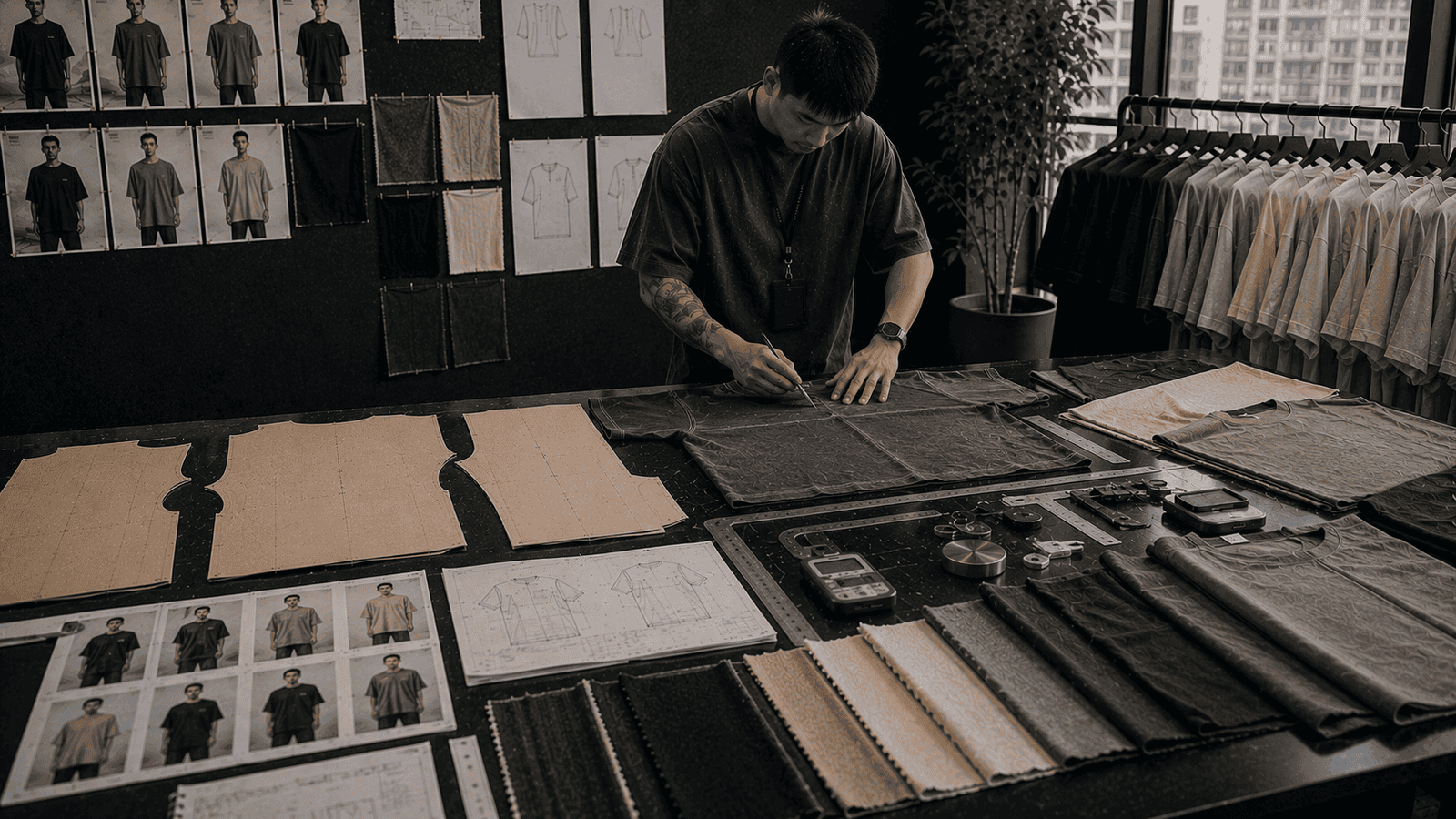
How Does the Sampling Process Work?
Sampling is essential before starting bulk production.
What Happens During Sampling?
The sample process usually includes:
- Fabric confirmation
- Pattern development
- Printing tests
- Washing tests
- Fit revisions
Why Sampling Is Important
Sampling helps brands verify:
- Product quality
- Fabric feel
- Fit accuracy
- Shrinkage control
Typical Sample Timeline
| Sample Stage | Estimated Time |
|---|---|
| Fabric Sourcing | 3–5 Days |
| Pattern Development | 2–4 Days |
| Sample Sewing | 5–7 Days |
| Fit Revision | 3–5 Days |
Professional Streetwear Sets Manufacturer suppliers often provide multiple sample revisions before production approval.
Which Printing Methods Affect Production Costs?
Printing quality is one of the biggest factors in premium streetwear branding.
Popular Streetwear Printing Techniques
Puff Print
Creates:
- Raised texture
- Premium visual depth
Screen Printing
Best for:
- Large graphics
- Vintage artwork
Silicone Heat Transfer
Popular for:
- Luxury logos
- Durable branding
Embroidery
Adds:
- Premium detailing
- Luxury appearance
Printing Cost Comparison
| Printing Method | Relative Cost |
|---|---|
| Screen Print | Low |
| Puff Print | Medium |
| Silicone Print | Medium–High |
| Embroidery | High |
Many brands apply the same branding methods to products from a Streetwear Jacket Manufacturer and Streetwear Pants Manufacturer.
Why Are Garment Washing Techniques Important?
Garment washing helps create the premium vintage aesthetics common in modern streetwear.
Popular Washing Methods
Garment Dye
Creates:
- Vintage fading
- Rich color depth
Enzyme Wash
Improves:
- Softness
- Surface texture
Acid Wash
Produces:
- Distressed appearance
- Retro fashion aesthetics
Why Washing Matters
Washing affects:
- Fabric softness
- Color appearance
- Shrinkage
- Product positioning
Washed vs Unwashed Comparison
| Feature | Washed | Unwashed |
|---|---|---|
| Texture | Softer | Crisp |
| Vintage Appearance | Strong | Minimal |
| Shrinkage | Lower | Higher |
Factories producing products for a Streetwear Denim Apparel Manufacturer often specialize in advanced washing techniques.
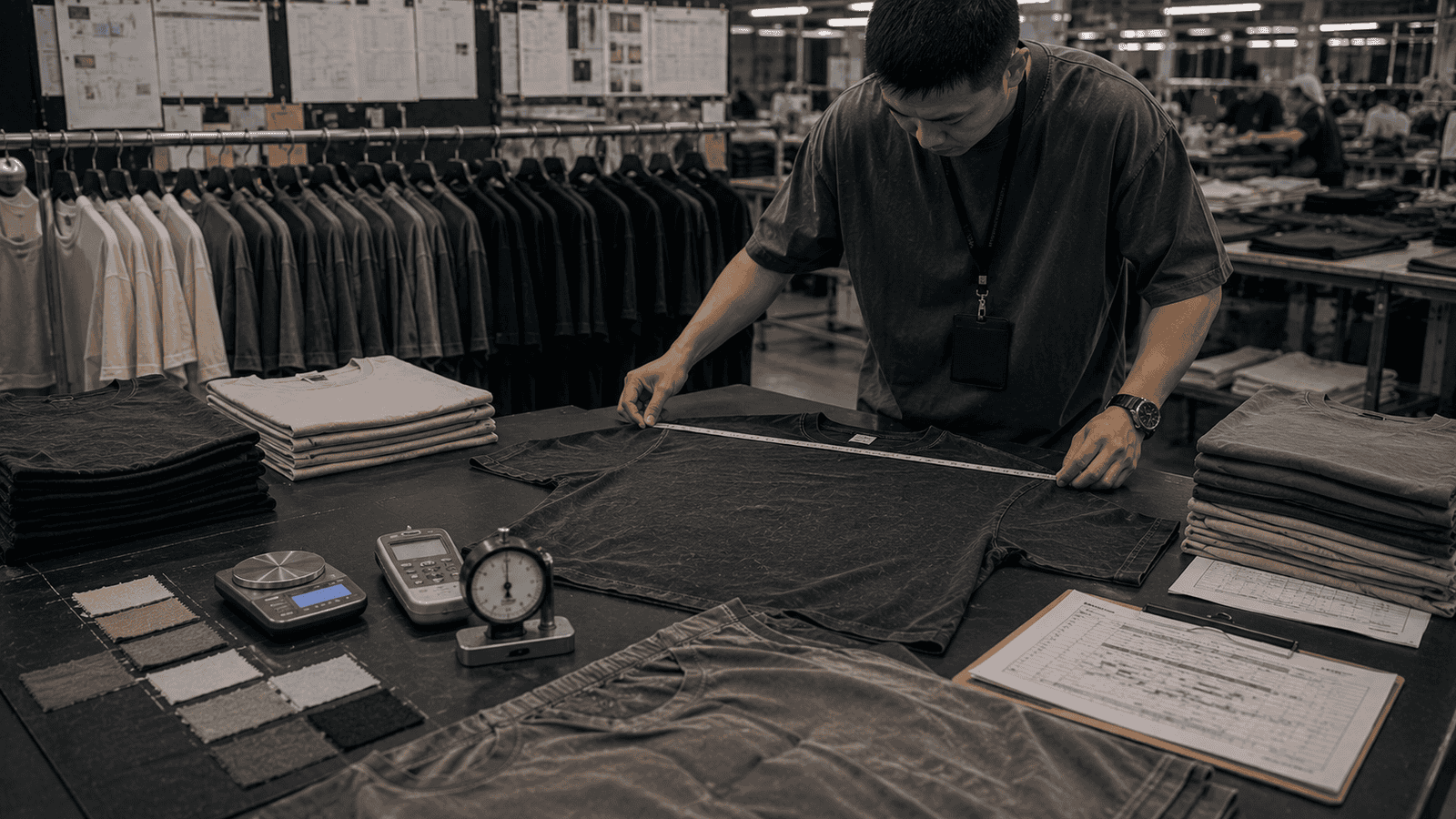
Why Is Quality Control Essential in Private Label Manufacturing?
Consistent quality is essential for long-term brand growth.
Common Production Problems
Poor-quality factories may produce:
- Uneven stitching
- Incorrect sizing
- Fabric shrinkage
- Color inconsistency
Professional QC Systems Include
Fabric Inspection
Checks:
- GSM consistency
- Colorfastness
- Shrinkage rate
Inline Production QC
Monitors:
- Stitching quality
- Print placement
- Measurement accuracy
Final Inspection
Confirms:
- Packaging quality
- Overall garment finish
Typical QC Standards
| QC Area | Industry Standard |
|---|---|
| Shrinkage | ≤5% |
| Measurement Tolerance | ±1 cm |
| Stitching Quality | Clean & durable |
Many factories apply similar quality standards to products from a Streetwear Shorts Manufacturer and Streetwear Denim Apparel Manufacturer.
How Long Does Private Label Streetwear Production Usually Take?
Production timelines depend on:
- Order quantity
- Fabric availability
- Printing complexity
- Washing requirements
Typical Production Timeline
| Production Stage | Estimated Time |
|---|---|
| Fabric Preparation | 5–7 Days |
| Cutting & Sewing | 10–15 Days |
| Printing & Washing | 5–10 Days |
| Final QC & Packing | 3–5 Days |
Why Premium Streetwear Takes Longer
Luxury production often requires:
- More inspections
- Detailed sewing
- Complex washing
- Higher-quality finishing
Professional Custom Streetwear Manufacturer suppliers usually provide clear production schedules before bulk orders begin.
Conclusion
Private label streetwear t-shirt manufacturing involves much more than basic garment production. MOQ planning, fabric sourcing, oversized fit development, sampling, printing, washing, production timelines, and quality control all affect final product quality and overall production costs.
For startup and established brands alike, working with an experienced Streetwear Manufacturer can help improve production efficiency, reduce manufacturing risks, and build premium streetwear collections with long-term growth potential.