
Starting a streetwear brand has never been more accessible. With the rise of private label manufacturing, independent creators, startups, influencers, and fashion entrepreneurs can now launch their own clothing collections without owning a factory.
But building a successful private label streetwear brand requires more than just printing a logo on a hoodie. Choosing the right manufacturer, developing quality products, controlling branding, and scaling production are all critical parts of the process.
This complete guide explains how private label streetwear manufacturing works and how to build your brand from scratch in 2026.
What Is a Private Label Streetwear Manufacturer?
Definition of Private Label Manufacturing
- Manufacturers produce garments under your brand name
- Products are customized with your labels, packaging, and branding
Difference Between Private Label & Wholesale
- Wholesale = pre-made products with limited branding
- Private label = fully customized brand identity
Why Startups Choose Private Label
- Lower startup costs
- Faster market entry
- Easier brand building
Why Is Private Label Streetwear Growing So Fast in 2026?
Growth of Independent Fashion Brands
- Social media drives niche brand growth
- Consumers prefer unique identities
E-Commerce Expansion
- Shopify and TikTok Shop reduce barriers to entry
Streetwear Culture Continues to Grow
- Oversized fashion and graphic apparel remain popular
What Products Can a Private Label Streetwear Manufacturer Produce?
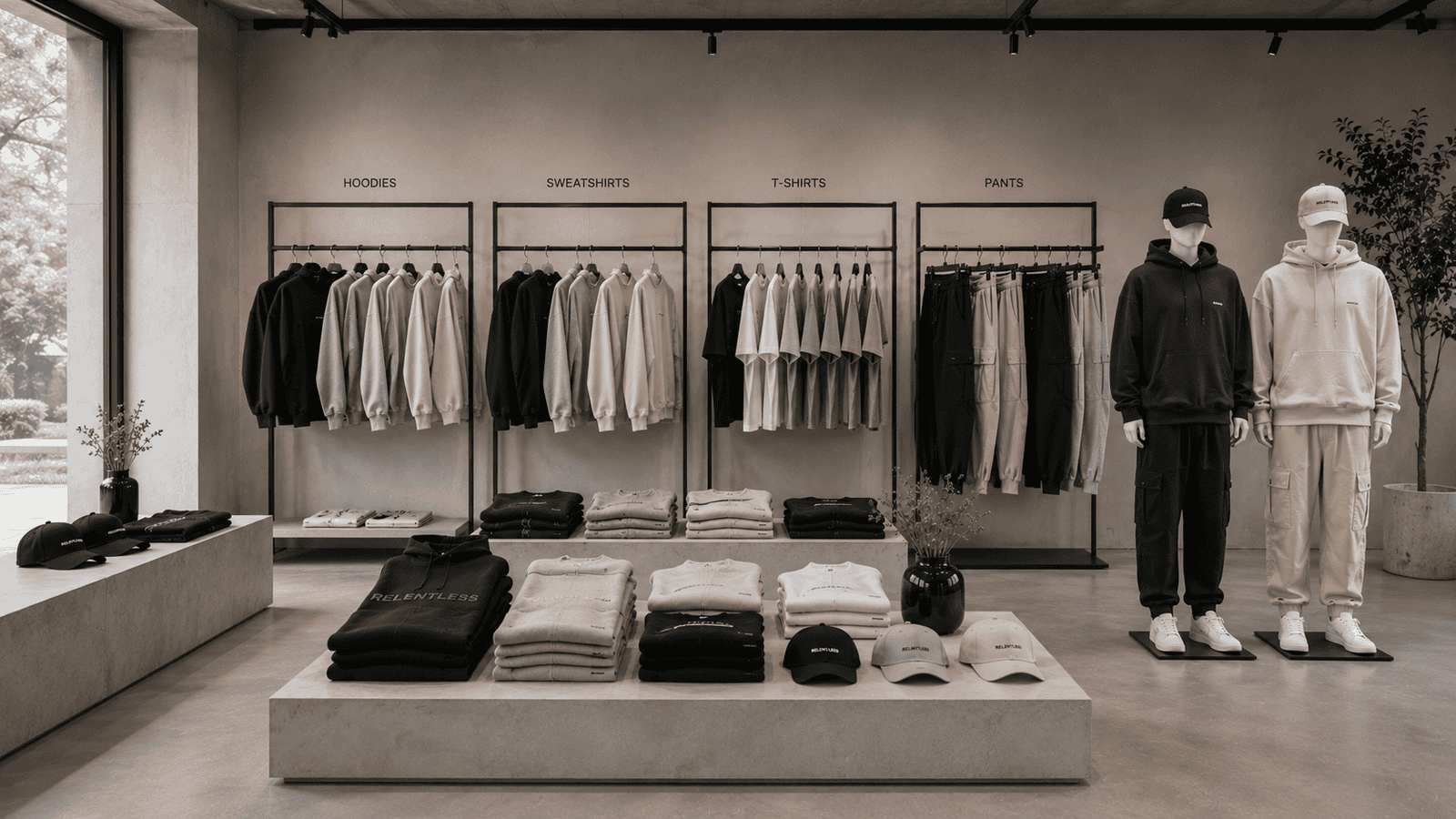
Core Streetwear Categories
- Oversized hoodies and sweatshirts
- Graphic t-shirts and tank tops
- Cargo pants and joggers
- Jackets and outerwear
Product Manufacturing Solutions
- Custom T-Shirts Manufacturer
- Streetwear Tank Top Manufacturer
- Streetwear Hoodie Manufacturer
- Streetwear Sweatshirt Manufacturer
- Streetwear Jacket Manufacturer
- Streetwear Pants Manufacturer
- Streetwear Shorts Manufacturer
- Streetwear Sets Manufacturer
- Streetwear Denim Apparel Manufacturer
👉 Explore all product options:
Streetwear Products
How Does the Private Label Manufacturing Process Work?
Step 1: Develop Your Brand Concept
- Define your audience
- Choose your aesthetic and positioning
Step 2: Create Product Designs
- Tech packs
- Logo placement
- Color selection
Step 3: Sampling & Product Development
- Sample creation
- Fit adjustments
- Fabric approval
Step 4: Bulk Production
- Fabric sourcing
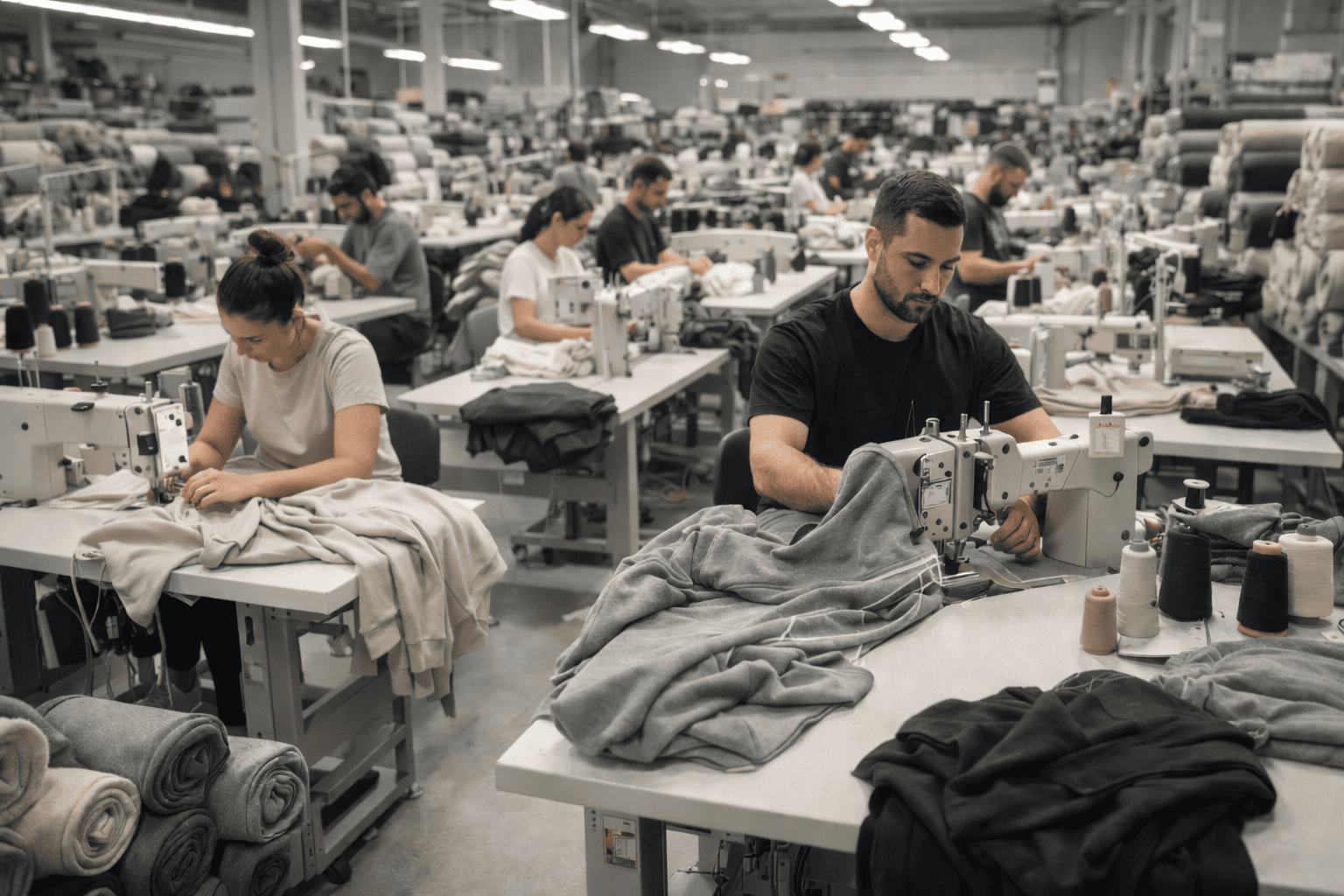
- Cutting & sewing
- Quality control
Step 5: Packaging & Shipping
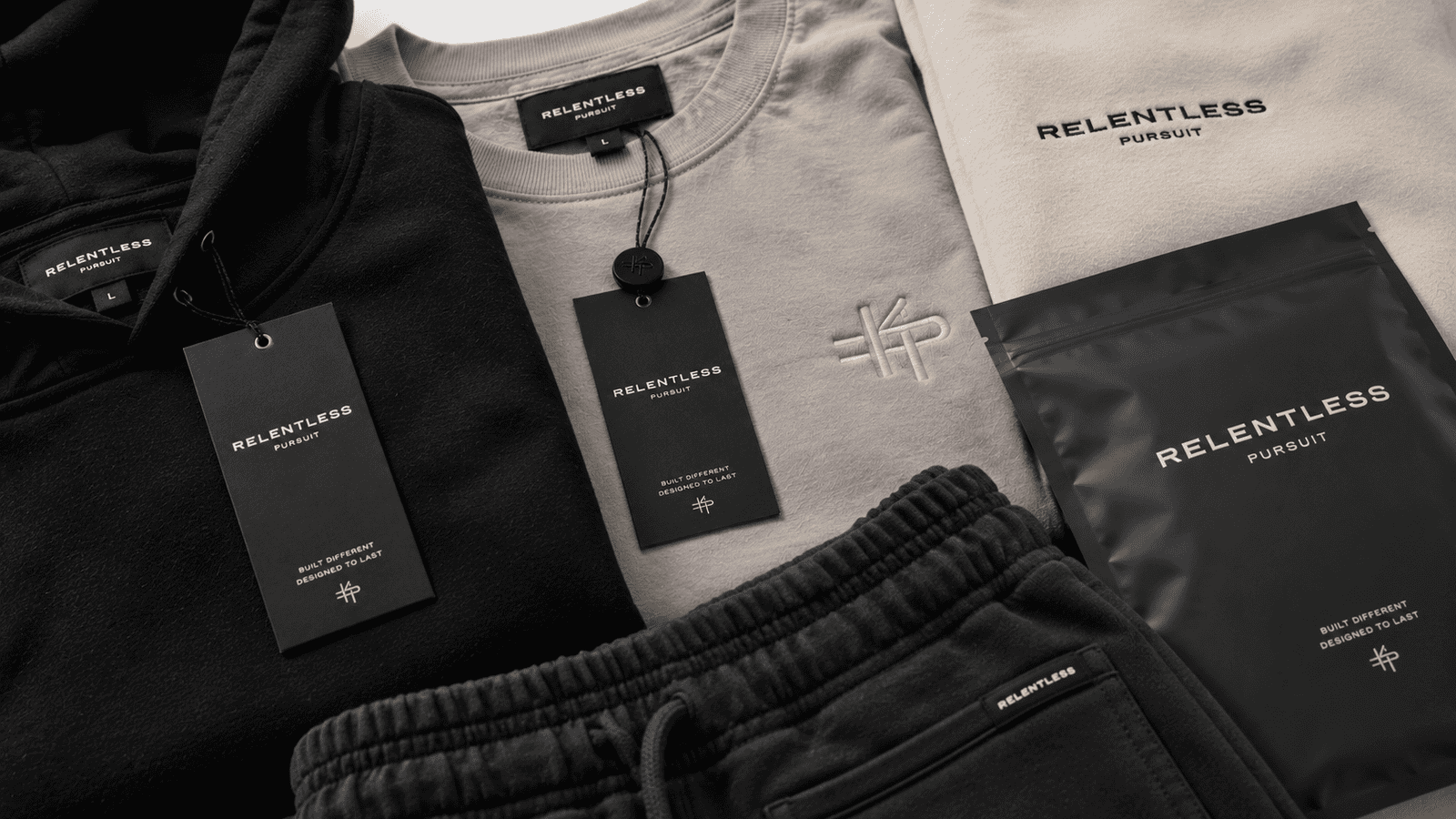
- Hang tags
- Woven labels
- Custom packaging
What Customization Options Are Available?
Fabric & Material Options
- Heavyweight cotton
- French terry
- Organic fabrics
- Garment-dyed fabrics
Logo & Decoration Techniques
- Screen printing
- Puff print
- Embroidery
- DTG printing
Private Label Branding
- Woven neck labels
- Printed labels
- Custom hang tags
- Premium packaging
👉 Full OEM customization support:
Custom Streetwear Manufacturer
How Much Does It Cost to Start a Private Label Streetwear Brand?
Main Startup Costs
- Sampling fees
- Fabric costs
- Bulk production
- Packaging and shipping
Cost Factors
- Product complexity
- Fabric quality
- MOQ size
Estimated Startup Budget Table
| Brand Stage | Estimated Budget |
|---|---|
| Small Startup | $2,000–$5,000 |
| Growing Brand | $5,000–$20,000 |
| Premium Collection | $20,000+ |
What Are Typical MOQ Requirements?
Standard MOQs
- Most factories require 100 pcs per style
Startup-Friendly Options
- Some OEM manufacturers offer flexible MOQs
MOQ Comparison Table
| Manufacturing Type | Typical MOQ |
|---|---|
| Wholesale Supplier | Low |
| Premium Factory | Medium–High |
| OEM Manufacturer | Flexible |
👉 Learn more about OEM production support:
OEM Streetwear Services
How Do You Choose the Right Private Label Manufacturer?
Evaluate Manufacturing Experience
- Streetwear-specific expertise
- Oversized fit knowledge
- Fabric sourcing capability
Verify Quality Control
- Sample consistency
- Fabric inspection systems
- Final garment QC
Communication & Support
- English-speaking team
- Fast response times
- Dedicated merchandiser support
What Common Mistakes Should New Brands Avoid?
Choosing Based on Price Alone
- Cheap factories often create quality problems
Ignoring Branding Details
- Packaging and labels affect brand perception
Overcomplicating First Collections
- Simpler collections reduce risk
Skipping Product Sampling
- Samples help prevent bulk production issues
Should You Choose Local Manufacturing or Overseas OEM Production?
Local Manufacturing Advantages
- Faster communication
- Smaller production runs
Overseas OEM Advantages
- Better scalability
- Lower production costs
- Advanced customization capabilities
Best Strategy for Growing Brands
Many successful brands:
- Start with small collections
- Scale using reliable OEM partners like
Ohsure Apparel
Final Thoughts: How to Build a Successful Private Label Streetwear Brand
Building a private label streetwear brand requires more than creative ideas. Success depends on choosing the right manufacturing partner, controlling quality, and creating a strong brand identity.
The best manufacturers help brands with:
- Product development
- Fabric sourcing
- Private label customization
- Scalable production
For startups and growing brands, working with experienced OEM partners like Ohsure Apparel can help reduce risk while accelerating long-term growth.
FAQs
What is a private label streetwear manufacturer?
A manufacturer that produces clothing under your own brand name and custom branding.
What is the average MOQ for private label streetwear?
Typically around 100 pieces per style.
How much money do I need to start?
Small brands often start between $2,000–$5,000.
Can I fully customize my products?
Yes, including fabrics, printing, labels, packaging, and sizing.