
Organic cotton streetwear is redefining modern fashion by combining sustainability, durability, and premium design aesthetics. For global clothing brands, choosing the right manufacturing partner is critical to achieving consistent quality, scalable production, and strong brand identity.
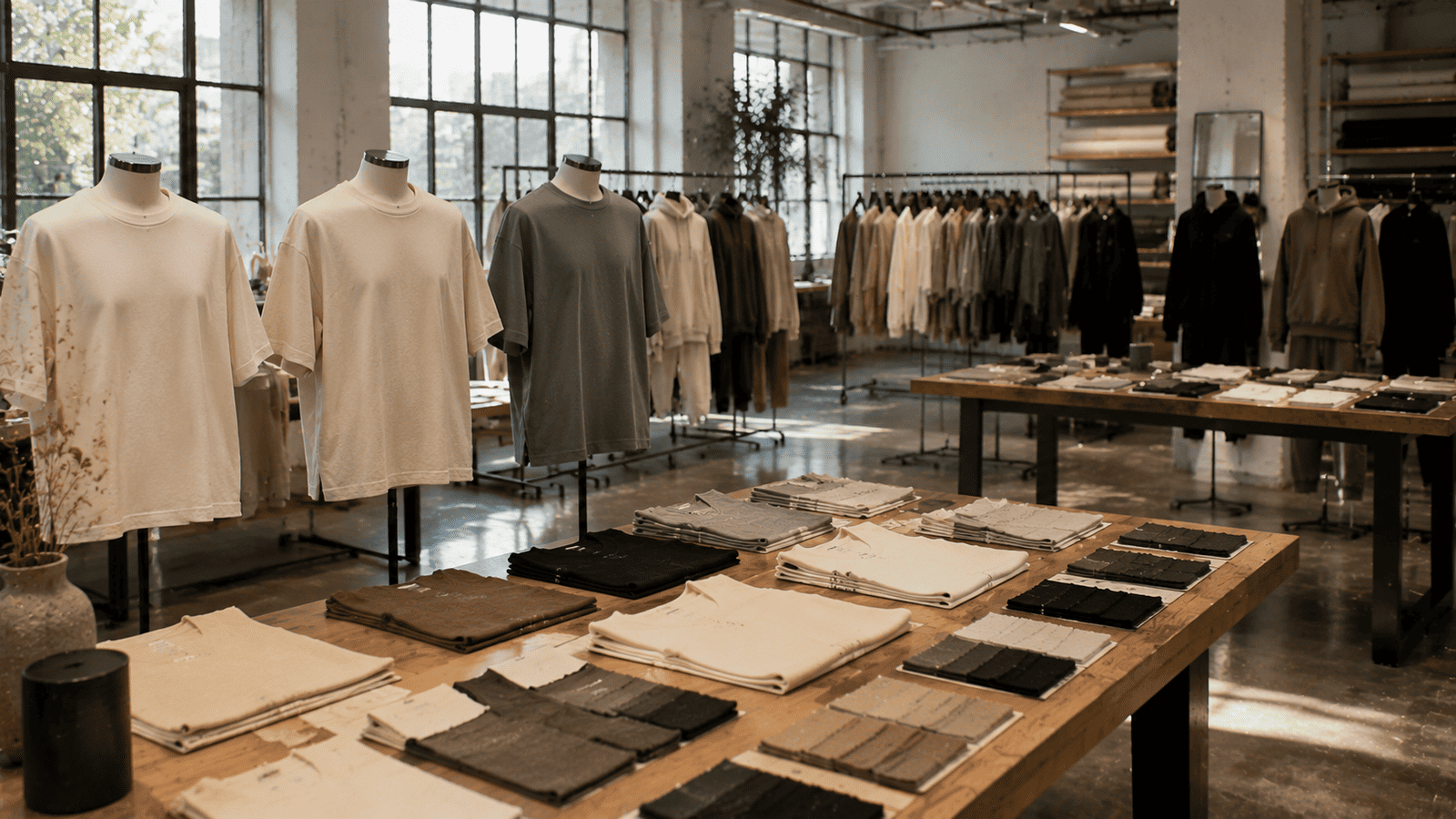
What Makes an Organic Cotton Streetwear T-Shirt Manufacturer Reliable?
Key evaluation factors for B2B apparel brands
- Fabric sourcing transparency (certified organic cotton)
- Stable GSM control for heavyweight streetwear
- Consistent fit grading for oversized silhouettes
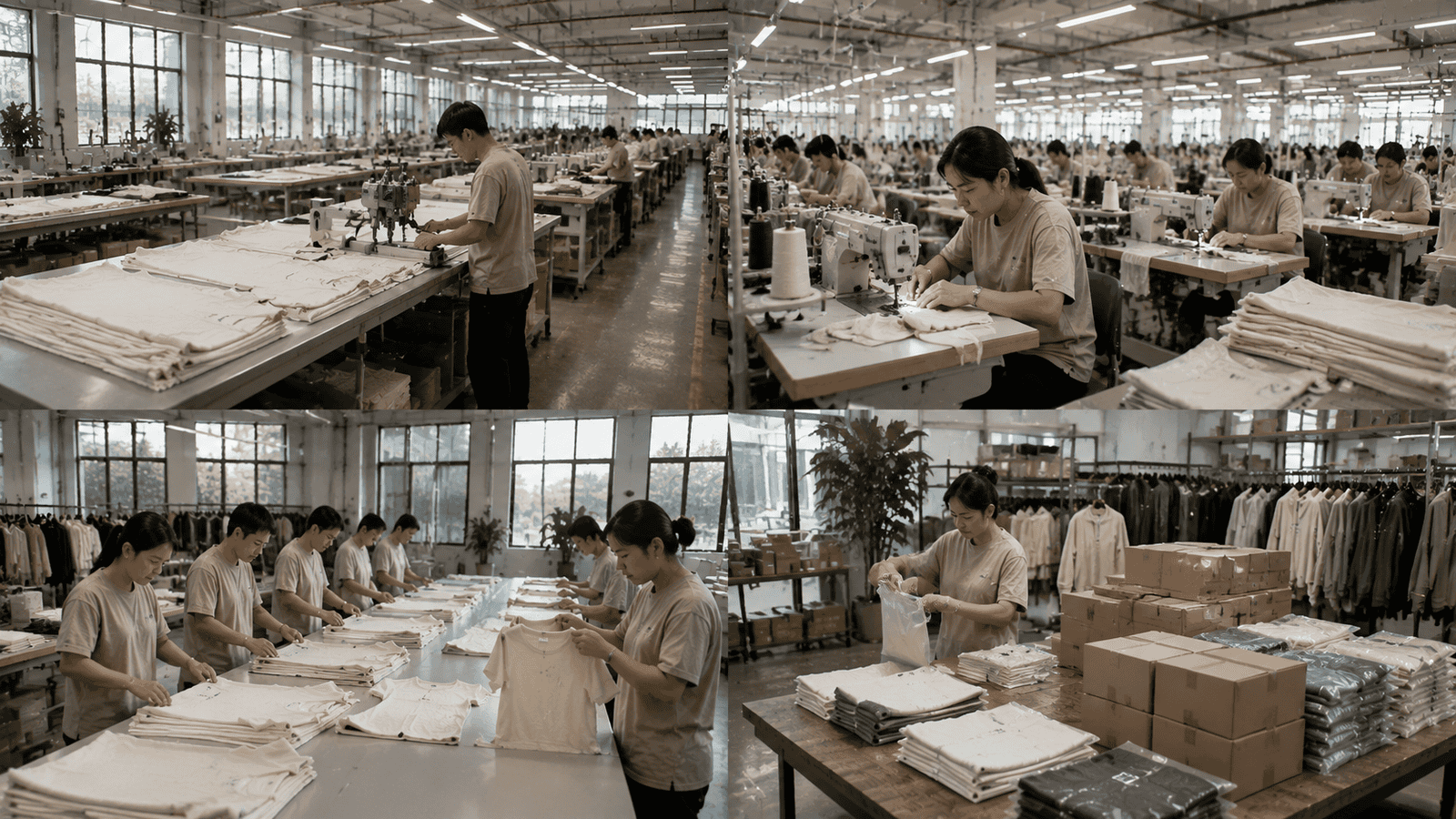
- Factory QC system across cutting, sewing, finishing
- OEM/ODM development capability
Why factory capability matters for scaling brands
- Reduces sampling errors
- Ensures bulk consistency
- Improves delivery reliability
Internal links for development support
How Does Heavyweight Fabric (GSM) Impact Streetwear Quality?
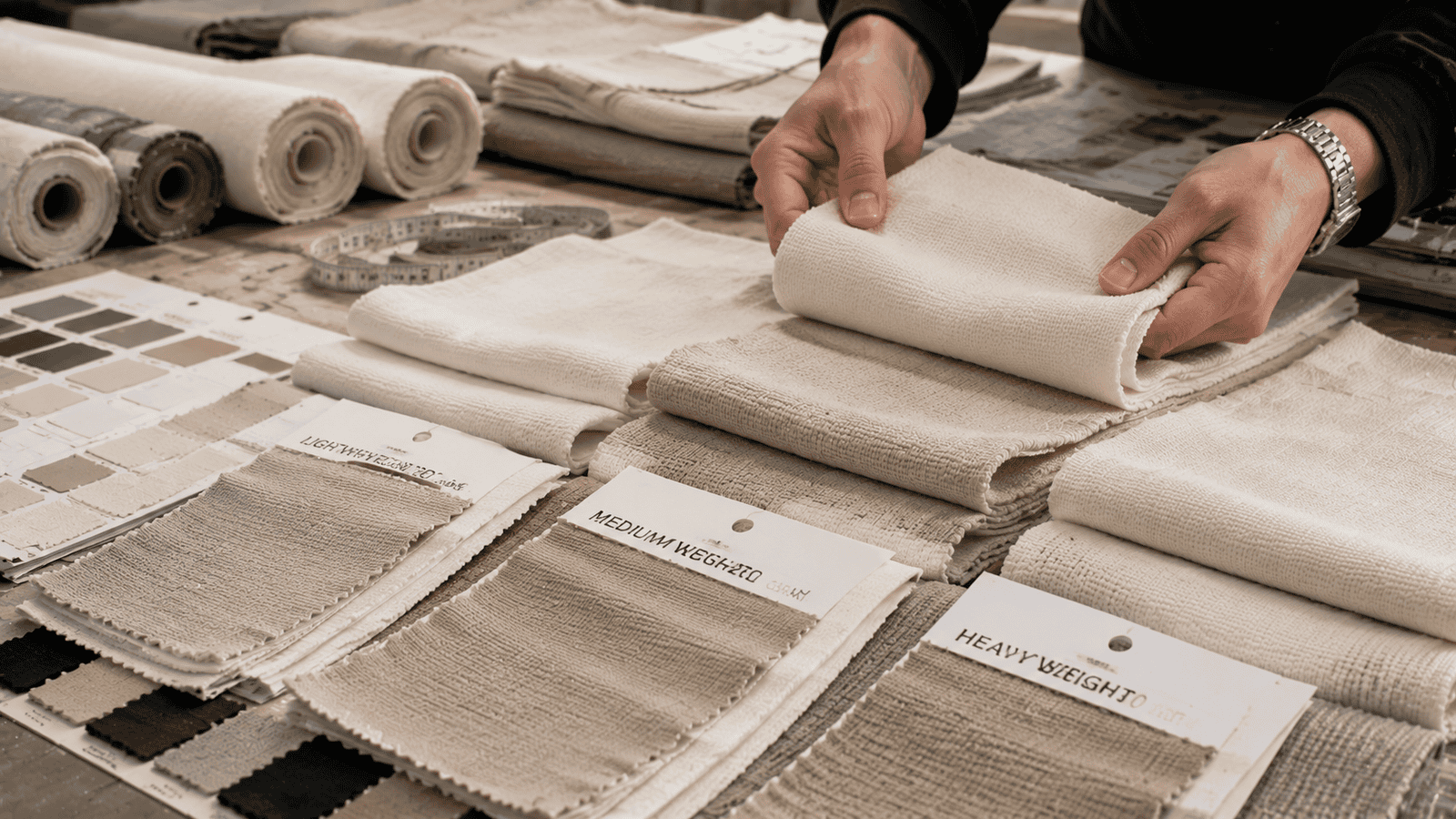
Understanding GSM in organic cotton T-shirts
- 180–220gsm: lightweight basic streetwear
- 220–260gsm: standard premium tees
- 260–320gsm: heavyweight luxury streetwear
Fabric performance comparison table
| Fabric Weight (GSM) | Hand Feel | Durability | Best Use Case |
|---|---|---|---|
| 180–220gsm | Soft | Medium | Summer tees |
| 220–260gsm | Structured | High | Daily streetwear |
| 260–320gsm | Heavy & rigid | Very High | Luxury oversized fits |
Why heavyweight cotton is trending
- Better silhouette for oversized fits
- Higher perceived brand value
- Longer garment lifecycle
Why Are Oversized Fits Important for Modern Streetwear Brands?
Oversized silhouette market demand
- Influenced by global streetwear culture
- Popular in US/EU youth markets
- Works well with layered styling
Fit development in OEM production
- Drop shoulder pattern engineering
- Boxy cut adjustment
- Sleeve length balancing for proportions
Internal product expansion links
How Is Sustainable Production Implemented in Organic Cotton Manufacturing?
Sustainable sourcing system
- Organic cotton certification (GOTS-ready sourcing)
- Reduced chemical dyeing processes
- Water-saving washing techniques
Factory sustainability workflow
- Fabric selection → Cutting → Sewing → Eco finishing → Packaging
- Waste reduction control at each stage
Eco-friendly packaging options
- Recycled polybags
- Kraft paper boxes
- Biodegradable hangtags
What Customization Options Are Available for OEM/ODM Organic Cotton T-Shirts?
Core customization techniques
- Screen printing / water-based printing
- Puff print / silicone print
- Embroidery / chenille embroidery
- Garment dye / vintage wash
Branding customization options
- Woven labels
- Neck prints
- Custom hangtags
- Private label packaging
OEM customization table
| Category | Options | Application |
|---|---|---|
| Fabric | Organic cotton, recycled cotton | Base material |
| Printing | Screen, puff, DTG | Graphics |
| Branding | Label, tag, patch | Identity |
| Packaging | Box, bag, tissue | Retail presentation |
Internal links for customization
How to Choose the Right Streetwear Product Range for Brand Expansion?
Product line planning strategy
- Start with core T-shirts
- Expand into hoodies and sweatshirts
- Add seasonal items like jackets and shorts
Scalable product ecosystem
- Tops: T-shirts, tank tops, hoodies
- Bottoms: pants, shorts, denim
- Sets: coordinated outfits
Internal expansion links
Why Partner With a Full-Service Organic Streetwear Manufacturer?
End-to-end manufacturing advantages
- Faster sampling cycles (7–10 days)
- Stable bulk production (25–35 days)
- Consistent QC across all stages
Factory capability overview
- 3000㎡ production facility
- 100+ skilled workers
- 1000+ pcs daily capacity
- 15+ years OEM experience
Global brand support system
- USA / EU / Australia export experience
- DDP / FOB / EXW logistics options