
When sourcing apparel for your brand, understanding the difference between OEM and ODM manufacturing is crucial. Whether you're launching a startup streetwear brand or scaling an established label, choosing the right model impacts cost, speed, customization, and long-term growth.
For brands working with experienced manufacturers like Ohsure Apparel, both OEM and ODM options offer flexible solutions depending on your needs.
What Does OEM Mean in Clothing Manufacturing?
What is OEM (Original Equipment Manufacturer)?
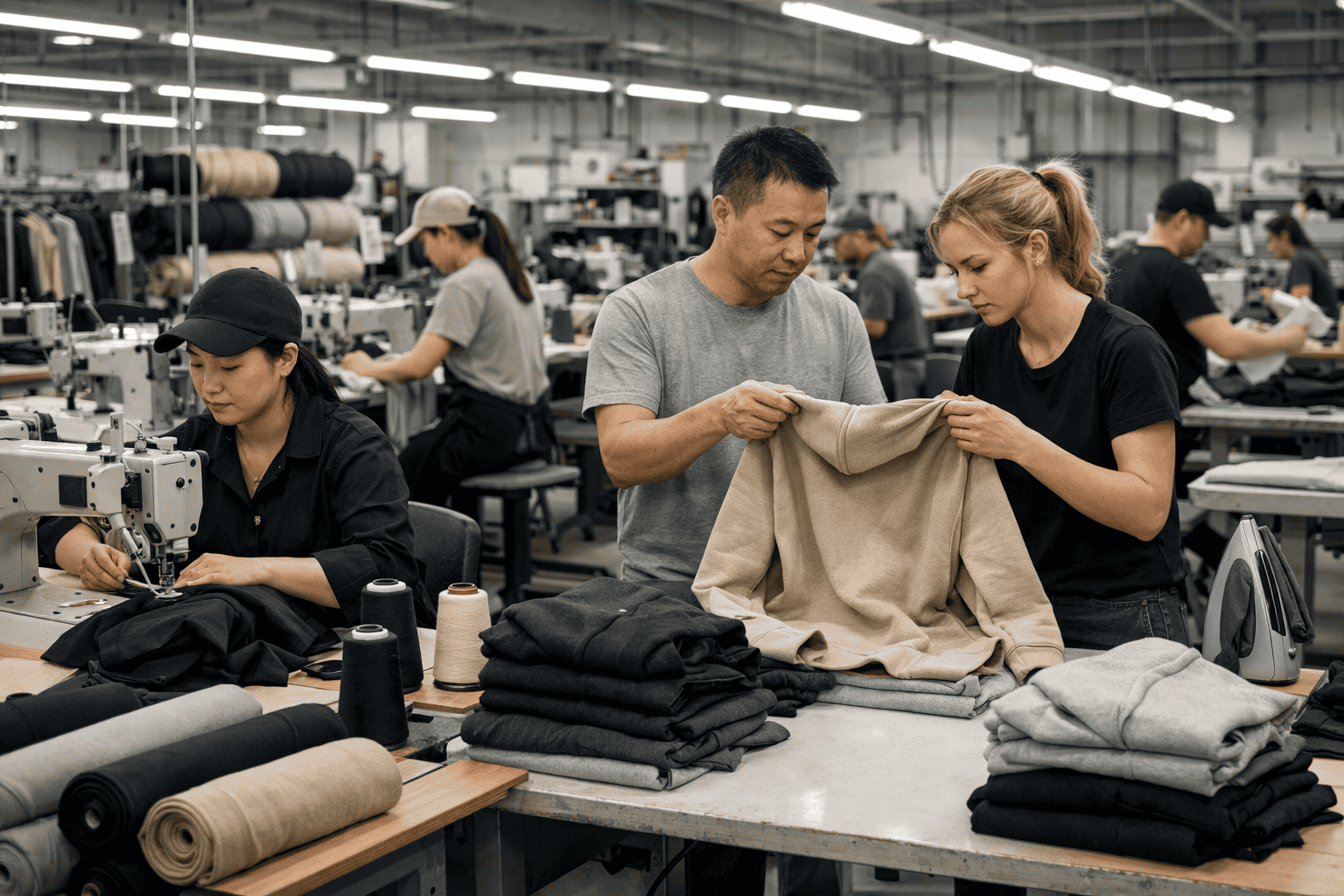
OEM refers to a manufacturing model where the buyer provides the design, and the factory produces the garments based on those exact specifications.
Key Features of OEM Clothing Manufacturing
- Full design ownership by the brand
- Custom fabrics, patterns, and trims
- High level of flexibility and branding control
- Requires tech packs or detailed design input
Who Should Choose OEM?
- Established fashion brands
- Designers with clear product vision
- Businesses wanting unique products
👉 Explore OEM clothing services to develop fully customized garments.
What Does ODM Mean in Clothing Manufacturing?
What is ODM (Original Design Manufacturer)?
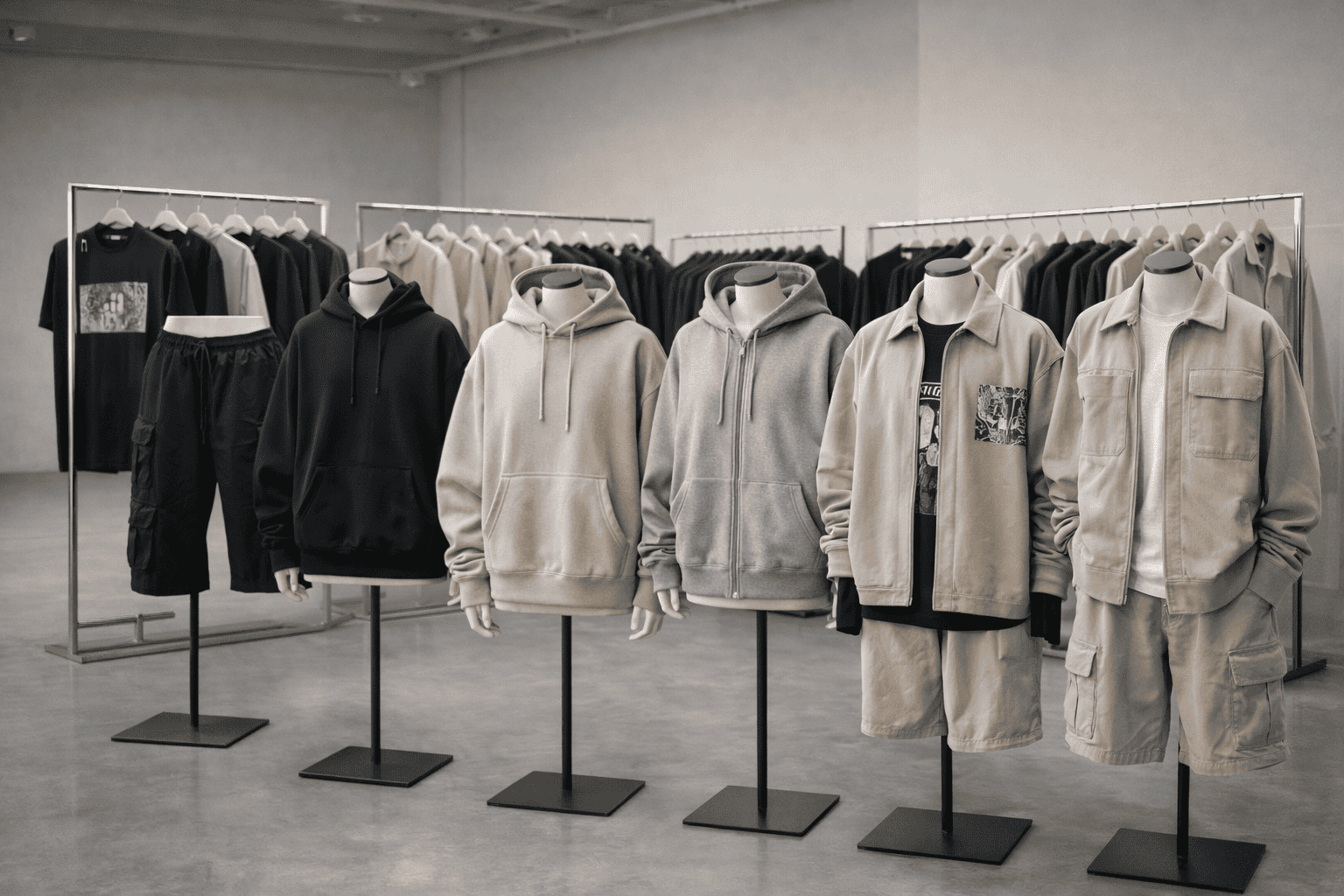
ODM means the manufacturer provides pre-designed products that buyers can customize with their branding (logo, labels, packaging).
Key Features of ODM Clothing Manufacturing
- Ready-made designs from the factory
- Faster production timelines
- Lower development cost
- Limited customization compared to OEM
Who Should Choose ODM?
- Startups with limited design resources
- Businesses testing new markets
- Brands needing fast product launches
👉 Browse ready-to-customize styles in the product collection.
What Are the Key Differences Between OEM and ODM?
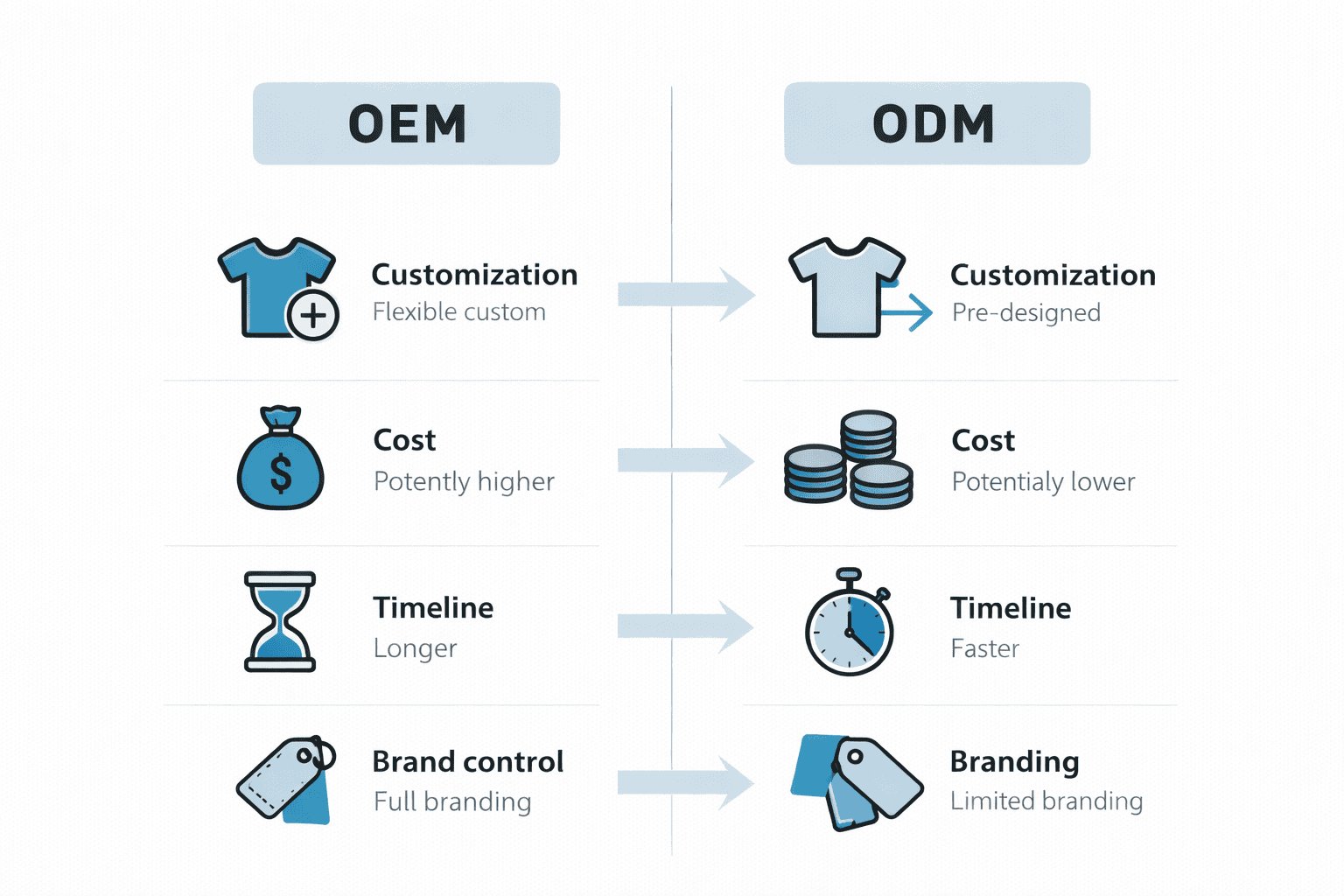
OEM vs ODM Comparison Table
| Feature | OEM Manufacturing | ODM Manufacturing |
|---|---|---|
| Design Ownership | Buyer | Manufacturer |
| Customization Level | High | Medium |
| Development Time | Longer | Shorter |
| Cost | Higher (development cost) | Lower |
| Branding Flexibility | Full | Limited |
| Ideal For | Established brands | Startups & fast launches |
Quick Summary
- OEM = Your design, factory produces
- ODM = Factory design, you customize
Which Model Is Better for Your Clothing Brand?
Choose OEM If You Want:
- Full control over design and materials
- Strong brand differentiation
- Long-term brand building
You can develop products like custom streetwear hoodies or custom t-shirts with complete freedom.
Choose ODM If You Want:
- Faster time-to-market
- Lower upfront investment
- Simpler production process
ODM is ideal for testing categories like:
Can You Combine OEM and ODM in One Business?
Hybrid Manufacturing Strategy
Many successful brands use both models:
- Start with ODM to test the market
- Transition to OEM for best-selling products
Example Strategy
- Launch with ODM basics (hoodies, t-shirts)
- Validate demand
- Move to OEM for unique designs
This approach reduces risk while building brand identity.
What Should You Consider Before Choosing OEM or ODM?
Key Decision Factors
- Budget
- Design capability
- Timeline
- Target market
Questions to Ask Your Manufacturer
- Do you support both OEM and ODM?
- What is your MOQ?
- How long is sampling and production?
- What quality control process do you follow?
At Ohsure Apparel, we provide both OEM and ODM solutions with strict quality control and fast turnaround times.
What Types of Clothing Can Be Produced with OEM or ODM?
Popular Streetwear Categories
You can manufacture a wide range of products, including:
Customization Options Available
- Logo printing (screen, embroidery, silicone)
- Fabric selection (cotton, fleece, blends)
- Labels & packaging
- Size & fit adjustments
Final Thoughts: OEM vs ODM—Which One Should You Choose?
Key Takeaways
- OEM is best for brands that want full control and uniqueness
- ODM is ideal for speed and lower cost
- A hybrid strategy offers the best of both worlds
If you're unsure which model fits your business, working with an experienced manufacturer can help guide your decision.
Start your project with Ohsure Apparel and get expert support from design to delivery.