
Vintage streetwear has become one of the most influential segments in the fashion industry. From oversized silhouettes and garment-dyed fabrics to vintage wash treatments and premium branding, modern streetwear brands demand products that stand out in a crowded market.
This is where an OEM vintage streetwear t shirts manufacturer plays a crucial role. OEM manufacturing allows brands to create fully customized products while leveraging the expertise, equipment, and production capacity of an experienced apparel factory.
In this guide, we'll explain everything streetwear brands need to know about working with an OEM vintage streetwear t shirts manufacturer.
Whether you're building your first collection or scaling an established label, partnering with a professional Custom Streetwear Manufacturer can help transform your ideas into retail-ready products.
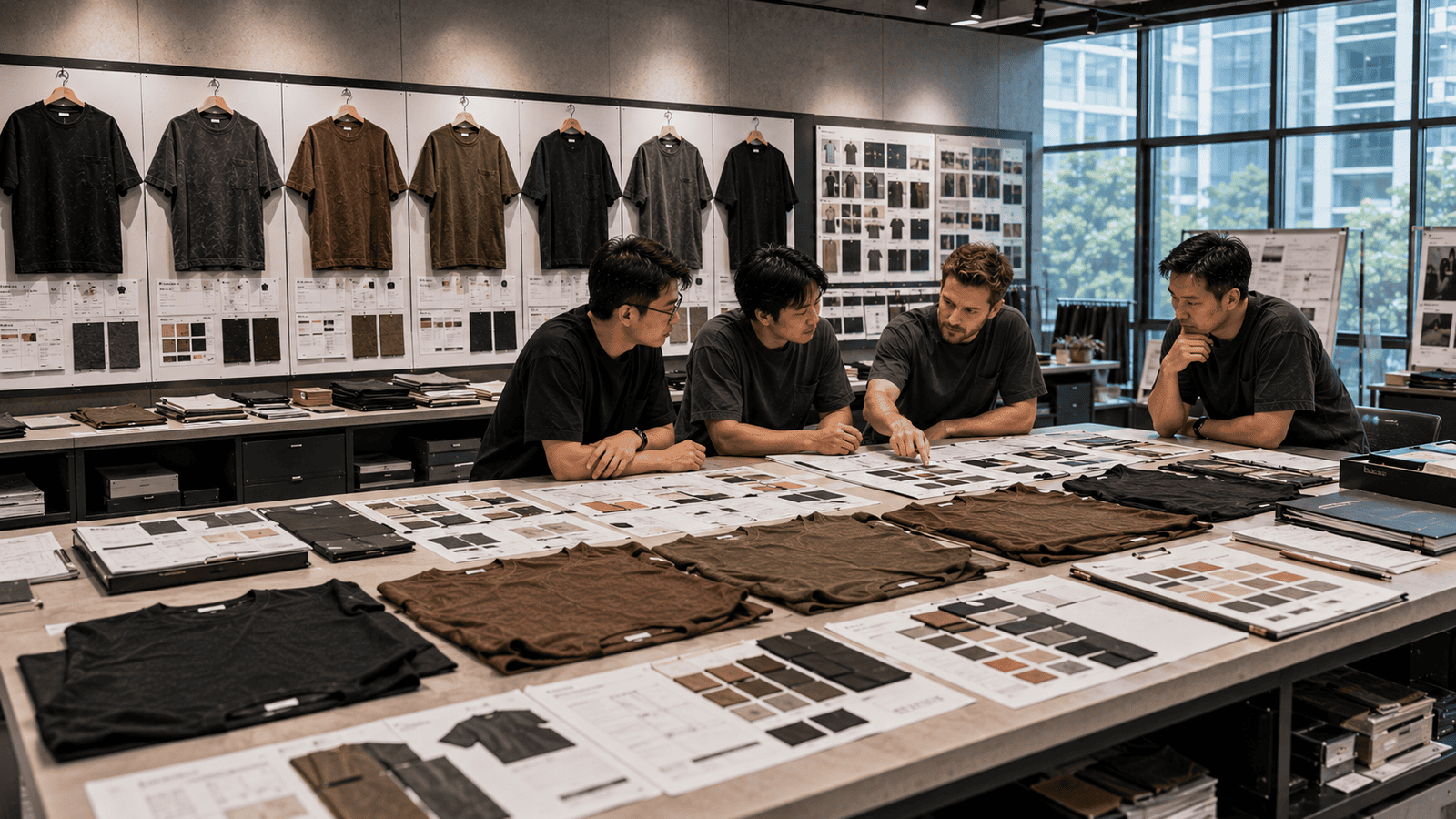
What Is an OEM Vintage Streetwear T Shirts Manufacturer?
What Does OEM Mean in Streetwear Manufacturing?
OEM (Original Equipment Manufacturer) refers to a factory that produces garments according to a brand's custom requirements.
This includes:
- Custom fabrics
- Custom fits
- Custom wash treatments
- Custom printing
- Private label branding
- Custom packaging
How Is OEM Different from ODM?
| Manufacturing Model | OEM | ODM |
|---|---|---|
| Design Ownership | Brand | Factory |
| Product Development | Custom | Pre-developed |
| Brand Identity | Unique | Semi-Custom |
| Flexibility | High | Moderate |
Why Do Streetwear Brands Choose OEM?
OEM allows brands to create:
- Exclusive products
- Stronger brand identity
- Better market differentiation
- Higher perceived value
How Does an OEM Vintage Streetwear T Shirts Manufacturer Develop Products?
The development process begins long before bulk production.
What Information Does the Factory Need?
Most manufacturers require:
- Tech Packs
- Reference Photos
- Fabric Requirements
- Size Charts
- Logo Files
What Happens During Product Development?
Typical development includes:
- Fabric sourcing
- Pattern making
- Sample sewing
- Garment dye testing
- Wash development
- Branding application
Why Is Sampling Important?
Sampling helps verify:
- Fit
- Fabric quality
- Wash effects
- Print quality
- Branding details
| Development Stage | Typical Timeline |
|---|---|
| Fabric Sourcing | 2-4 Days |
| Pattern Making | 1-2 Days |
| Sample Production | 7-10 Days |
| Sample Revision | 3-5 Days |
What Fabrics Are Commonly Used for OEM Vintage Streetwear T-Shirts?
Fabric selection determines the overall quality and appearance of the final product.
Why Is Heavyweight Cotton So Popular?
Heavyweight cotton provides:
- Better drape
- Enhanced durability
- Premium appearance
- Improved wash performance
What Fabric Weights Are Most Common?
| Fabric Weight | Recommended Use |
|---|---|
| 180gsm | Entry-Level Tees |
| 220gsm | Standard Streetwear |
| 260gsm | Premium Oversized Tees |
| 300gsm+ | Luxury Streetwear |
Which Fabrics Work Best for Vintage Washes?
Popular options include:
- 100% Combed Cotton
- Ring-Spun Cotton
- Organic Cotton
- Cotton Blends
Many brands work with a specialized Custom T-Shirts Manufacturer to develop premium heavyweight garments.
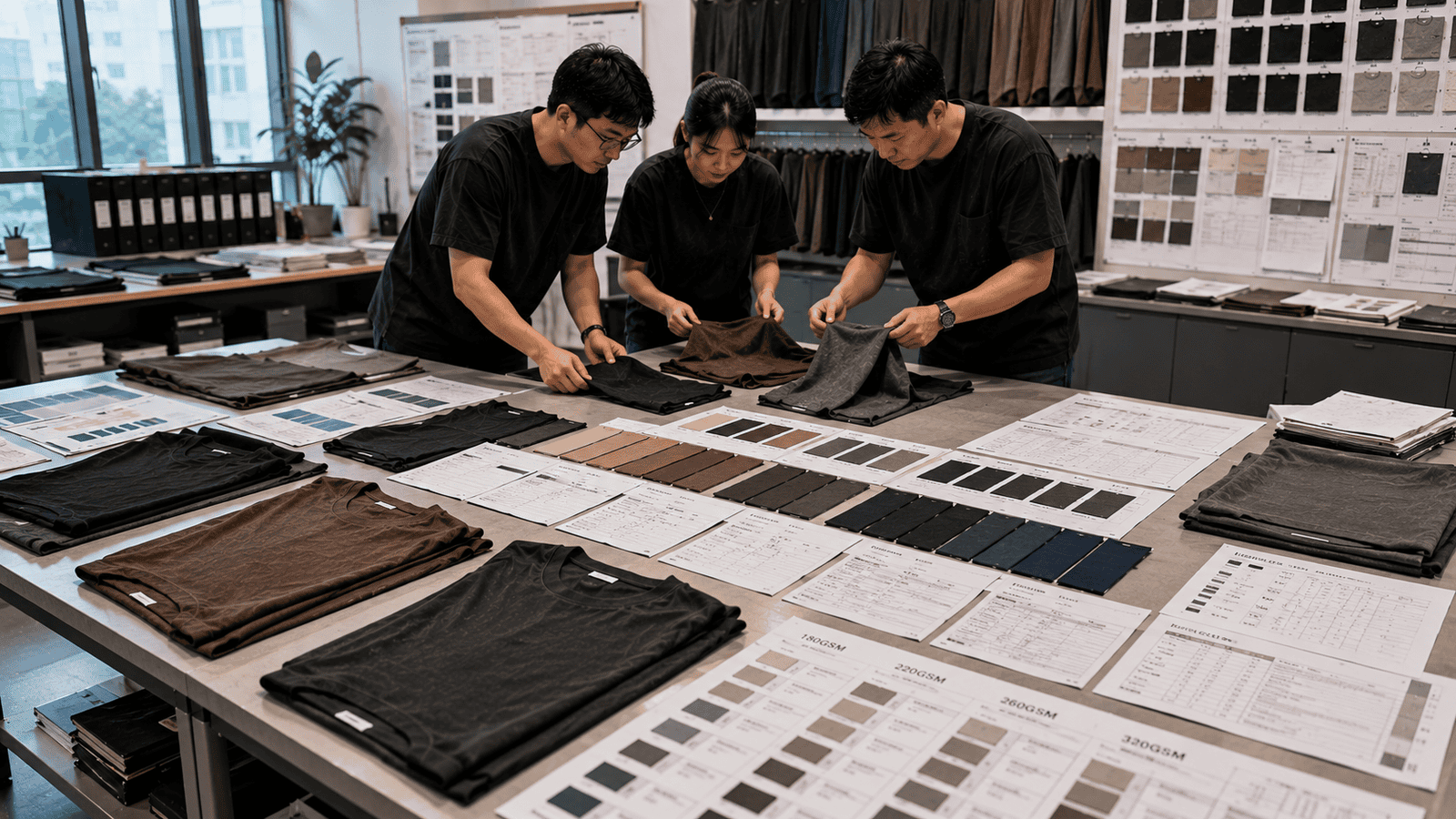
What Vintage Wash Techniques Can OEM Manufacturers Provide?
Vintage aesthetics depend heavily on garment dyeing and wash development.
What Are the Most Popular Vintage Wash Methods?
Professional manufacturers commonly offer:
- Enzyme Wash
- Stone Wash
- Mineral Wash
- Pigment Wash
- Acid Wash
What Is Garment Dyeing?
Garment dyeing occurs after sewing and creates:
- Richer color depth
- Authentic fading
- Softer hand feel
Which Wash Method Is Best?
| Wash Method | Softness | Vintage Effect | Popularity |
|---|---|---|---|
| Enzyme Wash | High | Moderate | High |
| Stone Wash | Medium | Strong | High |
| Mineral Wash | High | Premium | Very High |
| Pigment Wash | Medium | Strong | Very High |
| Acid Wash | Medium | Extreme | High |
What Customization Options Are Available Through OEM Manufacturing?
OEM manufacturing allows brands to customize every aspect of a garment.
What Branding Options Can Be Added?
Manufacturers can provide:
- Woven Labels
- Printed Neck Labels
- Satin Labels
- Hang Tags
- Heat Transfer Labels
What Decoration Methods Are Available?
Popular options include:
- Screen Printing
- Puff Printing
- DTG Printing
- Embroidery
- Chenille Embroidery
- Silicone Printing
Can Packaging Be Customized?
Yes. Most factories offer:
| Packaging Item | Customization Available |
|---|---|
| Poly Bags | Yes |
| Hang Tags | Yes |
| Tissue Paper | Yes |
| Stickers | Yes |
| Shipping Cartons | Yes |
Explore complete OEM Services for branding and packaging solutions.
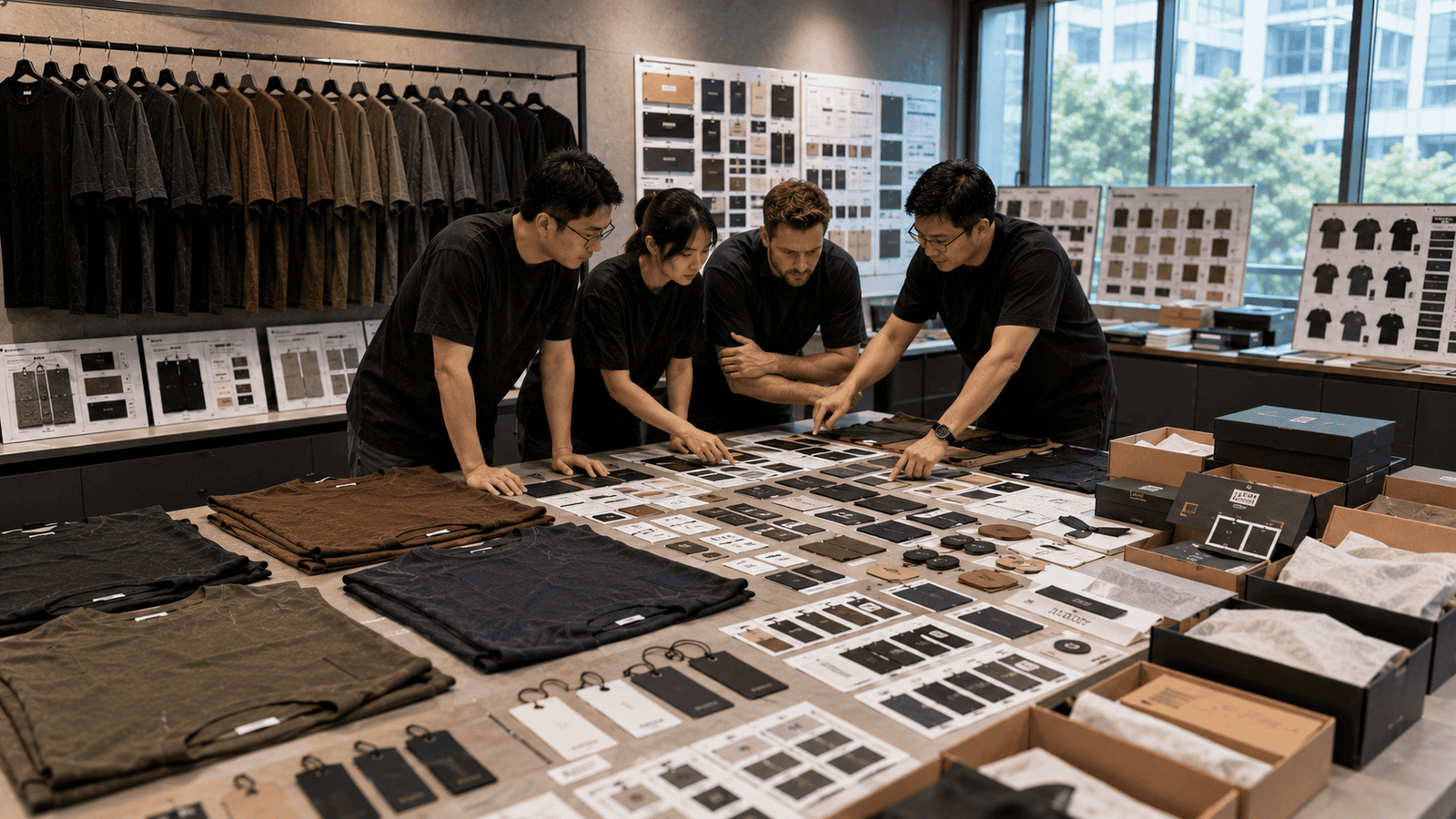
How Does Bulk Production Work for OEM Vintage Streetwear T-Shirts?
After sample approval, the project moves into production.
What Are the Main Production Stages?
Manufacturing generally includes:
- Material Preparation
- Cutting
- Sewing
- Garment Dyeing
- Washing
- Printing
- Quality Inspection
- Packing
How Long Does Bulk Production Take?
| Production Stage | Timeline |
|---|---|
| Material Preparation | 3-5 Days |
| Cutting & Sewing | 7-10 Days |
| Garment Dye & Wash | 5-7 Days |
| Printing & Finishing | 3-5 Days |
| QC & Packing | 2-3 Days |
| Total Production | 25-35 Days |
What Factors Affect Lead Times?
Factors include:
- Fabric availability
- Wash complexity
- Decoration techniques
- Order quantity
How Can Streetwear Brands Evaluate an OEM Manufacturer?
Choosing the right supplier is critical.
Does the Manufacturer Specialize in Streetwear?
Look for experience with:
- Oversized fits
- Heavyweight fabrics
- Vintage washing
- Garment dyeing
Does the Factory Have an In-House Sample Team?
An internal development team improves:
- Communication
- Accuracy
- Consistency
What Quality Control Systems Should Be Available?
| QC Stage | Purpose |
|---|---|
| Fabric Inspection | Material Verification |
| In-Line QC | Production Monitoring |
| Final QC | Product Approval |
| Packing QC | Shipment Verification |
Brands can review the complete Streetwear Product Collection before selecting a manufacturing partner.
What MOQ and Lead Times Should Streetwear Brands Expect?
MOQ requirements vary depending on customization complexity.
What Is the Typical MOQ?
| Product Type | MOQ |
|---|---|
| Vintage Streetwear T-Shirt | 100 pcs/color/style |
| Oversized Vintage Tee | 100 pcs/color/style |
| Private Label Collection | Project Dependent |
What Is the Typical Sample Lead Time?
Most OEM projects require:
- 7-10 Days for samples
What Is the Typical Bulk Lead Time?
Most orders require:
- 25-35 Days for production
Can OEM Manufacturers Produce a Complete Streetwear Collection?
Many brands choose to develop entire collections through one supplier.
What Other Streetwear Products Can Be Produced?
In addition to vintage t-shirts, manufacturers can develop:
- Streetwear Hoodies
- Streetwear Sweatshirts
- Streetwear Jackets
- Streetwear Pants
- Streetwear Shorts
- Streetwear Sets
- Streetwear Tank Tops
- Streetwear Denim Apparel
Why Use One Manufacturer for Multiple Products?
Benefits include:
- Consistent quality
- Unified sizing
- Faster development
- Simplified logistics
Why Are More Streetwear Brands Choosing Chinese OEM Manufacturers?
China remains one of the world's leading apparel manufacturing hubs.
What Advantages Do Chinese Manufacturers Offer?
Key advantages include:
- Advanced garment dye facilities
- Experienced wash technicians
- Competitive pricing
- Strong supply chains
- Scalable production capacity
What Services Are Typically Included?
Most OEM manufacturers provide:
- Product Development
- Sampling
- Bulk Production
- Quality Control
- Private Label Solutions
- Logistics Support
How Can Brands Choose the Right Partner?
Look for manufacturers with:
- Streetwear specialization
- Transparent communication
- Proven production experience
- Reliable quality control
Learn more about professional manufacturing solutions at Ohsure Apparel.
Conclusion
An OEM vintage streetwear t shirts manufacturer provides far more than garment production. From fabric sourcing and garment dyeing to branding, packaging, quality control, and bulk manufacturing, the right partner helps brands create premium products that stand out in the streetwear market.
By understanding the OEM process, brands can make better sourcing decisions, reduce production risks, and build stronger collections that support long-term growth.