
Working with an OEM streetwear t shirts manufacturer is one of the most effective ways to create unique products and build a successful clothing brand. However, many startups and growing brands have questions about MOQ requirements, production costs, lead times, and the overall manufacturing process.
Understanding these factors before placing an order can help you budget accurately, avoid production delays, and choose the right manufacturing partner.
In this guide, we'll explain everything you need to know about OEM streetwear t-shirt production, including MOQ, costs, product development, and manufacturing timelines.
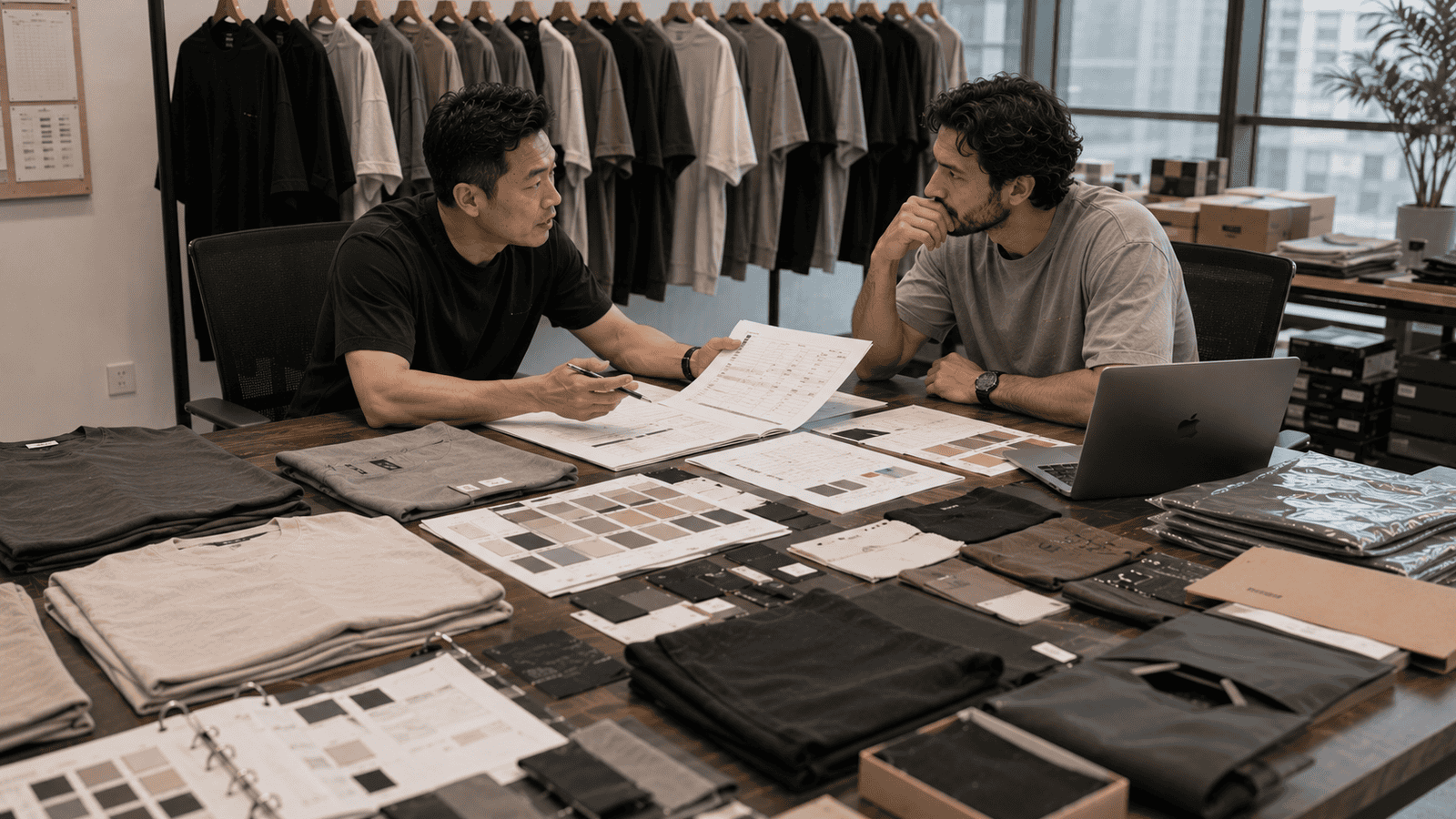
What Is an OEM Streetwear T Shirts Manufacturer?
OEM stands for Original Equipment Manufacturer.
What Does an OEM Manufacturer Do?
An OEM manufacturer produces garments according to your:
- Designs
- Measurements
- Fabric requirements
- Branding specifications
How Is OEM Different From Private Label?
| Manufacturing Model | Product Development | Customization | Brand Control |
|---|---|---|---|
| Blank Apparel | None | Low | Low |
| Private Label | Moderate | Medium | High |
| OEM Manufacturing | Full | High | High |
Why Do Streetwear Brands Prefer OEM Manufacturing?
OEM allows brands to:
- Create unique products
- Develop custom fits
- Control quality standards
- Build stronger brand identity
Many brands partner with a professional Custom Streetwear Manufacturer to develop exclusive collections.
What Is MOQ in OEM Streetwear Manufacturing?
MOQ is one of the first topics discussed with manufacturers.
What Does MOQ Mean?
MOQ stands for Minimum Order Quantity.
It represents the smallest quantity a factory is willing to produce.
Why Do Manufacturers Have MOQ Requirements?
Factories must cover:
- Fabric sourcing costs
- Production setup expenses
- Labor costs
- Quality control resources
What Is a Typical MOQ for Streetwear T-Shirts?
| Product Type | Typical MOQ |
|---|---|
| Basic T-Shirt | 100 pcs |
| Printed T-Shirt | 100 pcs |
| Embroidered T-Shirt | 100 pcs |
| Heavyweight T-Shirt | 100 pcs |
| Fully Customized T-Shirt | 100 pcs |
What Factors Affect MOQ Requirements?
MOQ varies depending on product complexity.
How Does Fabric Choice Affect MOQ?
Custom fabrics may require:
- Higher minimum fabric orders
- Special dyeing requirements
- Longer lead times
How Do Printing Methods Affect MOQ?
Techniques such as:
- Puff printing
- Silicone printing
- Embroidery
may increase production setup costs.
How Can Startups Manage MOQ?
Strategies include:
- Launching fewer styles
- Limiting color options
- Focusing on best-selling products
How Much Does OEM Streetwear T-Shirt Production Cost?
Production costs depend on multiple variables.
What Factors Influence Pricing?
Key cost factors include:
- Fabric quality
- GSM weight
- Printing methods
- Branding options
- Order quantity
What Cost Components Are Included?
| Cost Category | Examples |
|---|---|
| Fabric Cost | Cotton, Organic Cotton, Heavyweight Cotton |
| Trim Cost | Labels, Hang Tags, Packaging |
| Decoration Cost | Printing, Embroidery |
| Labor Cost | Cutting, Sewing, Finishing |
| Shipping Cost | Air, Express, Sea Freight |
Why Do Premium Products Cost More?
Premium products require:
- Better fabrics
- More complex construction
- Higher-quality finishing
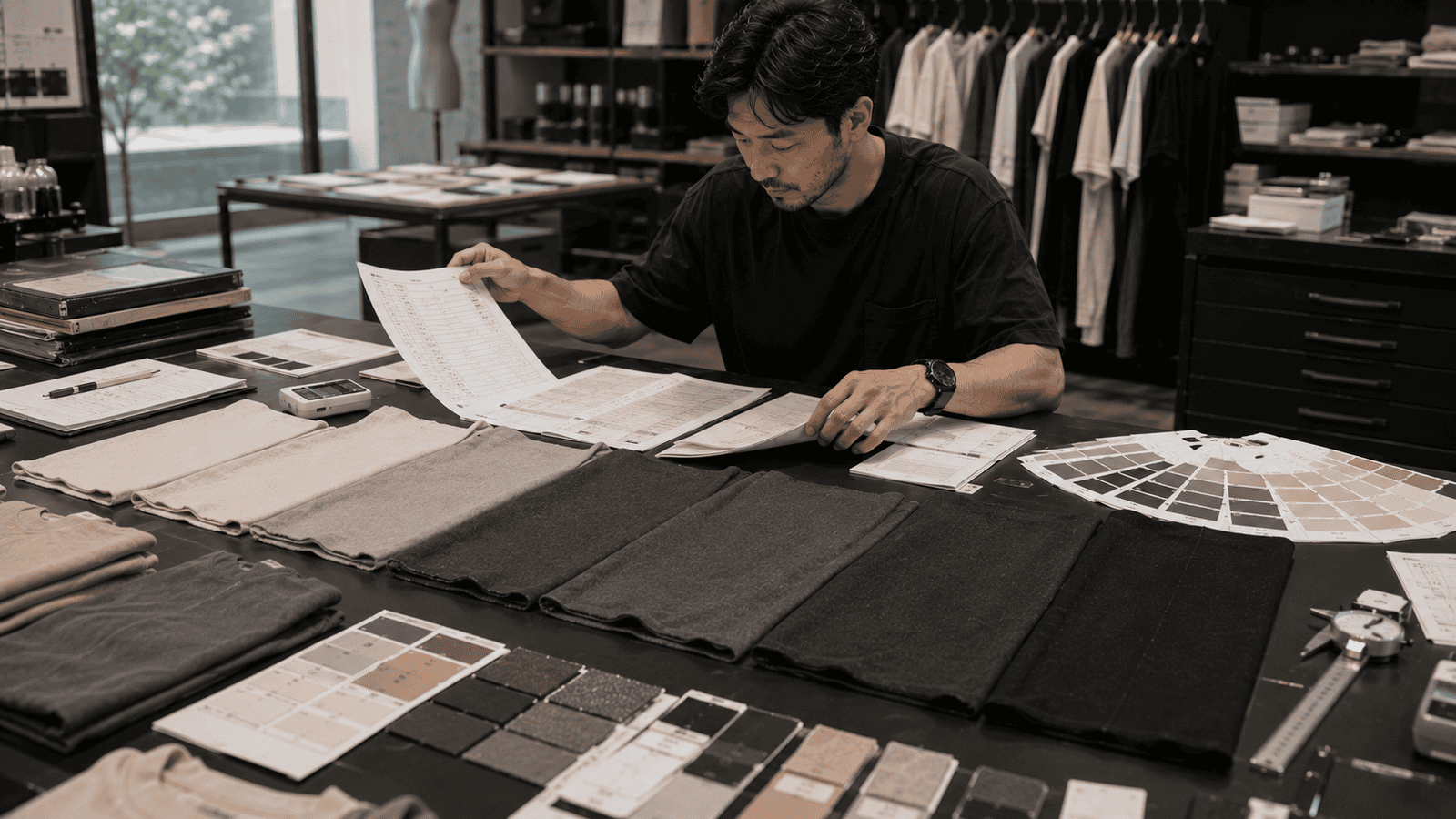
How Does Fabric Selection Impact Pricing?
Fabric is often the largest cost component.
Which Fabrics Are Most Popular?
| Fabric Type | Typical GSM | Premium Level |
|---|---|---|
| 100% Cotton | 180-240 GSM | Good |
| Combed Cotton | 220-300 GSM | Excellent |
| Heavyweight Cotton | 240-300 GSM | Excellent |
| Organic Cotton | 220-280 GSM | Excellent |
Why Are Heavyweight Fabrics More Expensive?
They require:
- More raw material
- More processing
- Higher shipping weight
Is Premium Fabric Worth the Investment?
Higher-quality fabrics often improve:
- Customer satisfaction
- Product lifespan
- Brand positioning
How Do Printing Methods Affect Costs?
Decoration methods significantly impact pricing.
Which Printing Methods Are Common?
| Printing Method | Cost Level | Best For |
|---|---|---|
| Screen Printing | Low-Medium | Large Graphics |
| Puff Printing | Medium | Streetwear Branding |
| DTG Printing | Medium | Detailed Artwork |
| Silicone Printing | High | Luxury Collections |
| Embroidery | High | Premium Branding |
Why Is Screen Printing Cost-Effective?
Advantages include:
- Low unit costs
- High durability
- Excellent scalability
Why Is Embroidery More Expensive?
Embroidery requires:
- Longer machine time
- Additional labor
- Specialized equipment
Many brands developing premium graphics work with a professional Custom T-Shirts Manufacturer to balance quality and production costs.
What Is the Typical OEM Production Process?
Understanding production stages helps brands plan effectively.
What Happens Before Production?
Pre-production includes:
- Design consultation
- Fabric selection
- Sample development
- Sample approval
What Happens During Production?
Production stages include:
- Fabric preparation
- Cutting
- Printing
- Sewing
- Finishing
What Happens After Production?
Post-production includes:
- Quality control
- Packaging
- Shipping preparation
How Long Does OEM Streetwear Production Take?
Lead times vary depending on complexity and order size.
What Are Typical Timelines?
| Production Stage | Typical Time |
|---|---|
| Fabric Sourcing | 3-7 Days |
| Sample Development | 7-10 Days |
| Sample Revision | 5-7 Days |
| Bulk Production | 25-35 Days |
| Quality Control | 1-3 Days |
Why Do Production Delays Happen?
Common causes include:
- Fabric shortages
- Design revisions
- Approval delays
How Can Brands Avoid Delays?
Brands should:
- Approve samples quickly
- Confirm specifications early
- Plan seasonal production ahead
Why Is Quality Control Important in OEM Manufacturing?
Quality control protects both manufacturers and brands.
What Should Be Inspected?
Professional QC checks:
- Measurements
- Fabric consistency
- Print quality
- Stitching quality
- Packaging accuracy
Why Is Sample-to-Bulk Consistency Important?
Customers expect products to match approved samples.
How Can Brands Verify QC Systems?
Request:
- QC reports
- Inspection photos
- Production procedures
Professional OEM Services should include quality checks throughout production.
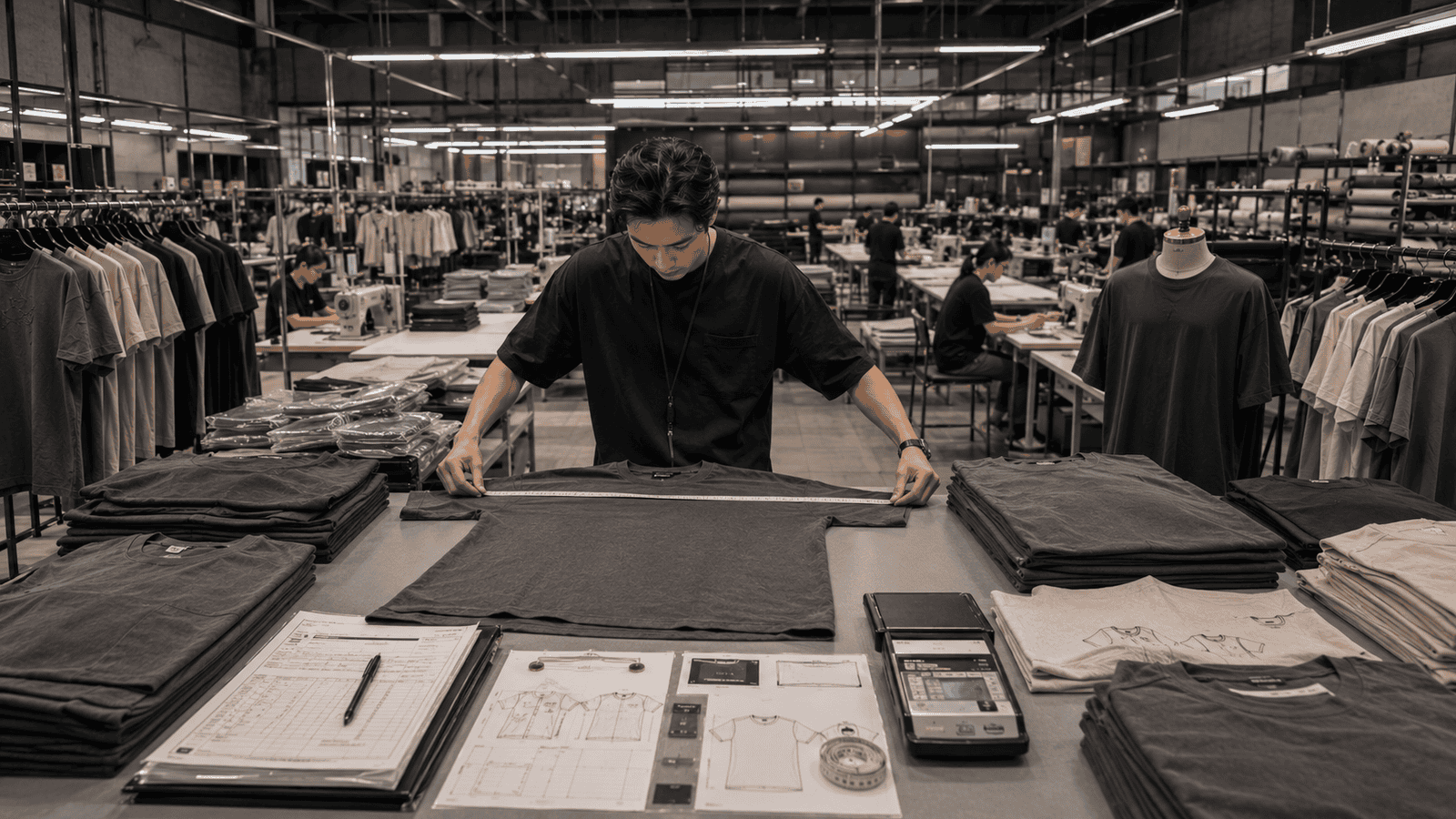
Can One OEM Manufacturer Produce a Full Streetwear Collection?
Many brands prefer working with one production partner.
What Products Can Be Manufactured?
Professional OEM factories can produce:
- Custom T-Shirts
- Streetwear Hoodies
- Streetwear Sweatshirts
- Streetwear Jackets
- Streetwear Tank Tops
- Streetwear Pants
- Streetwear Shorts
- Streetwear Sets
- Streetwear Denim Apparel
Why Is One-Stop Manufacturing Valuable?
Benefits include:
- Consistent quality
- Faster communication
- Simplified project management
How Does It Support Growth?
A single manufacturing partner can help brands scale more efficiently.
How Do You Choose the Right OEM Streetwear T Shirts Manufacturer?
Selecting the right factory is critical for long-term success.
What Should Brands Prioritize?
Look for:
- Product development expertise
- Fabric sourcing capabilities
- Quality control systems
- Communication standards
What Questions Should You Ask?
- What is your MOQ?
- What are your lead times?
- What printing methods do you offer?
- How do you manage quality control?
What Is the Long-Term Advantage?
A strong manufacturing partner helps brands:
- Improve product quality
- Reduce production risks
- Scale operations successfully
Working with an experienced Streetwear Manufacturer provides access to premium development support and reliable OEM production services.
Conclusion
MOQ, costs, and production timelines are some of the most important factors to understand before working with an OEM streetwear t shirts manufacturer.
By understanding how pricing works, how production is managed, and how quality is maintained, brands can make smarter sourcing decisions and build stronger streetwear collections for long-term growth.