
OEM streetwear T-shirt manufacturing has become one of the most popular production models for fashion brands looking to create unique products without investing in their own factory. Whether you're launching a startup clothing brand or scaling an established streetwear label, working with an OEM streetwear T shirts manufacturer in China can provide access to custom development, premium fabrics, private label branding, and scalable production.
But how does OEM manufacturing actually work? What services should a manufacturer provide? And how can brands avoid costly sourcing mistakes?
This guide covers everything you need to know before partnering with an OEM streetwear T-shirt manufacturer in China.
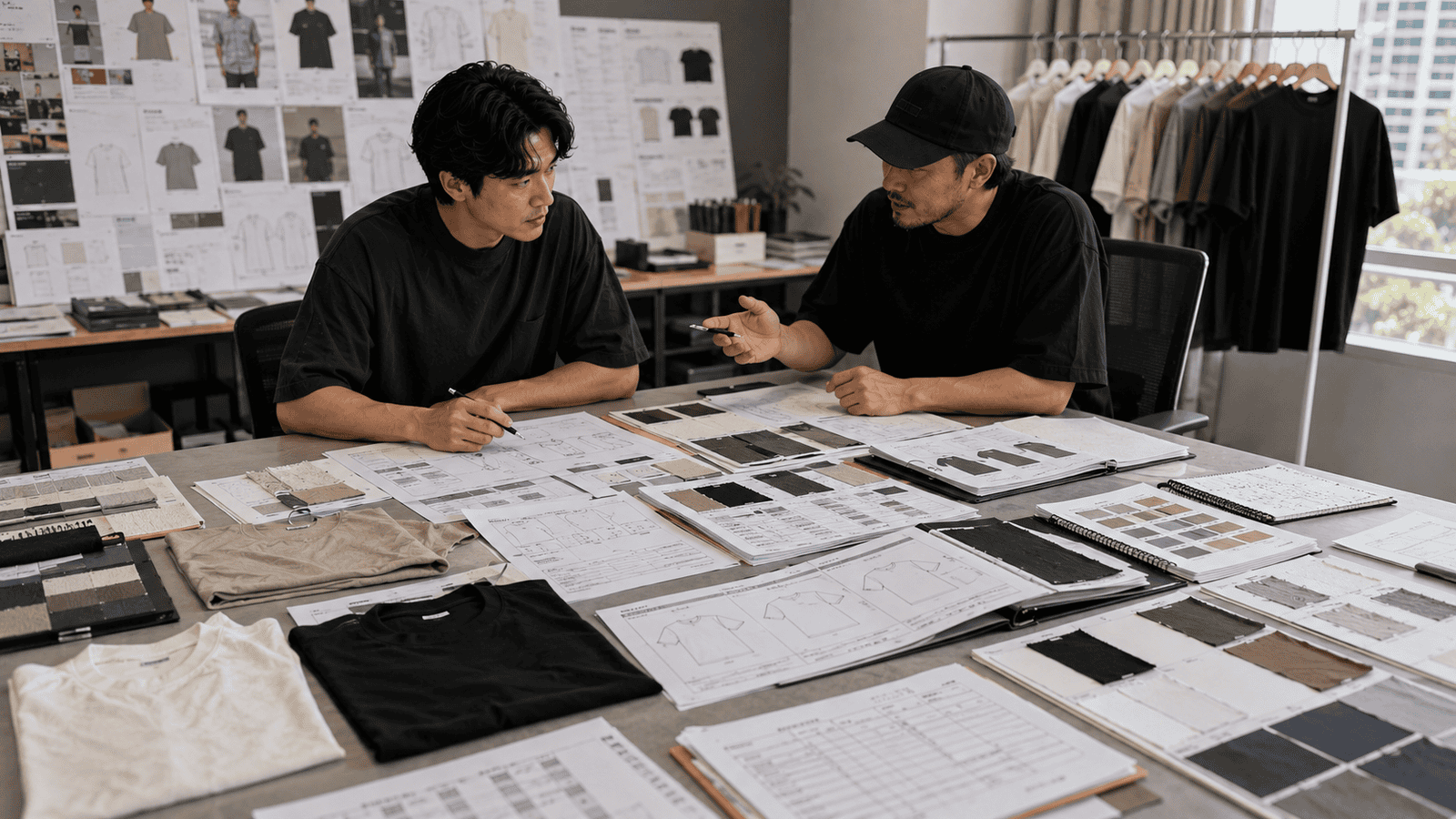
What Does OEM Mean in Streetwear Manufacturing?
What Is OEM Manufacturing?
OEM stands for Original Equipment Manufacturer.
In the apparel industry, OEM means the manufacturer produces garments according to your brand's specifications, including:
- Custom designs
- Fabric requirements
- Fit specifications
- Branding elements
- Packaging details
How Is OEM Different From ODM?
| Manufacturing Model | OEM | ODM |
|---|---|---|
| Design Ownership | Brand | Manufacturer |
| Custom Development | Yes | Limited |
| Product Exclusivity | High | Low |
| Branding Flexibility | High | Medium |
| Product Control | High | Medium |
OEM manufacturing is ideal for brands seeking unique products and full creative control.
Why Do Streetwear Brands Choose OEM Manufacturers in China?
What Advantages Does China Offer?
China remains a leading OEM manufacturing hub because of:
- Mature textile supply chains
- Competitive production costs
- Advanced garment development capabilities
- Flexible MOQ options
- Experienced streetwear production teams
Why Is OEM Popular Among Streetwear Brands?
OEM allows brands to:
- Create unique collections
- Develop custom fits
- Build stronger brand identity
- Control product quality
Many brands partner with a professional Custom Streetwear Manufacturer to combine design freedom with manufacturing expertise.
What Services Should an OEM Streetwear Manufacturer Provide?
What Development Support Is Included?
A professional OEM supplier should provide:
- Product Development
- Pattern Making
- Fabric Sourcing
- Sample Development
- Production Planning
Essential OEM Services
| Service | Importance |
|---|---|
| Pattern Development | High |
| Fabric Sourcing | High |
| Sampling | High |
| Quality Control | High |
| Private Label Support | High |
The best OEM manufacturers function as long-term development partners rather than simple production vendors.
How Does the OEM Development Process Work?
What Happens Before Sampling?
Manufacturers usually require:
- Tech Packs
- Design Sketches
- Measurement Charts
- Logo Files
- Fabric Preferences
Typical OEM Workflow
| Stage | Description |
|---|---|
| Inquiry | Project Discussion |
| Quotation | Cost Evaluation |
| Fabric Sourcing | Material Selection |
| Sample Development | Prototype Creation |
| Sample Approval | Final Confirmation |
| Bulk Production | Manufacturing |
| Quality Control | Inspection |
| Shipment | Delivery |
Understanding the process helps brands reduce delays and improve communication.
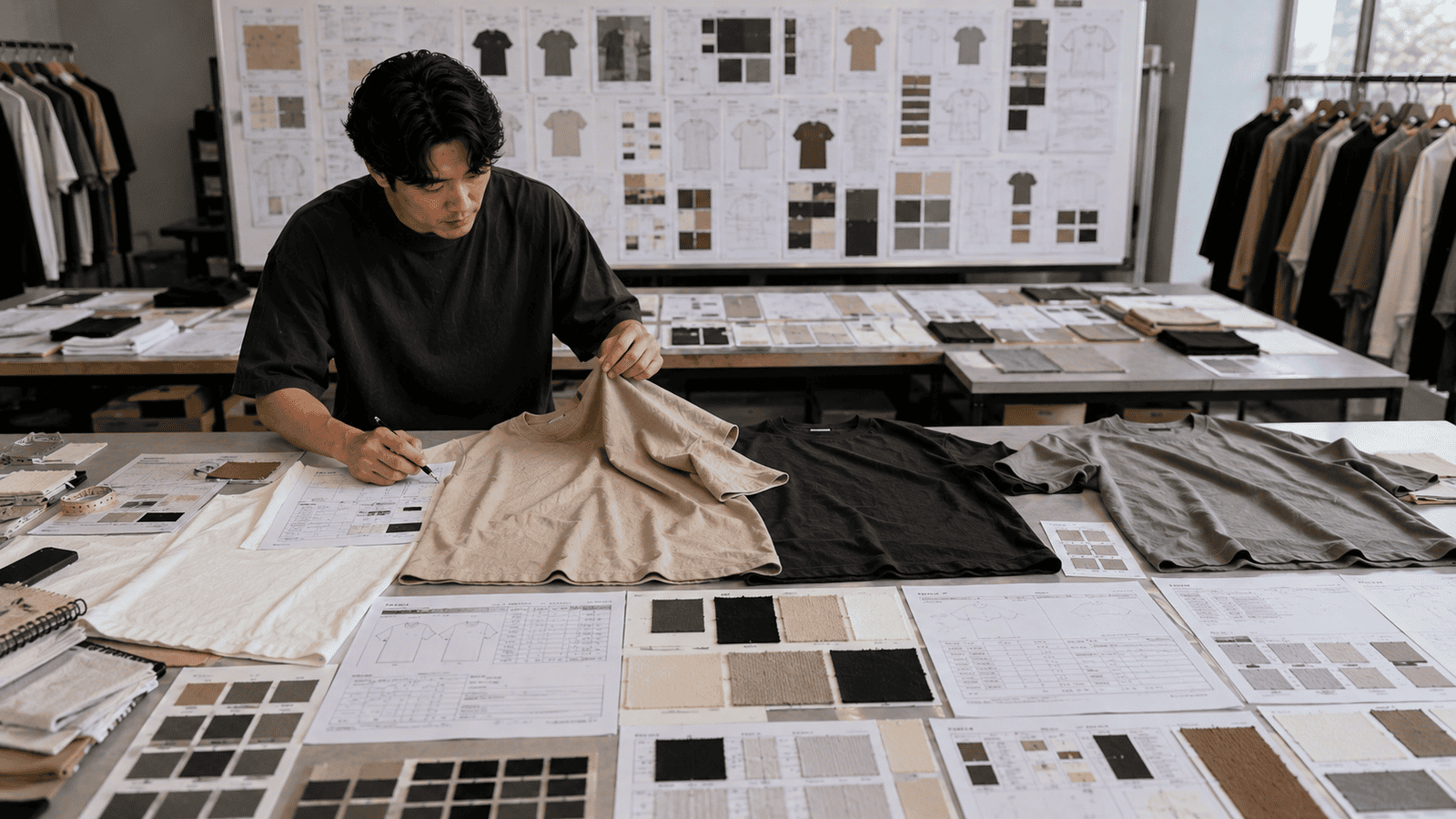
What Fabrics Are Commonly Used for OEM Streetwear T-Shirts?
Why Is Fabric Selection Important?
Fabric directly affects:
- Product quality
- Comfort
- Durability
- Brand positioning
Popular Fabric Options
| Fabric Type | Typical GSM |
|---|---|
| Cotton | 180–260 GSM |
| Heavyweight Cotton | 260–320 GSM |
| Combed Cotton | 220–280 GSM |
| Organic Cotton | 220–300 GSM |
Which Fabric Is Best for Streetwear?
Most premium streetwear brands prefer:
- 240–280 GSM Combed Cotton
- 260–320 GSM Heavyweight Cotton
Because these fabrics provide structure, durability, and a premium feel.
How Are Oversized and Custom Fits Developed?
Why Is Fit Development Critical?
Fit often determines whether a product succeeds or fails.
Popular streetwear fits include:
- Oversized Fit
- Boxy Fit
- Drop Shoulder Fit
- Cropped Oversized Fit
What Areas Are Adjusted During Development?
| Fit Element | Purpose |
|---|---|
| Chest Width | Overall Volume |
| Shoulder Width | Oversized Effect |
| Sleeve Length | Streetwear Silhouette |
| Body Length | Garment Balance |
Professional OEM manufacturers typically provide multiple fit revisions before approval.
What Printing and Decoration Options Are Available?
Which Printing Methods Are Most Popular?
Streetwear brands commonly use:
- Screen Printing
- Puff Printing
- DTG Printing
- High-Density Printing
- Reflective Printing
Branding Options
OEM suppliers should also provide:
- Embroidery
- Silicone Logos
- Woven Labels
- Neck Labels
- Hang Tags
Many brands develop these features through experienced OEM Streetwear Manufacturing Services.
What Is the Typical MOQ for OEM Streetwear T-Shirts?
Why Do OEM Manufacturers Have MOQs?
MOQ helps manufacturers:
- Purchase materials efficiently
- Schedule production economically
- Control operational costs
Typical MOQ Range
| Factory Type | Typical MOQ |
|---|---|
| Startup-Friendly Factory | 100–200 pcs |
| Medium Factory | 300–500 pcs |
| Large Factory | 1000+ pcs |
How Can Startups Reduce MOQ Risk?
Strategies include:
- Fewer colorways
- Stock fabrics
- Limited graphics
- Smaller collections
How Much Does OEM Streetwear Manufacturing Cost?
What Factors Affect Pricing?
Production costs depend on:
- Fabric selection
- GSM weight
- Printing methods
- Labels
- Packaging
- Order quantity
Estimated Manufacturing Costs
| Product Type | Factory Cost |
|---|---|
| Basic Streetwear Tee | $4–$8 |
| Heavyweight Tee | $7–$15 |
| Premium Graphic Tee | $10–$20+ |
For detailed customization options, brands often consult a dedicated Custom T-Shirts Manufacturer.
How Long Does OEM Production Take?
Sample Development Timeline
| Stage | Timeline |
|---|---|
| Fabric Preparation | 2–5 Days |
| Pattern Development | 2–4 Days |
| Sample Production | 3–7 Days |
| Shipping | 3–7 Days |
Bulk Production Timeline
| Order Quantity | Production Time |
|---|---|
| 100–300 pcs | 20–25 Days |
| 300–1000 pcs | 25–35 Days |
| 1000+ pcs | 35–45 Days |
Lead times may vary depending on seasonality and project complexity.
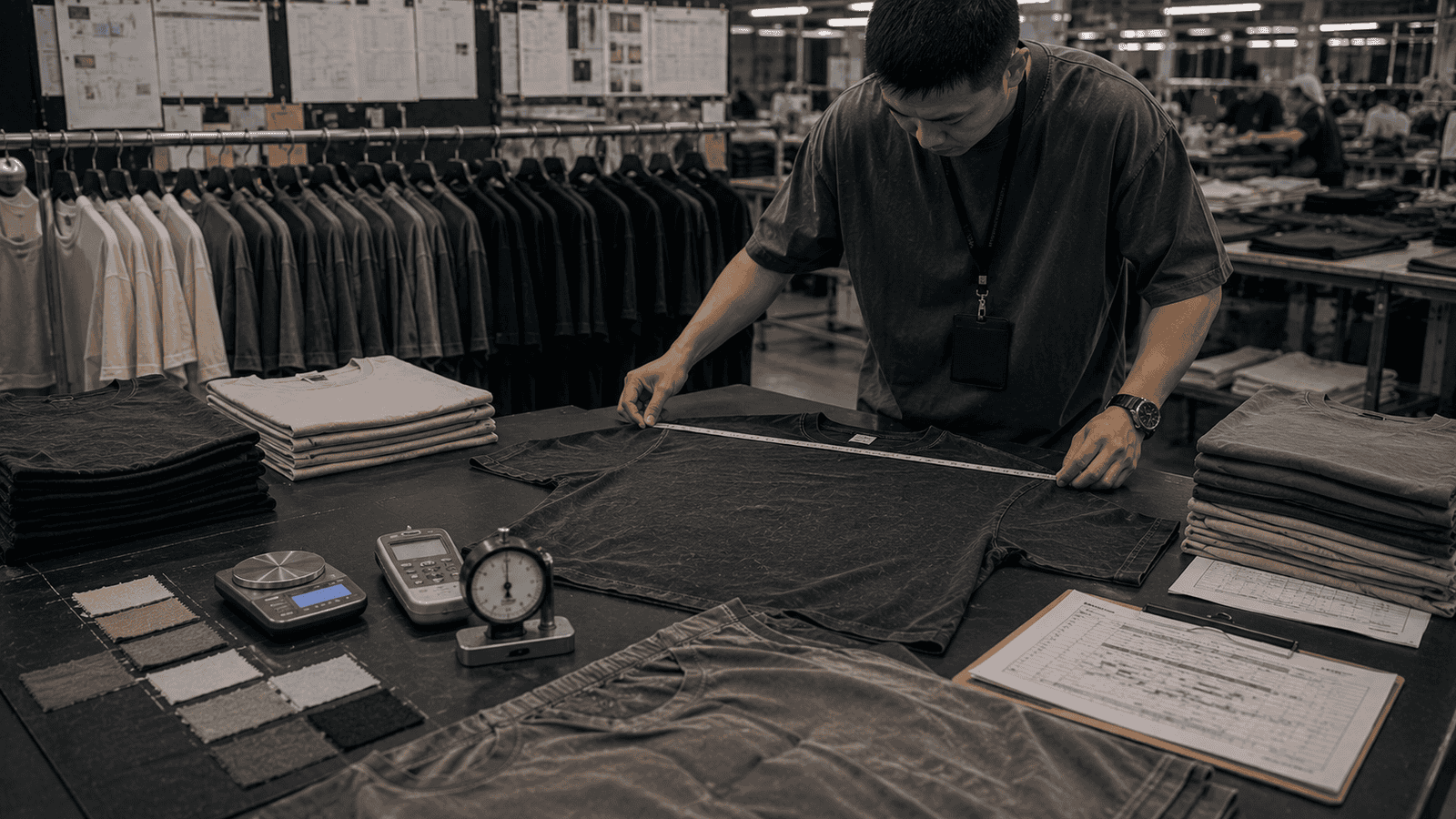
What Quality Control Standards Should an OEM Manufacturer Have?
What QC Processes Are Essential?
Professional factories should implement:
- Fabric Inspection
- In-Line Inspection
- Final Inspection
- Packaging Inspection
What Is Inspected?
| Inspection Area | Purpose |
|---|---|
| Measurements | Accuracy |
| Fabric | Consistency |
| Stitching | Construction Quality |
| Printing | Graphic Quality |
| Packaging | Shipping Accuracy |
Strong QC systems help ensure sample-to-bulk consistency.
Can One OEM Manufacturer Produce a Full Streetwear Collection?
What Categories Are Commonly Produced?
Many brands expand beyond T-shirts into:
- Streetwear Hoodies
- Streetwear Sweatshirts
- Streetwear Jackets
- Streetwear Pants
- Streetwear Shorts
- Streetwear Sets
- Streetwear Denim Apparel
- Streetwear Tank Tops
Why Is One-Stop Manufacturing Valuable?
Benefits include:
- Consistent quality
- Faster development
- Easier communication
- Unified branding
How Do You Choose the Right OEM Streetwear Manufacturer?
Questions You Should Ask
- What is your MOQ?
- Can you develop custom fits?
- What fabrics do you offer?
- What printing methods are available?
- What quality control procedures do you use?
Red Flags to Avoid
- No sample process
- Poor communication
- Unclear pricing
- No quality documentation
- Limited streetwear experience
The best OEM manufacturers act as strategic partners that support long-term brand growth.
OEM Manufacturer Evaluation Checklist
| Evaluation Factor | Importance |
|---|---|
| Product Development | ★★★★★ |
| Fabric Expertise | ★★★★★ |
| Quality Control | ★★★★★ |
| Printing Capability | ★★★★★ |
| Communication | ★★★★★ |
| MOQ Flexibility | ★★★★☆ |
| Private Label Support | ★★★★★ |
| Production Capacity | ★★★★☆ |
Conclusion
OEM manufacturing gives streetwear brands the flexibility to create unique products while leveraging the expertise of experienced manufacturers. From custom fabrics and fit development to private label branding and quality control, a professional OEM streetwear T shirts manufacturer in China can help brands build premium collections and scale efficiently.
Whether you're developing your first oversized graphic tee or launching a complete streetwear line, choosing the right OEM partner is one of the most important decisions for long-term success.
Browse the complete Streetwear Product Collection or visit the Ohsure Apparel Homepage to learn more about available manufacturing solutions.
FAQ
What does OEM mean in streetwear manufacturing?
OEM means the manufacturer produces garments according to the brand's custom specifications, designs, and branding requirements.
What is the MOQ for OEM streetwear T-shirts?
Most manufacturers offer MOQs starting from 100 pieces per style and color.
Can OEM manufacturers create custom oversized fits?
Yes. Professional OEM suppliers provide fit development, pattern making, and sample revisions.
How long does OEM production take?
Samples usually require 7–10 days, while bulk production typically takes 25–35 days.
Can one OEM manufacturer produce an entire streetwear collection?
Yes. Many suppliers can produce T-shirts, hoodies, sweatshirts, jackets, pants, shorts, denim apparel, and matching sets.