
Choosing the right OEM streetwear T-shirts manufacturer is about much more than finding a factory that can sew garments. Fabric quality, GSM selection, printing methods, fit development, and quality control all play a critical role in creating successful streetwear products.
For modern streetwear brands, understanding fabrics, garment weight, and decoration techniques is essential for developing products that stand out in a competitive market.
This guide explains everything you need to know about fabric selection, GSM options, and printing methods when working with an OEM streetwear T-shirts manufacturer.
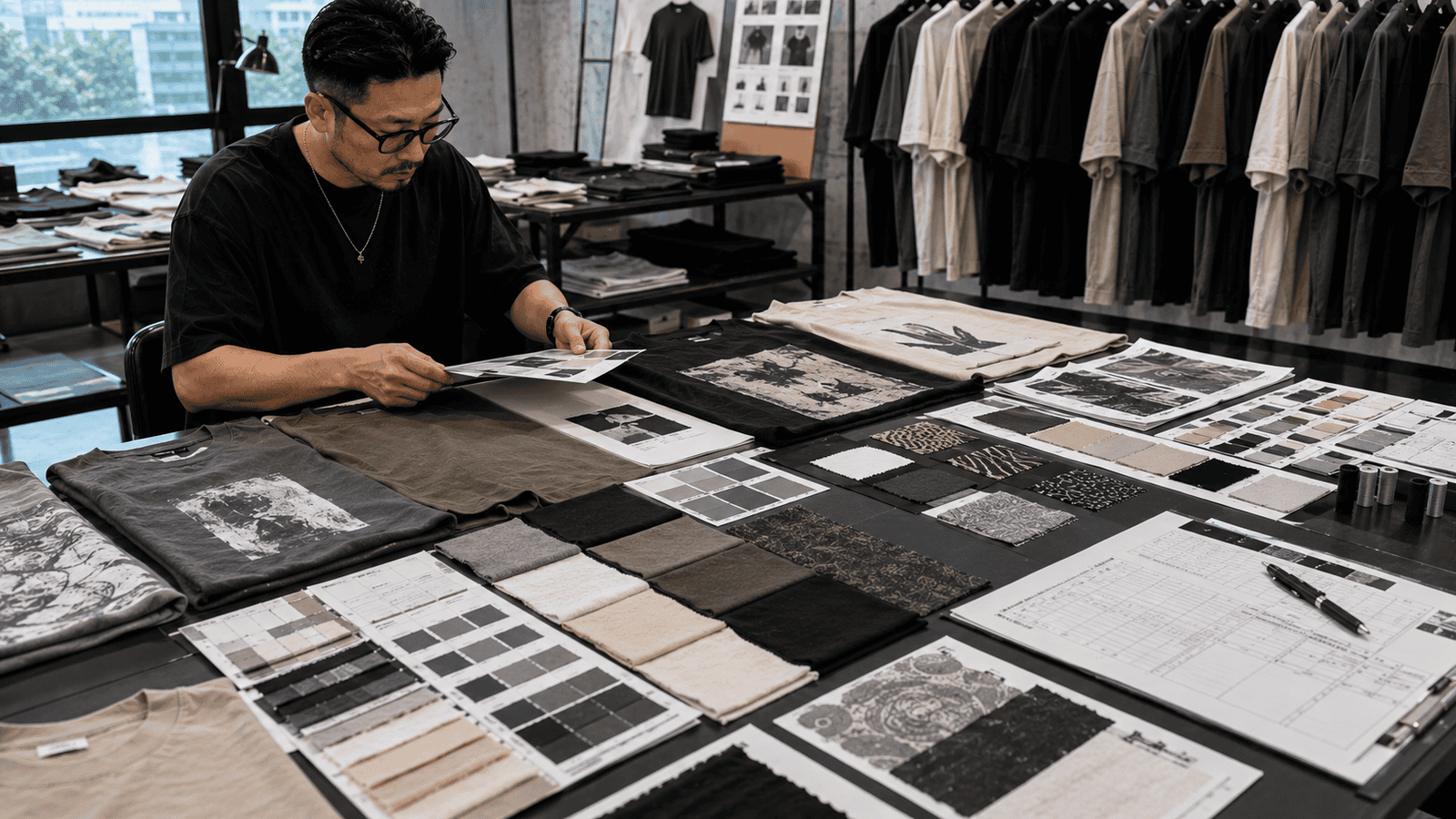
What Does an OEM Streetwear T Shirts Manufacturer Do?
What Does OEM Mean?
OEM stands for Original Equipment Manufacturer.
OEM factories help brands create products through:
- Fabric sourcing
- Pattern development
- Sampling
- Printing
- Private label branding
- Bulk production
Why Do Streetwear Brands Prefer OEM Manufacturing?
OEM production offers:
- Full customization
- Better product control
- Stronger brand identity
How Is OEM Different From Blank Apparel?
OEM allows brands to develop completely custom garments rather than decorating pre-made blanks.
Many brands work with an experienced Custom Streetwear Manufacturer to create unique collections.
Why Is Fabric Selection So Important for Streetwear T-Shirts?
How Does Fabric Influence Product Quality?
Fabric affects:
- Comfort
- Durability
- Appearance
- Customer satisfaction
What Fabric Characteristics Matter Most?
Brands should evaluate:
- Fiber composition
- Fabric weight
- Softness
- Shrinkage performance
Why Do Premium Brands Focus on Fabric Quality?
High-quality fabrics help create:
- Better customer experiences
- Stronger brand positioning
- Higher perceived value
What Fabrics Are Most Commonly Used in Streetwear T-Shirts?
Which Cotton Fabrics Are Most Popular?
Common choices include:
- 100% Cotton
- Combed Cotton
- Compact Cotton
- Organic Cotton
What Are the Advantages of Combed Cotton?
Benefits include:
- Smoother surface
- Better durability
- Improved softness
Is Organic Cotton Worth Considering?
Organic cotton can support:
- Sustainable branding
- Premium positioning
- Environmental initiatives
| Fabric Type | Softness | Durability | Premium Feel |
|---|---|---|---|
| 100% Cotton | Good | Good | Good |
| Combed Cotton | Excellent | Excellent | Excellent |
| Compact Cotton | Excellent | Excellent | Premium |
| Organic Cotton | Excellent | Good | Premium |
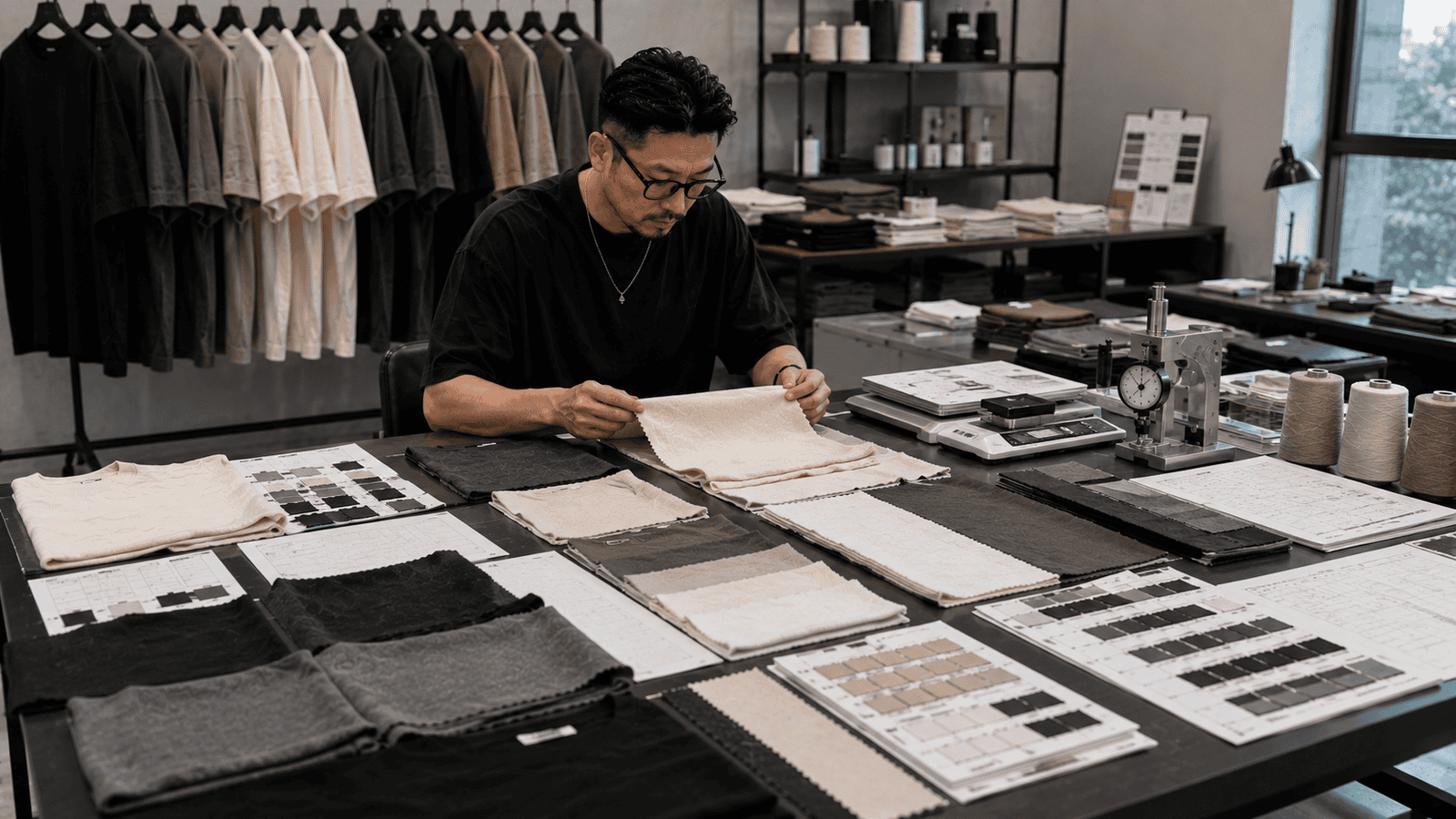
What Is GSM and Why Does It Matter?
What Does GSM Mean?
GSM stands for Grams per Square Meter.
It measures fabric weight.
How Does GSM Affect a T-Shirt?
Higher GSM generally provides:
- Better structure
- Greater durability
- More premium appearance
Why Is GSM Important for Streetwear?
Fabric weight plays a major role in:
- Product positioning
- Customer perception
- Garment silhouette
Which GSM Is Best for Streetwear T-Shirts?
What GSM Range Is Most Common?
| GSM Range | Fabric Weight | Typical Use |
|---|---|---|
| 180-220 GSM | Medium Weight | Everyday Tees |
| 220-240 GSM | Heavyweight | Premium Streetwear |
| 240-260 GSM | Extra Heavyweight | Oversized Collections |
| 280-300 GSM | Luxury Weight | High-End Brands |
| 300 GSM+ | Ultra Heavyweight | Specialty Products |
Which GSM Is Best for Oversized Streetwear?
Most oversized streetwear brands choose:
- 240 GSM
- 260 GSM
- 300 GSM
How Should Brands Select GSM?
Consider:
- Climate
- Fit style
- Target customer
- Brand positioning
How Does Fabric Weight Affect Oversized Fits?
Why Do Oversized T-Shirts Require Heavier Fabrics?
Heavier fabrics provide:
- Better drape
- Stronger silhouette
- Improved structure
What Happens If Fabric Is Too Lightweight?
Lightweight fabrics may:
- Collapse easily
- Lose shape
- Appear less premium
Which Fabric Weights Work Best?
Most premium oversized products use:
- 240 GSM+
- 260 GSM+
- 300 GSM+
Many brands developing oversized products work with a professional Custom T-Shirts Manufacturer for fit and fabric optimization.
What Printing Methods Are Most Popular in Streetwear?
Which Printing Techniques Are Common?
Popular methods include:
- Screen Printing
- Puff Printing
- DTG Printing
- Silicone Printing
- Embroidery
Why Is Printing Important?
Printing influences:
- Brand image
- Product value
- Visual impact
Which Method Is Best?
The ideal method depends on:
- Artwork
- Fabric
- Budget
- Brand positioning
How Do Different Printing Methods Compare?
What Are the Advantages of Screen Printing?
Screen printing offers:
- Excellent durability
- Cost efficiency
- Strong color coverage
Why Is Puff Printing Popular?
Puff printing creates:
- Raised graphics
- Premium texture
- Streetwear aesthetics
When Should Embroidery Be Used?
Embroidery works best for:
- Logos
- Premium collections
- Minimalist designs
| Printing Method | Durability | Texture | Premium Feel |
|---|---|---|---|
| Screen Printing | Excellent | Smooth | High |
| Puff Printing | Excellent | Raised | Premium |
| DTG Printing | Good | Soft | Medium |
| Silicone Printing | Excellent | Rubberized | Premium |
| Embroidery | Excellent | Textured | Luxury |
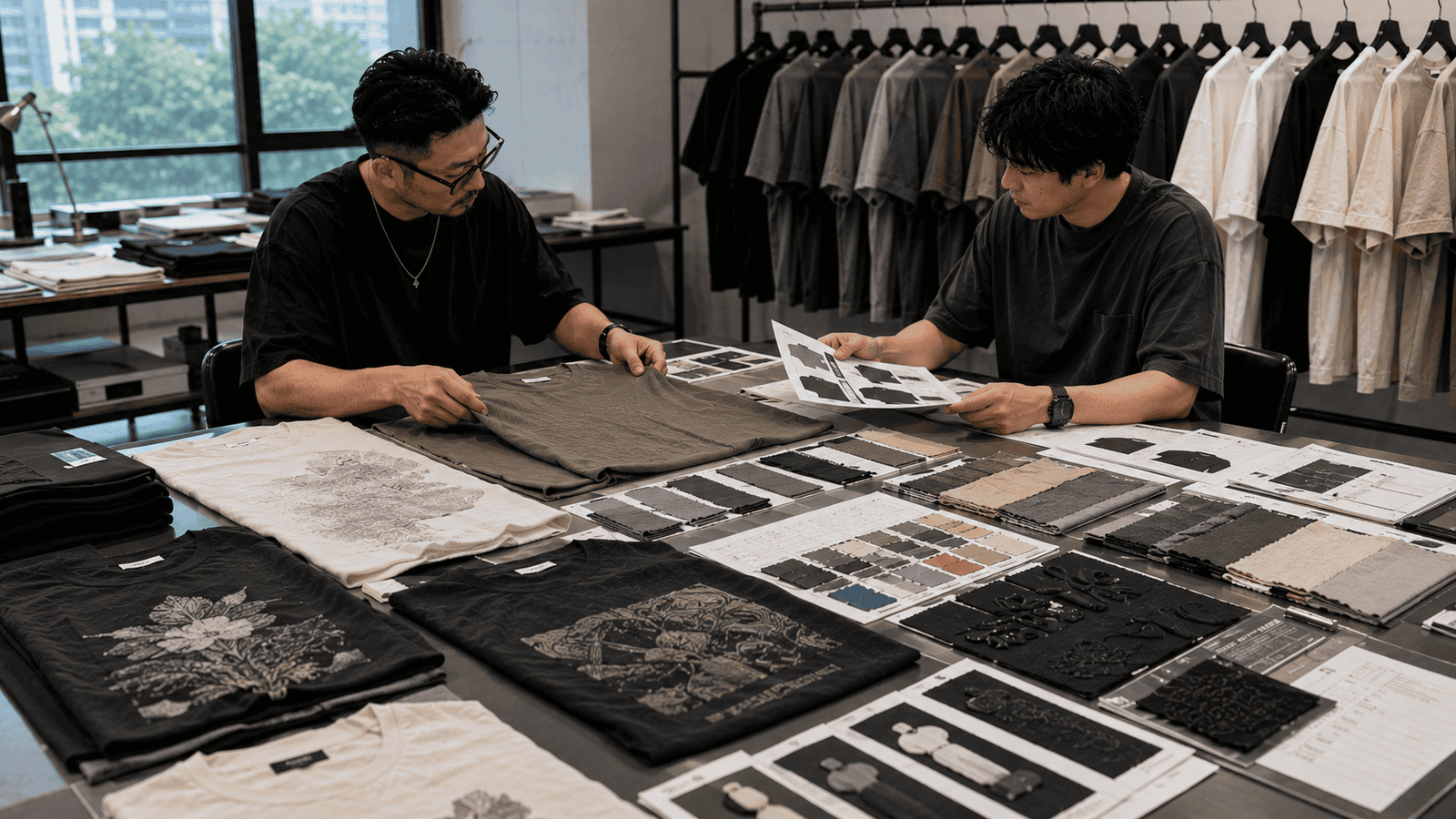
How Can Brands Choose the Right Fabric and Printing Combination?
Why Should Fabric and Printing Be Considered Together?
Some decoration methods perform better on specific fabrics.
Which Combinations Are Most Popular?
| Fabric Type | Recommended Decoration |
|---|---|
| Heavyweight Cotton | Puff Printing |
| Combed Cotton | Screen Printing |
| Organic Cotton | Water-Based Printing |
| Compact Cotton | Embroidery |
How Can Manufacturers Help?
Experienced OEM manufacturers can recommend combinations that optimize:
- Durability
- Appearance
- Cost
How Does Quality Control Protect Fabric and Printing Quality?
What Should Be Inspected?
Quality control should verify:
- Fabric consistency
- GSM accuracy
- Print quality
- Stitching quality
Why Is Sample Approval Important?
Approved samples become the reference for bulk production.
What QC Processes Should Factories Use?
Professional OEM Services should include:
- Fabric inspection
- In-line inspection
- Final inspection
Can One OEM Manufacturer Produce a Complete Streetwear Collection?
What Products Can Be Manufactured?
A professional OEM factory can produce:
- Custom T-Shirts
- Streetwear Hoodies
- Streetwear Sweatshirts
- Streetwear Jackets
- Streetwear Tank Tops
- Streetwear Pants
- Streetwear Shorts
- Streetwear Sets
- Streetwear Denim Apparel
Why Is One-Stop Manufacturing Valuable?
Benefits include:
- Consistent quality
- Faster communication
- Easier collection management
How Does It Support Brand Growth?
One manufacturing partner can simplify future product expansion.
Conclusion
Fabric quality, GSM selection, and printing methods are three of the most important factors in developing successful streetwear T-shirts.
By understanding how fabrics, garment weight, and decoration techniques work together, brands can make better sourcing decisions and create products that deliver both quality and long-term customer value.
Working with an experienced Streetwear Manufacturer provides access to fabric expertise, custom development support, premium printing options, and scalable OEM production solutions.