
For many fashion brands, finding the right OEM premium streetwear T shirts manufacturer is one of the most important decisions in the product development process. OEM manufacturing allows brands to create unique products based on their own designs, specifications, and branding requirements while leveraging the expertise of an experienced apparel factory.
However, many startups and even established brands misunderstand how OEM manufacturing works, what services are included, and how to choose the right manufacturing partner.
In this guide, we'll explain everything fashion brands need to know about working with an OEM premium streetwear T shirts manufacturer.
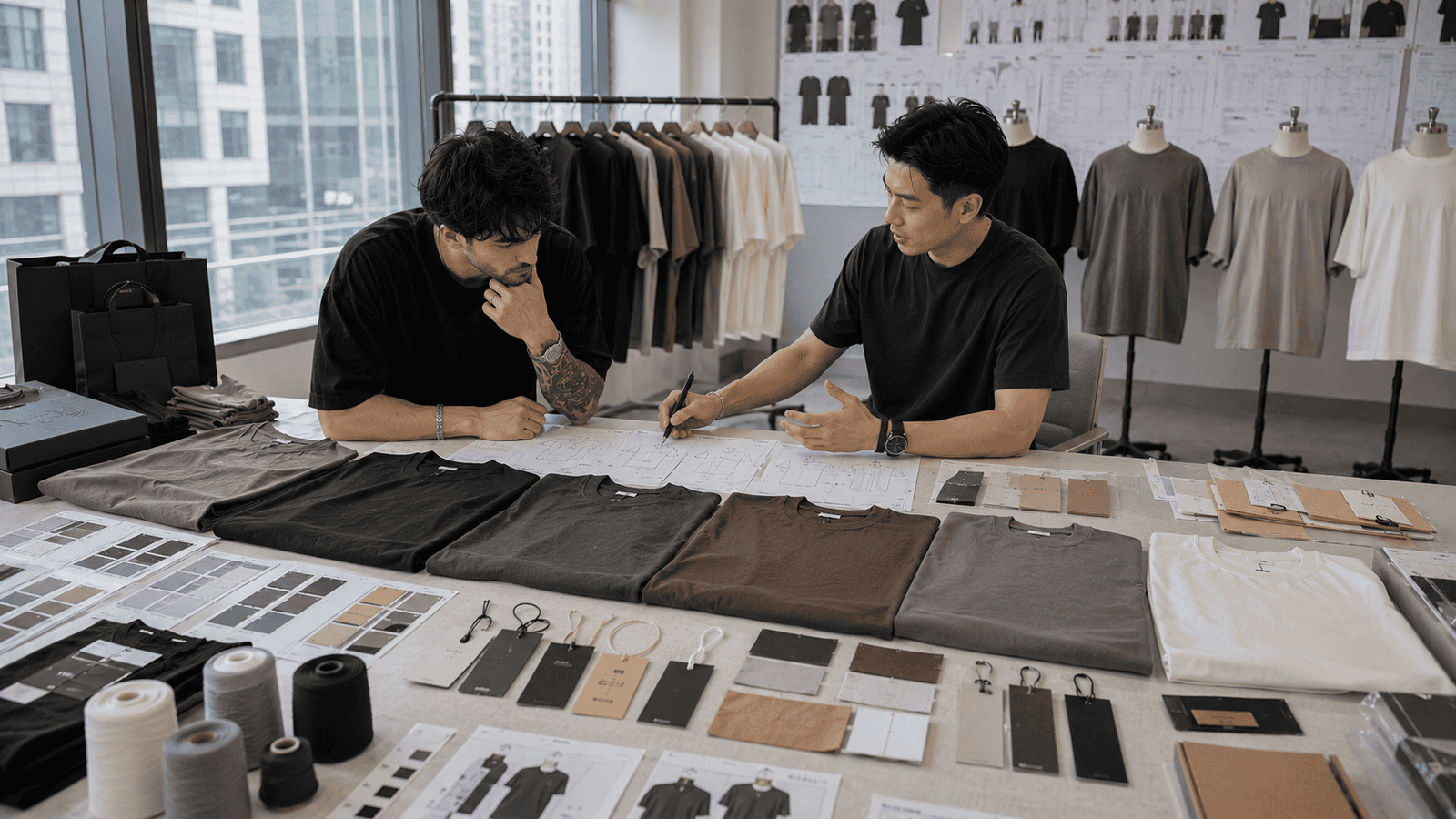
What Is an OEM Premium Streetwear T Shirts Manufacturer?
Understanding OEM manufacturing is the first step toward building a successful streetwear brand.
What Does OEM Mean?
OEM stands for Original Equipment Manufacturer.
In apparel manufacturing, OEM means:
- Brands provide designs
- Manufacturers produce products according to specifications
- Products are sold under the brand's own label
How Is OEM Different From Standard Manufacturing?
OEM manufacturers offer:
- Custom development
- Fabric sourcing
- Pattern making
- Private label branding
- Production management
OEM vs Standard Manufacturing
| Feature | OEM Manufacturer | Standard Manufacturer |
|---|---|---|
| Custom Design | Yes | Limited |
| Pattern Development | Yes | No |
| Fabric Selection | Flexible | Standard |
| Private Label | Full Support | Limited |
| Product Ownership | Brand | Manufacturer |
Many brands partner with a professional Custom Streetwear Manufacturer to create exclusive collections through OEM production.
Why Do Fashion Brands Choose OEM Manufacturing?
OEM manufacturing gives brands greater control over their products.
Complete Product Customization
Brands can customize:
- Fabric
- Fit
- Graphics
- Labels
- Packaging
Stronger Brand Identity
OEM products help brands:
- Differentiate from competitors
- Build customer loyalty
- Increase perceived value
Better Long-Term Scalability
OEM manufacturing supports:
- Product consistency
- Collection expansion
- Brand growth
What Services Does an OEM Streetwear Manufacturer Provide?
OEM manufacturing involves much more than garment production.
Product Development Services
Manufacturers often assist with:
- Design review
- Tech pack evaluation
- Fabric recommendations
Sampling Services
Manufacturers create:
- Development samples
- Fit samples
- Approval samples
Production Services
Manufacturers handle:
- Cutting
- Sewing
- Printing
- Finishing
OEM Service Overview
| Service | Included |
|---|---|
| Fabric Sourcing | Yes |
| Pattern Development | Yes |
| Sampling | Yes |
| Bulk Production | Yes |
| Quality Control | Yes |
| Private Label Branding | Yes |
Learn more about complete OEM Services for fashion brands.
What Fabrics Are Commonly Used in OEM Streetwear T-Shirts?
Fabric selection is one of the most important OEM decisions.
Why Fabric Matters
Fabric affects:
- Comfort
- Durability
- Appearance
- Customer satisfaction
Popular Streetwear Fabric Options
| Fabric Type | Best For |
|---|---|
| Combed Cotton | Premium basics |
| Organic Cotton | Sustainable collections |
| Cotton-Spandex Blend | Fashion-forward styles |
| Heavyweight Cotton | Luxury streetwear |
| Cotton-Poly Blend | Everyday wear |
What Fabric Weight Is Recommended?
Most premium streetwear brands choose:
- 260 GSM
- 280 GSM
- 300 GSM
For custom fabric development, visit our Custom T-Shirts Manufacturer page.
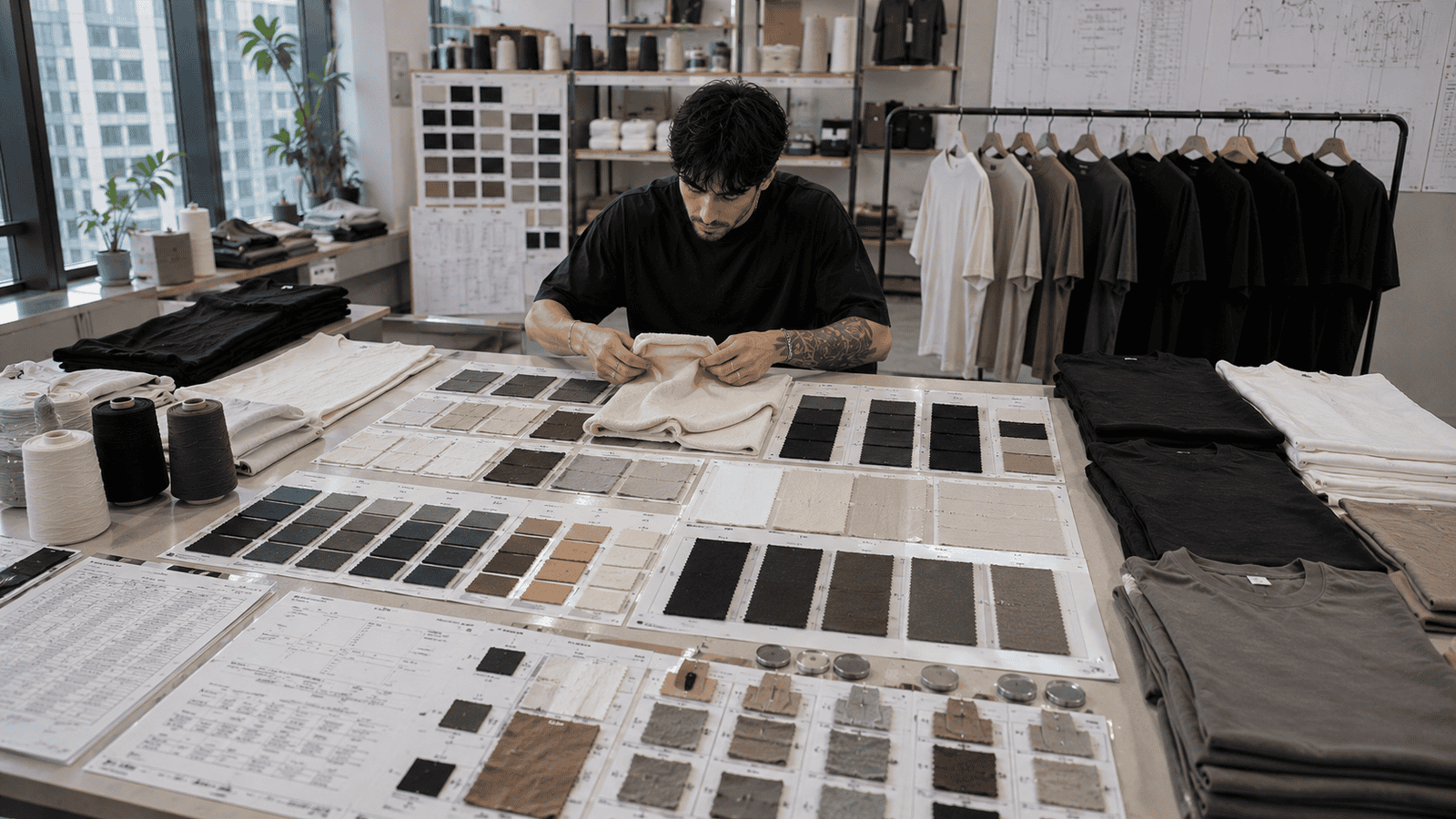
How Does OEM Fit Development Work?
Fit development helps create unique products that represent a brand's identity.
Why Is Fit Development Important?
Fit influences:
- Customer satisfaction
- Brand recognition
- Product differentiation
Common Streetwear Fits
Oversized Fit
- Relaxed silhouette
- Dropped shoulders
Boxy Fit
- Wider body
- Cropped length
Relaxed Fit
- Commercial versatility
OEM Fit Development Process
- Base pattern creation
- Sample development
- Fit adjustments
- Final grading
What Printing and Branding Options Are Available?
OEM manufacturing allows brands to customize every detail.
Printing Techniques
Screen Printing
Ideal for:
- Large graphics
- High-volume production
Puff Printing
Ideal for:
- Raised designs
- Modern streetwear
High Density Printing
Ideal for:
- Luxury collections
Embroidery
Ideal for:
- Logos
- Premium branding
Branding Options
Manufacturers can provide:
- Woven labels
- Printed neck labels
- Satin care labels
- Hang tags
- Packaging
Printing Comparison
| Method | Durability | Premium Appearance |
|---|---|---|
| Screen Print | High | Good |
| Puff Print | High | Excellent |
| High Density | Very High | Excellent |
| Embroidery | Excellent | Premium |
How Does the OEM Sampling Process Work?
Sampling is one of the most important stages of OEM manufacturing.
Development Sample
Tests:
- Fabric
- Construction
- Fit
Revision Sample
Improves:
- Measurements
- Graphics
- Details
Approval Sample
Final version before production.
Sample Timeline
| Stage | Typical Lead Time |
|---|---|
| Pattern Making | 1–3 Days |
| Sample Production | 3–7 Days |
| Revision | 2–5 Days |
| Approval | Customer Review |
How Is Quality Control Managed in OEM Manufacturing?
Quality control protects both manufacturers and brands.
Fabric Inspection
Manufacturers verify:
- GSM consistency
- Fabric defects
- Color matching
Production Inspection
Manufacturers verify:
- Stitch quality
- Measurement accuracy
- Print consistency
Final Inspection
Manufacturers verify:
- Packaging
- Labels
- Finished garments
Quality Control Checklist
| Inspection Area | Key Focus |
|---|---|
| Fabric | Quality & GSM |
| Cutting | Accuracy |
| Sewing | Construction |
| Printing | Consistency |
| Packaging | Branding details |
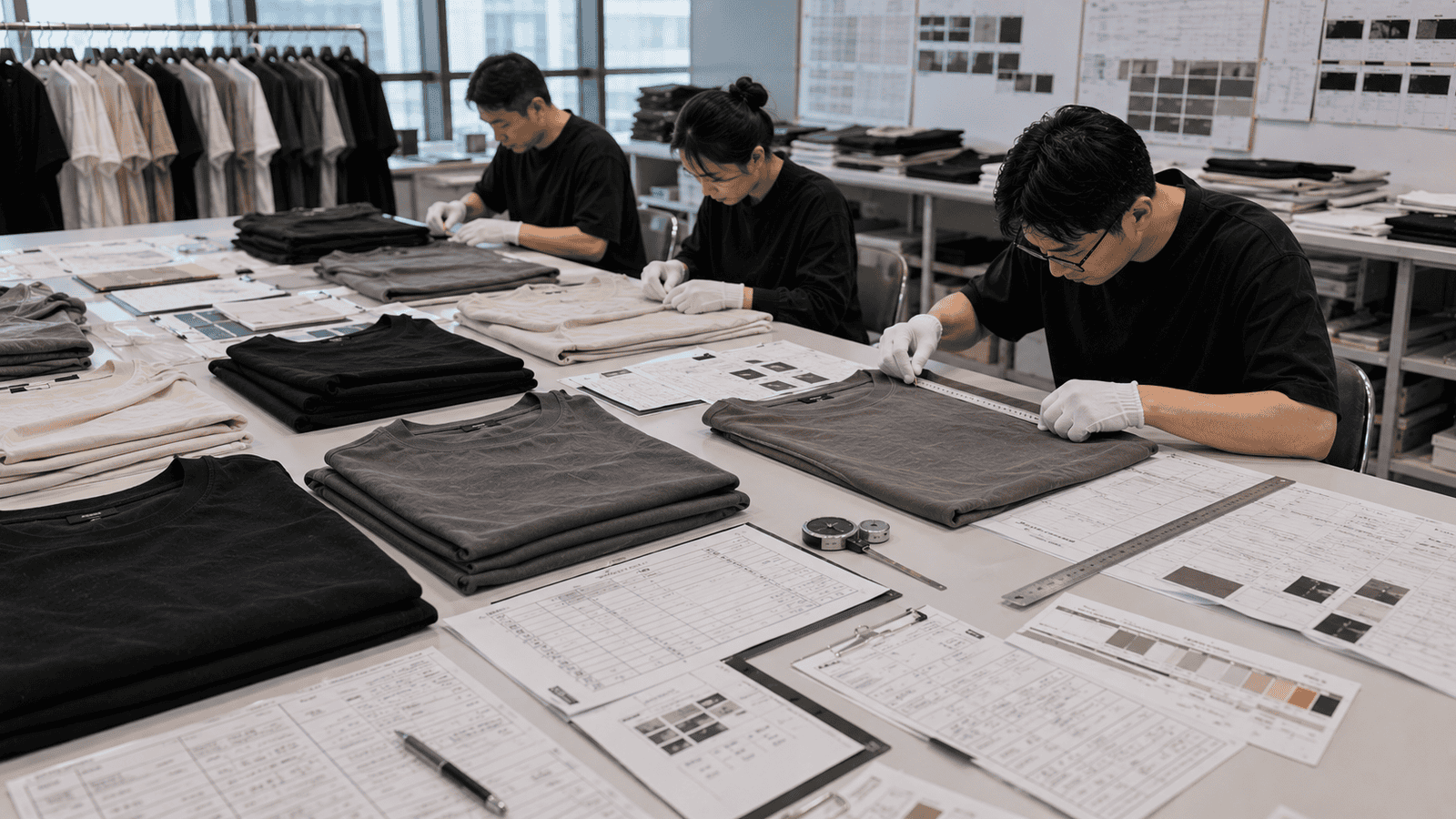
What Are the Advantages of OEM Manufacturing Compared With Ready-Made Products?
OEM manufacturing offers greater flexibility and brand control.
OEM Advantages
Exclusive Products
No direct product duplication.
Premium Positioning
Higher perceived value.
Better Branding
Stronger customer recognition.
Ready-Made Product Limitations
Often include:
- Generic designs
- Limited customization
- Reduced differentiation
OEM vs Ready-Made Comparison
| Factor | OEM Manufacturing | Ready-Made Products |
|---|---|---|
| Product Uniqueness | High | Low |
| Branding Potential | High | Limited |
| Flexibility | High | Limited |
| Long-Term Value | High | Moderate |
Can One OEM Manufacturer Produce an Entire Streetwear Collection?
Many fashion brands prefer working with a single manufacturing partner.
Product Categories Beyond T-Shirts
A capable OEM supplier should also offer:
- Streetwear Hoodie Manufacturer
- Streetwear Sweatshirt Manufacturer
- Streetwear Jacket Manufacturer
- Streetwear Pants Manufacturer
- Streetwear Shorts Manufacturer
- Streetwear Sets Manufacturer
- Streetwear Denim Apparel Manufacturer
- Streetwear Tank Top Manufacturer
You can browse additional categories on our Products page.
Benefits of Consolidated Manufacturing
- Consistent quality
- Easier communication
- Faster development
- Better production planning
What Questions Should Fashion Brands Ask Before Choosing an OEM Manufacturer?
The right questions help reduce sourcing risks.
Questions About Fabric
- What fabric options do you offer?
- Can you provide testing reports?
Questions About Sampling
- How many revisions are included?
- What is the sample lead time?
Questions About Production
- What is your MOQ?
- What is your production timeline?
Questions About Branding
- Do you provide custom labels?
- Can you create custom packaging?
Conclusion
OEM manufacturing is one of the most effective ways for fashion brands to create unique, high-quality streetwear products.
A professional OEM premium streetwear T shirts manufacturer can help brands with:
- Fabric sourcing
- Fit development
- Sampling
- Printing
- Quality control
- Private label branding
- Bulk production
By understanding how OEM manufacturing works, brands can make better sourcing decisions, build stronger collections, and create products that stand out in a competitive streetwear market.