
Men’s streetwear T-shirts are the foundation of modern fashion brands. From OEM development to private label branding and bulk production, choosing the right manufacturer determines your product quality, scalability, and brand positioning in the global market.
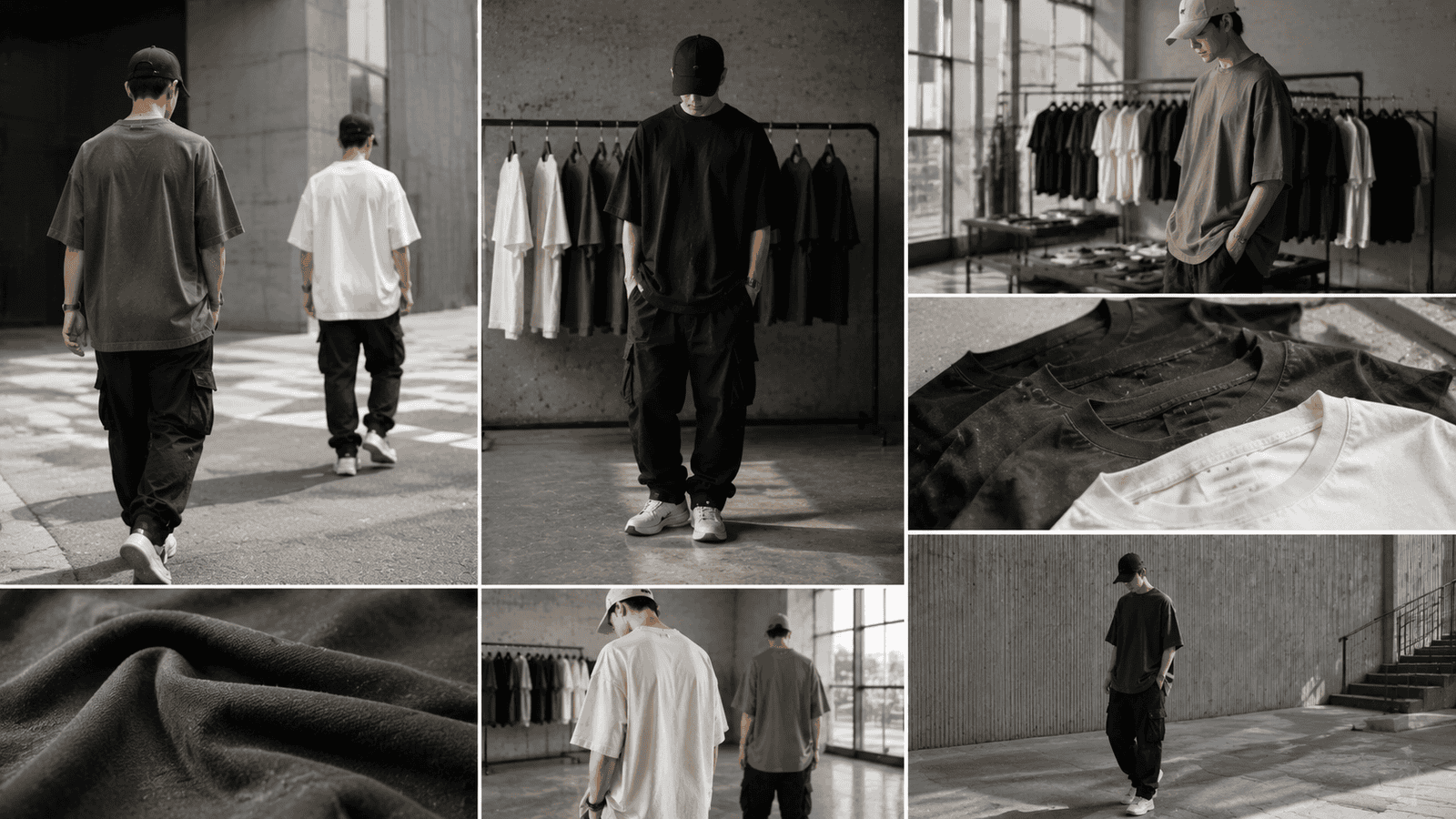
What does a men’s streetwear T-shirt manufacturer actually do?
Core responsibilities of a manufacturer
A professional factory handles:
- Fabric sourcing and testing
- Pattern making and grading
- Sampling and bulk production
- Quality control and packaging
OEM vs ODM vs Private Label
- OEM: You provide design, factory produces
- ODM: Factory provides ready designs
- Private Label: Existing styles with your branding
Why manufacturers are essential for streetwear brands
They ensure:
- Consistent quality
- Scalable production
- Reliable delivery timelines
Internal links:
How does OEM production work for men’s streetwear T-shirts?
Step 1: Tech pack confirmation
Includes:
- Design sketches
- Measurements
- Fabric selection
Step 2: Fabric sourcing and sampling
Fabric is tested before production for:
- Shrinkage
- Color consistency
- GSM accuracy
Step 3: Sample development
Lead time: 7–10 days
Step 4: Bulk production process
Includes:
- Fabric inspection
- Cutting & sewing
- Printing & finishing
- Final QC
What is private label production in streetwear manufacturing?
Private label process explained
Private label includes:
- Custom woven labels
- Neck prints
- Hang tags
- Packaging design
Why brands choose private label
It helps build:
- Strong brand identity
- Higher retail value
- Customer loyalty
Difference between OEM and private label
OEM focuses on production, private label focuses on branding identity.
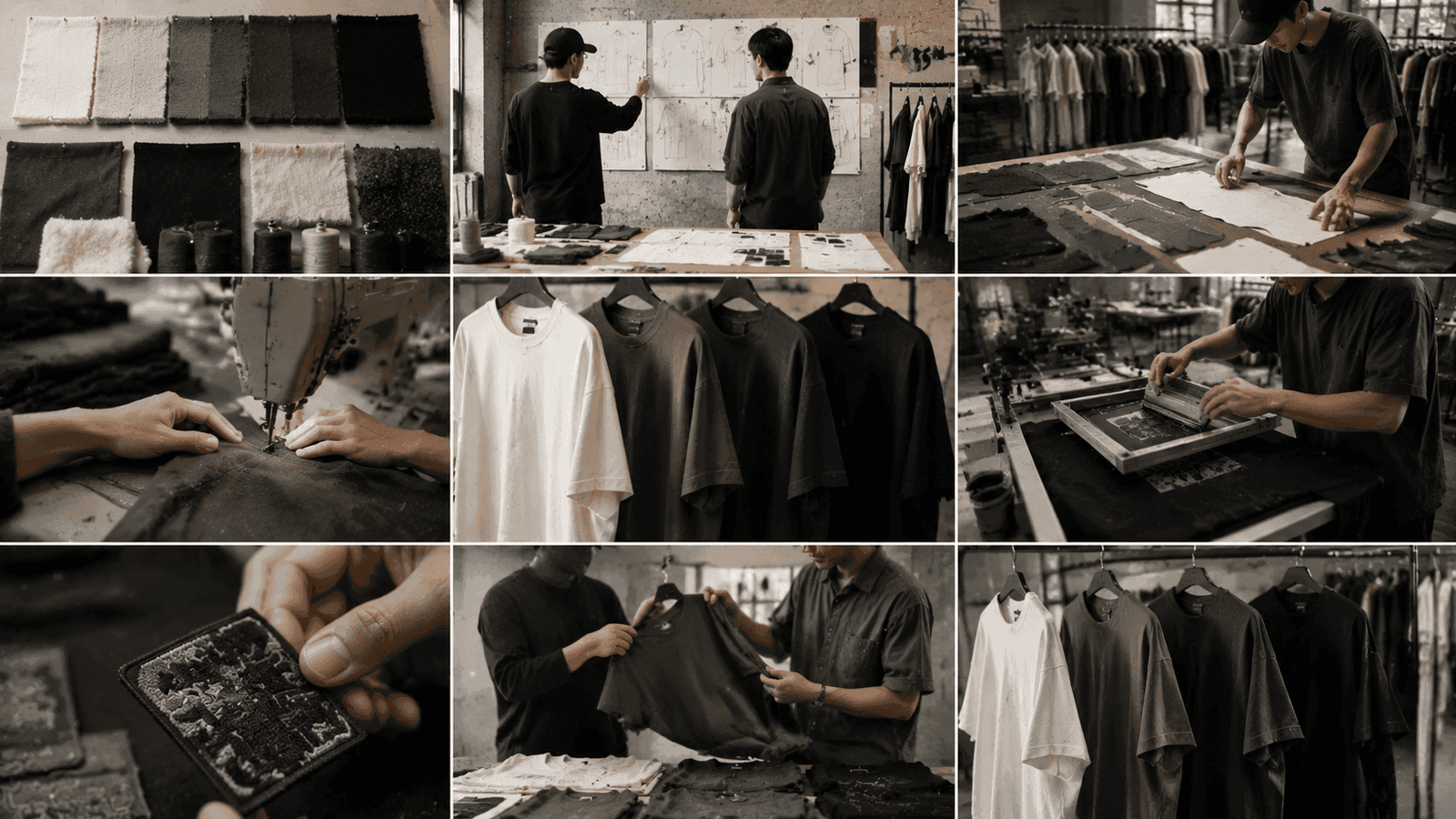
What is the ideal MOQ, pricing, and bulk production system?
Standard production conditions
| Item | Specification |
|---|---|
| MOQ | 100 pcs per color |
| Sample time | 7–10 days |
| Bulk production | 25–35 days |
| Capacity | 1000 pcs/day |
Factors affecting pricing
- Fabric GSM level
- Printing complexity
- Order quantity
- Packaging customization
Why bulk manufacturing is important
It ensures:
- Lower unit cost
- Stable production flow
- Efficient scaling
Internal links:
What fabrics are used in men’s streetwear T-shirts?
Common fabric options
- 100% cotton jersey
- Organic cotton
- Cotton + polyester blends
GSM classification for streetwear
| GSM | Fabric Type | Usage |
|---|---|---|
| 160–180gsm | Lightweight | Basic tees |
| 200–240gsm | Midweight | Daily streetwear |
| 260–320gsm | Heavyweight | Premium oversized fits |
Why fabric choice matters
It affects:
- Fit structure
- Durability
- Printing quality
- Brand positioning
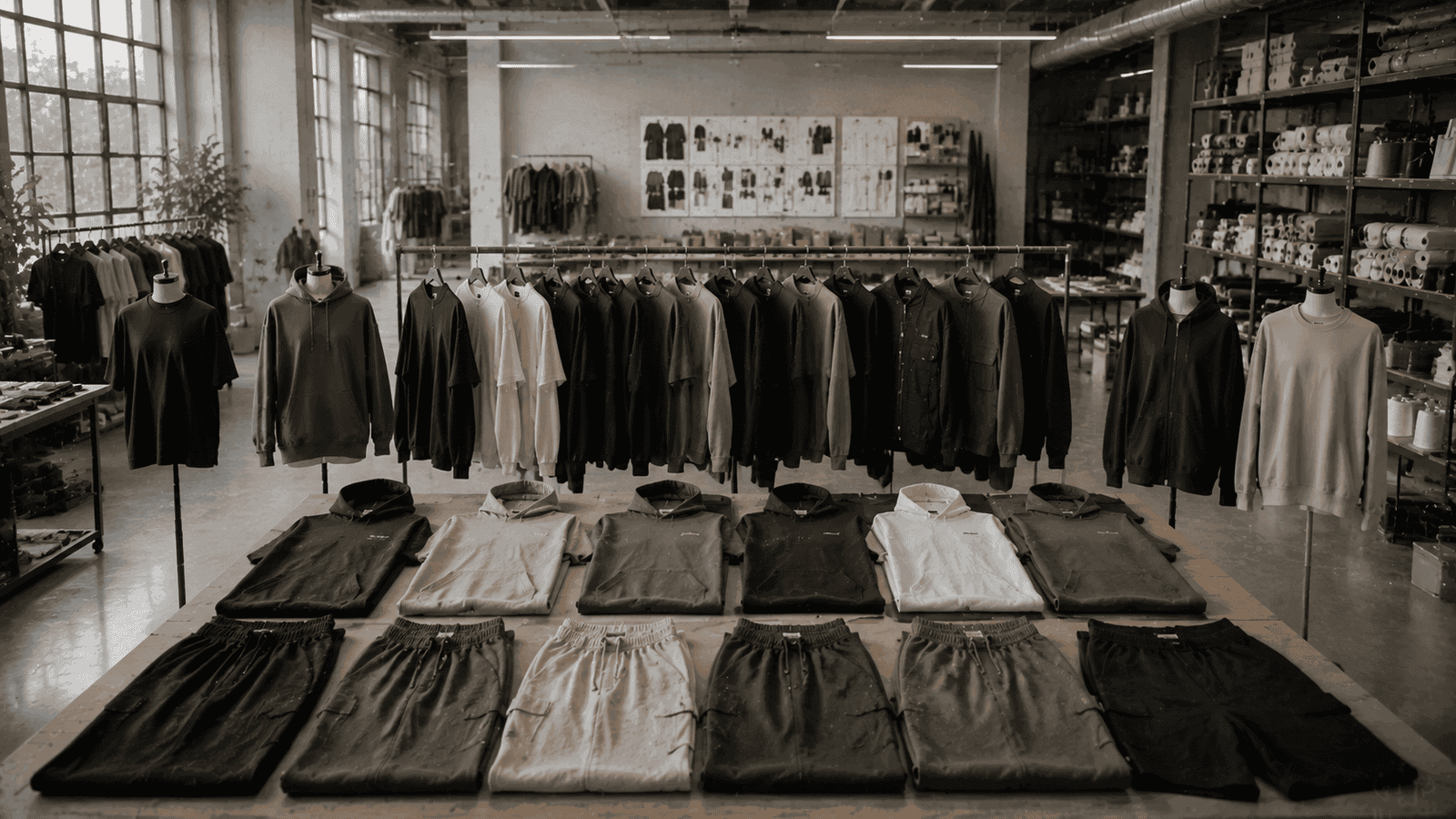
What product categories can a streetwear manufacturer produce?
Full product development system
A complete factory can produce:
- T-shirts
- Hoodies & sweatshirts
- Jackets
- Pants & shorts
- Full streetwear sets
Internal links:
- Streetwear Pants Manufacturer
- Streetwear Shorts Manufacturer
- Streetwear Sets Manufacturer
- Streetwear Denim Apparel Manufacturer
How to choose the right men’s streetwear T-shirt manufacturer?
Key evaluation criteria
- 10–15+ years experience
- OEM/ODM capability
- Stable QC system
- Fast communication
Red flags to avoid
- No sampling system
- No fabric transparency
- No production updates
Final selection strategy
Focus on:
- Quality consistency
- Long-term cooperation
- Scalable production capability
Internal links:
Conclusion
A reliable men’s streetwear T-shirt manufacturer is not just a supplier but a long-term production partner that supports OEM development, private label branding, and scalable bulk manufacturing for global fashion brands.