
Many fashion brands see only the finished product, but a successful streetwear t-shirt goes through a detailed development and manufacturing process before reaching customers. From reviewing a tech pack to sourcing fabrics, creating samples, approving production, and managing quality control, every stage influences the final result.
In this guide, we'll take you inside an OEM streetwear t shirts manufacturer and explain how a design idea transforms into a finished product ready for bulk production.
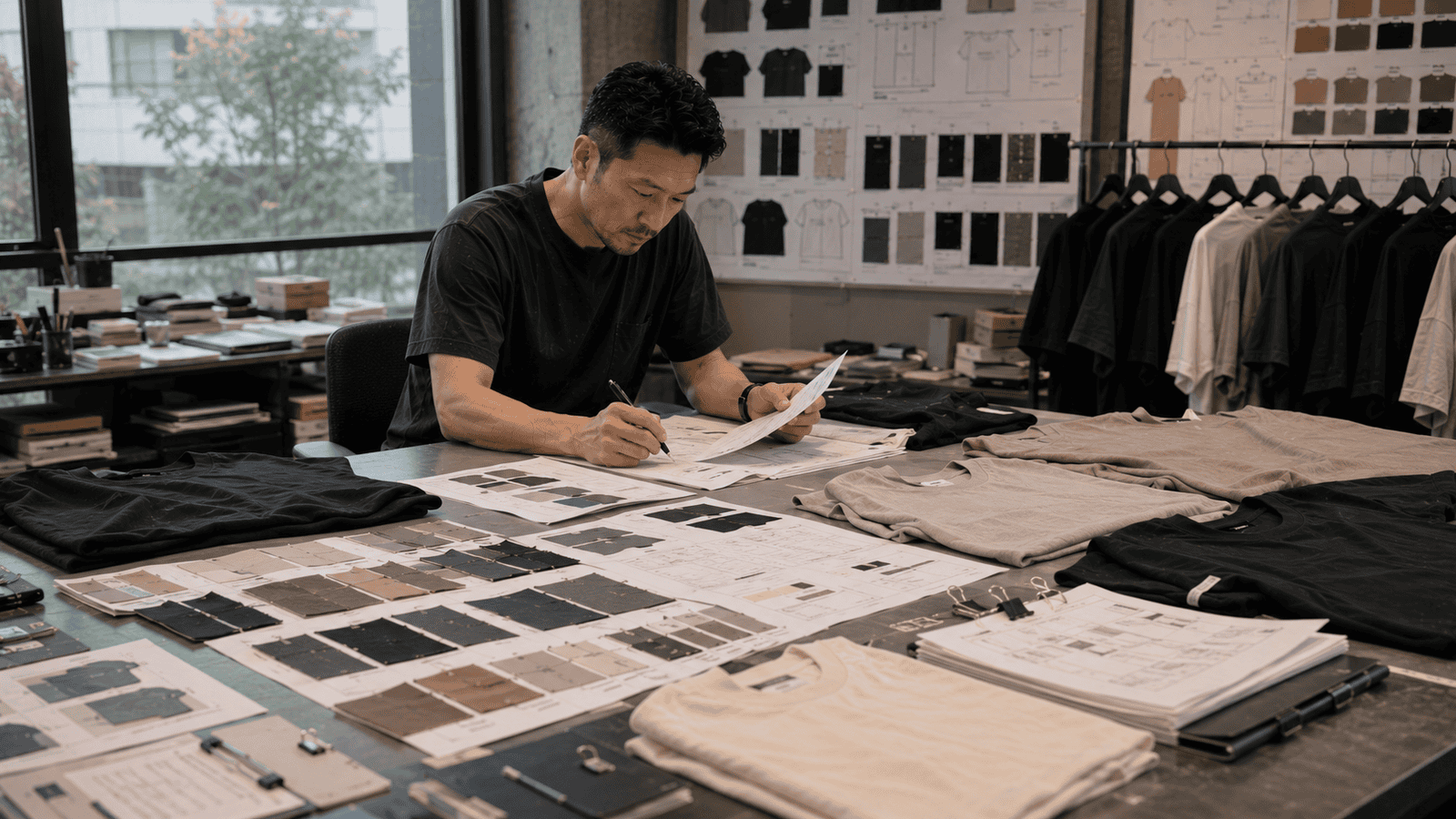
What Happens After a Brand Submits a Tech Pack?
The tech pack is the starting point of every OEM apparel project.
What Information Should a Tech Pack Include?
A complete tech pack typically contains:
- Technical sketches
- Measurements
- Fabric requirements
- Color references
- Print placement details
- Label specifications
- Packaging instructions
Why Is a Detailed Tech Pack Important?
A clear tech pack helps:
- Reduce misunderstandings
- Improve sample accuracy
- Speed up development
What Happens If a Brand Does Not Have a Tech Pack?
Many manufacturers can assist with:
- Product development
- Technical drawings
- Measurement sheets
- Construction guidance
Brands often work with a professional Custom Streetwear Manufacturer to refine concepts before sampling begins.
How Does an OEM Manufacturer Review a New Project?
Before production starts, the factory evaluates project requirements.
What Factors Are Reviewed?
Manufacturers typically assess:
- Product complexity
- Fabric requirements
- Printing methods
- MOQ expectations
- Lead times
Why Is Project Evaluation Important?
Early assessment helps identify:
- Development challenges
- Material availability
- Production feasibility
What Happens After Approval?
The factory moves to material sourcing and sample planning.
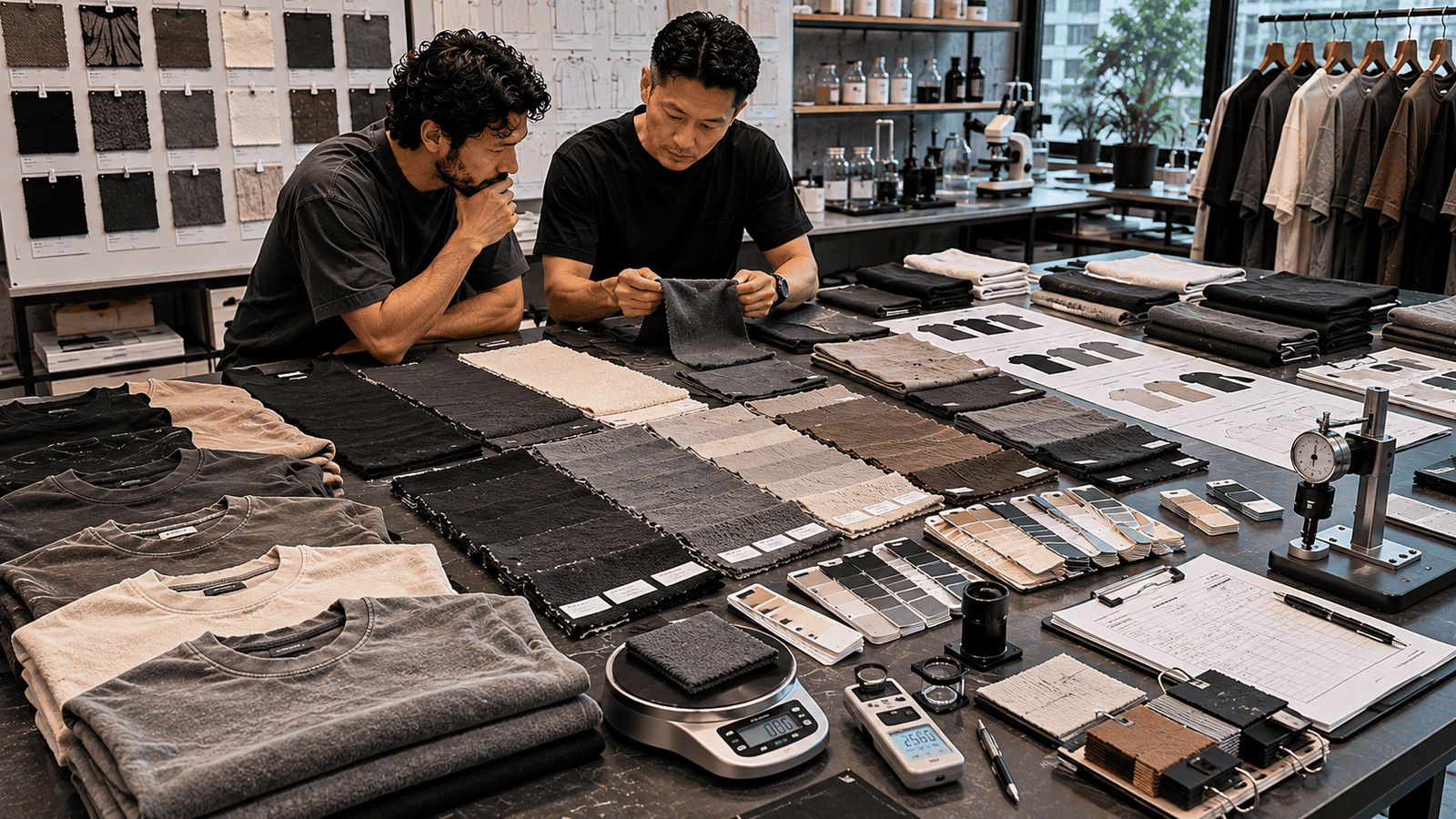
How Are Fabrics Selected for Streetwear T-Shirts?
Fabric selection has a major impact on quality and customer satisfaction.
Which Fabrics Are Commonly Used?
| Fabric Type | Typical GSM | Best For |
|---|---|---|
| 100% Cotton | 180-240 GSM | Standard Streetwear |
| Combed Cotton | 220-300 GSM | Premium Collections |
| Heavyweight Cotton | 240-300 GSM | Oversized T-Shirts |
| Organic Cotton | 220-280 GSM | Sustainable Brands |
Why Does GSM Matter?
Higher GSM fabrics generally provide:
- Better structure
- Premium feel
- Improved durability
How Are Fabrics Approved?
Manufacturers often provide:
- Fabric swatches
- Lab dips
- Material testing results
What Happens During Pattern Development?
Patterns transform design concepts into wearable garments.
Why Is Pattern Making Important?
Patterns determine:
- Fit
- Proportion
- Comfort
- Consistency
What Streetwear Fits Are Most Popular?
Modern brands often choose:
- Oversized fit
- Boxy fit
- Drop shoulder fit
- Relaxed fit
How Is Pattern Accuracy Verified?
Pattern teams perform:
- Measurements
- Fit testing
- Size grading
How Does Sample Development Work?
Sampling is one of the most critical stages of OEM manufacturing.
What Is the Purpose of Sampling?
Samples help verify:
- Fit
- Fabric performance
- Printing quality
- Construction quality
What Are the Typical Sample Stages?
| Sample Stage | Purpose |
|---|---|
| Development Sample | Initial evaluation |
| Revision Sample | Improvements and adjustments |
| Pre-Production Sample | Final approval |
Why Are Multiple Samples Often Needed?
Revisions help achieve:
- Better fit
- Improved branding
- Accurate production standards
How Are Printing and Decoration Methods Applied?
Graphics are a key element of streetwear products.
What Decoration Methods Are Available?
Common options include:
- Screen printing
- Puff printing
- DTG printing
- Silicone printing
- Embroidery
Why Is Method Selection Important?
Different methods affect:
- Durability
- Appearance
- Cost
How Are Print Samples Approved?
Manufacturers usually provide:
- Strike-offs
- Print tests
- Sample photos
Many brands work with an experienced Custom T-Shirts Manufacturer to ensure graphic consistency.
How Is Private Label Branding Added?
Branding transforms a garment into a finished retail product.
What Branding Elements Are Common?
Manufacturers can provide:
- Woven labels
- Heat transfer labels
- Hang tags
- Custom packaging
- Embroidered patches
Why Is Branding Important?
Branding helps:
- Build recognition
- Increase product value
- Strengthen customer loyalty
How Are Branding Details Approved?
Factories typically provide:
- Label samples
- Packaging mockups
- Artwork confirmations
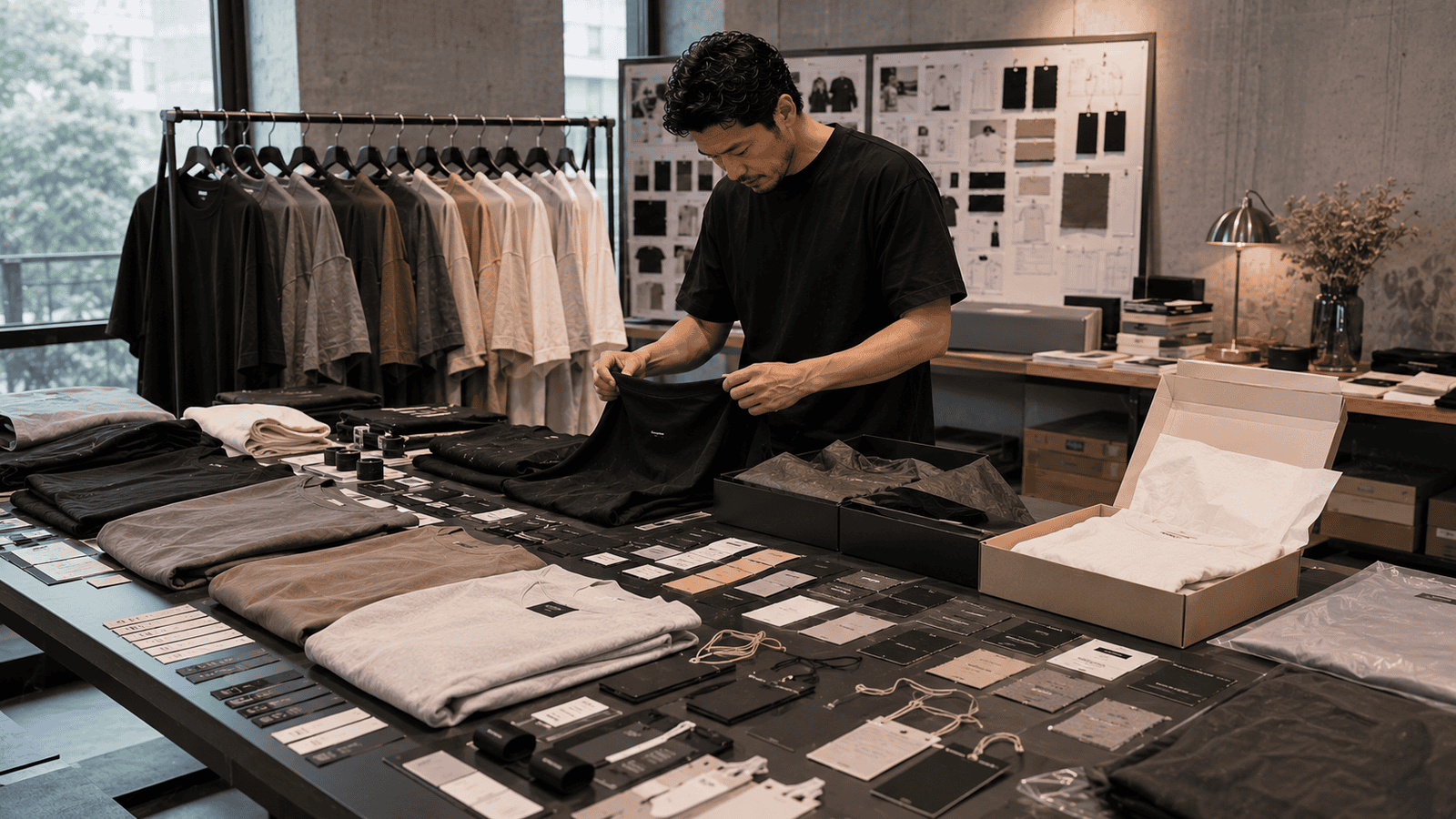
What Happens Before Bulk Production Begins?
Production should never begin without final approval.
What Must Be Approved?
Brands should approve:
- Fabric
- Fit
- Printing
- Labels
- Packaging
Why Is Pre-Production Approval Necessary?
It helps avoid:
- Costly mistakes
- Production delays
- Product inconsistencies
What Is a PPS?
PPS stands for Pre-Production Sample and serves as the final production reference.
How Does Bulk Production Work?
Once approvals are completed, production begins.
What Are the Main Production Stages?
Production usually includes:
- Fabric preparation
- Fabric cutting
- Printing
- Sewing
- Finishing
How Is Production Monitored?
Manufacturers monitor:
- Output quality
- Measurements
- Production schedules
How Long Does Production Usually Take?
| Production Stage | Typical Timeline |
|---|---|
| Fabric Sourcing | 3-7 Days |
| Sample Development | 7-10 Days |
| Sample Revision | 5-7 Days |
| Bulk Production | 25-35 Days |
How Is Quality Control Managed Throughout Production?
Quality control protects both brands and manufacturers.
What Inspections Are Performed?
QC teams inspect:
- Fabric consistency
- Measurements
- Print quality
- Stitching
- Packaging
Why Is Sample-to-Bulk Consistency Important?
Customers expect bulk products to match approved samples.
How Do Manufacturers Maintain Standards?
Professional OEM Services include fabric inspection, in-line inspection, and final quality checks.
What Happens After Production Is Completed?
Production is not finished until products are packed and prepared for shipment.
What Happens During Final Inspection?
Inspectors verify:
- Product quality
- Quantities
- Packaging accuracy
How Are Products Packed?
Common options include:
- Individual poly bags
- Custom packaging
- Branded cartons
What Shipping Methods Are Available?
Manufacturers typically offer:
- Express shipping
- Air freight
- Sea freight
Can One OEM Manufacturer Produce an Entire Streetwear Collection?
Many brands prefer a single manufacturing partner.
What Products Can Be Manufactured?
A professional OEM factory can produce:
- Custom T-Shirts
- Streetwear Hoodies
- Streetwear Sweatshirts
- Streetwear Jackets
- Streetwear Tank Tops
- Streetwear Pants
- Streetwear Shorts
- Streetwear Sets
- Streetwear Denim Apparel
Why Is One-Stop Manufacturing Valuable?
Benefits include:
- Faster communication
- Consistent quality
- Easier collection management
How Does It Support Brand Growth?
One manufacturing partner can simplify expansion and future product launches.
Conclusion
The journey from tech pack to bulk production involves multiple stages, including project evaluation, fabric sourcing, pattern development, sampling, printing, branding, quality control, and final shipping.
Understanding how an OEM streetwear t shirts manufacturer works helps brands make better sourcing decisions, improve product quality, and build stronger long-term manufacturing partnerships.
For brands seeking complete product development and scalable production, partnering with an experienced Streetwear Manufacturer can provide the expertise and support needed to bring ideas to life.