
Graphic T-shirts are among the most important products in the modern streetwear industry. While customers only see the finished garment, a successful graphic tee goes through a complex development journey before reaching the market.
From artwork preparation and fabric sourcing to printing, sampling, quality control, and bulk production, every stage affects the final product quality.
This guide takes you inside a custom graphic streetwear T-shirts manufacturer and explains the complete process from artwork creation to finished production.
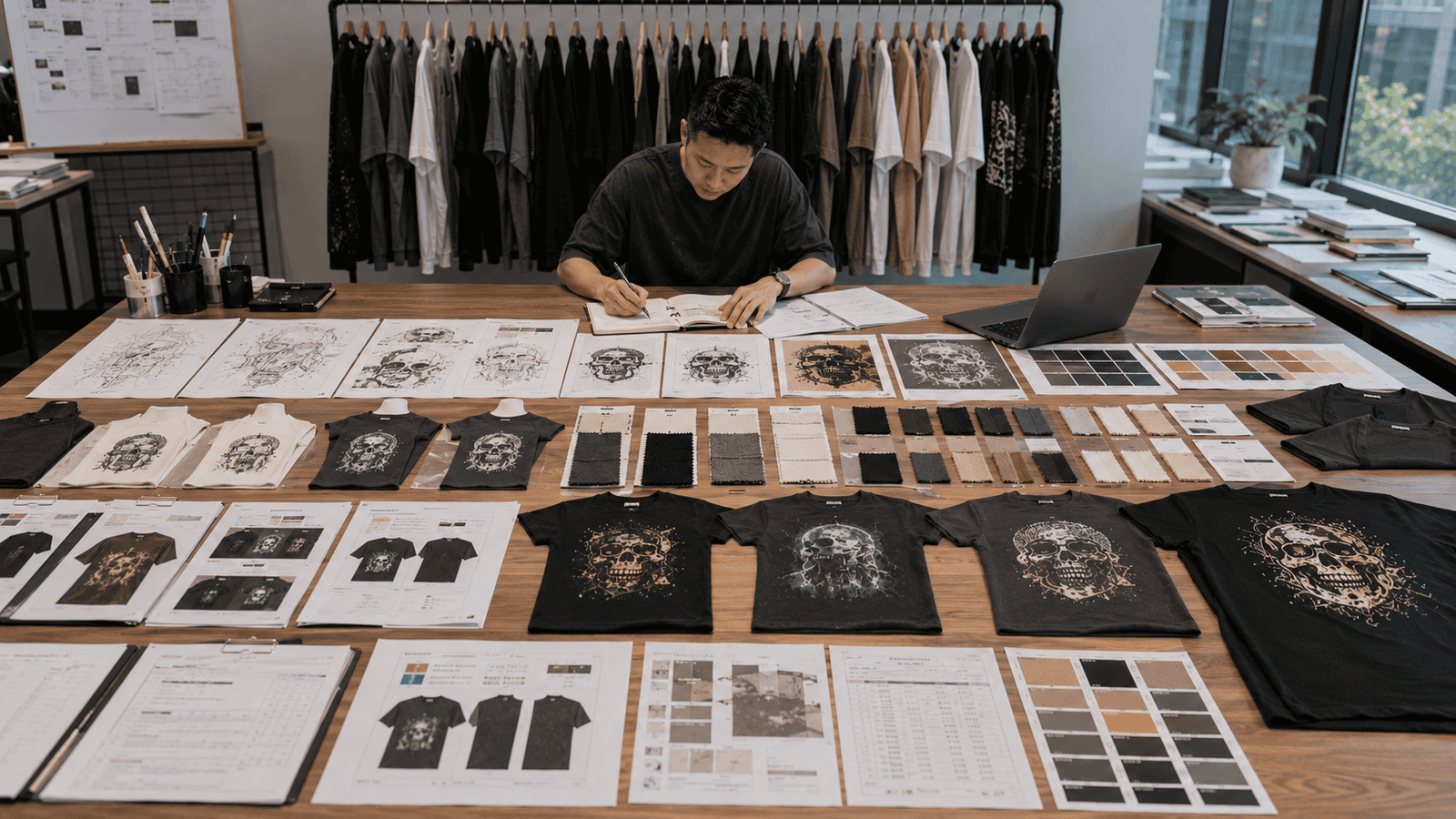
What Happens Before Production Starts?
Why Is Pre-Production Planning Important?
Pre-production planning helps prevent:
- Costly mistakes
- Production delays
- Quality issues
What Information Does a Manufacturer Need?
Most manufacturers require:
- Artwork files
- Tech packs
- Size charts
- Fabric preferences
- Branding requirements
How Does Planning Improve Results?
A detailed development plan ensures smoother production and more consistent quality.
Many brands begin their projects with a professional Custom Streetwear Manufacturer that offers product development support.
How Is Graphic Artwork Prepared for Production?
Why Can't Manufacturers Print Raw Design Files Directly?
Artwork often requires optimization before production.
What Artwork Files Are Preferred?
Common formats include:
- AI
- EPS
- High-resolution PNG
What Happens During Artwork Review?
Manufacturers typically check:
- Resolution
- Color separation
- Print dimensions
- Placement accuracy
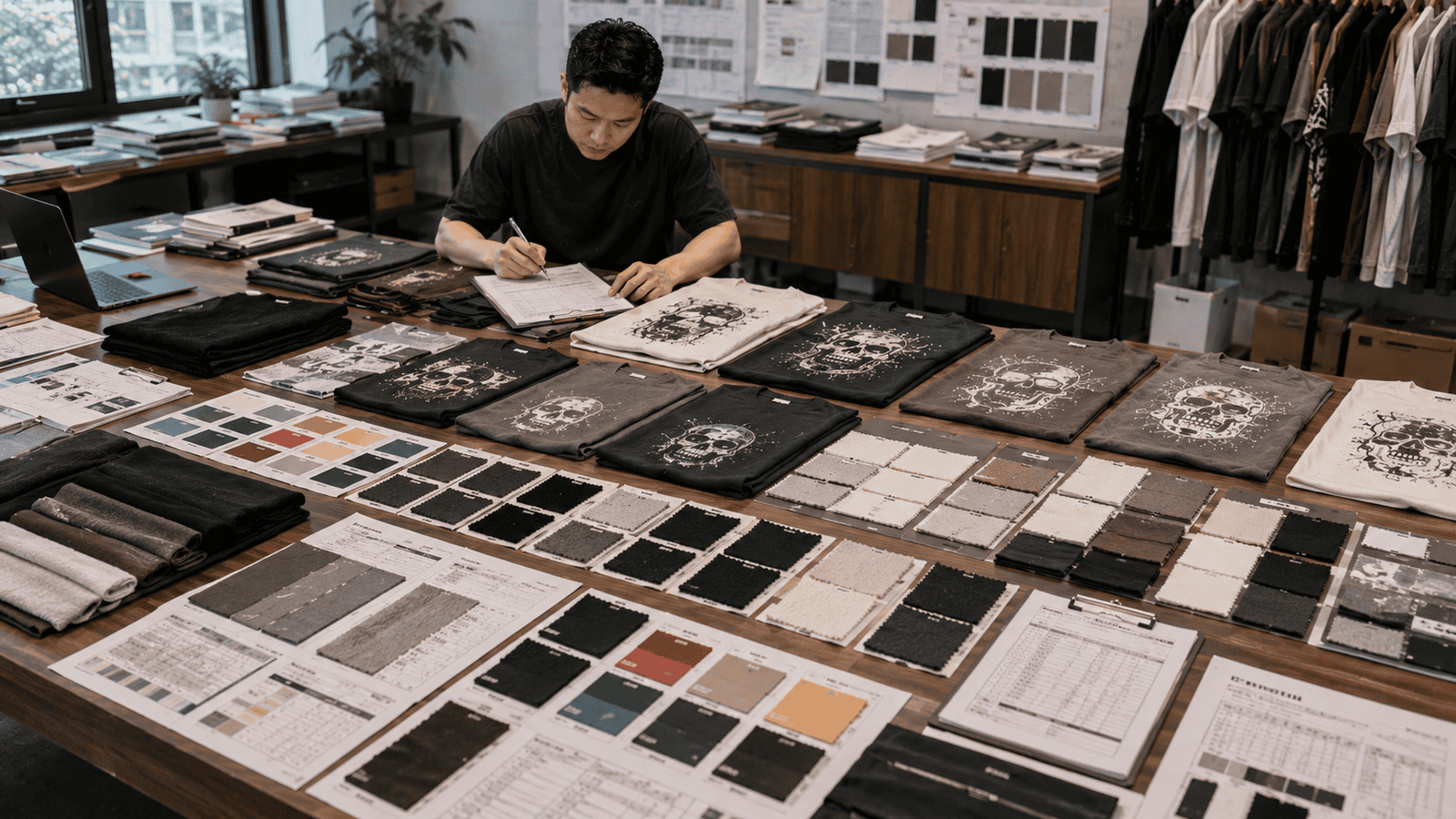
How Do Manufacturers Choose Fabrics for Graphic T-Shirts?
Why Is Fabric Selection Important?
Fabric influences:
- Print performance
- Comfort
- Durability
- Garment structure
What Fabrics Are Most Common?
| Fabric Type | Typical GSM | Best For |
|---|---|---|
| Combed Cotton | 220–280 GSM | Premium Graphic Tees |
| Heavyweight Cotton | 240–320 GSM | Oversized Streetwear |
| Compact Cotton | 240–300 GSM | Luxury Collections |
| Organic Cotton | 220–280 GSM | Sustainable Brands |
Which Fabric Is Most Popular?
Heavyweight combed cotton remains a preferred choice for graphic streetwear.
How Is the Garment Pattern Developed?
Why Is Pattern Development Necessary?
A good graphic design cannot compensate for a poor fit.
What Fit Styles Are Popular?
Common options include:
- Oversized fit
- Boxy fit
- Drop shoulder fit
- Relaxed fit
How Do Manufacturers Develop Fits?
The process includes:
- Pattern making
- Fit sampling
- Revisions
- Size grading
Brands often collaborate with an experienced Custom T-Shirts Manufacturer to create signature silhouettes.
How Are Graphic Printing Methods Selected?
Which Printing Techniques Are Available?
| Printing Method | Best For | Durability |
|---|---|---|
| Screen Printing | Large Graphics | Excellent |
| Puff Printing | Logos | Excellent |
| Silicone Printing | Premium Branding | Excellent |
| DTG Printing | Detailed Artwork | Good |
| Embroidery | Luxury Details | Excellent |
Why Does Printing Method Matter?
Different techniques affect:
- Appearance
- Cost
- Durability
- Production efficiency
Which Method Is Most Popular?
Screen printing remains the industry standard for graphic tees.
What Happens During Sample Development?
Why Is Sampling Essential?
Samples help verify:
- Fabric quality
- Print quality
- Fit accuracy
- Construction standards
What Is Evaluated During Sampling?
Review areas include:
- Measurements
- Graphic placement
- Color consistency
- Stitching quality
How Many Revisions Are Normal?
Most projects require:
- One to three sample rounds
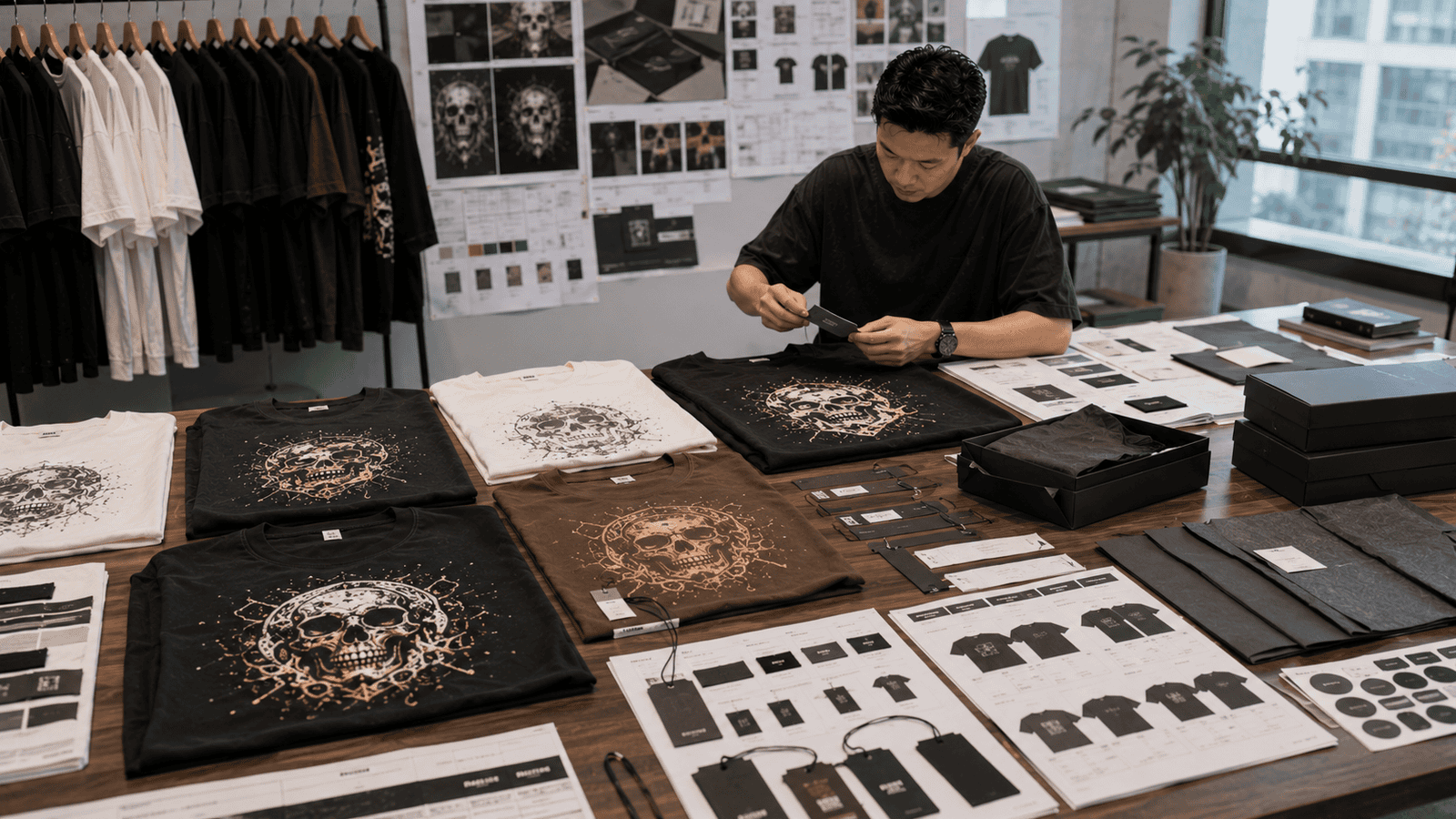
How Is Private Label Branding Added?
Which Branding Elements Can Be Customized?
Manufacturers often provide:
- Woven labels
- Neck labels
- Hang tags
- Packaging
Why Is Branding Important?
Branding helps increase:
- Product value
- Customer trust
- Brand recognition
What Should New Brands Prioritize?
Focus on:
- Neck labels
- Hang tags
- Packaging consistency
How Does Quality Control Work Before Bulk Production?
What Does Quality Control Inspect?
QC verifies:
- Fabric consistency
- Print quality
- Measurements
- Stitching
- Packaging
Why Is QC Important?
Quality control reduces:
- Defects
- Returns
- Customer complaints
What Documents Should Brands Request?
Ask for:
- QC reports
- Inspection photos
- Approval records
Professional OEM Services should include multiple inspection stages.
What Happens During Bulk Production?
What Are the Main Production Stages?
Typical stages include:
- Fabric preparation
- Cutting
- Printing
- Sewing
- Finishing
- Inspection
- Packaging
How Long Does Production Usually Take?
| Production Stage | Typical Time |
|---|---|
| Sampling | 7–10 Days |
| Bulk Production | 25–35 Days |
| Final Inspection | 1–3 Days |
What Factors Affect Lead Time?
Factors include:
- Order quantity
- Fabric availability
- Printing complexity
Can One Manufacturer Produce a Complete Streetwear Collection?
What Other Products Can Be Manufactured?
A professional factory can produce:
- Custom T-Shirts
- Streetwear Hoodies
- Streetwear Sweatshirts
- Streetwear Jackets
- Streetwear Tank Tops
- Streetwear Pants
- Streetwear Shorts
- Streetwear Sets
- Streetwear Denim Apparel
Why Do Brands Prefer One-Stop Manufacturing?
Benefits include:
- Easier communication
- Consistent quality
- Faster product launches
How Does It Support Growth?
One supplier can support future collection expansion.
How Do Successful Brands Manage the Entire Process?
What Should Brands Focus On?
Prioritize:
- Artwork quality
- Fabric selection
- Fit development
- Sample approval
- Quality control
How Can Manufacturers Reduce Risk?
Professional factories provide:
- Development expertise
- Production management
- Quality assurance
What Is the Long-Term Advantage?
Working with an experienced Streetwear Manufacturer helps brands build stronger products, improve efficiency, and scale production successfully.
Conclusion
The journey from artwork to bulk production involves many specialized stages. Successful graphic T-shirt manufacturing requires expertise in artwork preparation, fabric sourcing, fit development, printing, sampling, branding, quality control, and production management.
By understanding how professional manufacturers operate, brands can make better sourcing decisions, avoid production mistakes, and build stronger long-term manufacturing partnerships.