
Choosing the right private label streetwear manufacturer is one of the most important decisions for any clothing brand. The right manufacturing partner can help you develop high-quality products, scale production efficiently, and build a recognizable brand identity.
The wrong supplier, however, can lead to delayed shipments, inconsistent quality, poor communication, and lost customers.
This complete guide explains how to evaluate private label streetwear manufacturers and choose the best partner for your brand in 2026.
What Is a Private Label Streetwear Manufacturer?
Definition of Private Label Manufacturing
- Products are manufactured under your own brand name
- Custom labels, packaging, and branding are included
Difference Between Private Label & Wholesale
- Wholesale suppliers sell pre-made products
- Private label manufacturers offer customization and OEM support
Why Private Label Manufacturing Matters
- Stronger brand identity
- Better product differentiation
- Long-term scalability
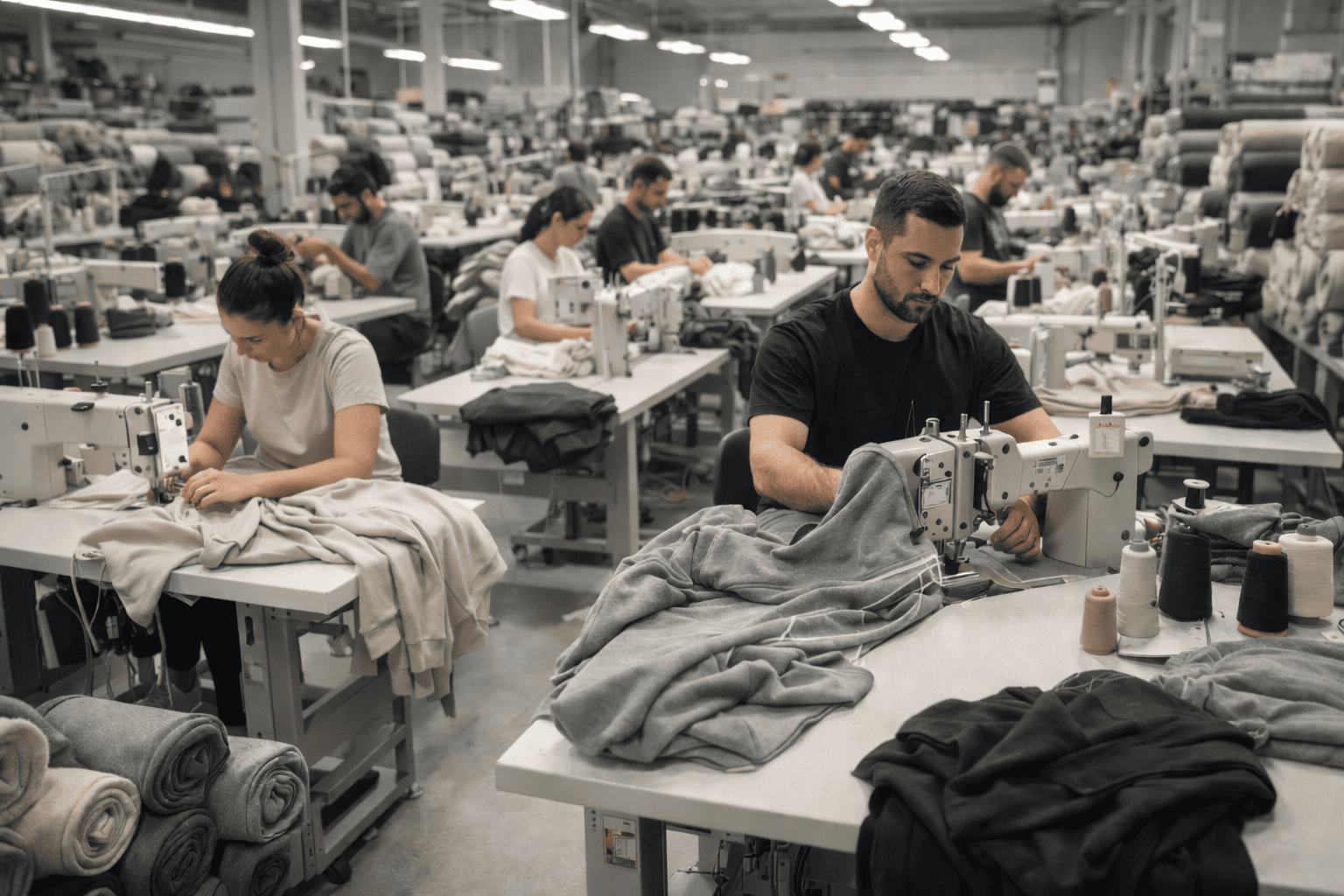
Why Is Choosing the Right Manufacturer So Important?
Product Quality Impacts Brand Reputation
- Fabric quality affects customer satisfaction
- Poor stitching increases return rates
Reliable Production Supports Brand Growth
- Consistent manufacturing improves scalability
Communication Reduces Production Risk
- Fast updates help prevent delays and mistakes
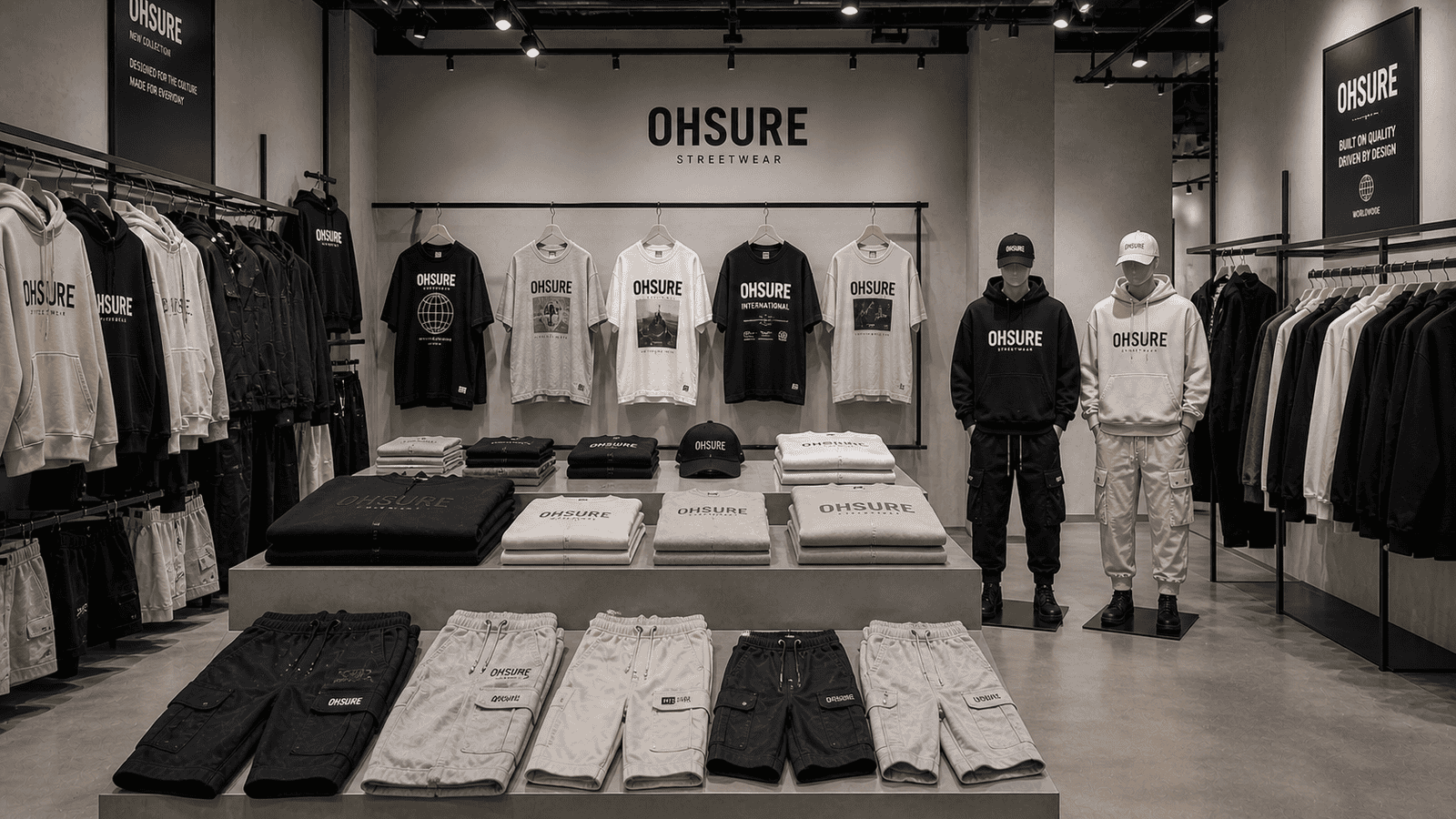
What Products Should a Good Manufacturer Be Able to Produce?
Core Streetwear Categories
- Oversized hoodies and sweatshirts
- Graphic t-shirts and tank tops
- Cargo pants and joggers
- Jackets and outerwear
Product Manufacturing Solutions
- Custom T-Shirts Manufacturer
- Streetwear Tank Top Manufacturer
- Streetwear Hoodie Manufacturer
- Streetwear Sweatshirt Manufacturer
- Streetwear Jacket Manufacturer
- Streetwear Pants Manufacturer
- Streetwear Shorts Manufacturer
- Streetwear Sets Manufacturer
- Streetwear Denim Apparel Manufacturer
👉 Explore all product categories:
Streetwear Products
What Customization Capabilities Should You Look For?
Fabric & Material Customization
- Heavyweight cotton
- French terry
- Garment-dyed fabrics
- Organic materials
Logo & Decoration Techniques
- Screen printing
- Puff print
- Embroidery
- DTG printing
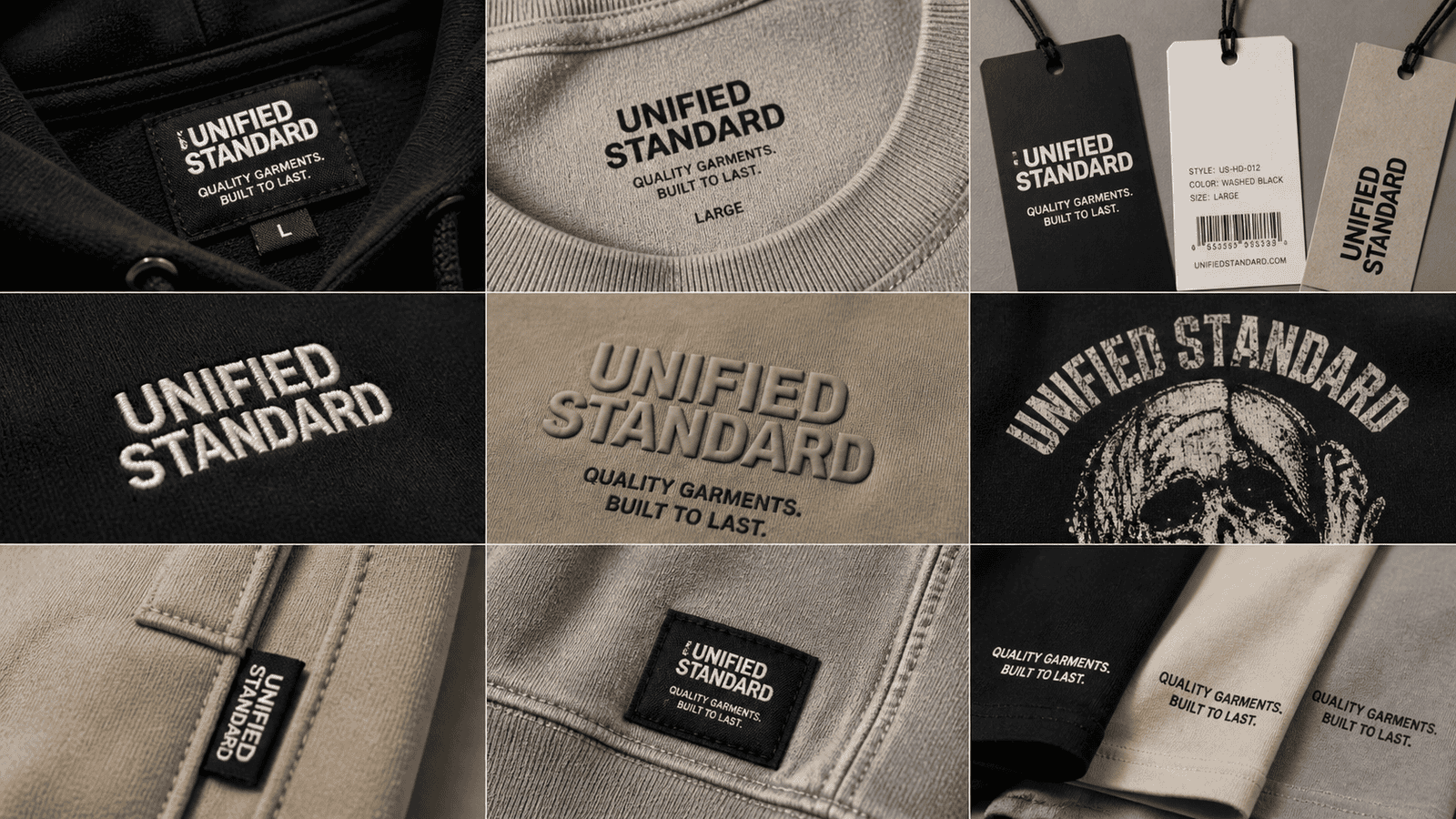
Branding & Packaging
- Woven labels
- Printed neck labels
- Hang tags
- Premium packaging
👉 Full OEM customization support:
Custom Streetwear Manufacturer
How Can You Evaluate Product Quality?
Check Fabric Quality
- Fabric weight consistency
- Softness and durability
- Shrinkage control
Inspect Construction
- Stitching quality
- Seam strength
- Print durability
Always Request Samples
- Compare samples to bulk production standards
What Questions Should You Ask a Manufacturer?
Production Questions
- What is your MOQ?
- What are your lead times?
- What is your sampling process?
Quality Control Questions
- How do you inspect products?
- Do you offer third-party inspection?
Communication Questions
- Who will manage my project?
- How quickly do you respond?
What Are Typical MOQ, Pricing & Lead Times?
MOQ Expectations
- Most manufacturers require 100 pcs per style
Sampling Timeline
- Usually 7–14 days
Bulk Production Timeline
- Typically 25–35 days
Production Comparison Table
| Factor | OEM Manufacturer | Premium Boutique Factory |
|---|---|---|
| MOQ | Flexible | Medium–High |
| Pricing | Competitive | Higher |
| Scalability | Strong | Limited |
| Production Speed | Fast | Moderate |
👉 Learn more about scalable production support:
OEM Streetwear Services
How Important Is Communication During Production?
Clear Communication Prevents Mistakes
- Better tech pack understanding
- Faster issue resolution
Dedicated Merchandiser Support Matters
- One point of contact improves efficiency
Professional Communication Builds Long-Term Trust
- Transparency improves partnerships
What Are the Biggest Red Flags to Avoid?
Unrealistically Low Pricing
- Often leads to poor quality
No Quality Control Process
- Increases production risks
Poor Communication
- Delays and misunderstandings become common
No Sampling Process
- High risk of bulk production issues
Should You Choose Local or Overseas OEM Manufacturing?
Local Manufacturing Advantages
- Easier communication
- Faster local shipping
Overseas OEM Advantages
- Better pricing
- More scalable production
- Advanced customization capabilities
Best Strategy for Growing Brands
Many successful brands:
- Develop samples locally
- Scale production with reliable OEM partners like
Ohsure Apparel
What Makes a Great Long-Term Manufacturing Partner?
Consistent Product Quality
- Reliable sample-to-bulk consistency
Scalability
- Ability to support future growth
Product Development Support
- Fabric sourcing guidance
- Trend recommendations
- Tech pack assistance
Strong Communication
- Transparent production updates
- Fast response times
Final Thoughts: How to Choose the Best Private Label Streetwear Manufacturer
The best private label streetwear manufacturers provide more than just production—they help brands build scalable and reliable businesses.
When evaluating manufacturers, focus on:
- Product quality
- Customization capabilities
- Communication
- MOQ flexibility
- Long-term scalability
For startup and growing brands, partnering with experienced OEM manufacturers like Ohsure Apparel can help reduce manufacturing risks while supporting long-term growth.
FAQs
What is a private label streetwear manufacturer?
A manufacturer that produces custom clothing under your own brand name.
What is the average MOQ?
Typically around 100 pieces per style.
Why is sampling important?
Sampling helps verify quality before bulk production.
Can private label manufacturers fully customize products?
Yes, including fabrics, printing, labels, packaging, and sizing.