
Choosing the right clothing manufacturer is one of the most critical decisions for any streetwear brand. Your supplier directly impacts your product quality, brand image, delivery timelines, and long-term scalability.
In this guide, we’ll break down the key questions you need to ask before selecting a manufacturer—and how to evaluate the best partner for your business.
What Type of Clothing Manufacturer Do You Need for Your Streetwear Brand?
OEM vs ODM vs Private Label
- OEM (Original Equipment Manufacturer): You provide designs, manufacturer produces
- ODM (Original Design Manufacturer): Manufacturer provides design options
- Private Label: Customize existing products with your branding
👉 Explore full services: OEM & ODM Services
Which Model Is Best for Streetwear Startups?
- OEM for full creative control
- ODM for faster launch
- Hybrid approach for scaling brands
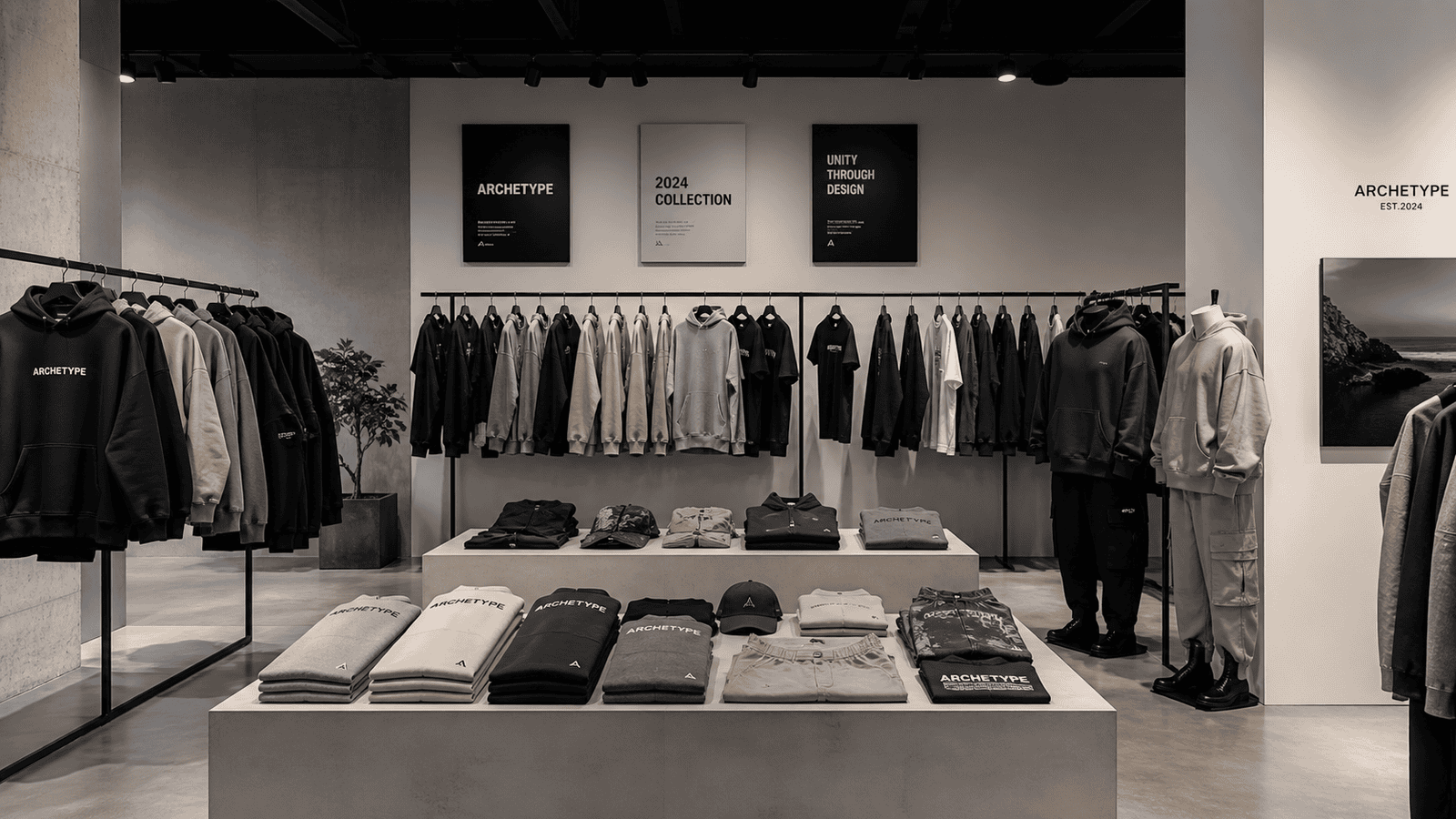
What Products Should Your Manufacturer Specialize In?
Core Streetwear Categories
- Hoodies, T-shirts, Sweatshirts
- Jackets, Pants, Shorts, Sets
👉 Browse full collection: Streetwear Products
Why Category Expertise Matters
| Category | Key Requirements | Risk if Not Specialized |
|---|---|---|
| Hoodies | Heavyweight fabric, structure | Poor shape retention |
| T-shirts | Fabric feel, printing quality | Cheap hand feel |
| Jackets | Construction complexity | Weak durability |
| Pants | Fit & pattern accuracy | Bad sizing |
👉 Examples:
How Do You Evaluate a Manufacturer’s Experience and Capability?
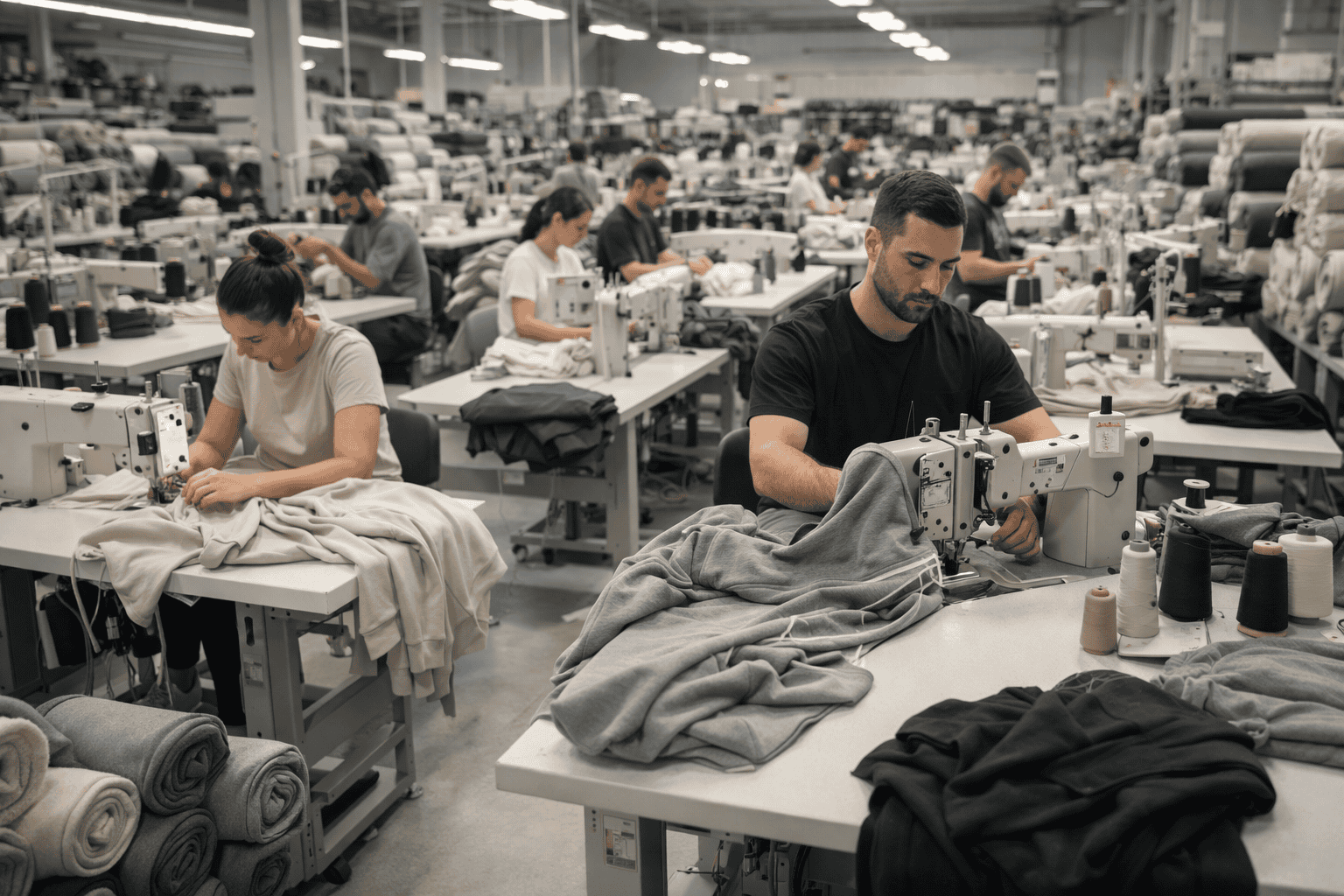
Key Indicators to Look For
- Years of experience (10+ years preferred)
- Factory size & workforce
- Production capacity
Questions You Should Ask
- Can you handle bulk orders?
- Do you support startups?
- What markets do you serve?
| Factor | Good Manufacturer | Weak Manufacturer |
|---|---|---|
| Experience | 10–15+ years | <3 years |
| Capacity | 1000+ pcs/day | Limited |
| Team | Dedicated merchandiser | No clear contact |
What Is the Minimum Order Quantity (MOQ) and Is It Flexible?
Typical MOQ in Streetwear Manufacturing
- Standard MOQ: 100 pcs per style
- Startup-friendly: 50–100 pcs
Why MOQ Matters
- Impacts cash flow
- Affects product testing ability
| MOQ Level | Suitable For | Risk |
|---|---|---|
| 50–100 pcs | Startups | Higher unit cost |
| 100–300 pcs | Growing brands | Balanced |
| 500+ pcs | Established brands | Inventory risk |
👉 Learn more: Custom Streetwear Manufacturer
How Important Is Sampling Before Bulk Production?
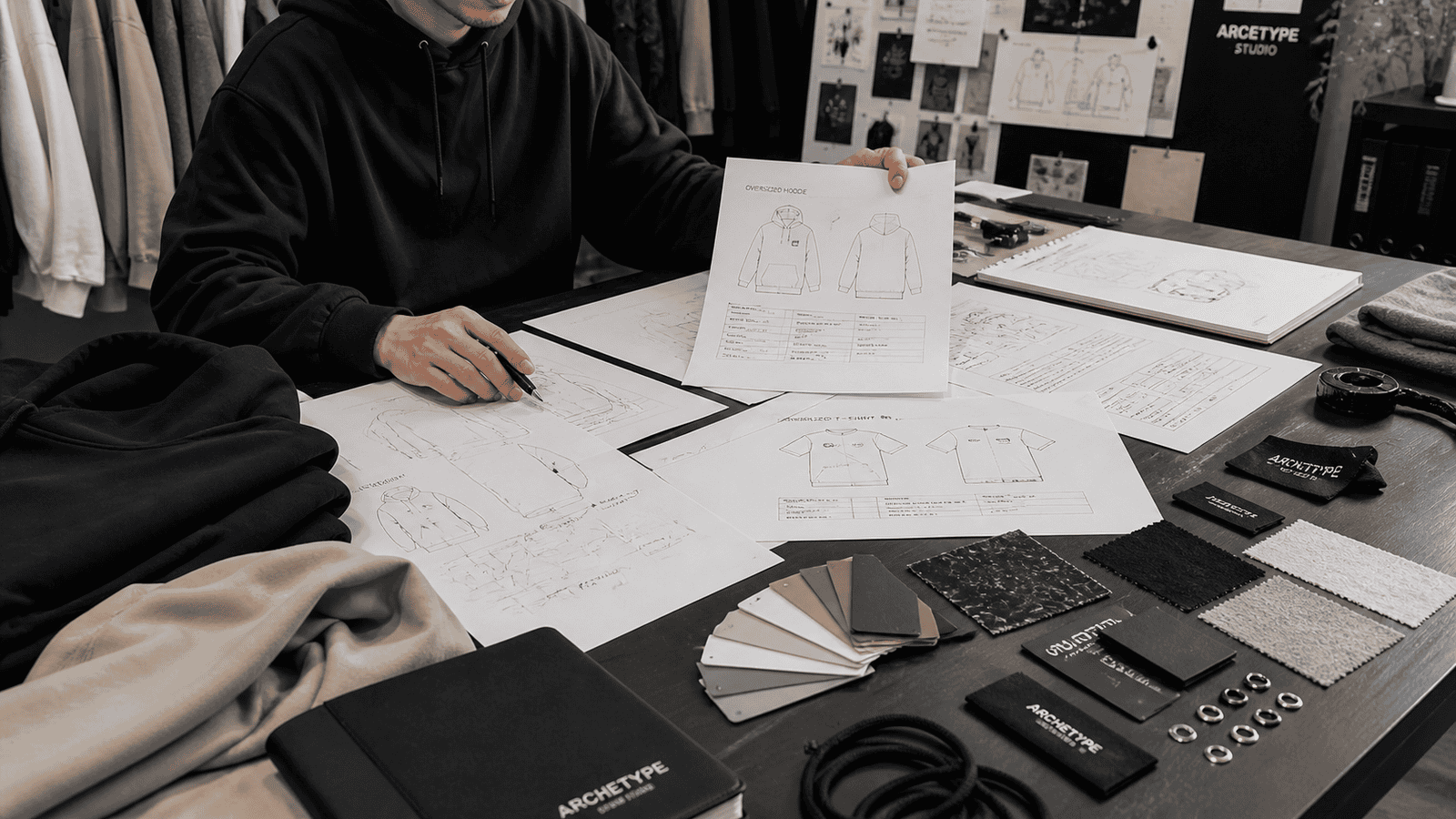
Sampling Process Explained
- Tech pack review
- Fabric selection
- Prototype creation
What to Check in Samples
- Fit accuracy
- Fabric quality
- Print & stitching consistency
| Sample Check | What to Look For |
|---|---|
| Fit | Matches design intent |
| Fabric | GSM, softness, stretch |
| No cracking or fading |
How Does the Manufacturer Ensure Quality Control?
Standard QC Process
- Fabric inspection
- In-line production checks
- Final inspection
Why QC Prevents Costly Mistakes
| QC Stage | Purpose |
|---|---|
| Pre-production | Material validation |
| In-line QC | Catch defects early |
| Final QC | Ensure shipment quality |
What Customization Options Should You Expect?
Branding & Design Options
- Screen printing, embroidery, patches
- Custom labels & packaging
Fabric & Wash Options
- Heavyweight cotton
- Garment dye, acid wash, vintage wash
👉 Explore categories:
- Streetwear Sweatshirt Manufacturer
- Streetwear Pants Manufacturer
- Streetwear Shorts Manufacturer
- Streetwear Sets Manufacturer
How Long Does Production and Delivery Take?
Typical Timeline
| Stage | Time |
|---|---|
| Sampling | 7–10 days |
| Bulk Production | 25–35 days |
| Shipping | 5–15 days |
Factors Affecting Lead Time
- Order quantity
- Fabric availability
- Customization complexity
Should You Choose Local or Overseas Manufacturers?
Comparison Overview
| Factor | Local Manufacturer | Overseas Manufacturer |
|---|---|---|
| Cost | High | Lower |
| MOQ | Higher | Flexible |
| Communication | Easier | Requires coordination |
| Capacity | Limited | Large-scale |
👉 Example categories:
What Red Flags Should You Avoid When Choosing a Manufacturer?
Warning Signs
- No sample process
- Poor communication
- Unrealistically low prices
Risk Comparison
| Red Flag | Potential Problem |
|---|---|
| No QC system | Inconsistent quality |
| No clear timeline | Delays |
| No portfolio | Lack of experience |
How Do You Build a Long-Term Relationship With Your Manufacturer?
Best Practices
- Clear communication
- Consistent order planning
- Mutual trust
Why Partnership Matters
A reliable manufacturer becomes a long-term partner that helps scale your brand.
👉 Start your journey: Ohsure Apparel
Final Thoughts: How to Make the Right Choice?
Choosing the best clothing manufacturer is not just about price—it’s about reliability, quality, and long-term growth.
If you want to build a successful streetwear brand, focus on:
- Strong product development capability
- Reliable quality control
- Transparent communication
- Flexible MOQ and scalability
Your manufacturer is not just a supplier—they are your production partner.