
Choosing the right streetwear manufacturer can determine whether your clothing brand grows successfully or struggles with quality, delays, and inconsistent production.
In this guide, we’ll answer the most important questions brands ask when selecting a manufacturing partner and explain how to find a reliable streetwear factory for long-term growth.
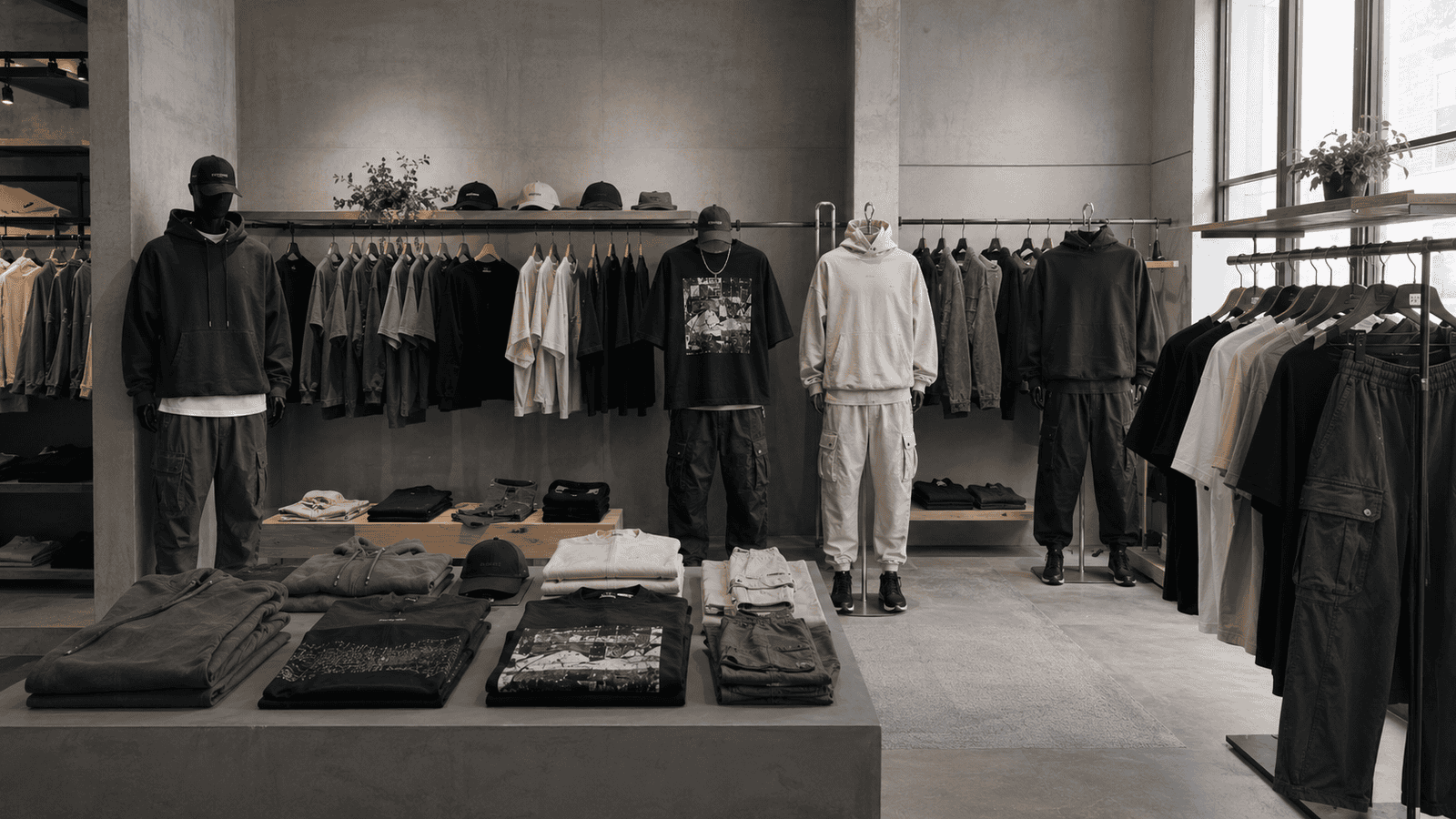
What Should You Look for in a Streetwear Brand Manufacturer?
Industry Experience
A professional manufacturer should have years of experience specifically in streetwear production, not just general apparel manufacturing.
OEM & Private Label Capabilities
Look for factories that provide full OEM services including sampling, fabric sourcing, customization, and bulk production.
Communication & Project Support
Reliable communication is essential for smooth development and production management.
Flexible MOQ
Many startup brands need low MOQ options to reduce inventory risk.
Why Is Choosing the Right Manufacturer Important for Your Clothing Brand?
Product Quality Impacts Brand Reputation
Poor-quality garments can damage customer trust and reduce repeat purchases.
Consistent Production Reduces Business Risks
Experienced manufacturers maintain consistency between samples and bulk production.
Long-Term Manufacturing Partnerships Save Costs
Working with a trusted factory improves efficiency and product development over time.
How Do You Verify a Streetwear Manufacturer’s Production Capability?
Factory Scale & Workforce
Evaluate factory size, production capacity, and team structure.
Production Equipment
Modern factories should use professional industrial equipment suitable for streetwear garments.
Product Categories
A reliable supplier should support multiple streetwear categories including:
- Custom T-Shirts
- Streetwear Hoodies
- Streetwear Sweatshirts
- Streetwear Jackets
- Streetwear Pants
- Streetwear Shorts
- Streetwear Sets
- Streetwear Denim Apparel
Explore more categories here:
👉 Streetwear Products
How Important Is Fabric Quality in Streetwear Manufacturing?
Fabric Defines Product Value
Heavyweight cotton, fleece, French terry, and premium blends are commonly used in modern streetwear.
Consistency Matters
Fabric shrinkage, colorfastness, and GSM consistency directly affect garment quality.
Fabric Options Comparison
| Fabric Type | Best For | Features |
|---|---|---|
| Cotton Jersey | T-Shirts | Soft & breathable |
| French Terry | Sweatshirts & Hoodies | Comfortable & durable |
| Fleece | Winter Streetwear | Thick & warm |
| Denim | Jackets & Pants | Structured & durable |
| Nylon Blends | Technical Streetwear | Lightweight & functional |
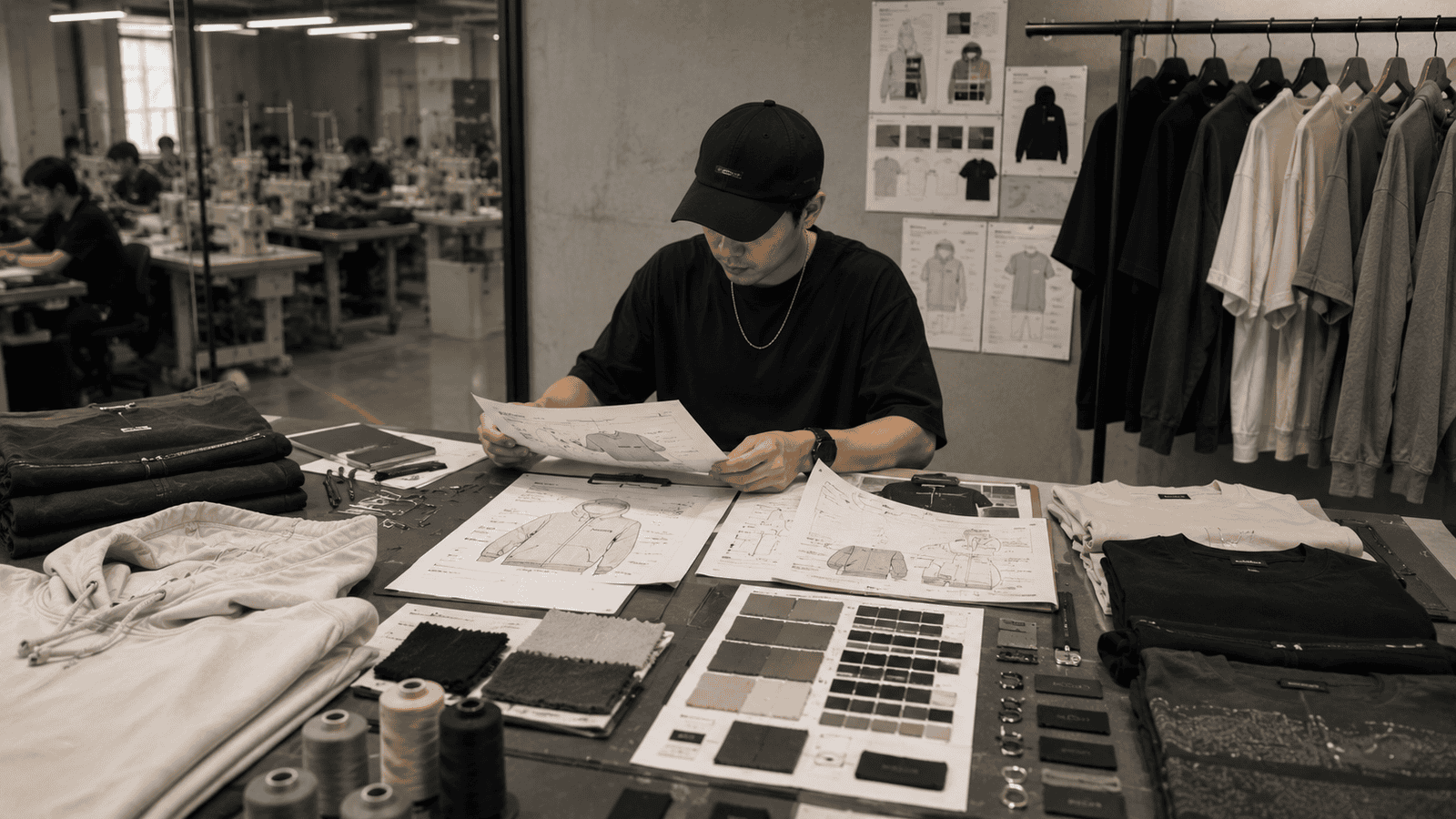
How Does the Sampling Process Work?
Step 1: Tech Pack Submission
Brands provide sketches, measurements, and design requirements.
Step 2: Material Confirmation
Factories confirm fabrics, trims, colors, and logo methods.
Step 3: Sample Development
Manufacturers create initial samples for review.
Step 4: Revisions & Approval
Adjustments are made before bulk production begins.
Step 5: Bulk Production Preparation
Approved samples become the production standard.
What Customization Services Should a Streetwear Manufacturer Offer?
Logo Application Methods
- Screen Printing
- Puff Printing
- Embroidery
- Silicone Logos
- Reflective Printing
Garment Washes & Effects
- Acid Wash
- Vintage Wash
- Enzyme Wash
- Garment Dye
Branding Options
Professional manufacturers should provide:
- Woven Labels
- Printed Labels
- Hang Tags
- Custom Packaging
For full-service manufacturing support, visit:
👉 Custom Streetwear Manufacturer
How Can You Evaluate a Manufacturer’s Quality Control System?
Fabric Inspection
Raw materials should be checked before cutting.
In-Line Production Inspection
Factories should inspect stitching and measurements during production.
Final Garment Inspection
Finished garments should be checked for:
- Measurements
- Stitching Quality
- Printing Accuracy
- Packaging
Typical QC Workflow Table
| QC Stage | Purpose |
|---|---|
| Fabric Inspection | Prevent fabric defects |
| Cutting Inspection | Ensure accurate panels |
| In-Line QC | Monitor stitching quality |
| Final Inspection | Verify finished garments |
| Packaging Inspection | Prevent shipping errors |
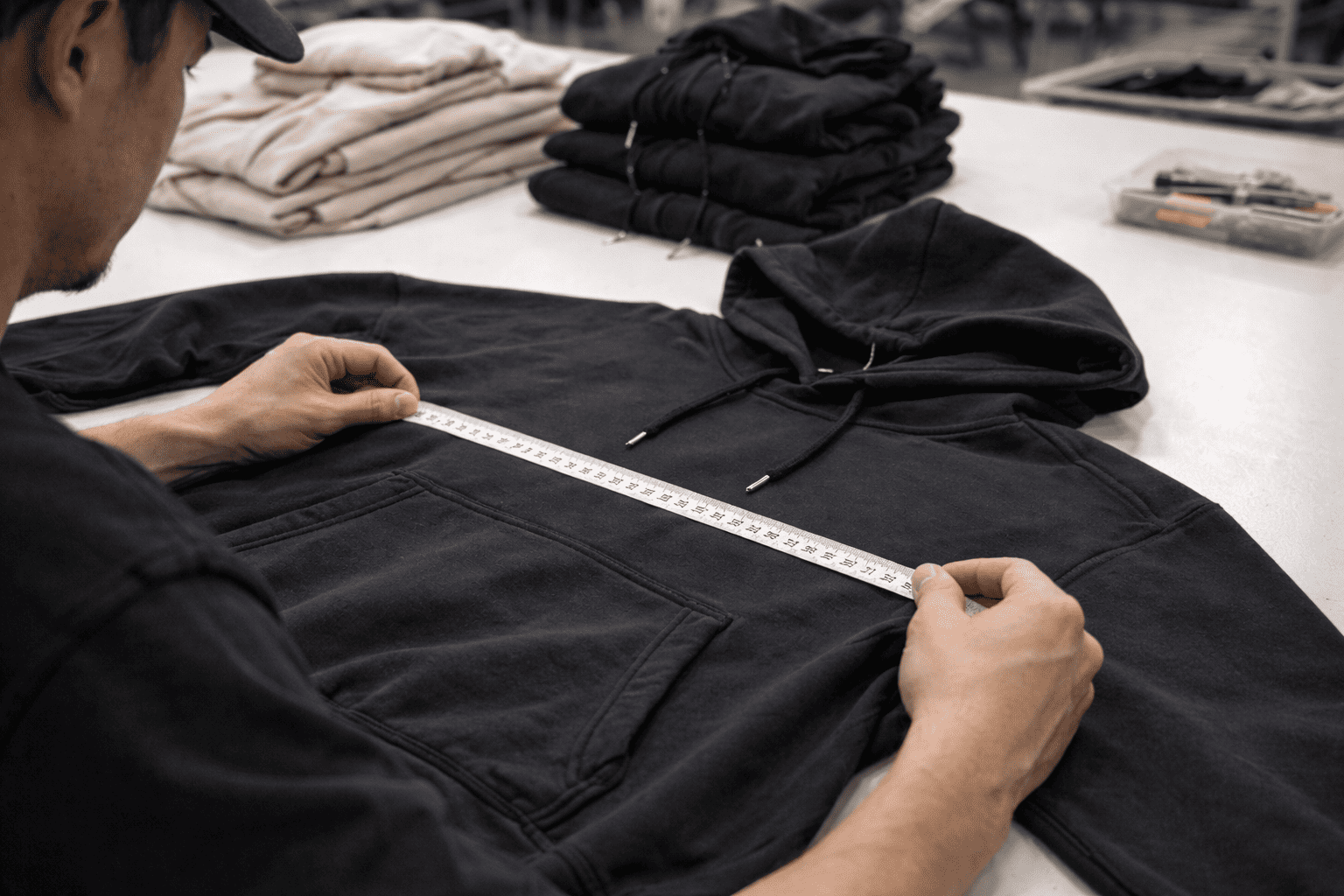
Why Is Communication So Important When Working With a Manufacturer?
Faster Problem Solving
Clear communication helps resolve issues before they affect production.
Better Project Management
Dedicated merchandisers improve workflow efficiency.
Production Transparency
Good manufacturers provide regular updates during development and production.
How Do You Compare Different Streetwear Manufacturers?
Key Factors to Compare
- MOQ
- Lead Time
- Product Quality
- Communication
- Pricing
- Customization Capability
Manufacturer Comparison Table
| Factor | Professional Manufacturer | Basic Supplier |
|---|---|---|
| OEM Support | Full Support | Limited |
| MOQ Flexibility | Startup Friendly | High MOQ |
| Quality Control | Multi-Step QC | Basic QC |
| Communication | Dedicated Team | Slow Response |
| Product Development | Strong Capability | Limited |
What Mistakes Should You Avoid When Choosing a Manufacturer?
Choosing Based Only on Price
Low prices often lead to lower quality and poor reliability.
Ignoring Sampling Quality
Always review samples carefully before bulk production.
Not Checking Communication
Poor communication creates delays and production risks.
Overlooking Production Experience
Manufacturers without streetwear expertise may struggle with oversized fits and specialty washes.
Why Do Many Brands Choose Ohsure Apparel?
Professional Streetwear Expertise
Ohsure Apparel focuses on custom streetwear manufacturing for global brands.
One-Stop Manufacturing Service
From concept development to global shipping, everything is managed professionally.
Flexible OEM Production
Support for startups, growing brands, and established labels.
Wide Product Range
Including:
Conclusion: How Do You Choose the Right Streetwear Manufacturer?
The right streetwear manufacturer should provide more than production capacity — they should become a long-term partner for your brand growth.
Focus on:
- Product quality
- Communication
- OEM capabilities
- QC systems
- Streetwear expertise
Choosing an experienced manufacturing partner helps your brand scale more efficiently while maintaining consistent quality and identity.