
Finding a reliable OEM T-shirt manufacturer is one of the most important decisions a streetwear brand will make. A strong manufacturing partner can help you create better products, maintain consistent quality, and scale efficiently. A poor supplier can lead to delays, quality issues, and damage to your brand reputation.
In 2026, successful streetwear brands evaluate manufacturers based on product development capabilities, communication, quality control systems, fabric sourcing expertise, and long-term production reliability—not just price.
This guide explains how modern streetwear brands identify and choose reliable OEM T-shirt manufacturers.

What Makes an OEM T Shirt Manufacturer Reliable?
Why Is Reliability More Important Than Low Pricing?
The cheapest supplier is rarely the best long-term partner. Reliability impacts:
- Product quality
- Delivery consistency
- Customer satisfaction
- Brand reputation
What Characteristics Should Reliable Manufacturers Have?
Look for:
- Strong communication
- Consistent quality control
- Product development capabilities
- Transparent production processes
- Stable lead times
How Can Brands Verify Reliability?
Request:
- Sample garments
- Factory information
- QC procedures
- Previous project examples
Many brands choose an experienced Custom Streetwear Manufacturer that offers both development and production services.
Where Do Streetwear Brands Find OEM Manufacturers?
Is Google Still the Best Research Tool?
Google remains one of the most effective ways to:
- Compare manufacturers
- Review services
- Analyze expertise
- Evaluate professionalism
What Other Channels Can Be Used?
Brands often discover manufacturers through:
- Trade shows
- Industry referrals
- Apparel sourcing communities
Should Brands Work Directly With Factories?
Direct factory partnerships often provide:
- Better pricing
- Faster communication
- More customization options
How Can Brands Evaluate Product Development Capabilities?
Why Is Product Development Important?
Strong development teams help transform ideas into market-ready products.
What Services Should an OEM Manufacturer Offer?
Look for:
- Tech pack review
- Fabric sourcing
- Pattern making
- Sampling
- Fit development
What Questions Should Brands Ask?
- Can you create custom patterns?
- Can you source specialty fabrics?
- Can you support oversized and boxy fits?
How Important Is Fabric Sourcing Capability?
Why Does Fabric Quality Matter?
Fabric determines:
- Comfort
- Durability
- Product positioning
- Customer satisfaction
What Fabric Options Should Be Available?
| Fabric Type | Typical GSM | Best For |
|---|---|---|
| 100% Cotton | 180-240 GSM | Standard Streetwear |
| Combed Cotton | 220-300 GSM | Premium Collections |
| Heavyweight Cotton | 240-300 GSM | Oversized T-Shirts |
| Organic Cotton | 220-280 GSM | Sustainable Brands |
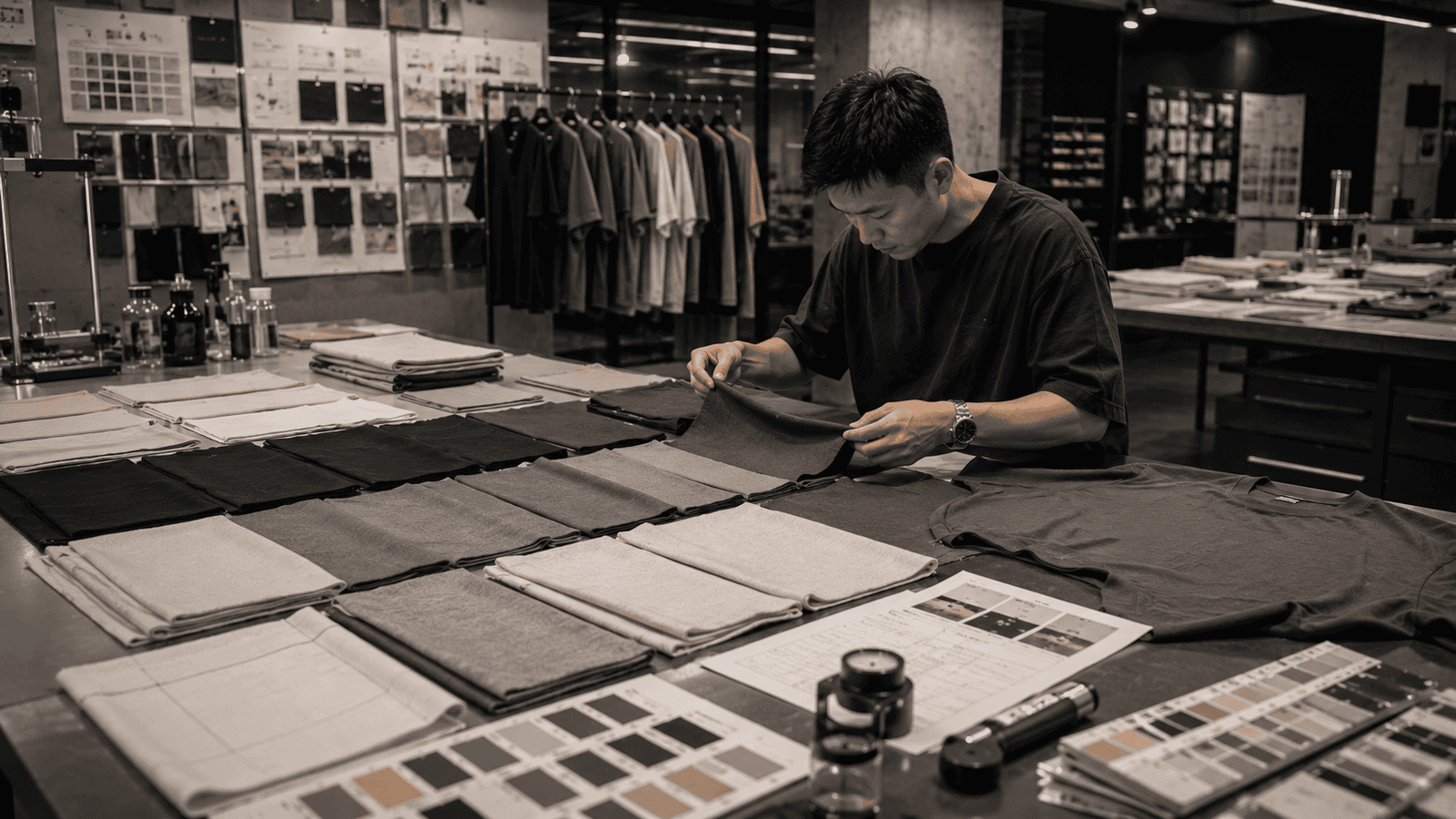
What GSM Weights Are Most Popular?
Popular options include:
- 220 GSM
- 240 GSM
- 260 GSM
- 300 GSM
Why Is Sampling Critical Before Bulk Production?
What Should Be Evaluated During Sampling?
Brands should review:
- Fit
- Fabric quality
- Printing quality
- Stitching quality
- Branding details
What Are the Typical Sample Stages?
| Sample Stage | Purpose |
|---|---|
| Development Sample | Initial Review |
| Revision Sample | Improvements |
| PPS Sample | Final Approval |
Why Should Brands Never Skip Sampling?
Sampling helps prevent:
- Costly production errors
- Sizing issues
- Quality inconsistencies
How Can Brands Assess Printing and Decoration Quality?
Which Decoration Methods Should Manufacturers Offer?
Common methods include:
- Screen printing
- Puff printing
- DTG printing
- Silicone printing
- Embroidery
Why Is Print Quality Important?
High-quality graphics improve:
- Product value
- Brand image
- Customer retention
How Can Brands Verify Print Standards?
Request:
- Print samples
- Production photos
- Decoration references
Brands often work with a professional Custom T-Shirts Manufacturer to ensure graphic consistency.
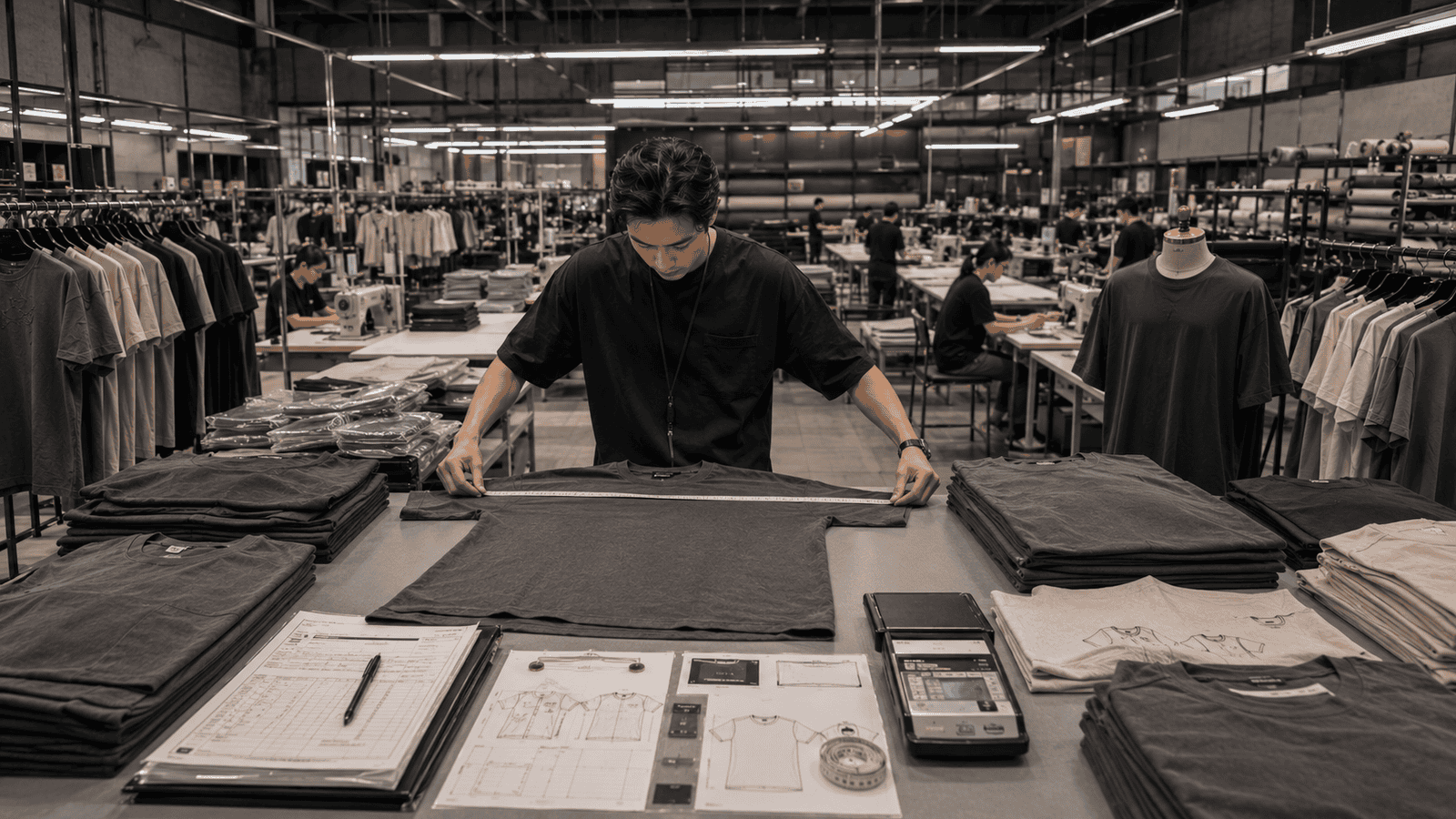
What Quality Control Systems Should Reliable Factories Have?
What Should Quality Control Cover?
A strong QC process should inspect:
- Fabric consistency
- Measurements
- Printing quality
- Stitching quality
- Packaging
Why Is QC Essential?
Quality control reduces:
- Defects
- Returns
- Customer complaints
How Can Brands Verify QC Systems?
Ask for:
- QC reports
- Inspection records
- Production workflows
Professional OEM Services should include fabric inspection, in-line inspection, and final inspection.
How Important Is Communication During Production?
What Communication Standards Should Brands Expect?
Reliable manufacturers provide:
- Fast responses
- Regular updates
- Clear timelines
Why Does Communication Matter?
Good communication helps:
- Prevent misunderstandings
- Improve efficiency
- Reduce delays
What Are Common Warning Signs?
Avoid suppliers that:
- Reply slowly
- Provide vague answers
- Avoid technical discussions
How Should Brands Compare Pricing Correctly?
Why Is the Lowest Price Not Always Best?
Low prices can sometimes indicate:
- Lower-quality fabrics
- Weak QC systems
- Inexperienced production teams
What Factors Affect Manufacturing Costs?
| Cost Factor | Influence |
|---|---|
| Fabric Quality | High |
| GSM Weight | Medium-High |
| Printing Method | Medium |
| Branding Options | Medium |
| Order Quantity | High |
How Can Brands Compare Quotes Fairly?
Compare:
- Fabric specifications
- Construction details
- Included services
- Lead times
Can One OEM Manufacturer Produce a Complete Streetwear Collection?
What Products Can a Reliable Factory Produce?
Many OEM manufacturers can produce:
- Custom T-Shirts
- Streetwear Hoodies
- Streetwear Sweatshirts
- Streetwear Jackets
- Streetwear Tank Tops
- Streetwear Pants
- Streetwear Shorts
- Streetwear Sets
- Streetwear Denim Apparel
Why Is One-Stop Manufacturing Valuable?
Benefits include:
- Better communication
- Consistent quality
- Faster development
- Easier project management
How Does It Support Brand Growth?
One manufacturing partner can simplify future product expansion.
How Do You Choose the Best OEM T Shirt Manufacturer in 2026?
What Factors Should Be Prioritized?
Focus on:
- Product development expertise
- Fabric sourcing capabilities
- Quality control systems
- Communication standards
- Scalability
What Red Flags Should Brands Avoid?
Avoid manufacturers that:
- Lack transparency
- Refuse sampling
- Cannot explain QC procedures
- Have inconsistent communication
What Is the Long-Term Benefit?
Working with an experienced Streetwear Manufacturer gives brands access to premium materials, reliable production, scalable manufacturing capacity, and professional product development support.
Conclusion
Finding a reliable OEM T-shirt manufacturer requires more than comparing prices. The best partners offer strong development capabilities, quality control systems, excellent communication, and scalable production support.
By carefully evaluating these factors, streetwear brands can build long-term manufacturing partnerships that support growth, improve product quality, and strengthen brand reputation.