
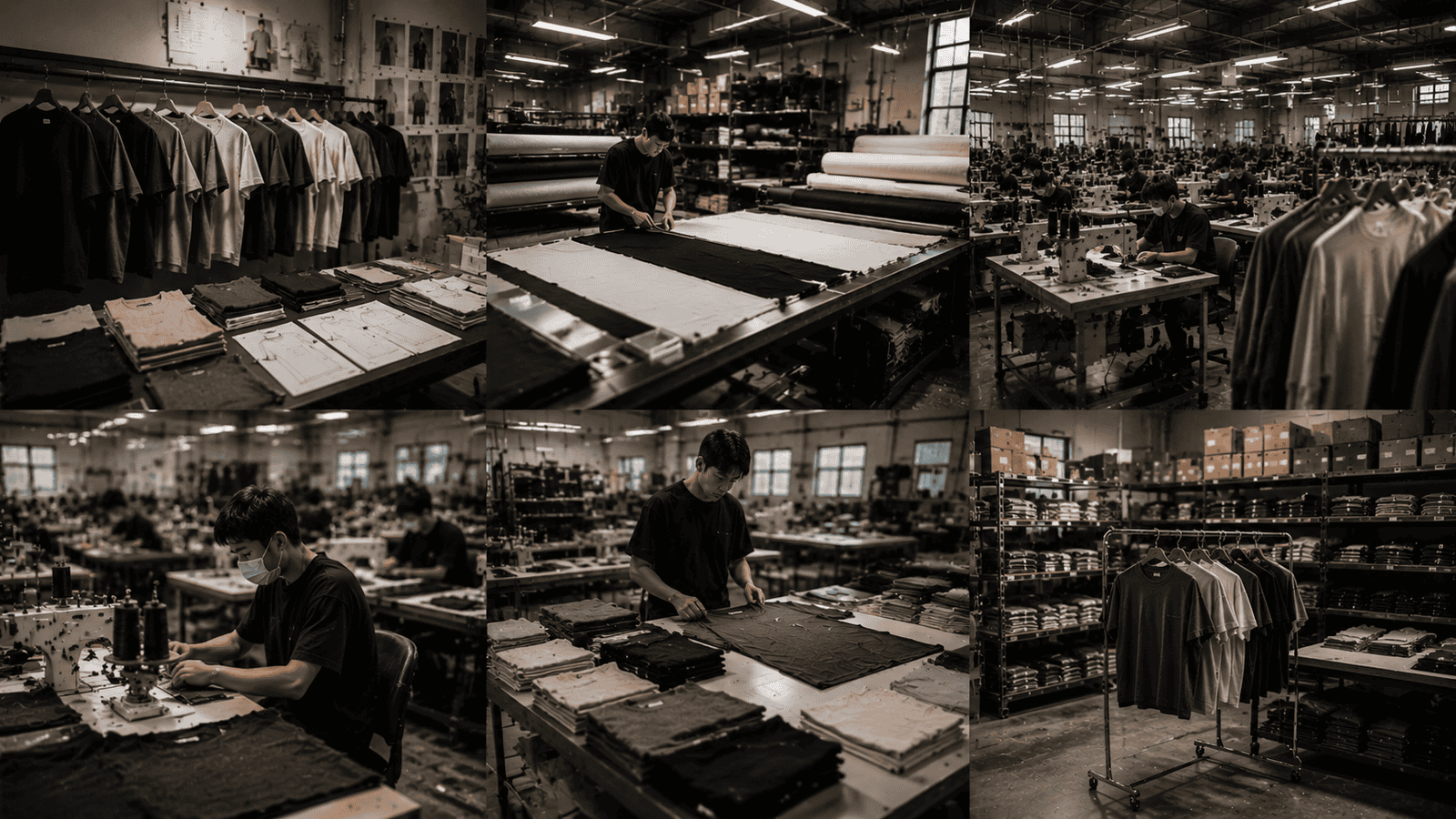
Heavyweight streetwear T-shirts have become a core product for modern fashion brands, startup labels, and luxury urban collections. Compared with basic T-shirts, heavyweight streetwear tees require better fabric sourcing, stable GSM control, premium printing, washing expertise, oversized fit development, and strict quality inspection.
In this guide, we’ll explain how heavyweight streetwear T-shirts are made, including fabric selection, printing techniques, wash treatments, sampling, MOQ, and OEM production support.
Why Are Heavyweight Streetwear T-Shirts So Popular?
Heavyweight Fabric Creates a Premium Feel
Heavyweight fabrics help create:
- Better structure
- Stronger drape
- Premium handfeel
- Luxury streetwear appearance
Streetwear Brands Prefer Oversized Silhouettes
Modern streetwear customers often prefer:
- Boxy fits
- Drop shoulders
- Relaxed proportions
- Thick cotton fabrics
Why Heavyweight T-Shirts Improve Brand Positioning
Heavyweight tees can help brands:
- Increase perceived value
- Improve product durability
- Build a stronger fashion identity
Learn more here: Custom Streetwear Manufacturer
What Fabrics Are Best for Heavyweight Streetwear T-Shirts?
Why Fabric Selection Matters
Fabric directly affects:
- Product structure
- Comfort
- Printing quality
- Washing effect
- Long-term durability
Common Heavyweight Streetwear Fabrics
Professional manufacturers often use:
- Heavyweight cotton jersey
- Combed cotton
- Washed cotton
- Garment-dyed cotton
- Cotton/poly blends
Fabric Comparison Table
| Fabric Type | Main Features | Best For |
|---|---|---|
| Heavyweight Cotton Jersey | Structured, soft, durable | Premium streetwear tees |
| Combed Cotton | Smooth surface and soft handfeel | Luxury collections |
| Washed Cotton | Vintage texture | Urban fashion brands |
| Garment-Dyed Cotton | Rich color depth | Washed streetwear styles |
| Cotton/Poly Blend | Better stability | Lower shrinkage products |
What GSM Is Best for Heavyweight Streetwear T-Shirts?
What Does GSM Mean?
GSM means “grams per square meter,” which measures fabric weight and density.
Why GSM Matters
GSM affects:
- Fabric thickness
- Garment structure
- Oversized silhouette
- Print performance
- Customer quality perception
GSM Comparison Table
| GSM Range | Fabric Feel | Best For |
|---|---|---|
| 180–220 GSM | Lightweight | Basic T-shirts |
| 240–280 GSM | Midweight | Premium streetwear |
| 300–320 GSM | Heavyweight | Luxury oversized tees |
| 350+ GSM | Ultra heavyweight | Designer streetwear collections |
Manufacturer Recommendation
For most heavyweight streetwear T-shirts, 260–320 GSM is usually a strong range for premium structure, comfort, and durability.
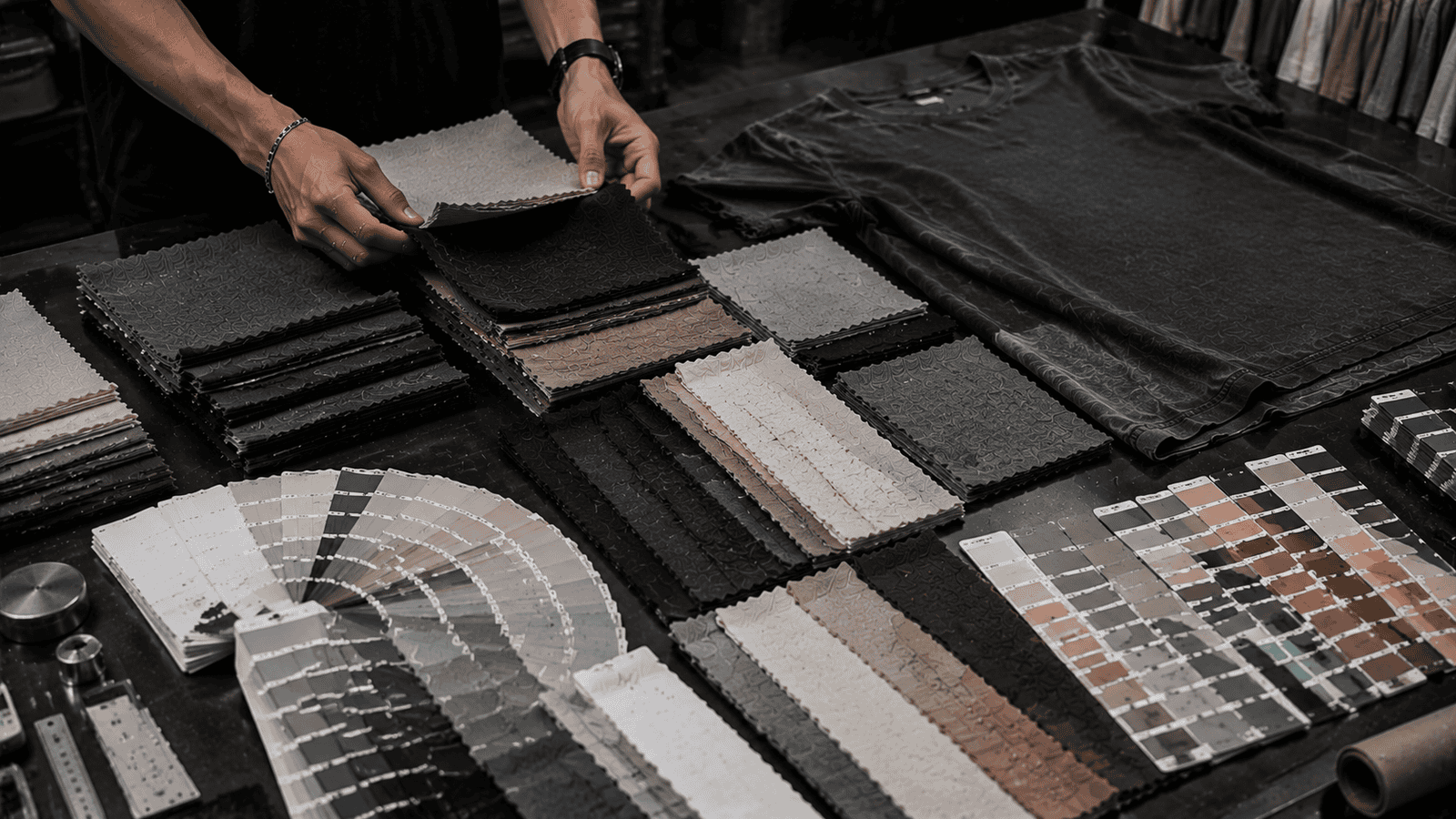
What Printing Techniques Work Best on Heavyweight Streetwear?
Why Printing Matters in Streetwear
Printing defines:
- Brand identity
- Graphic impact
- Product value
- Collection style
Popular Heavyweight Streetwear Printing Techniques
Professional OEM factories should support:
- Screen printing
- Puff printing
- DTG printing
- Reflective printing
- Silicone printing
- Embroidery
Printing Technique Comparison Table
| Printing Type | Best For | Streetwear Effect |
|---|---|---|
| Screen Printing | Bold graphics | Classic streetwear look |
| Puff Printing | Raised texture | Premium 3D effect |
| DTG Printing | Detailed artwork | Complex graphics |
| Silicone Printing | Logo detail | Luxury branding |
| Reflective Printing | Technical fashion | Night visibility effect |
| Embroidery | Small logos | Premium texture |
Explore more here: OEM Services
How Do Wash Treatments Affect Heavyweight Streetwear T-Shirts?
Why Washing Is Important
Wash treatments help create:
- Vintage appearance
- Softer handfeel
- Unique color depth
- Brand-specific texture
Common Streetwear Wash Treatments
Popular options include:
- Acid wash
- Enzyme wash
- Vintage wash
- Garment dye
- Pigment dye
- Stone wash
Wash Treatment Comparison Table
| Wash Type | Visual Effect | Best For |
|---|---|---|
| Acid Wash | Strong vintage contrast | Bold streetwear styles |
| Enzyme Wash | Softer surface | Premium cotton tees |
| Vintage Wash | Worn-in appearance | Retro collections |
| Garment Dye | Rich color depth | Luxury streetwear |
| Pigment Dye | Faded tone | Urban fashion brands |
Why Wash Control Matters
Poor washing control may cause:
- Excessive shrinkage
- Color inconsistency
- Fabric damage
- Print cracking
Why Is Oversized Fit Development Important?
Heavyweight T-Shirts Need Proper Pattern Making
A professional manufacturer should control:
- Shoulder drop
- Sleeve width
- Body length
- Chest width
- Neckline shape
- Width-to-length ratio
Oversized Fit Comparison Table
| Fit Type | Key Features |
|---|---|
| Standard Fit | Traditional body shape |
| Relaxed Fit | Slightly loose silhouette |
| Oversized Fit | Wider body and dropped shoulders |
| Boxy Fit | Wider body with shorter length |
Why Fit Development Affects Final Quality
Good fit development improves:
- Garment drape
- Brand identity
- Size consistency
- Customer satisfaction
How Does Sampling Work Before Bulk Production?
Why Sampling Is Necessary
Samples help brands review:
- Fabric quality
- GSM feel
- Oversized fit
- Printing effect
- Wash result
- Stitching quality
Typical Sampling Timeline
| Sampling Stage | Timeline |
|---|---|
| Fabric Confirmation | 2–5 days |
| Pattern Making | 3–7 days |
| Sample Production | 7–14 days |
| Print/Wash Testing | 3–7 days |
| Sample Revision | 3–7 days |
Why Sample Approval Matters
The approved sample becomes the quality standard for bulk production.
What MOQ Should Brands Expect?
What Does MOQ Mean?
MOQ means Minimum Order Quantity required for production.
Typical Heavyweight T-Shirt MOQ
| Factory Type | Typical MOQ |
|---|---|
| Startup-Friendly OEM Factory | 50–100 pcs |
| Standard OEM Factory | 100–300 pcs |
| Large Production Factory | 500+ pcs |
Why Flexible MOQ Matters
Flexible MOQ helps brands:
- Test new designs
- Reduce inventory risk
- Improve cash flow
- Launch collections faster
How Important Is Quality Control?
QC Protects Brand Reputation
Poor quality can lead to:
- Returns
- Customer complaints
- Bad reviews
- Damaged brand trust
Professional QC Should Include
- Fabric inspection
- GSM testing
- Printing inspection
- Washing inspection
- In-line sewing QC
- Final garment inspection
- Packaging inspection
QC Workflow Table
| QC Stage | Inspection Focus |
|---|---|
| Fabric QC | GSM, defects, shrinkage |
| Printing QC | Placement, color, durability |
| Washing QC | Color effect, shrinkage, softness |
| Sewing QC | Stitching and construction |
| Final QC | Measurements and finishing |
| Packing QC | Labels, packaging, cartons |
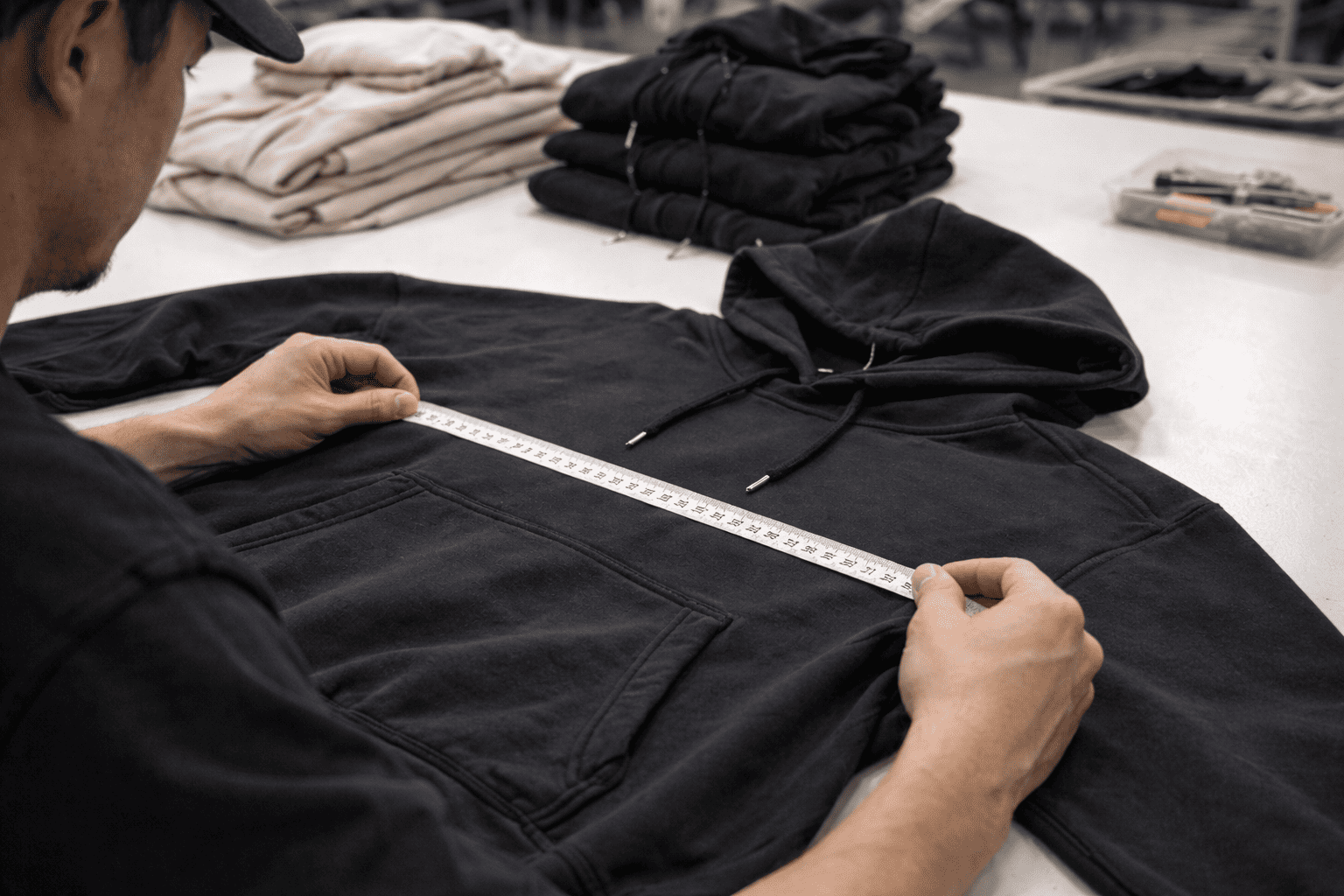
What Products Should Professional Streetwear Manufacturers Offer?
Full Streetwear Product Categories
Reliable manufacturers should support complete collection development including:
- Custom T-Shirts
- Streetwear Tank Tops
- Streetwear Hoodies
- Streetwear Sweatshirts
- Streetwear Jackets
- Streetwear Pants
- Streetwear Shorts
- Streetwear Sets
- Streetwear Denim Apparel
Browse all categories here: Streetwear Products
Why Do Brands Choose Ohsure Apparel?
Professional Heavyweight Streetwear OEM Support
Ohsure Apparel supports global fashion brands with heavyweight streetwear T-shirt manufacturing and private label production.
Strong Product Development Capability
Support includes:
- Fabric sourcing
- GSM testing
- Pattern making
- Oversized fit development
- Printing
- Washing
- Bulk production
- Quality control
Flexible MOQ for Growing Brands
Ohsure supports startup testing and scalable production for modern streetwear brands.
Conclusion: What Should Brands Know About Printing, Washing & Fabric?
Heavyweight streetwear T-shirt manufacturing requires:
- Premium fabric sourcing
- Stable GSM control
- Oversized fit development
- Advanced printing capability
- Professional wash treatment control
- Accurate sampling
- Strong quality inspection
The right OEM manufacturing partner can help brands create heavyweight streetwear T-shirts with better structure, stronger branding, premium finishing, and long-term production consistency.