
Heavyweight T-shirts have become one of the most important products in modern streetwear. From luxury fashion labels to independent clothing brands, more companies are choosing heavyweight cotton fabrics, oversized silhouettes, and premium garment construction to create products with higher perceived value.
However, choosing the right heavyweight OEM streetwear T-shirts manufacturer requires more than comparing prices. Brands need to evaluate fabric quality, GSM options, fit development, printing capabilities, quality control systems, and production expertise.
This buying guide explains everything you should know before selecting a heavyweight OEM streetwear T-shirt manufacturer.
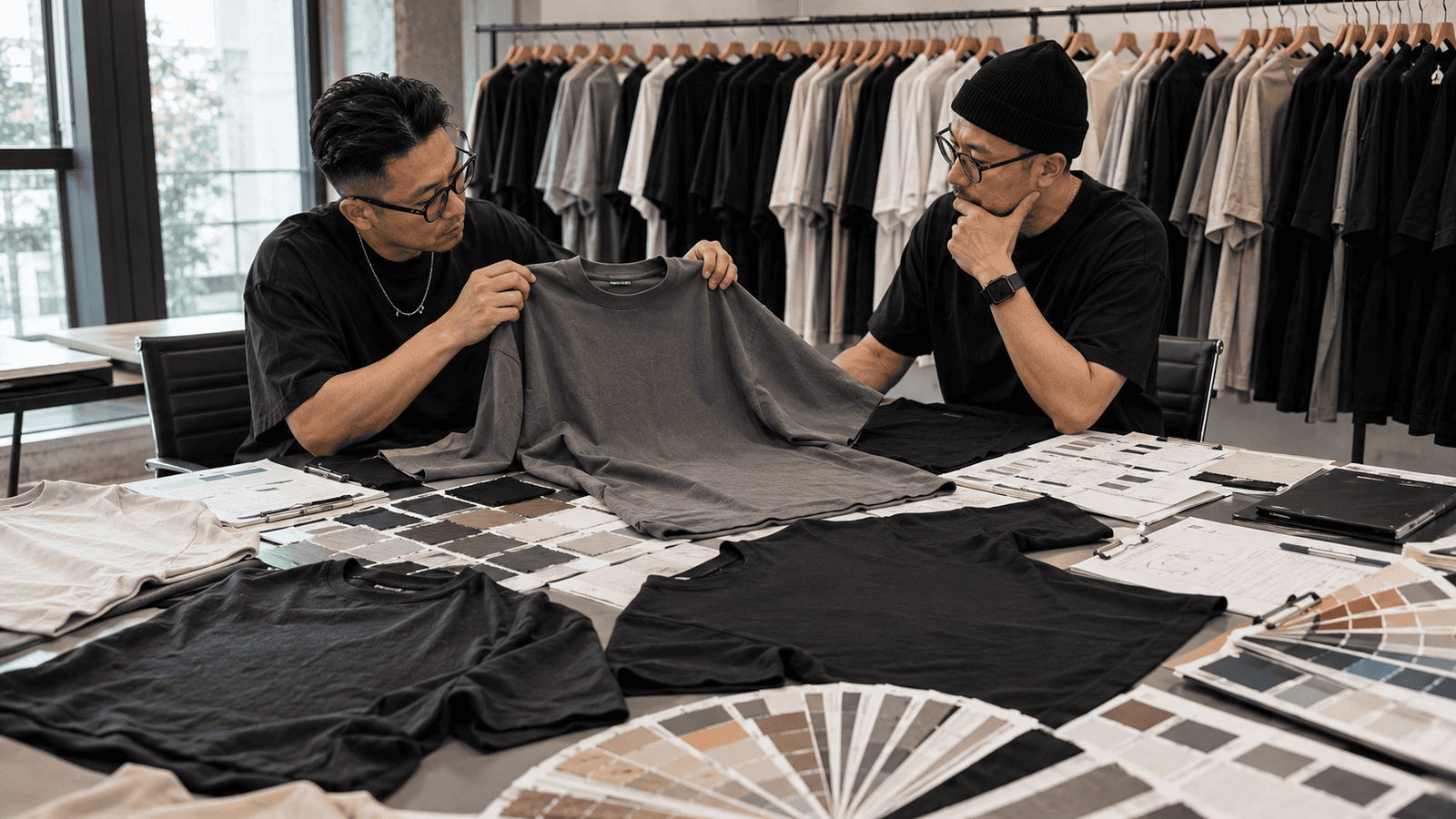
What Is a Heavyweight OEM Streetwear T Shirts Manufacturer?
What Does Heavyweight Mean in Streetwear?
Heavyweight T-shirts use thicker fabrics than standard retail tees.
Common heavyweight ranges include:
- 220 GSM
- 240 GSM
- 260 GSM
- 280 GSM
- 300 GSM+
What Does an OEM Manufacturer Do?
OEM manufacturers provide:
- Fabric sourcing
- Pattern development
- Sampling
- Printing
- Private label branding
- Bulk production
Why Do Streetwear Brands Choose OEM Manufacturing?
OEM manufacturing allows brands to create fully customized products rather than using generic blank garments.
Many brands work with a professional Custom Streetwear Manufacturer to develop unique heavyweight collections.
Why Are Heavyweight T-Shirts So Popular in Streetwear?
How Do Heavyweight Fabrics Improve Product Quality?
Heavyweight fabrics provide:
- Better structure
- Improved durability
- Premium hand feel
Why Do Customers Prefer Heavyweight T-Shirts?
Consumers often associate heavyweight garments with:
- Higher quality
- Better comfort
- Luxury positioning
What Brands Popularized Heavyweight Streetwear?
Popular oversized and heavyweight trends have been influenced by:
- Fear of God
- Essentials
- Represent
- Corteiz
What GSM Is Best for Heavyweight Streetwear T-Shirts?
What Is GSM?
GSM stands for grams per square meter and measures fabric weight.
Which GSM Range Is Most Common?
| GSM | Feel | Typical Use |
|---|---|---|
| 180-220 GSM | Medium Weight | Everyday T-Shirts |
| 220-240 GSM | Heavyweight | Premium Streetwear |
| 240-260 GSM | Extra Heavyweight | Oversized Collections |
| 280-300 GSM | Luxury Heavyweight | Premium Brands |
| 300 GSM+ | Ultra Heavyweight | Specialty Collections |
How Should Brands Choose GSM?
Selection depends on:
- Target market
- Brand positioning
- Garment silhouette
- Climate
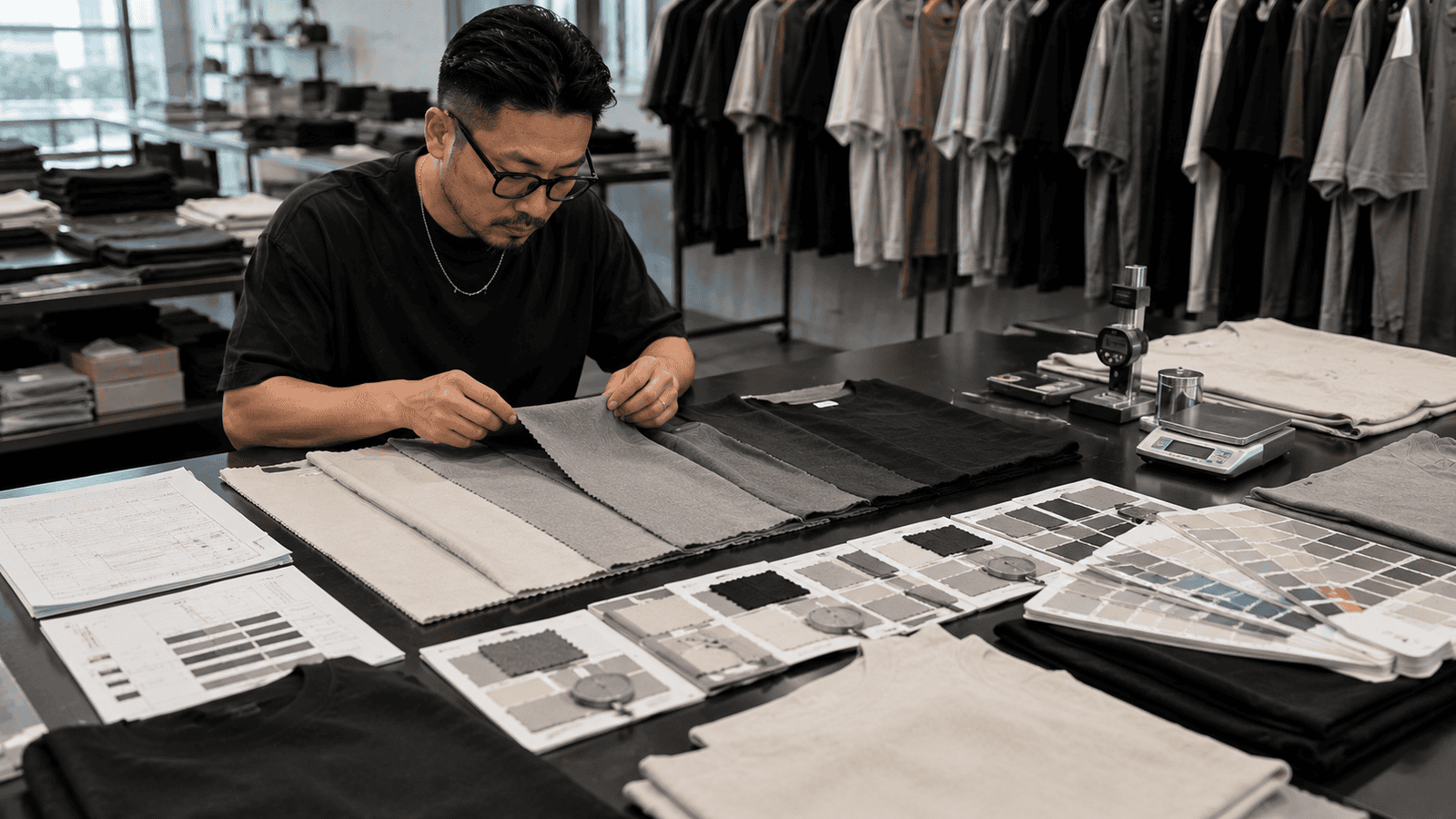
What Fabric Types Should a Manufacturer Offer?
Which Cotton Fabrics Are Most Popular?
Common options include:
- 100% Cotton
- Combed Cotton
- Compact Cotton
- Organic Cotton
Why Is Combed Cotton Popular?
Benefits include:
- Softer texture
- Better durability
- Premium appearance
Should Brands Consider Organic Cotton?
Organic cotton can help brands:
- Improve sustainability
- Appeal to eco-conscious consumers
- Strengthen brand image
How Important Is Fit Development?
What Fits Are Popular in Modern Streetwear?
Popular silhouettes include:
- Oversized fit
- Boxy fit
- Drop shoulder fit
- Cropped fit
Why Is Fit More Important Than Graphics?
Fit directly impacts:
- Comfort
- Style
- Customer retention
How Can Manufacturers Help?
Experienced OEM factories provide:
- Custom patterns
- Size grading
- Fit optimization
Which Printing Methods Work Best on Heavyweight T-Shirts?
What Decoration Methods Are Most Common?
| Method | Durability | Premium Appearance |
|---|---|---|
| Screen Printing | Excellent | High |
| Puff Printing | Excellent | Very High |
| Silicone Printing | Excellent | Premium |
| DTG Printing | Good | Medium |
| Embroidery | Excellent | Premium |
Why Is Puff Printing Popular?
Puff printing creates:
- 3D effects
- Premium texture
- Strong brand identity
When Should Embroidery Be Used?
Embroidery works well for:
- Logos
- Minimalist designs
- Luxury collections
Brands often work with a trusted Custom T-Shirts Manufacturer to achieve premium decoration quality.
What MOQ Should You Expect?
What Is a Typical MOQ?
Most OEM manufacturers require:
| Product Type | Typical MOQ |
|---|---|
| Heavyweight T-Shirt | 100 pcs |
| Printed Heavyweight Tee | 100 pcs |
| Embroidered Tee | 100 pcs |
| Fully Custom Tee | 100 pcs |
Why Do Factories Require MOQ?
MOQ helps cover:
- Fabric sourcing costs
- Production setup costs
- Labor expenses
How Can Startups Manage MOQ?
Strategies include:
- Fewer colorways
- Fewer sizes
- Simplified collections
How Can Brands Evaluate Manufacturing Quality?
What Should Be Checked During Sampling?
Review:
- Fabric consistency
- Fit accuracy
- Print quality
- Stitching quality
What Should Quality Control Include?
Professional QC should inspect:
- Fabric
- Measurements
- Printing
- Packaging
Why Is Sample-to-Bulk Consistency Important?
Consistency protects:
- Customer satisfaction
- Brand reputation
- Product reviews
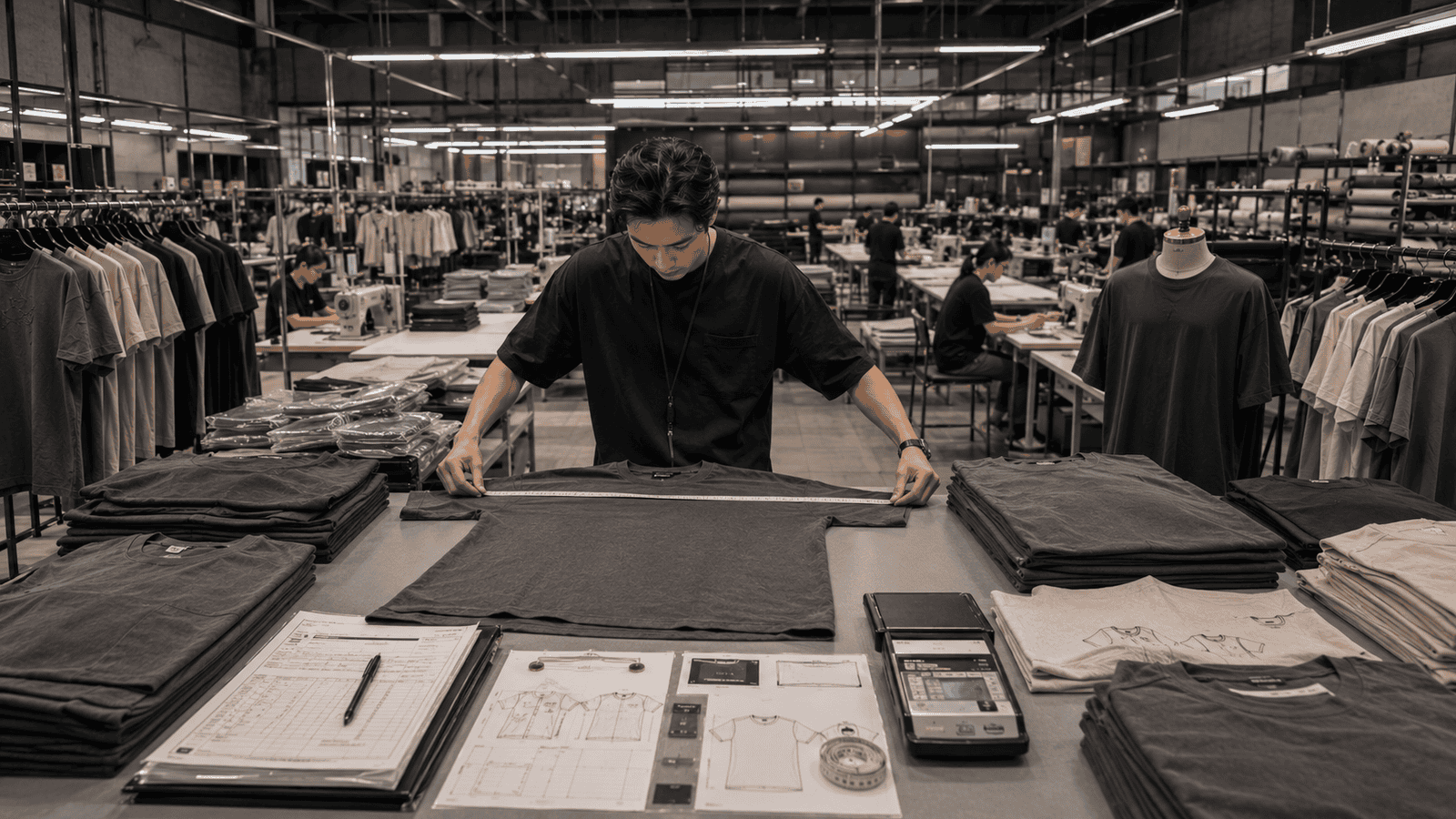
What Lead Times Should Brands Expect?
How Long Does Sampling Take?
Typical sample timelines:
- 7–10 days
How Long Does Bulk Production Take?
Most heavyweight T-shirt orders require:
- 25–35 days
What Factors Affect Lead Times?
Production timelines depend on:
- Fabric availability
- Printing complexity
- Order quantity
Professional OEM Services help maintain efficient production schedules.
Can One Manufacturer Produce a Full Streetwear Collection?
What Products Can Be Manufactured?
A professional OEM factory can produce:
- Custom T-Shirts
- Streetwear Hoodies
- Streetwear Sweatshirts
- Streetwear Jackets
- Streetwear Tank Tops
- Streetwear Pants
- Streetwear Shorts
- Streetwear Sets
- Streetwear Denim Apparel
Why Is One-Stop Manufacturing Valuable?
Benefits include:
- Faster communication
- Consistent quality
- Easier project management
How Does It Support Brand Growth?
One manufacturing partner can support long-term product expansion.
How Do You Choose the Best Heavyweight OEM Streetwear T Shirts Manufacturer?
What Should Brands Prioritize?
Focus on:
- Fabric expertise
- Heavyweight garment experience
- Sampling quality
- QC systems
- Communication
What Questions Should You Ask?
- What GSM options do you offer?
- Can you create custom oversized fits?
- What is your MOQ?
- What quality control processes do you use?
What Is the Long-Term Advantage?
Working with an experienced Streetwear Manufacturer provides access to premium fabrics, custom development, private label branding, and scalable OEM production.
Conclusion
Heavyweight T-shirts are one of the fastest-growing categories in modern streetwear. Choosing the right OEM manufacturer can significantly impact product quality, customer satisfaction, and brand growth.
By evaluating fabric quality, GSM options, fit development, decoration methods, quality control systems, and production capabilities, brands can confidently select a manufacturing partner that supports long-term success.