
Creating a successful oversized heavyweight t-shirt requires much more than simply choosing a fabric and placing a logo. Modern streetwear brands expect premium fabrics, precise oversized fits, consistent quality, and reliable manufacturing processes from sampling to bulk production.
Whether you are launching a startup clothing brand or expanding an established streetwear label, understanding the complete production journey helps reduce mistakes, improve communication with suppliers, and achieve better final products.
This guide explains every stage of working with a custom oversized heavyweight t-shirt manufacturer—from the first tech pack to final bulk production.
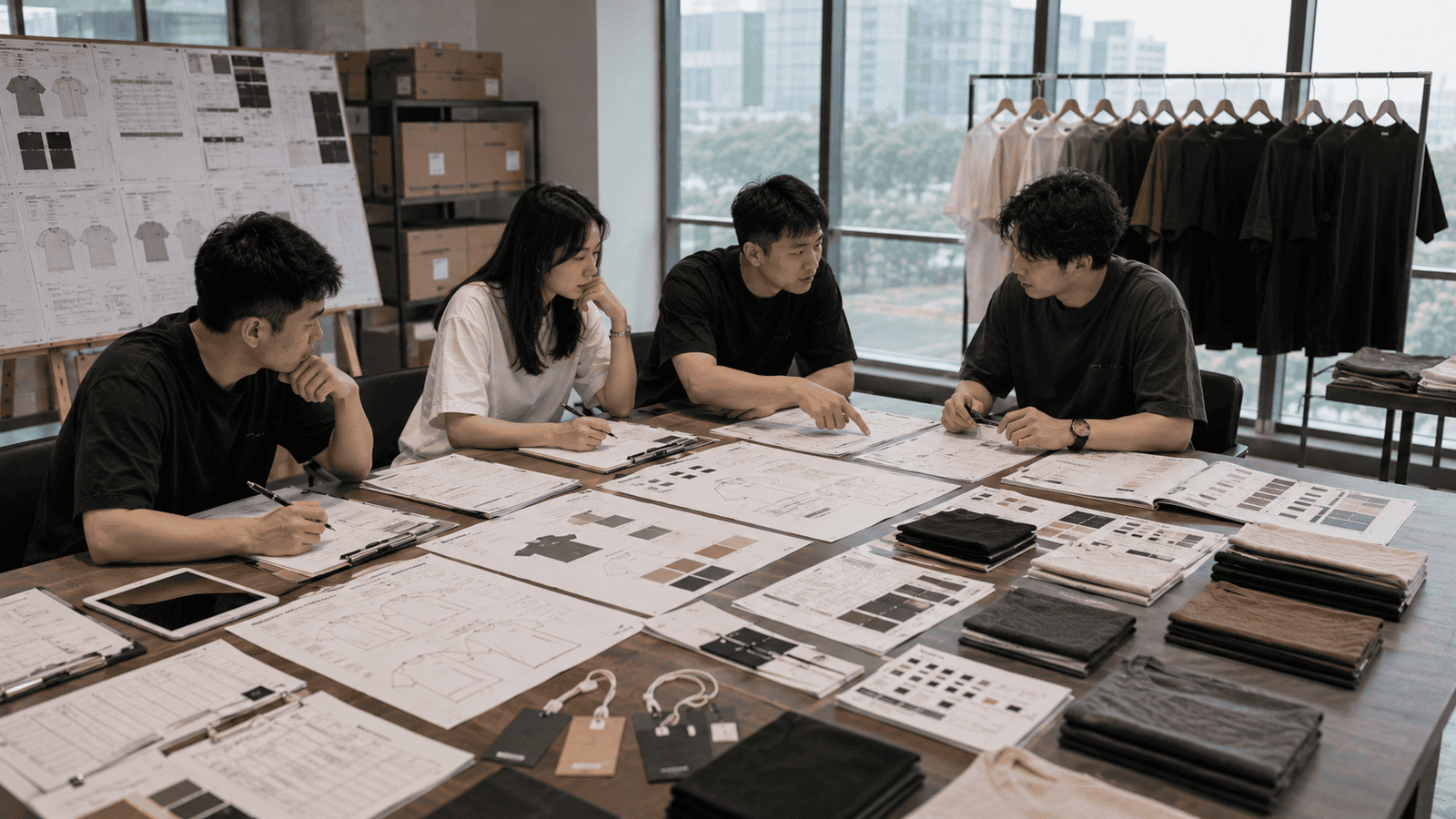
Many brands work with an experienced Custom Streetwear Manufacturer to streamline product development and ensure production consistency.
What Is a Tech Pack and Why Is It Important?
A tech pack serves as the blueprint for your product.
What Information Should a Tech Pack Include?
A complete tech pack typically contains:
- Technical sketches
- Measurement specifications
- Fabric requirements
- Color references
- Logo placement details
- Label instructions
- Packaging requirements
Why Do Manufacturers Need a Tech Pack?
Without clear instructions, manufacturers may interpret product details differently, leading to costly revisions.
Can a Manufacturer Help Create a Tech Pack?
Many professional manufacturers provide development assistance for brands that do not have in-house technical designers.
What Happens After Submitting a Tech Pack?
Once the manufacturer receives the tech pack, the product development process begins.
How Is the Design Evaluated?
The development team reviews:
- Garment construction
- Fabric availability
- Printing methods
- Fit requirements
- Production feasibility
What Questions Might a Manufacturer Ask?
Common questions include:
- Preferred GSM?
- Desired fit?
- Fabric composition?
- Wash treatments?
- Packaging requirements?
Why Is Early Communication Important?
Clear communication helps prevent delays and reduces development costs.
For technical product development support, many brands utilize professional OEM Services.
How Is Fabric Selected for Oversized Heavyweight T-Shirts?
Fabric selection directly affects quality, comfort, and pricing.
What GSM Is Commonly Used?
| GSM | Category | Application |
|---|---|---|
| 220gsm | Mid Heavyweight | Entry-Level Streetwear |
| 240gsm | Heavyweight | Everyday Premium Tees |
| 260gsm | Premium Heavyweight | Modern Streetwear |
| 280gsm | Luxury Heavyweight | Premium Collections |
| 320gsm | Ultra Heavyweight | Designer Apparel |
Which Fabrics Are Most Popular?
Manufacturers commonly recommend:
- Combed Cotton
- Compact Cotton
- Ring-Spun Cotton
- Organic Cotton
- Double Yarn Cotton
Should Fabric Testing Be Performed?
Yes. Fabric testing helps verify:
- GSM consistency
- Shrinkage rate
- Colorfastness
- Fabric composition
How Does Pattern Development Work?
Pattern development transforms a design concept into a wearable product.
Why Can't Oversized T-Shirts Be Created by Simply Increasing Size?
Oversized garments require dedicated pattern engineering.
Increasing measurements alone often creates poor proportions and unattractive silhouettes.
What Fit Options Are Available?
Popular options include:
- Oversized Fit
- Boxy Fit
- Relaxed Fit
- Drop Shoulder Fit
What Does a Pattern Development Team Do?
A professional team typically provides:
- Pattern making
- Size grading
- Fit adjustments
- Sample revisions
What Happens During the Sampling Process?
Sampling is one of the most important stages of production.
What Is a Proto Sample?
The proto sample is the first physical version of the garment.
What Is a Fit Sample?
Fit samples evaluate:
- Measurements
- Silhouette
- Comfort
- Proportions
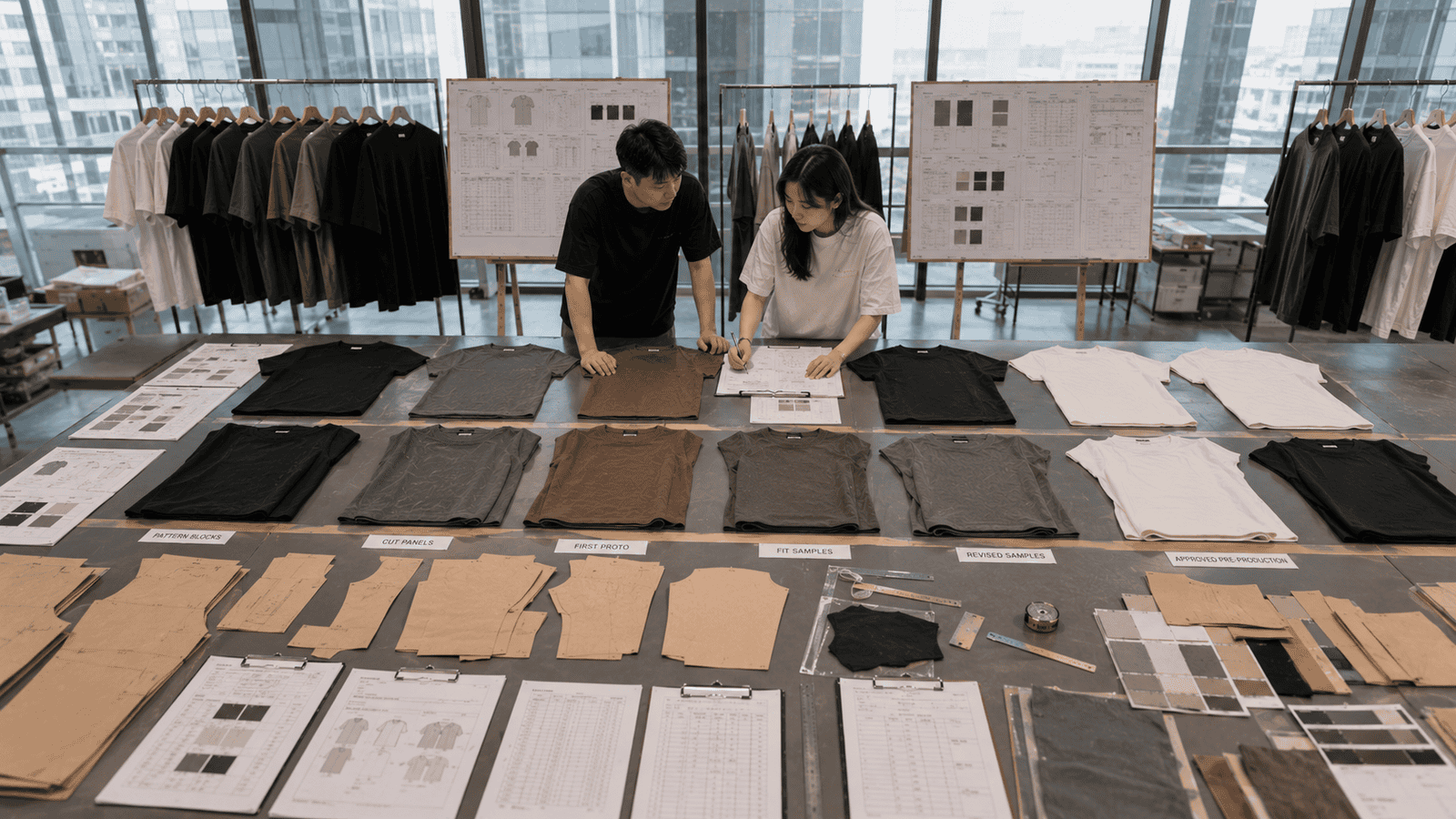
How Many Sample Stages Are Usually Required?
| Sample Type | Purpose |
|---|---|
| Proto Sample | Initial Evaluation |
| Fit Sample | Fit Adjustment |
| Revised Sample | Corrections |
| Pre-Production Sample | Final Approval |
How Are Printing and Branding Developed?
Streetwear brands rely heavily on branding and garment decoration.
Which Printing Methods Are Popular?
| Method | Durability | Popularity |
|---|---|---|
| Screen Printing | Excellent | Very High |
| Puff Printing | Excellent | Very High |
| DTG Printing | Good | High |
| Silicone Transfer | Excellent | High |
| Embroidery | Excellent | High |
What Private Label Options Are Available?
Most manufacturers offer:
- Woven labels
- Neck labels
- Hang tags
- Packaging boxes
- Custom polybags
Can Special Wash Effects Be Added?
Yes. Popular finishes include:
- Vintage Wash
- Acid Wash
- Garment Dye
- Pigment Dye
- Enzyme Wash
Brands looking for advanced customization often partner with a dedicated Custom T-Shirt Manufacturer.
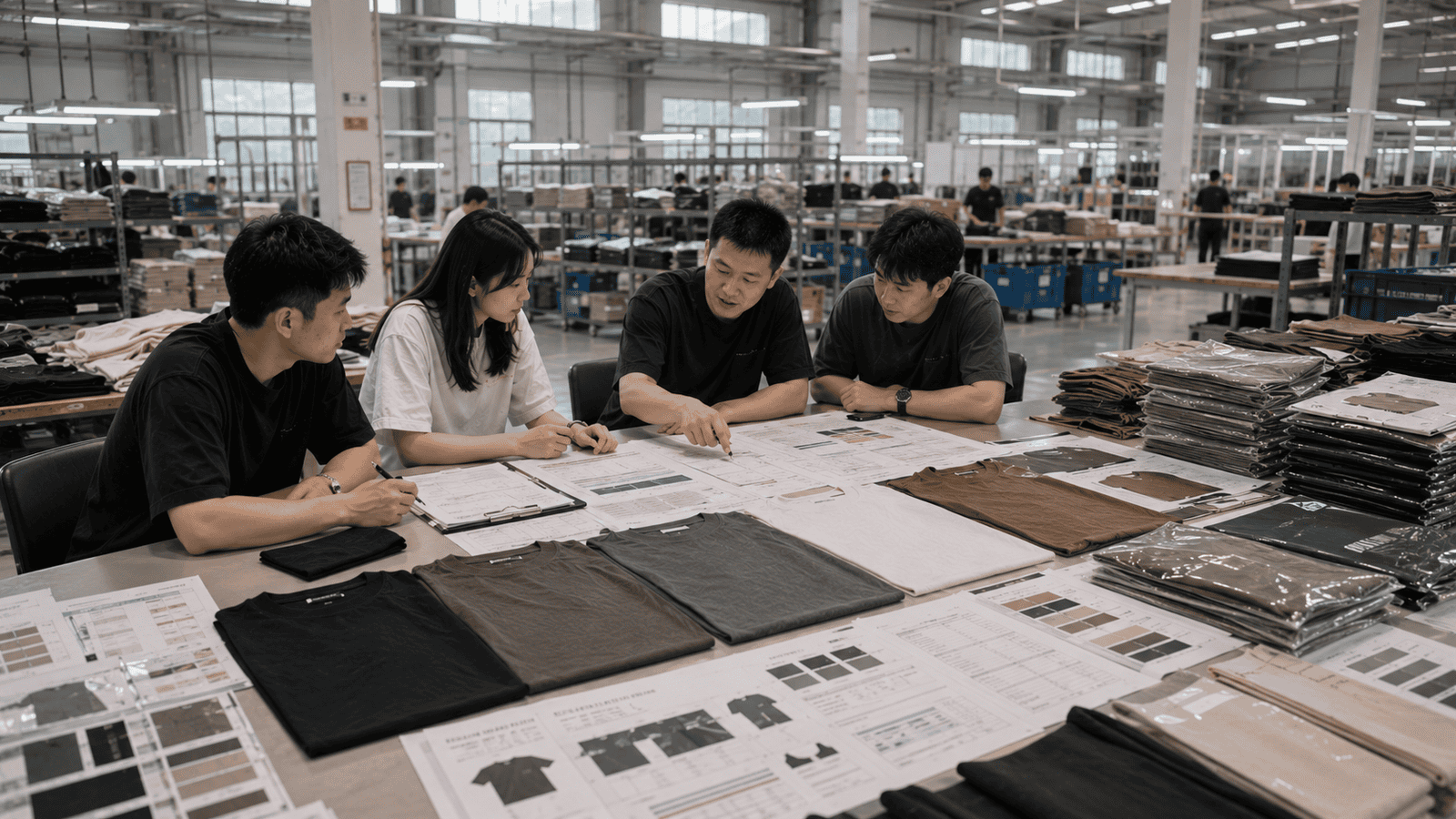
How Is Pre-Production Approval Handled?
Pre-production approval ensures everything is ready before bulk manufacturing begins.
What Should Be Approved?
Key approvals include:
- Fabric
- Measurements
- Printing
- Labels
- Packaging
Why Is This Step Important?
It minimizes production errors and prevents unexpected changes.
Who Should Review the Sample?
Brand owners, designers, and production managers should all approve final samples.
What Happens During Bulk Production?
Once approval is received, manufacturing moves into full-scale production.
What Are the Main Production Stages?
- Fabric Inspection
- Fabric Cutting
- Sewing
- Printing
- Finishing
- Packaging
How Long Does Bulk Production Take?
Production timelines vary based on:
- Quantity
- Customization level
- Fabric availability
How Can Brands Monitor Progress?
Reliable manufacturers provide:
- Production updates
- Photos
- Inspection reports
How Does Quality Control Protect Product Consistency?
Quality control helps ensure that bulk production matches approved samples.
What QC Stages Should Exist?
| QC Stage | Purpose |
|---|---|
| Fabric Inspection | Material Verification |
| Cutting Inspection | Measurement Accuracy |
| Inline Inspection | Production Monitoring |
| Final Inspection | Shipment Approval |
Why Is Final Inspection Critical?
Final inspections identify:
- Size inconsistencies
- Printing defects
- Fabric flaws
- Packaging errors
Should QC Reports Be Shared?
Yes. Transparent manufacturers regularly share inspection records.
How Are Packaging and Shipping Organized?
The final stage prepares products for delivery.
What Packaging Options Are Available?
Common options include:
- Custom polybags
- Branded boxes
- Hang tags
- Tissue paper
- Barcode stickers
Which Shipping Methods Are Common?
| Method | Speed | Cost |
|---|---|---|
| Express | Fastest | Highest |
| Air Freight | Fast | Medium |
| Sea Freight | Slowest | Lowest |
How Can Startups Reduce Shipping Costs?
Consolidated shipments and proper planning help optimize logistics expenses.
Can a Manufacturer Support Future Collection Expansion?
Most successful brands eventually expand beyond t-shirts.
What Additional Products Should Be Available?
A full-service supplier should offer:
- Streetwear Tank Tops
- Streetwear Hoodies
- Streetwear Sweatshirts
- Streetwear Jackets
- Streetwear Pants
- Streetwear Shorts
- Streetwear Sets
- Streetwear Denim Apparel
Why Is Product Diversification Important?
It strengthens brand identity and increases customer lifetime value.
When Should Brands Expand?
After establishing successful core products and stable sales channels.
Conclusion
Developing a custom oversized heavyweight t-shirt involves multiple stages, including tech pack creation, fabric sourcing, pattern development, sampling, branding, bulk production, quality control, and shipping. Understanding this process helps brands communicate more effectively with manufacturers and achieve better production outcomes.
The best manufacturers provide comprehensive support from concept to delivery, allowing brands to focus on growth while maintaining product quality and consistency.
To learn more about professional streetwear manufacturing services, visit: