
When launching a streetwear brand, one of the most common questions is: How much does it cost to produce blank streetwear t-shirts? Understanding MOQ requirements, sampling costs, fabric selection, and production expenses is essential for budgeting and choosing the right manufacturing partner.
Whether you're starting a new clothing brand, expanding an existing collection, or sourcing products for wholesale, understanding the relationship between MOQ, sampling, and production costs can help you avoid costly mistakes and maximize profitability.
This guide explains how blank streetwear t-shirt manufacturers calculate costs, how MOQ impacts pricing, and what brands should expect throughout the development and production process.
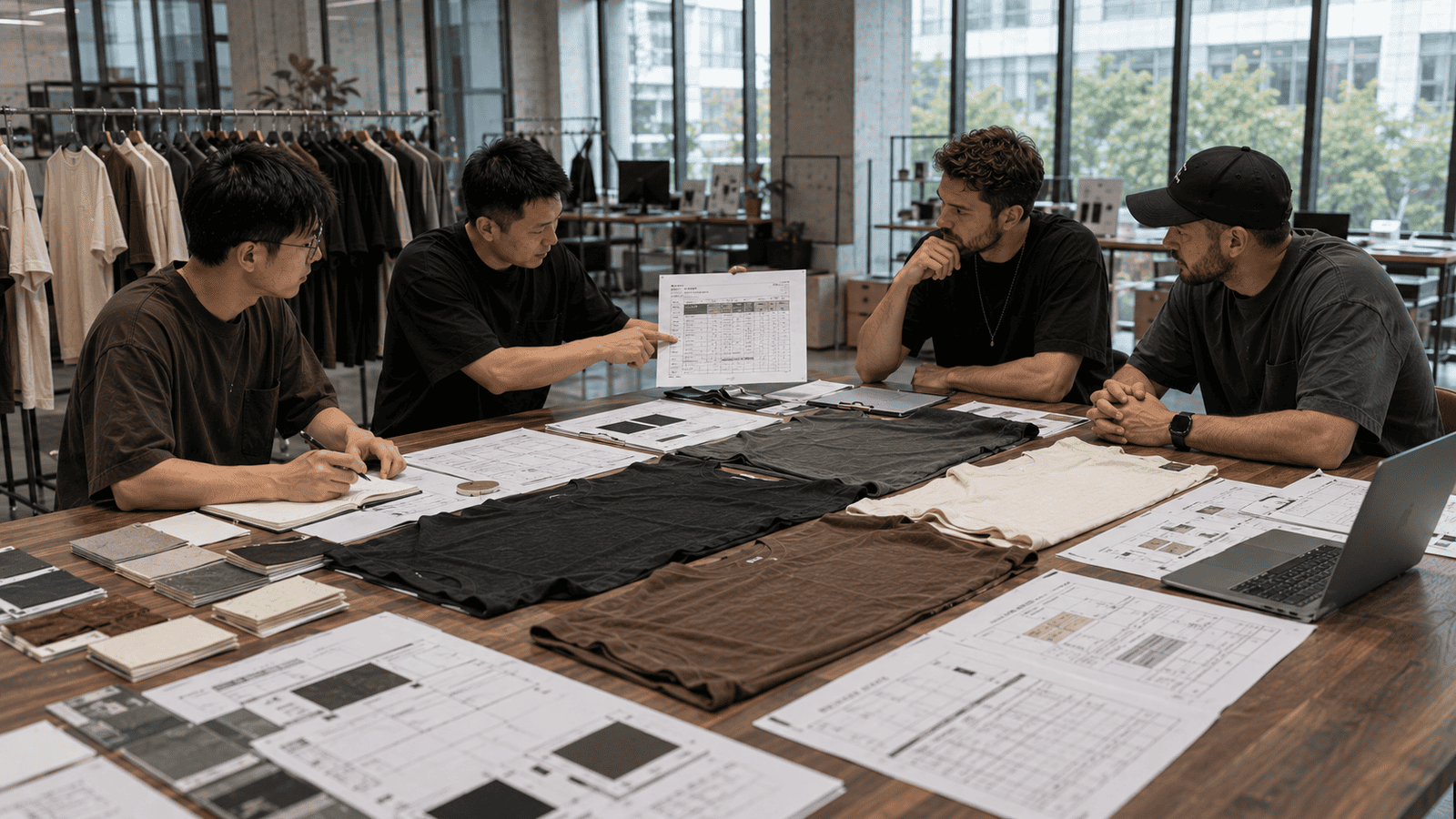
If you're looking for a trusted manufacturing partner, explore our professional Custom Streetwear Manufacturer services.
What Does MOQ Mean In Streetwear Manufacturing?
What Is MOQ?
MOQ stands for:
Minimum Order Quantity
It refers to the smallest quantity a manufacturer is willing to produce per style and color.
Why Do Manufacturers Require MOQs?
Factories need MOQ requirements because of:
- Fabric purchasing requirements
- Production efficiency
- Labor allocation
- Machine setup costs
What Is A Typical MOQ For Blank Streetwear T-Shirts?
| Product Type | Typical MOQ |
|---|---|
| Basic Blank T-Shirts | 100 Pieces |
| Heavyweight T-Shirts | 100 Pieces |
| Garment Dyed T-Shirts | 100–200 Pieces |
| Custom Washed Styles | 100–300 Pieces |
| Fully Customized OEM T-Shirts | 100–300 Pieces |
Learn more about our complete OEM Services.
Why Does MOQ Affect Production Costs?
Why Are Small Orders More Expensive?
Smaller orders have:
- Higher setup costs
- Lower production efficiency
- Less fabric purchasing leverage
How Does Volume Affect Unit Pricing?
Generally:
| Order Quantity | Cost Per Unit |
|---|---|
| 100 pcs | Highest |
| 300 pcs | Lower |
| 500 pcs | More Competitive |
| 1000 pcs+ | Best Pricing |
Should Startups Always Order The Lowest MOQ?
Not necessarily.
Brands should balance:
- Budget
- Inventory risk
- Target sales volume
What Factors Influence Blank T-Shirt Production Costs?
What Are The Main Cost Components?
Production costs include:
- Fabric
- Cutting
- Sewing
- Washing
- Branding
- Packaging
Why Does Fabric Have The Biggest Impact?
Fabric often accounts for:
40%–60% of total garment cost
depending on GSM and material quality.
Cost Breakdown Example
| Cost Element | Percentage |
|---|---|
| Fabric | 40–60% |
| Labor | 15–25% |
| Branding | 5–10% |
| Packaging | 3–8% |
| Quality Control | 2–5% |
| Logistics Preparation | 2–5% |
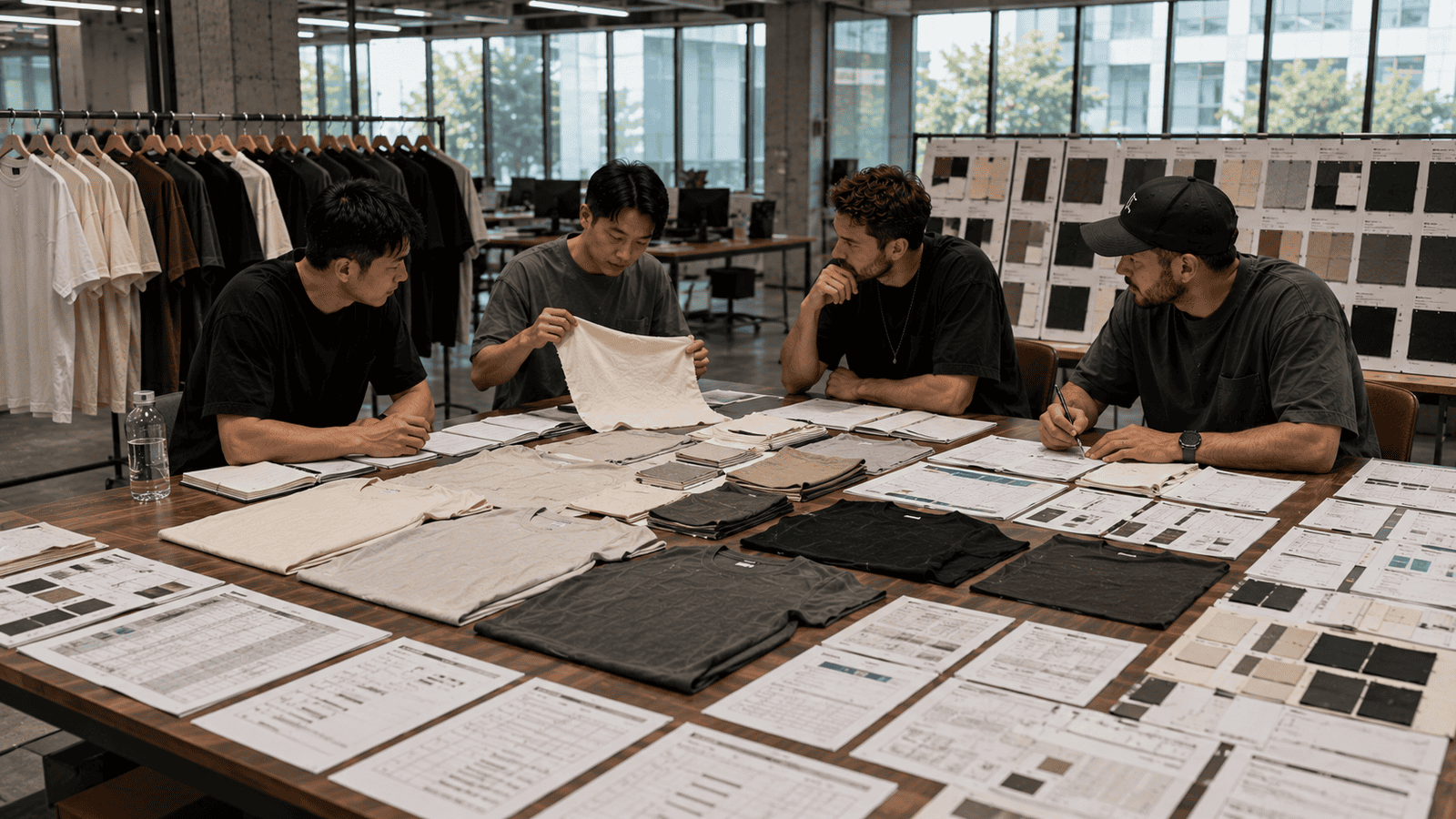
How Does Fabric Choice Affect Pricing?
Which Fabrics Cost More?
Premium fabrics typically include:
- Combed cotton
- Ring-spun cotton
- Organic cotton
Does GSM Affect Fabric Costs?
Yes.
Higher GSM fabrics require:
- More yarn
- More fabric weight
- Higher material costs
Fabric Cost Comparison
| Fabric Type | Relative Cost |
|---|---|
| Carded Cotton | $ |
| Combed Cotton | $$ |
| Ring-Spun Cotton | $$$ |
| Organic Cotton | $$$$ |
Many premium brands work with a dedicated Custom T-Shirts Manufacturer to optimize fabric selection.
How Much Does Sampling Usually Cost?
Why Do Manufacturers Charge For Samples?
Sampling involves:
- Pattern development
- Fabric sourcing
- Cutting
- Sewing
- Quality review
What Is Included In Sample Costs?
Sample costs may include:
- Fabric procurement
- Labor
- Branding applications
- Shipping preparation
Typical Sampling Cost Range
| Sample Type | Typical Cost |
|---|---|
| Basic Blank Sample | $30–$60 |
| Heavyweight Sample | $50–$80 |
| Washed Sample | $60–$120 |
| Fully Customized Sample | $80–$200+ |
How Long Does The Sampling Process Take?
What Happens During Sampling?
Manufacturers typically complete:
- Fabric sourcing
- Pattern preparation
- Sample production
- Review and approval
How Many Revisions Are Usually Required?
Most projects require:
- 1–3 revision rounds
before final approval.
Typical Sample Timeline
| Stage | Timeline |
|---|---|
| Initial Sample | 7–10 Days |
| Revision Sample | 5–7 Days |
| Final Approval | 2–5 Days |
How Do Printing And Branding Affect Costs?
Which Branding Options Cost More?
Higher-cost options include:
- Embroidery
- Silicone patches
- Rubber badges
- Chenille embroidery
Which Branding Options Are Most Cost Effective?
Popular options include:
- Screen printing
- Woven labels
- Printed neck labels
Branding Cost Comparison
| Branding Method | Cost Level |
|---|---|
| Neck Label Print | Low |
| Woven Label | Medium |
| Screen Print | Medium |
| Embroidery | High |
| Silicone Patch | High |
How Do Wash Treatments Impact Pricing?
Why Do Washed Styles Cost More?
Additional processes include:
- Garment dyeing
- Enzyme washing
- Mineral washing
- Acid washing
Which Washes Are Most Affordable?
Common lower-cost options:
- Enzyme wash
- Garment wash
Which Washes Are Most Expensive?
Typically:
- Acid wash
- Custom vintage wash programs
What Production Costs Should Brands Budget For?
Besides Manufacturing Costs, What Other Expenses Exist?
Brands should budget for:
- Sampling
- Shipping
- Duties
- Photography
- Marketing
What Is A Realistic Startup Budget?
| Brand Size | Suggested Budget |
|---|---|
| Small Launch | $2,000–$5,000 |
| Growth Stage | $5,000–$15,000 |
| Premium Launch | $15,000+ |
Why Is Financial Planning Important?
Proper planning helps:
- Avoid delays
- Reduce inventory risks
- Improve cash flow
How Can Brands Reduce Production Costs Without Sacrificing Quality?
What Strategies Work Best?
Consider:
- Increasing order quantities
- Simplifying branding
- Standardizing fabrics
Why Is Manufacturer Selection Important?
Reliable factories help:
- Reduce waste
- Improve efficiency
- Prevent costly mistakes
Should Brands Focus Only On Unit Price?
No.
Consider:
- Product quality
- Service
- Lead times
- Communication
How Can Manufacturers Support Future Growth?
Why Is Scalability Important?
Growing brands need:
- Higher production volumes
- Faster development
- Expanded product ranges
Which Products Are Commonly Added After T-Shirts?
Many brands expand into:
- Streetwear Hoodies
- Streetwear Sweatshirts
- Streetwear Jackets
- Streetwear Pants
- Streetwear Shorts
- Streetwear Sets
- Streetwear Denim Apparel
Why Is A Long-Term Manufacturing Partner Valuable?
Benefits include:
- Better pricing
- Faster production
- Consistent quality
Browse our complete Streetwear Products Collection for additional manufacturing opportunities.
What Should Brands Ask Before Requesting A Quote?
Which Information Should Be Prepared?
Provide:
- Design references
- Fabric preferences
- GSM requirements
- Quantity estimates
- Branding details
Why Do Detailed Inquiries Get Better Quotes?
Manufacturers can provide:
- More accurate pricing
- Faster responses
- Better production planning
What Is The Best Way To Compare Suppliers?
Compare:
- Quality
- Sampling capabilities
- Communication
- Production experience
not just pricing.
Conclusion
Understanding MOQ requirements, sampling costs, and production expenses is critical for developing successful streetwear products. Fabric selection, GSM, branding, washing, and order quantity all influence final manufacturing costs.
By working with an experienced blank streetwear t shirts manufacturer, brands can make informed sourcing decisions, control budgets more effectively, and build profitable collections for long-term growth.
Visit Ohsure Apparel or explore our Custom Streetwear Manufacturing Services to start planning your next streetwear project.