
Choosing the right fabric is one of the most important decisions when developing a private label streetwear t-shirt collection. Fabric affects comfort, durability, fit, print quality, garment washing results, and overall customer perception.
In 2026, streetwear consumers are demanding heavier fabrics, premium textures, sustainable materials, and long-lasting quality. Whether you're launching a startup brand or expanding an established label, understanding fabric options can help you create products that stand out in a competitive market.
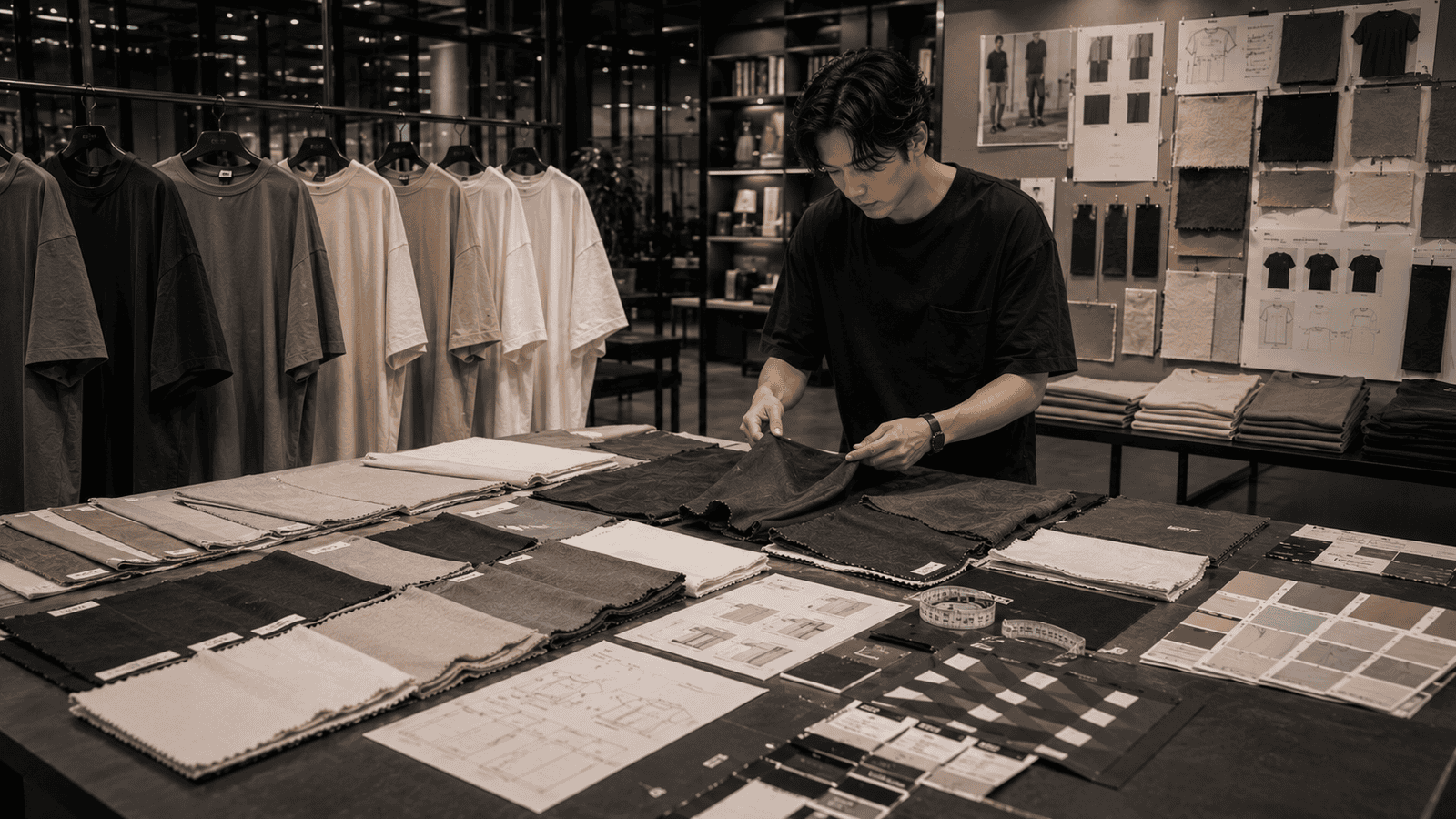
What Makes Fabric Selection So Important for Private Label Streetwear T-Shirts?
The fabric you choose directly influences product quality and customer satisfaction.
How Does Fabric Affect Streetwear Products?
Fabric impacts:
- Garment weight
- Overall fit and silhouette
- Print performance
- Durability
- Comfort
- Perceived brand value
Why Do Premium Streetwear Brands Invest in Better Fabrics?
Premium fabrics help brands:
- Build stronger customer loyalty
- Increase repeat purchases
- Support premium pricing
- Improve garment longevity
Many brands working with a professional Custom Streetwear Manufacturer prioritize fabric development before moving into bulk production.
What Are the Most Popular Fabrics for Streetwear T-Shirts in 2026?
Several fabric types dominate today's streetwear market.
Which Fabric Options Are Most Common?
| Fabric Type | Softness | Durability | Premium Feel | Best For |
|---|---|---|---|---|
| 100% Cotton | Excellent | Good | Excellent | Premium streetwear |
| Combed Cotton | Excellent | Very Good | Excellent | Luxury collections |
| Organic Cotton | Excellent | Good | Excellent | Sustainable brands |
| Cotton Polyester Blend | Good | Excellent | Good | Everyday wear |
| Heavyweight Cotton | Very Good | Excellent | Excellent | Oversized streetwear |
| French Terry Jersey | Good | Excellent | Premium | Fashion-forward styles |
Which Fabric Is Most Popular Among Streetwear Brands?
Heavyweight cotton remains the most popular choice because it offers:
- Better structure
- Stronger drape
- Premium hand feel
- Longer lifespan
Why Is Heavyweight Cotton Considered the Gold Standard?
Heavyweight cotton continues to dominate premium streetwear collections.
What Is Heavyweight Cotton?
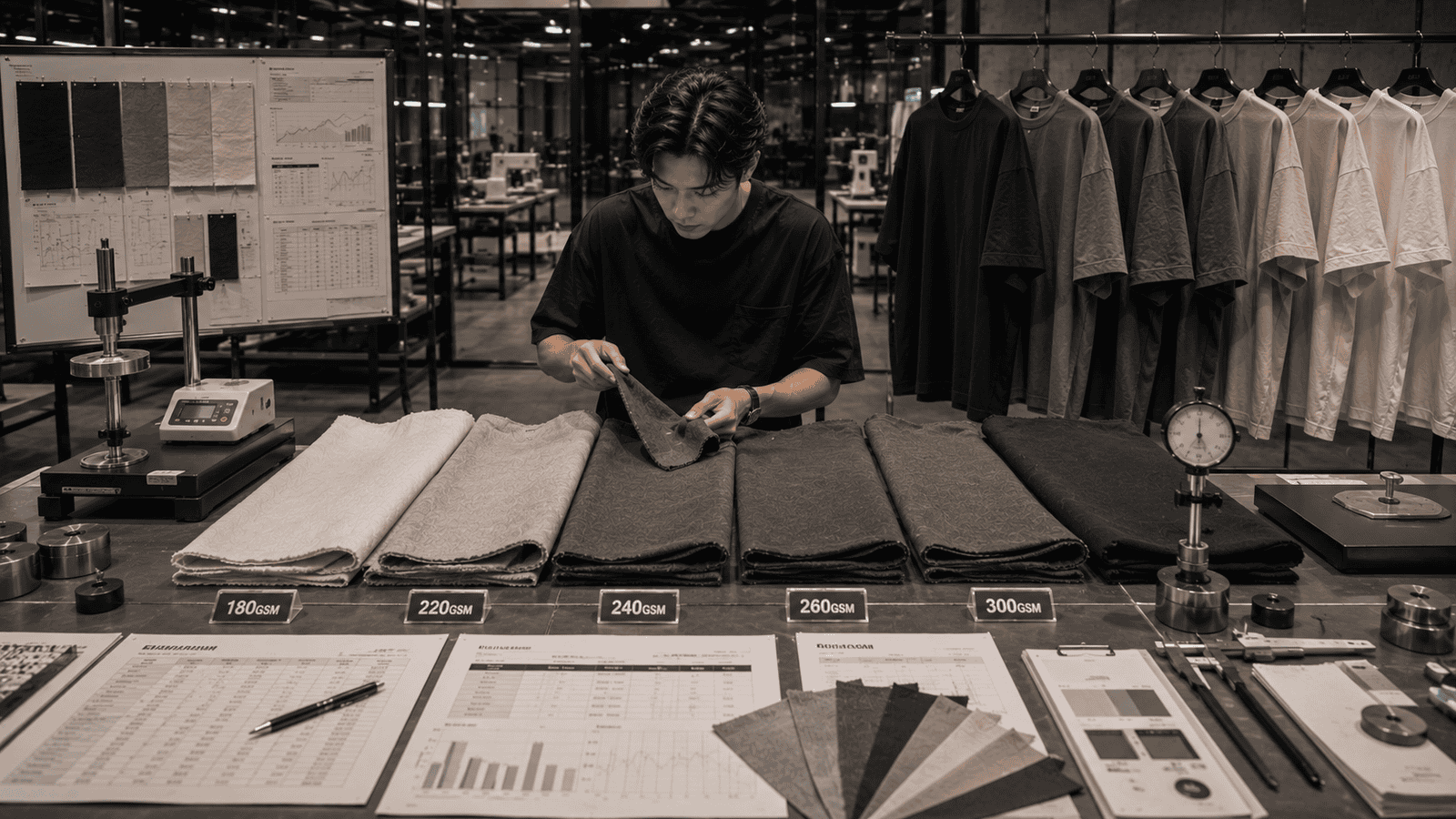
Heavyweight cotton typically ranges between:
- 220 GSM
- 240 GSM
- 260 GSM
- 300 GSM
Why Do Brands Prefer Heavyweight Fabrics?
Benefits include:
- Better silhouette retention
- Luxury appearance
- Premium customer experience
- Improved durability
Which GSM Is Best for Streetwear?
| GSM | Fabric Weight | Recommended Use |
|---|---|---|
| 180-220 GSM | Medium Weight | Everyday streetwear |
| 220-260 GSM | Heavyweight | Premium collections |
| 260-300 GSM | Extra Heavyweight | Luxury oversized fits |
| 300+ GSM | Ultra Heavyweight | Fashion statement pieces |
Is Combed Cotton Better Than Regular Cotton?
Many premium brands choose combed cotton over standard cotton.
What Is Combed Cotton?
Combed cotton undergoes an additional processing step that removes:
- Short fibers
- Impurities
- Uneven strands
This results in a smoother and stronger fabric.
What Are the Advantages of Combed Cotton?
- Softer hand feel
- Better print quality
- Increased durability
- Premium appearance
Is Combed Cotton Worth the Higher Cost?
For most premium private label brands, the answer is yes.
The improved customer experience often justifies the slightly higher production cost.
Should Streetwear Brands Consider Organic Cotton?
Sustainability is becoming increasingly important in apparel manufacturing.
What Is Organic Cotton?
Organic cotton is grown without:
- Synthetic pesticides
- Chemical fertilizers
- Harmful agricultural treatments
Why Are Brands Switching to Organic Cotton?
Benefits include:
- Eco-friendly positioning
- Improved brand image
- Growing consumer demand
- Sustainable product storytelling
Are Customers Willing to Pay More?
Many consumers are willing to pay a premium for sustainable products, particularly in North America and Europe.
Are Cotton-Polyester Blends Suitable for Streetwear?
Cotton-poly blends remain popular in specific market segments.
What Are Cotton-Poly Blends?
These fabrics combine:
- Cotton softness
- Polyester durability
What Are Their Advantages?
- Reduced shrinkage
- Better wrinkle resistance
- Lower production costs
- Improved color retention
When Should Brands Choose Blends?
Blends work well for:
- Entry-level collections
- Graphic t-shirts
- Promotional products
- High-volume programs
How Do Different Fabrics Affect Printing Results?
Fabric choice directly impacts printing quality.
Which Fabric Works Best for Screen Printing?
| Fabric | Screen Printing | Puff Print | Embroidery |
|---|---|---|---|
| 100% Cotton | Excellent | Excellent | Excellent |
| Combed Cotton | Excellent | Excellent | Excellent |
| Organic Cotton | Excellent | Excellent | Good |
| Cotton Blend | Good | Good | Excellent |
Why Is Cotton Preferred for Printing?
Cotton provides:
- Better ink absorption
- Cleaner print edges
- Stronger durability
- Improved color vibrancy
Brands often combine premium fabrics with services from a specialized Custom T-Shirts Manufacturer to ensure consistent print quality.
What Fabric Works Best for Oversized Streetwear T-Shirts?
Oversized fits continue to dominate streetwear trends in 2026.
Why Does Fabric Matter for Oversized Fits?
Oversized garments require fabric that:
- Holds shape well
- Doesn't collapse
- Creates structure
Which Fabrics Are Recommended?
Top choices include:
- 240 GSM Cotton
- 260 GSM Cotton
- Combed Heavyweight Cotton
- Organic Heavyweight Cotton
What Fabrics Should Be Avoided?
Avoid extremely lightweight fabrics below 180 GSM for oversized silhouettes because they often lose structure.
How Can You Evaluate Fabric Quality Before Production?
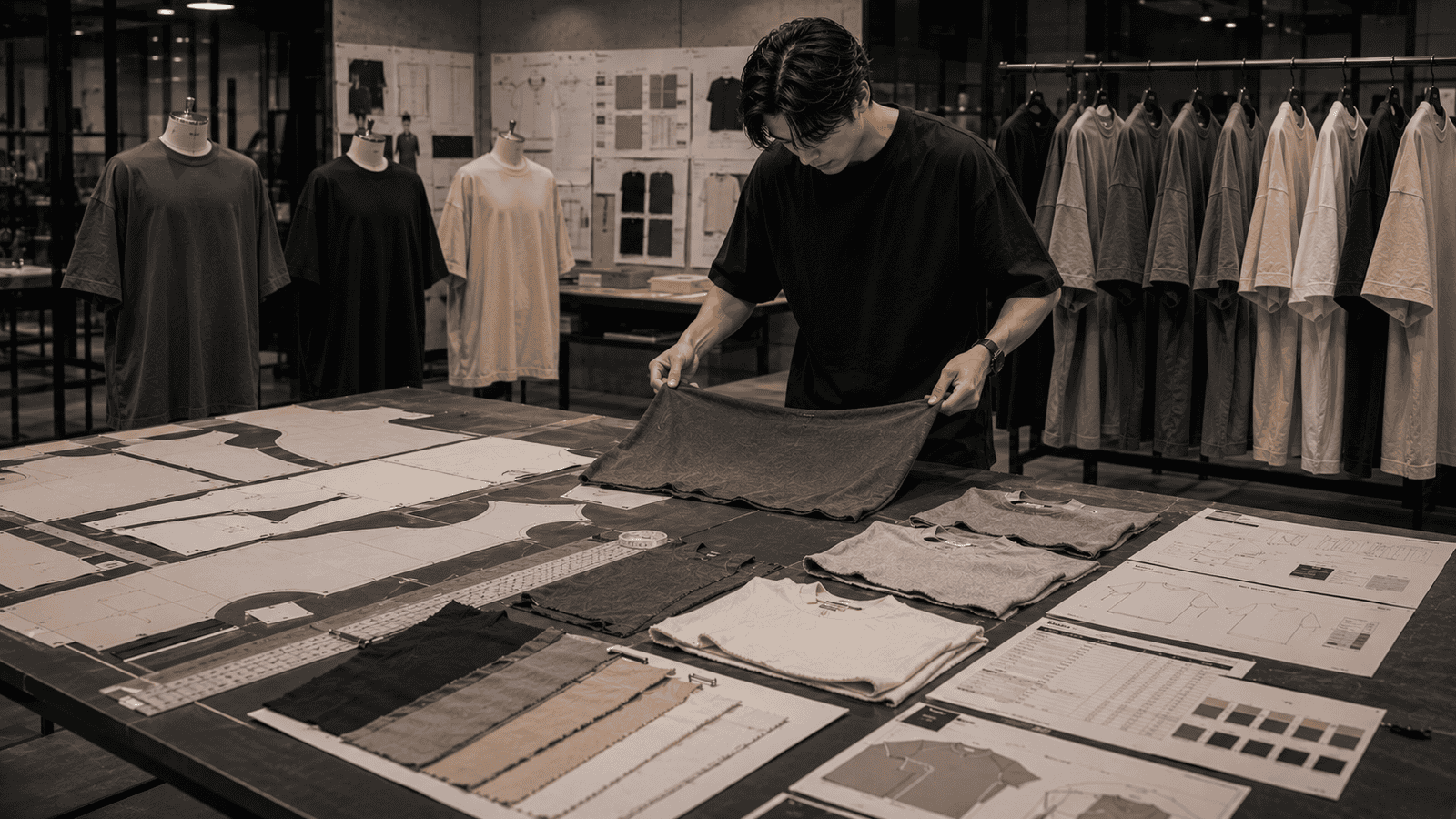
Fabric evaluation should happen before placing bulk orders.
What Tests Should Brands Request?
Manufacturers should provide:
- GSM testing
- Shrinkage testing
- Color fastness testing
- Fabric composition verification
- Print compatibility testing
Why Is Fabric Testing Important?
Testing helps prevent:
- Unexpected shrinkage
- Fabric distortion
- Color inconsistencies
- Production delays
Professional OEM Services typically include fabric testing and approval before production begins.
Can One Manufacturer Supply Multiple Streetwear Product Categories?
Yes. Many factories can support complete collection development.
Which Products Can Be Made Using Similar Fabric Programs?
A reliable manufacturer can develop:
- Streetwear Hoodies
- Streetwear Sweatshirts
- Streetwear Jackets
- Streetwear Tank Tops
- Streetwear Pants
- Streetwear Shorts
- Streetwear Sets
- Streetwear Denim Apparel
Why Is Collection Consistency Important?
Using similar fabric standards across multiple products helps maintain:
- Brand identity
- Product quality
- Customer expectations
How Do You Choose the Best Fabric for Your Streetwear Brand?
The best fabric depends on your target customer, pricing strategy, and brand positioning.
What Questions Should You Ask?
- Is the collection premium or entry-level?
- What fit style am I targeting?
- What printing techniques will I use?
- What is my target retail price?
Which Fabric Is the Best Overall Choice?
For most premium streetwear brands in 2026:
240-260 GSM Combed Cotton offers the best balance of:
- Quality
- Durability
- Comfort
- Print performance
- Customer satisfaction
What Is the Final Recommendation?
If you're building a premium streetwear brand, prioritize fabric quality before anything else. The right fabric can elevate every aspect of your product, from fit and feel to customer retention and brand reputation.
Working with an experienced Streetwear Manufacturer ensures access to better fabrics, professional product development, and scalable production capabilities.
Conclusion
Fabric is the foundation of every successful streetwear t-shirt. In 2026, heavyweight cotton, combed cotton, and organic cotton continue to lead the market because they offer the structure, durability, and premium feel that consumers expect.
By understanding fabric types, GSM ranges, print compatibility, and quality testing standards, brands can make smarter sourcing decisions and build stronger private label streetwear collections that stand out in a competitive market.