
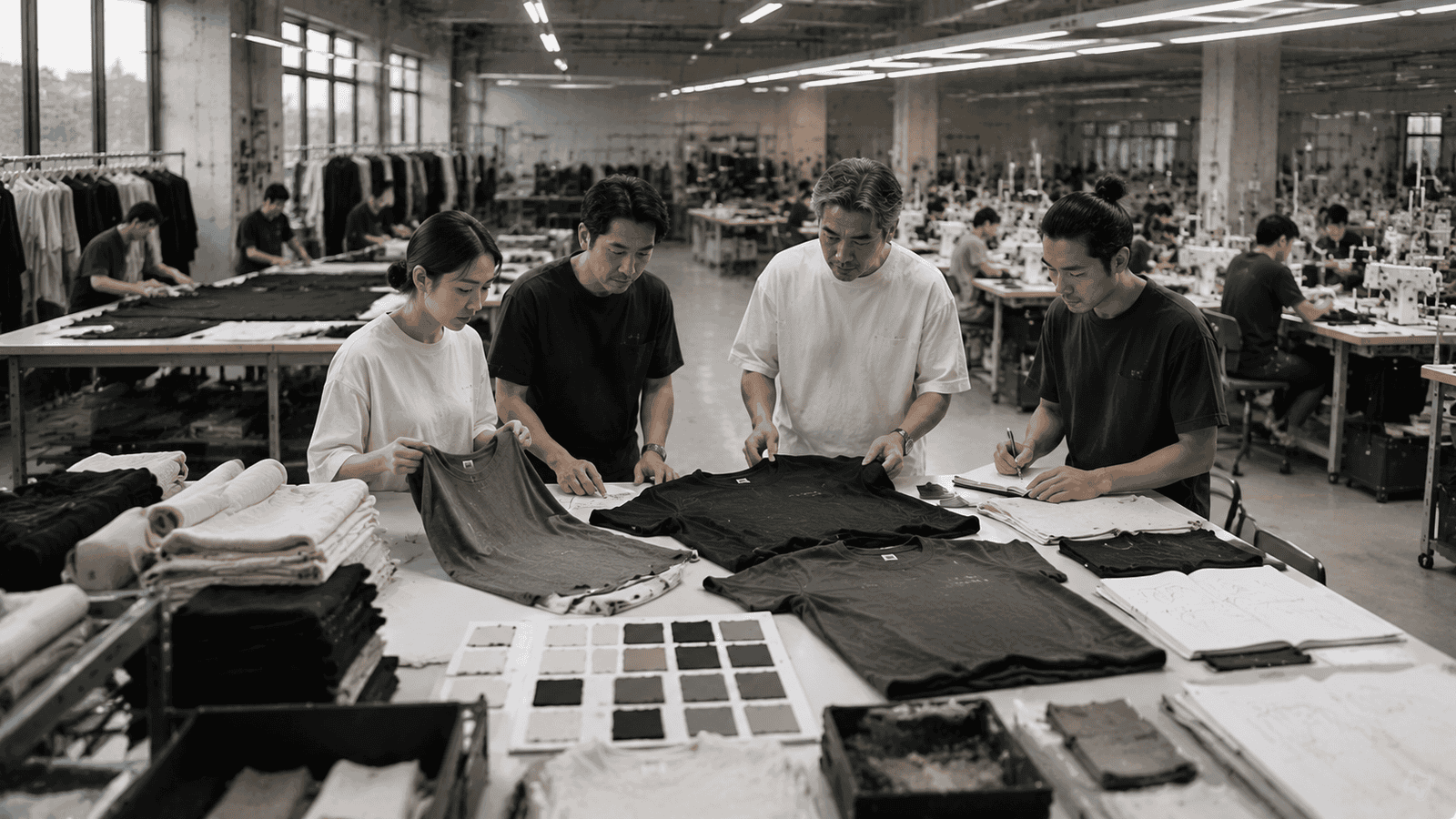
Modern streetwear brands rely heavily on professional manufacturing systems to turn creative ideas into scalable products. This guide explains how a streetwear fashion t shirts manufacturer handles OEM production, private label development, and advanced fabric engineering for global brands.
Explore related manufacturing services:
What does a streetwear fashion t-shirts manufacturer actually do?
How does the manufacturing process start from design to bulk production?
The process begins with tech pack review, fabric sourcing, sampling, and final bulk production approval.
What are the core responsibilities of a professional factory?
Factories manage pattern making, fabric cutting, sewing, printing, embroidery, QC, and packaging.
Why is factory selection critical for streetwear brands?
A reliable factory ensures consistency in fit, fabric quality, and on-time delivery.
How does OEM production work in streetwear t-shirt manufacturing?
What is OEM production in the apparel industry?
OEM means the brand provides full design specifications, and the factory executes production accordingly.
Step-by-step OEM production workflow
| Stage | Description | Output |
|---|---|---|
| Tech Pack Review | Confirm design details | Production plan |
| Fabric Sourcing | Select GSM & material | Fabric approval |
| Sampling | First sample creation | Fit sample |
| Revisions | Adjust design & fit | Final sample |
| Bulk Production | Mass manufacturing | Finished goods |
| QC & Shipping | Final inspection | Delivery |
Why OEM is preferred by established brands?
It ensures full creative control and consistent brand identity.
What is private label production in streetwear fashion?
How does private label differ from OEM?
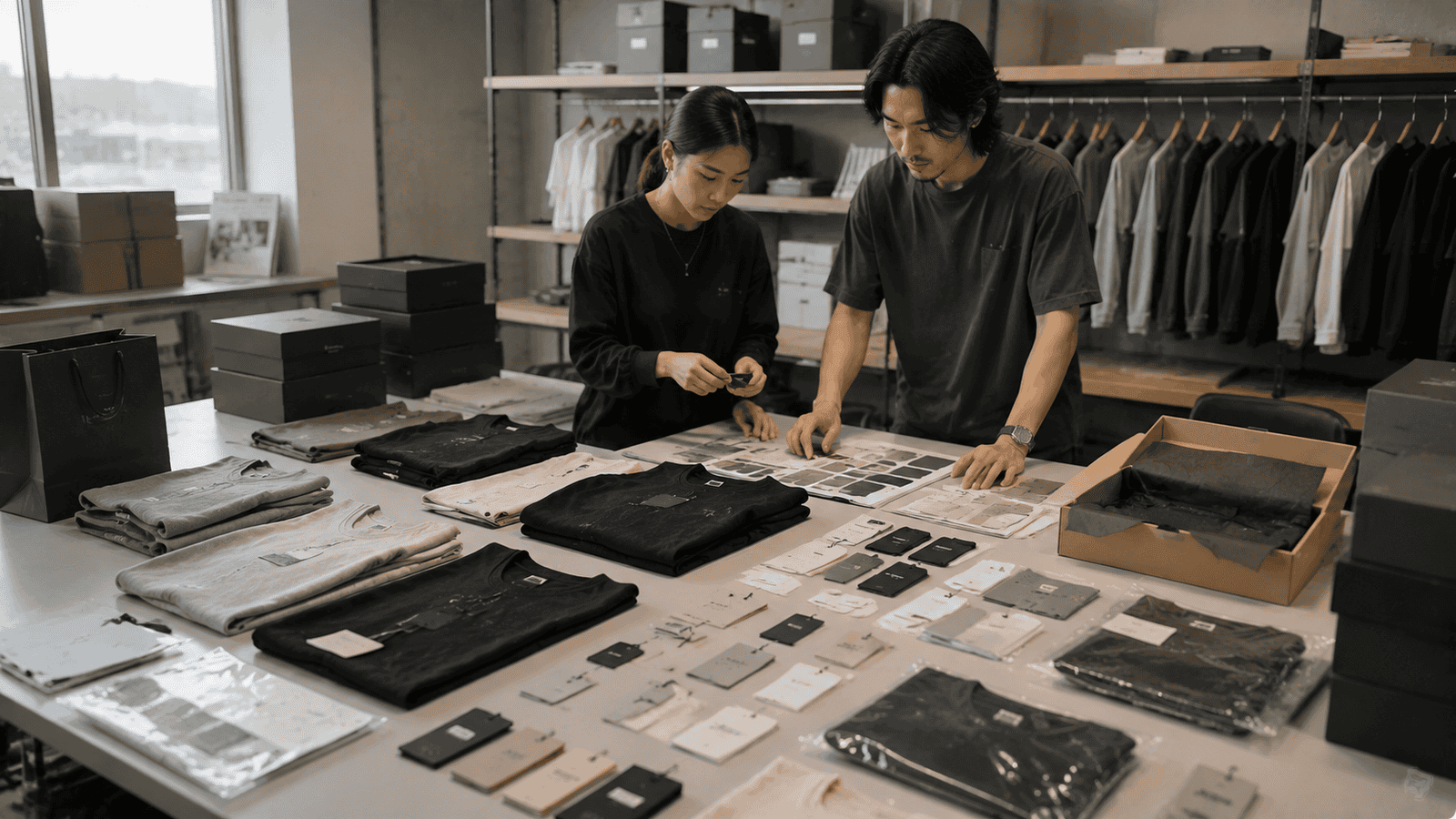
Private label uses existing factory designs that brands can customize with logos and labels.
What customization options are available?
Brands can modify fabric, color, print, labels, packaging, and trims.
Why startups prefer private label manufacturing?
It reduces development cost and shortens production time.
Related product categories:
How is fabric development done for streetwear t-shirts?
What fabrics are commonly used in streetwear production?
Cotton, organic cotton, cotton-poly blends, French terry, and heavyweight jersey are widely used.
How is GSM selected for different streetwear styles?
180–220 GSM is standard, while 240–300 GSM is used for oversized premium streetwear.
What finishing techniques improve fabric quality?
Garment dye, enzyme wash, acid wash, and silicon wash enhance texture and durability.
Why is oversized fit important in streetwear t-shirt design?
How is oversized fit pattern developed?
Patterns include wider chest width, dropped shoulders, and extended body length.
What makes oversized fit different from regular fit?
It focuses on silhouette volume rather than body-hugging structure.
How do brands maintain consistent sizing?
Through grading rules, sample fitting, and production standardization.
What printing and embroidery techniques are used in streetwear production?
What are the most popular printing methods?
Screen printing, DTG, puff print, and heat transfer are commonly used.
How does embroidery enhance streetwear value?
Embroidery adds texture, durability, and premium branding effect.
What advanced decoration techniques are used?
Chenille patches, silicone prints, 3D rubber logos, and reflective prints.
What is the MOQ, cost, and lead time for streetwear t-shirt manufacturing?
What is the typical MOQ?
Most factories require 100 pcs per color per design.
How long does production take?
Sampling takes 7–10 days, bulk production takes 25–35 days.
What factors affect pricing?
Fabric type, GSM, printing complexity, embroidery, and order volume.
| Factor | Impact Level | Example |
|---|---|---|
| Fabric | High | Organic cotton vs polyester |
| GSM | High | 180gsm vs 300gsm |
| Decoration | Medium | Print vs embroidery |
| Quantity | High | 100 vs 10,000 pcs |
How to choose a reliable streetwear fashion t-shirts manufacturer?
What factory capabilities should you evaluate?
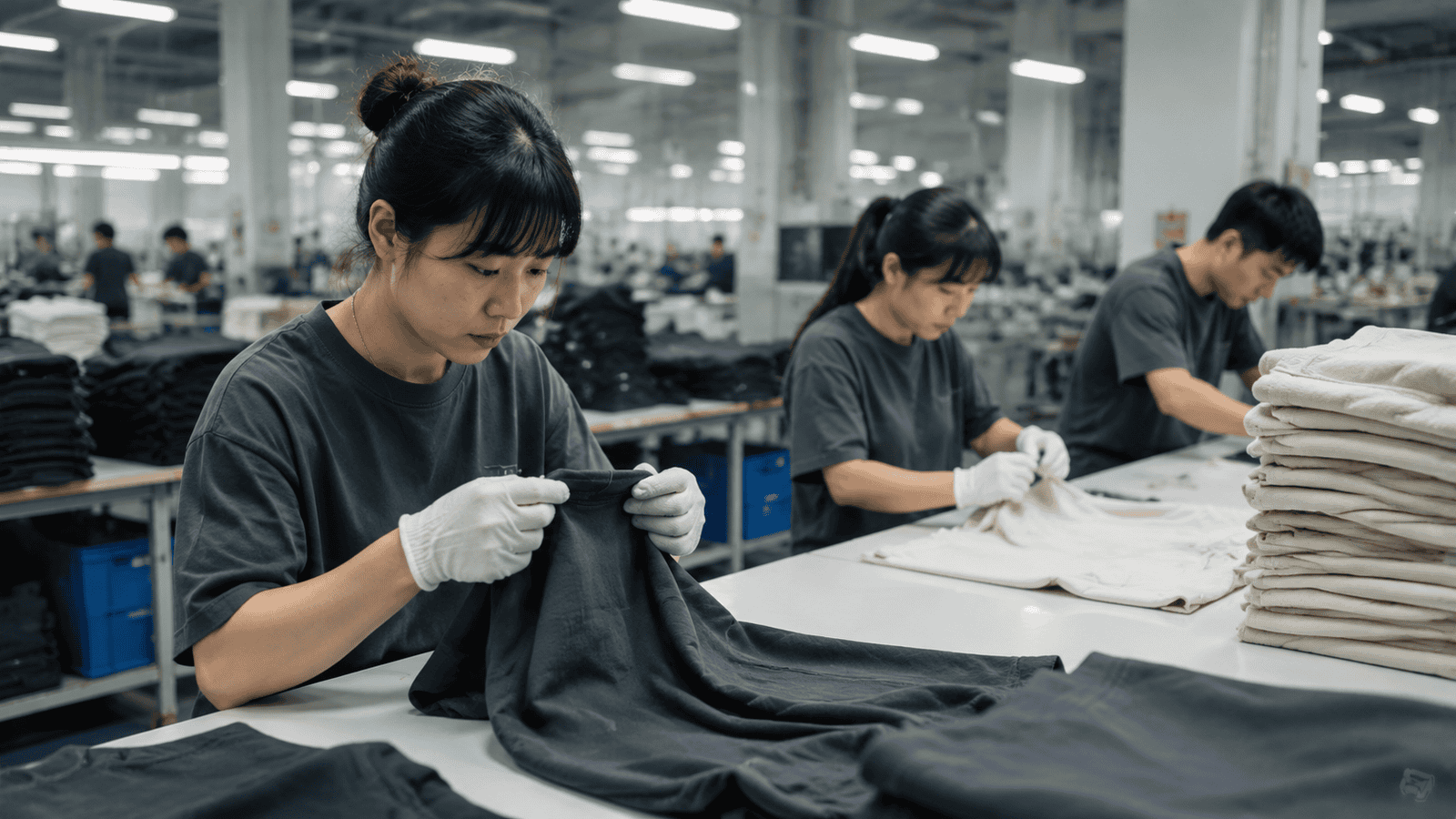
Check sampling ability, QC system, production capacity, and fabric sourcing network.
Why communication matters in OEM projects?
Clear communication prevents sampling errors and production delays.
What certifications matter for global brands?
OEKO-TEX, GOTS, and ISO quality management systems are important.
Final insight: Why streetwear manufacturing is evolving rapidly
Streetwear manufacturing is shifting toward higher quality fabrics, oversized silhouettes, and sustainable production systems. Brands that work with an experienced custom streetwear manufacturer gain stronger control over design, quality, and market competitiveness.
As global demand grows, OEM and private label systems are becoming the backbone of modern streetwear brands.