
Organic cotton streetwear is becoming the core material strategy for modern sustainable fashion brands. This guide explains how OEM production, private label services, and eco-friendly fabric systems work inside a professional streetwear manufacturing environment in China.

What is an organic cotton streetwear T-shirt manufacturer and how does OEM production work?
Understanding OEM production in streetwear manufacturing
OEM production means the factory develops and produces garments based on your design, tech pack, or reference sample.
How organic cotton is integrated into OEM workflow
- Fabric sourcing (GOTS-certified or equivalent organic cotton)
- Lab dip color approval
- Fabric pre-shrinking and testing
Why OEM is essential for startup brands
It allows brands to:
- Launch unique collections
- Control branding
- Scale production efficiently
Internal links:
Why is organic cotton important for sustainable streetwear brands?
Environmental impact of organic cotton
Organic cotton reduces:
- Water usage
- Chemical pollution
- Soil degradation
Consumer demand for eco-friendly fashion
Modern customers expect:
- Transparency
- Ethical sourcing
- Sustainable packaging
Brand value impact
Sustainable materials help brands position as premium and responsible.
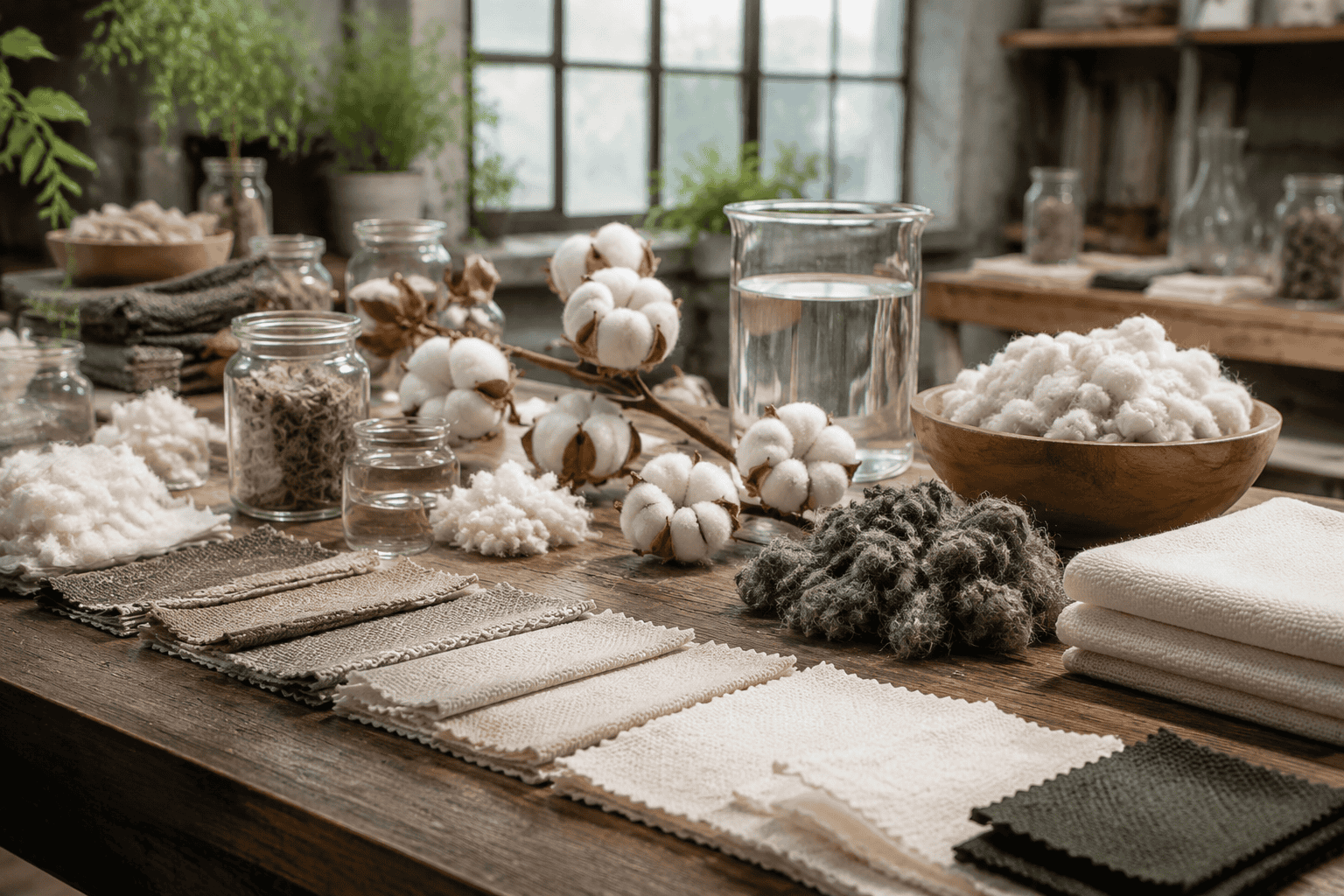
What fabric options are available for organic cotton streetwear T-shirts?
Common organic cotton fabric types
- 100% organic cotton jersey
- Organic cotton + recycled cotton blend
- Organic heavyweight cotton fleece
GSM comparison for streetwear production
| Fabric Type | GSM Range | Application |
|---|---|---|
| Lightweight | 160–180gsm | Summer basic tees |
| Midweight | 200–240gsm | Daily streetwear |
| Heavyweight | 260–320gsm | Premium oversized fit |
Fabric finishing options
- Garment dye
- Enzyme wash
- Vintage wash
Internal links:
How does private label service work in organic streetwear manufacturing?
Private label workflow explained
Private label includes:
- Label design
- Hang tags
- Packaging customization
Branding customization options
- Woven labels
- Printed neck labels
- Silicone logos
- Embroidery patches
Why private label is important for startups
It helps build:
- Brand identity
- Retail positioning
- Customer loyalty
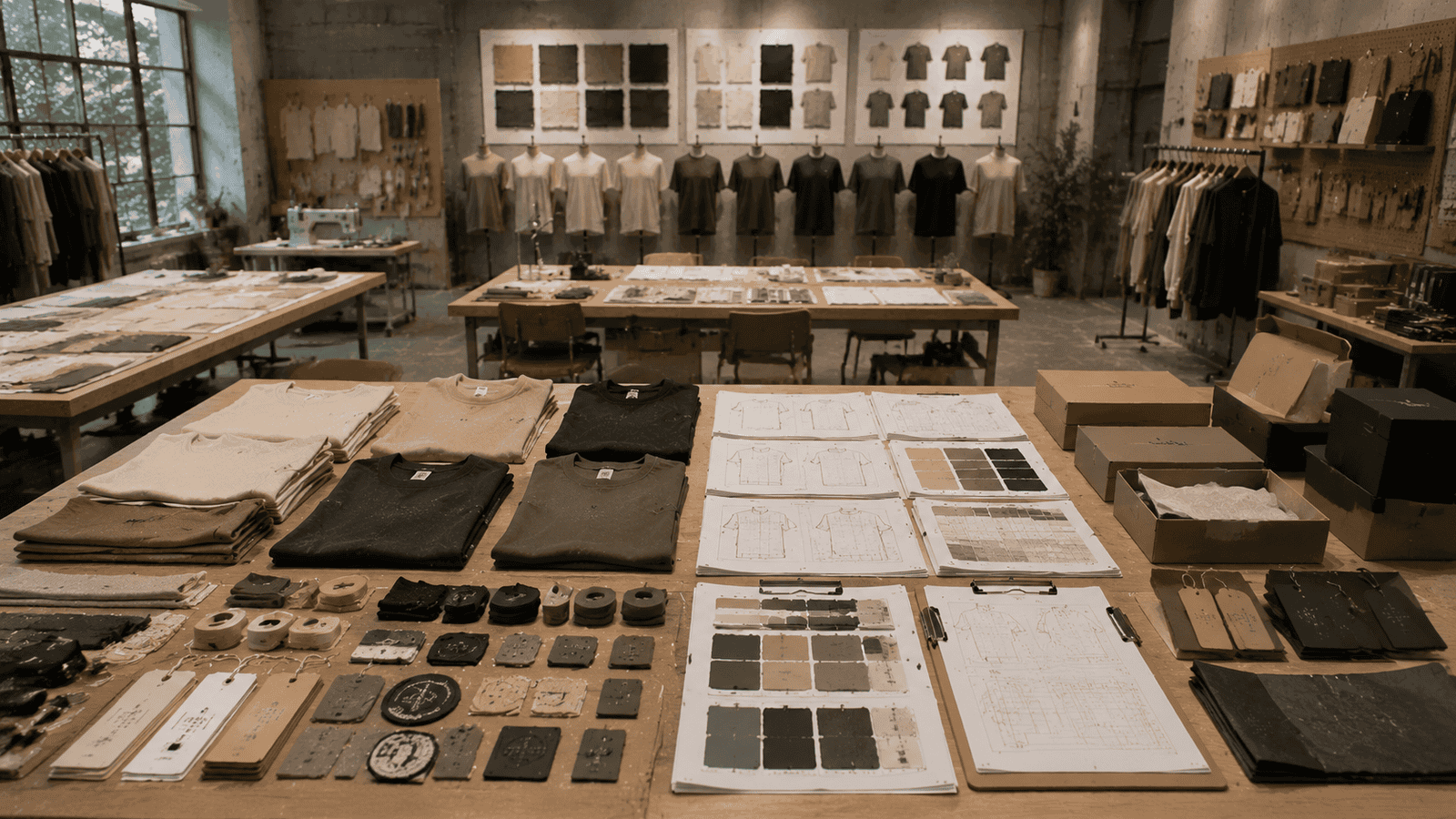
What is the full OEM production process for organic cotton streetwear?
Step 1: Design and tech pack confirmation
Brands provide sketches or references.
Step 2: Fabric sourcing and sampling
Organic cotton is selected and tested before production.
Step 3: Sample development and approval
Sample lead time: 7–10 days.
Step 4: Bulk production and QC inspection
Includes:
- Fabric inspection
- Inline production check
- Final inspection before shipping
What product categories can be developed under organic cotton streetwear manufacturing?
Full streetwear product ecosystem
Factories can produce:
- T-shirts
- Hoodies & sweatshirts
- Jackets
- Pants & shorts
- Full streetwear sets
Internal links:
- Streetwear Jackets Manufacturer
- Streetwear Shorts Manufacturer
- Streetwear Sets Manufacturer
- Streetwear Denim Apparel Manufacturer
How to choose a reliable organic cotton streetwear manufacturer in China?
Key evaluation checklist
- 15+ years manufacturing experience
- OEM/ODM capability
- Stable QC system
- Transparent communication
Red flags to avoid
- No sample system
- No fabric transparency
- No production updates
Ideal factory partner characteristics
A strong partner should offer:
- Low MOQ (100 pcs)
- Fast sampling (7–10 days)
- Full private label support
Internal links:
Conclusion
Organic cotton streetwear manufacturing combines sustainability, branding, and scalable production. Choosing the right OEM factory in China helps startup and ethical fashion brands build long-term competitive advantage in the global market.