
Private label streetwear has become one of the fastest-growing segments in the fashion industry. Instead of selling generic products, brands can create unique identities through custom labels, packaging, fit development, and product presentation. For startup brands, wholesalers, and established fashion companies, working with a private label blank streetwear t shirts manufacturer offers an efficient way to launch professional collections without investing in their own production facilities.
This production guide explains how private label manufacturing works, from product development and branding to bulk production and shipment, helping fashion brands understand every stage of the process.
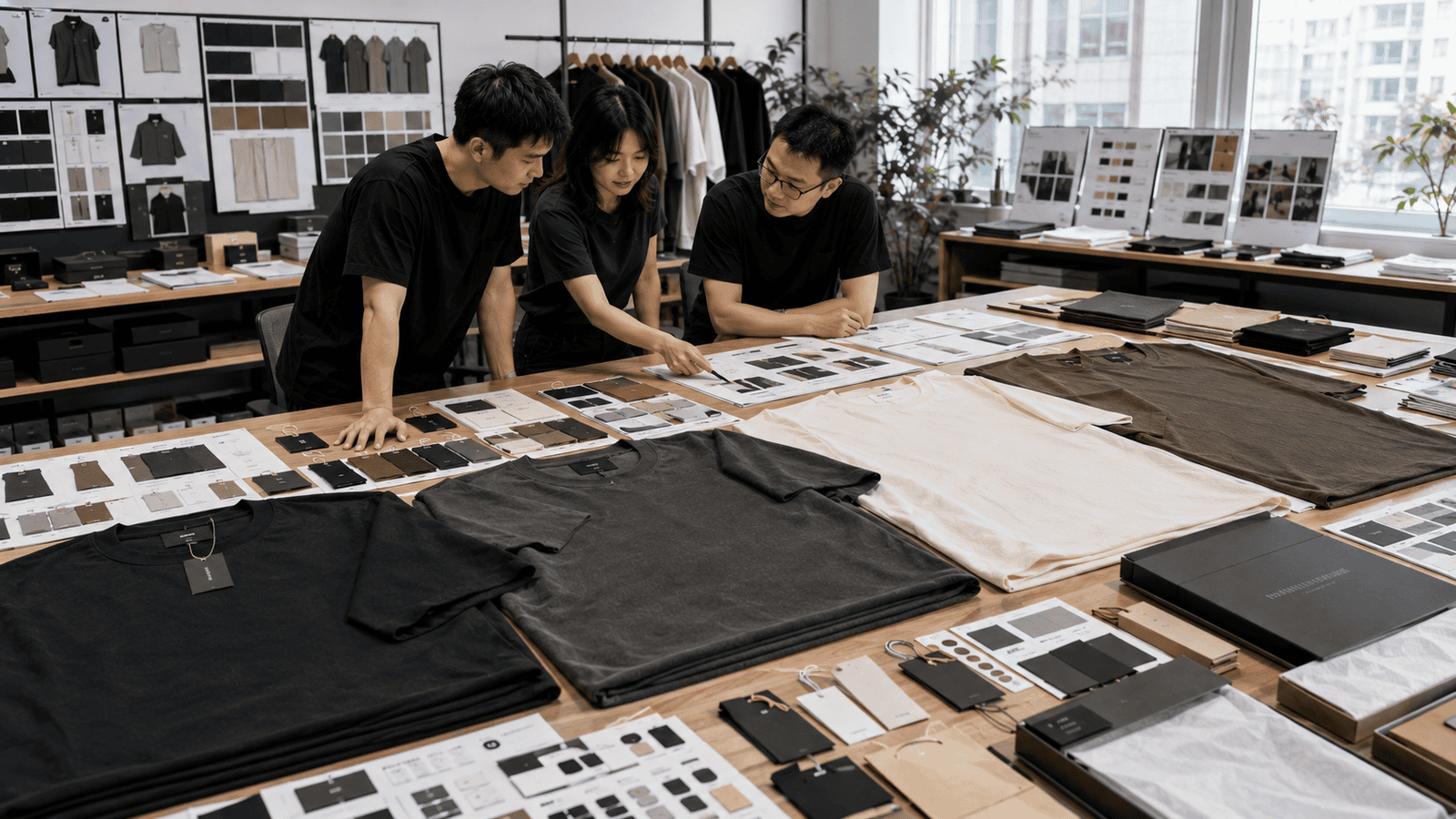
If you're looking for a trusted partner, explore our professional Custom Streetwear Manufacturer services.
What Is A Private Label Blank Streetwear T Shirts Manufacturer?
What Does Private Label Mean In Streetwear Manufacturing?
Private label manufacturing allows brands to sell products under their own brand name while production is handled by a specialized manufacturer.
How Is Private Label Different From OEM?
| Production Model | Private Label | OEM |
|---|---|---|
| Product Development | Existing Base Styles | Fully Customized |
| Lead Time | Faster | Longer |
| Development Cost | Lower | Higher |
| Branding Options | Extensive | Extensive |
| Startup Friendly | Excellent | Good |
Why Do Streetwear Brands Choose Private Label Production?
Brands choose private label because it offers:
- Faster market entry
- Lower development costs
- Professional branding
- Easier inventory planning
Learn more about our complete OEM Services.
Why Is Private Label Manufacturing Popular For Streetwear Brands?
What Advantages Does Private Label Offer?
Key benefits include:
- Lower startup investment
- Faster production cycles
- Reduced product development risk
- Brand ownership
Which Types Of Businesses Use Private Label Services?
| Business Type | Suitability |
|---|---|
| Startup Clothing Brands | Excellent |
| Streetwear Labels | Excellent |
| Influencer Brands | High |
| Online Stores | High |
| Wholesalers | High |
Why Is Private Label Ideal For New Brands?
Private label allows startups to focus on:
- Marketing
- Branding
- Sales
- Customer acquisition
without managing garment production.
How Does The Private Label Production Process Work?
What Happens Before Production Begins?
Manufacturers typically confirm:
- Product selection
- Fabric options
- Colors
- Branding requirements
- Packaging specifications
What Information Must Brands Provide?
Common requirements include:
- Logo files
- Label designs
- Packaging artwork
- Color preferences
- Size requirements
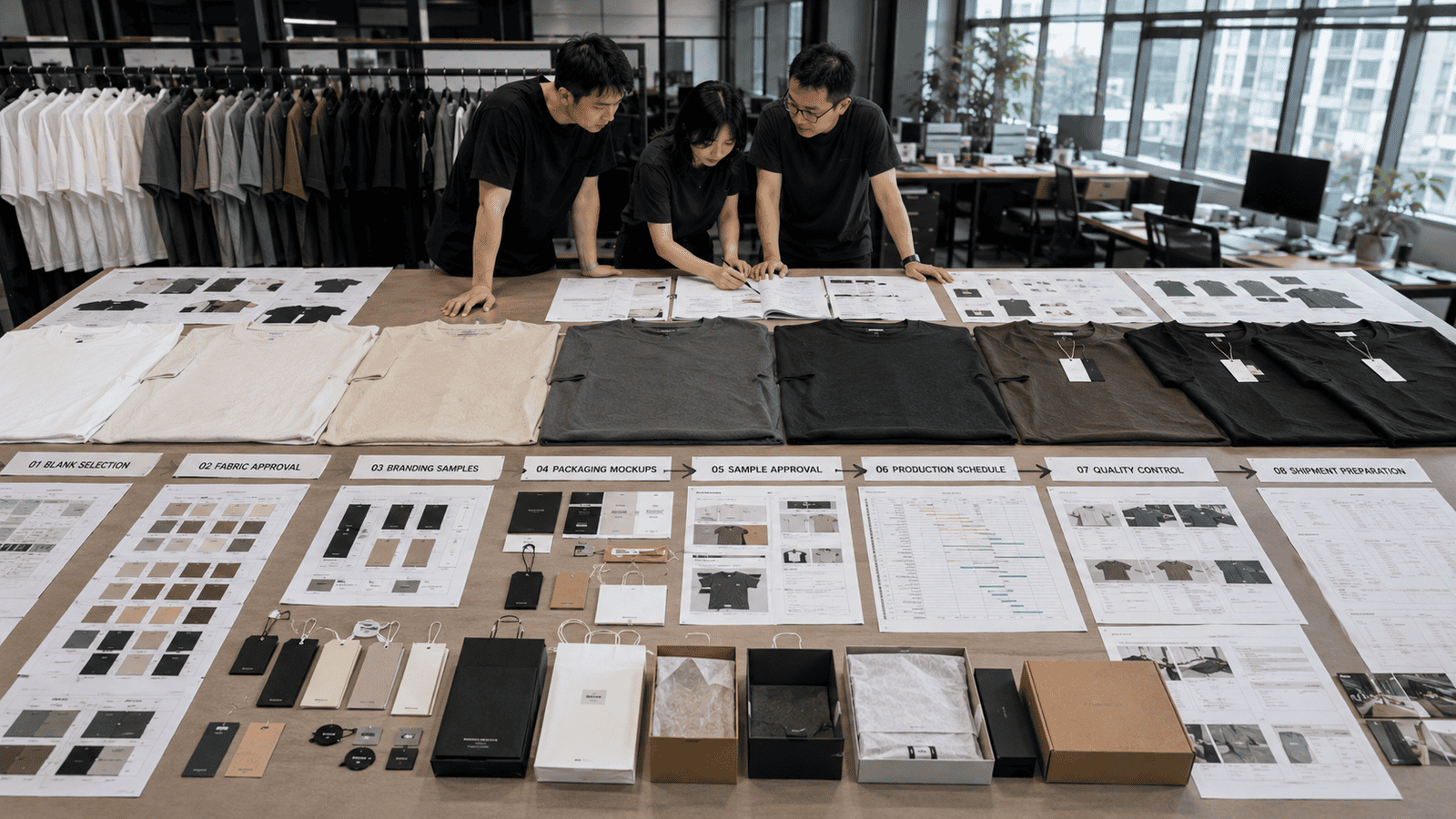
What Are The Main Production Stages?
| Stage | Purpose |
|---|---|
| Product Selection | Choose Base Style |
| Sampling | Verify Product |
| Branding Approval | Confirm Identity |
| Production | Manufacture Order |
| QC Inspection | Verify Quality |
| Shipment | Deliver Products |
What Fabric Options Are Available For Private Label Blank T-Shirts?
Why Is Fabric Selection Important?
Fabric affects:
- Comfort
- Durability
- Customer satisfaction
- Brand positioning
Which Fabrics Are Most Common?
| Fabric Type | Popularity |
|---|---|
| Carded Cotton | High |
| Combed Cotton | Very High |
| Ring-Spun Cotton | High |
| Organic Cotton | Growing |
| Cotton Blends | High |
Can Brands Choose Different GSM Weights?
Yes.
Popular options include:
- 180 GSM
- 220 GSM
- 240 GSM
- 260 GSM
- 280 GSM
Many brands combine blank t-shirts with products such as Streetwear Hoodies and Streetwear Sweatshirts to create complete collections.
Which Fit Options Can Be Used For Private Label Streetwear?
What Fit Styles Are Most Popular?
Current market favorites include:
- Oversized fit
- Boxy fit
- Relaxed fit
- Drop shoulder fit
Why Is Fit Important For Brand Identity?
Fit influences:
- Customer perception
- Product positioning
- Repeat purchases
Can Manufacturers Modify Existing Fits?
Most private label manufacturers can adjust:
- Length
- Width
- Sleeve dimensions
- Neck construction
For advanced fit development, many brands choose a dedicated Custom T-Shirts Manufacturer.
What Branding Elements Can Be Customized?
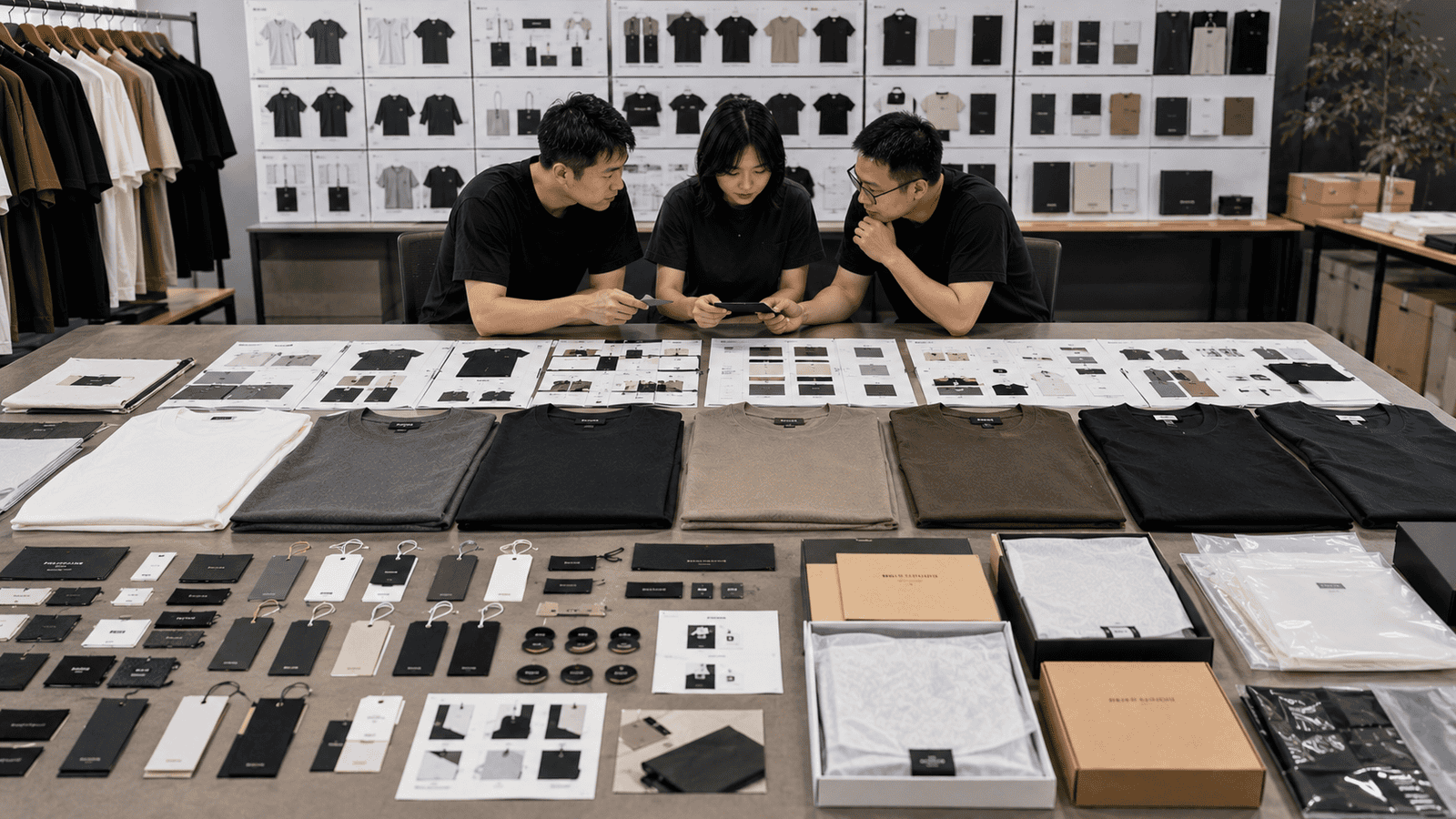
What Label Options Are Available?
Manufacturers can provide:
- Woven labels
- Satin labels
- Printed neck labels
- Heat transfer labels
What Packaging Can Be Customized?
Common options include:
- Hang tags
- Poly bags
- Packaging boxes
- Tissue paper
- Brand inserts
Why Is Branding Important?
Strong branding helps:
- Increase recognition
- Build trust
- Improve perceived value
- Differentiate products
How Are Samples Developed And Approved?
Why Are Samples Necessary?
Samples allow brands to verify:
- Fit
- Fabric
- Branding
- Construction quality
What Happens During Sample Review?
Brands typically check:
- Measurements
- Fabric performance
- Label placement
- Packaging appearance
How Long Does Sampling Take?
| Development Step | Timeline |
|---|---|
| Initial Sample | 7–10 Days |
| Revision Sample | 5–7 Days |
| Final Approval | 2–5 Days |
How Is Quality Control Managed During Production?
What Tests Are Performed?
Common quality checks include:
| Test Type | Purpose |
|---|---|
| GSM Testing | Verify Fabric Weight |
| Shrinkage Testing | Verify Stability |
| Color Fastness Testing | Prevent Fading |
| Measurement Inspection | Verify Sizing |
| Packaging Inspection | Verify Presentation |
What Happens During In-Line Inspection?
Inspectors monitor:
- Stitch quality
- Measurements
- Branding accuracy
- Construction consistency
Why Is Final Inspection Important?
Final QC helps:
- Reduce defects
- Improve customer satisfaction
- Protect brand reputation
How Does Bulk Production And Shipping Work?
What Happens After Sample Approval?
Production typically includes:
- Fabric ordering
- Cutting
- Sewing
- Branding application
- Quality inspection
- Packaging
How Long Does Production Take?
| Order Size | Typical Lead Time |
|---|---|
| Small Orders | 20–25 Days |
| Medium Orders | 25–35 Days |
| Large Orders | 35–45 Days |
What Shipping Methods Are Available?
Manufacturers usually offer:
- Express delivery
- Air freight
- Sea freight
- DDP shipping
How Can Brands Expand Beyond Private Label Blank T-Shirts?
Which Products Are Commonly Added Next?
Many brands expand into:
Why Do Brands Build Full Collections?
Benefits include:
- Higher order value
- Better customer retention
- Stronger brand identity
How Can Manufacturers Support Collection Growth?
Factories assist with:
- Product planning
- Fabric coordination
- Branding consistency
- Production scaling
Browse our complete Streetwear Products Collection to explore additional manufacturing options.
What Should Brands Look For In A Private Label Manufacturer?
What Questions Should You Ask Before Ordering?
Important questions include:
- What is the MOQ?
- What branding options are available?
- What are the lead times?
- What quality controls are used?
- Can samples be provided?
What Red Flags Should Brands Avoid?
Avoid manufacturers that:
- Cannot provide samples
- Have unclear pricing
- Lack quality systems
- Communicate poorly
What Makes A Reliable Private Label Partner?
Look for:
- Industry experience
- Strong communication
- Consistent quality
- Transparent processes
- Scalability
Conclusion
A private label blank streetwear t shirts manufacturer enables brands to launch professional products quickly while maintaining full control over branding and customer experience. From fabric selection and fit options to labels, packaging, and bulk production, private label manufacturing provides an efficient path for building a recognizable streetwear brand.
Whether you're launching your first collection or expanding an existing business, working with an experienced manufacturing partner can help you reduce risks, improve product quality, and scale more effectively.
Visit Ohsure Apparel today or explore our Custom Streetwear Manufacturing Services to start your next project.