
Acid wash streetwear t-shirts are among the most popular products in today's fashion market. Their vintage appearance, unique fading effects, and premium streetwear appeal make them a favorite among startup brands, established labels, and private label clothing companies.
But what actually happens inside an acid wash streetwear t-shirts manufacturer? How does a blank cotton garment become a finished acid wash product ready for retail shelves?
In this guide, we'll take you behind the scenes and explore every stage of the manufacturing process—from garment dyeing and wash development to quality control and bulk production.
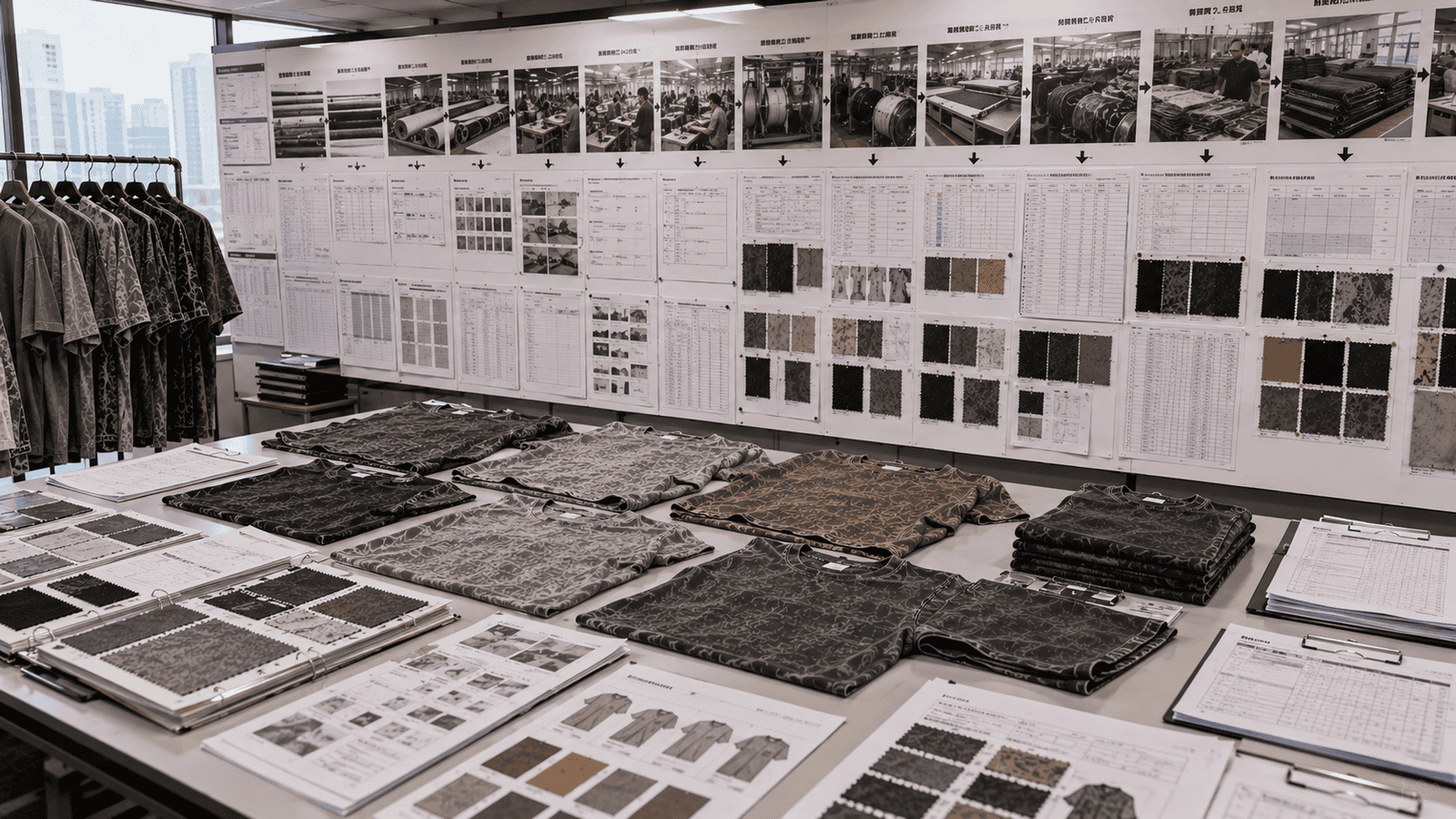
What Happens Before the Acid Wash Process Begins?
Before washing starts, manufacturers must prepare the garment properly.
Why Is Fabric Selection Important?
The final wash effect depends heavily on:
- Fabric composition
- Fabric weight (GSM)
- Yarn quality
- Knit construction
Which Fabrics Work Best for Acid Wash?
Popular choices include:
- Combed cotton
- Ring-spun cotton
- Organic cotton
- Heavyweight cotton jersey
What Happens Before Garment Dyeing?
Manufacturers typically complete:
- Fabric inspection
- Pattern cutting
- Sewing construction
- Initial quality checks
Many brands start with a Custom T-Shirts Manufacturer before moving into acid wash product development.
How Does Garment Dyeing Work?
Garment dyeing is often the foundation of the acid wash process.
What Is Garment Dyeing?
Garment dyeing occurs after the garment is fully sewn.
Why Is Garment Dyeing Used?
Benefits include:
- Rich color saturation
- Vintage appearance
- Better wash compatibility
Which Colors Are Commonly Used?
Popular colors include:
- Black
- Charcoal
- Grey
- Brown
- Vintage earth tones
How Is the Acid Wash Effect Created?
Acid washing is where the garment develops its signature appearance.
What Happens During Acid Washing?
The process may involve:
- Chemical treatments
- Controlled washing cycles
- Color fading procedures
Why Is Wash Development Important?
Proper development helps achieve:
- Consistent fading
- Controlled distressing
- Repeatable results
Can Manufacturers Create Custom Wash Effects?
Yes.
Factories can develop:
- Light vintage washes
- Heavy acid washes
- Mineral washes
- Sun-faded effects
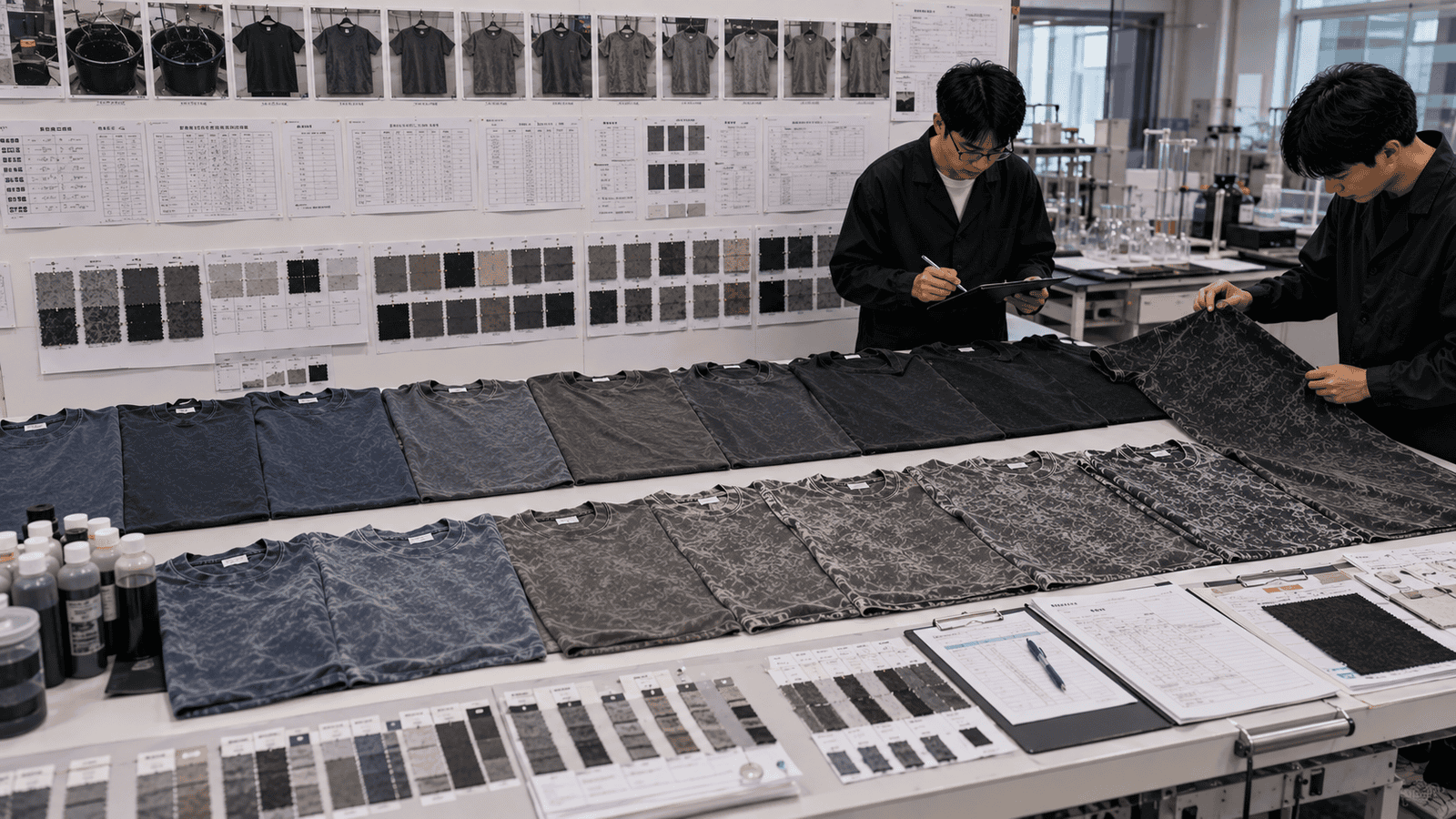
How Do Manufacturers Test Wash Results?
Testing is essential before mass production.
What Is Evaluated During Testing?
Manufacturers inspect:
- Color consistency
- Fabric durability
- Shrinkage rates
- Wash appearance
Why Is Shrinkage Testing Important?
Testing helps prevent:
- Sizing problems
- Customer complaints
- Production inconsistencies
How Are Reference Samples Used?
Reference samples become:
- Approval standards
- Production benchmarks
- QC references
How Are Oversized and Streetwear Fits Developed?
Fit development plays a major role in modern streetwear production.
What Fit Styles Are Most Popular?
Common options include:
- Oversized fit
- Boxy fit
- Drop shoulder fit
- Relaxed fit
Why Is Fit Testing Necessary?
Testing ensures:
- Consistent sizing
- Better garment drape
- Improved comfort
Can Manufacturers Create Custom Patterns?
Professional factories often develop:
- Brand-specific fits
- Custom grading systems
- Unique streetwear silhouettes
A professional Custom Streetwear Manufacturer can help brands create exclusive fits and collections.
How Are Graphics and Branding Applied?
Branding transforms a blank garment into a branded product.
Which Printing Methods Are Most Popular?
Popular choices include:
- Screen printing
- Puff printing
- High-density printing
- Distressed printing
What Branding Options Are Available?
Manufacturers often provide:
- Woven labels
- Heat transfer labels
- Hang tags
- Custom packaging
Why Is Print Testing Important?
Testing ensures:
- Durability
- Wash resistance
- Consistent quality
Many of these techniques are also used on Streetwear Hoodies and Streetwear Sweatshirts.
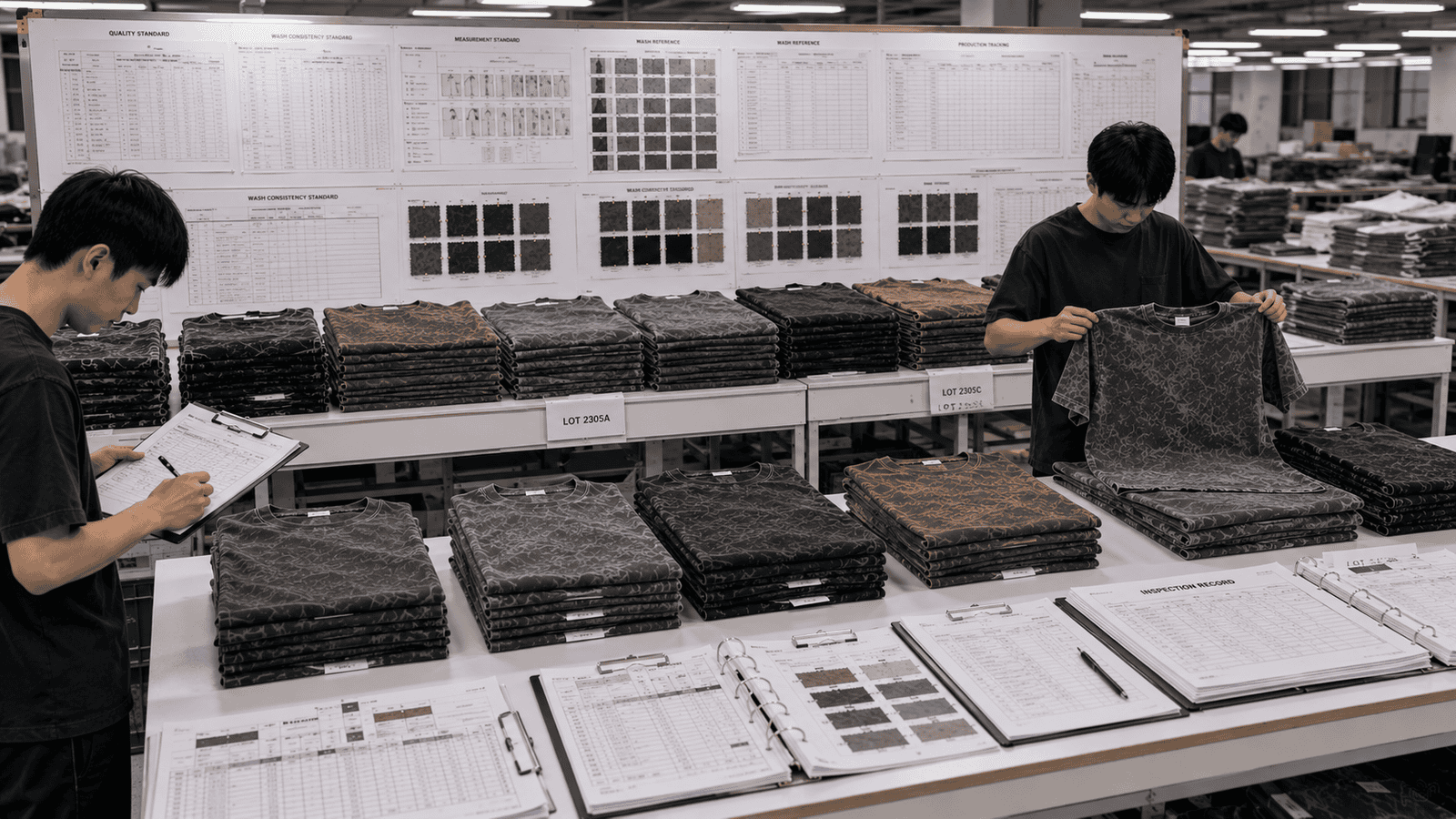
What Quality Control Processes Are Used During Production?
Quality control ensures consistency from start to finish.
What QC Stages Are Typically Included?
| QC Stage | Purpose |
|---|---|
| Fabric Inspection | Material Verification |
| Sewing QC | Construction Review |
| Wash QC | Wash Consistency Check |
| Measurement QC | Size Verification |
| Final QC | Product Approval |
| Packaging QC | Shipping Preparation |
Why Is Wash QC So Important?
It helps identify:
- Color variation
- Wash defects
- Fabric issues
What Is Checked During Final Inspection?
Manufacturers inspect:
- Measurements
- Branding
- Construction quality
- Packaging accuracy
How Does Sampling Fit Into the Process?
Sampling helps brands validate products before production.
What Sample Stages Are Common?
Typical stages include:
- Development sample
- Fit sample
- Pre-production sample
Why Is Sample Approval Necessary?
Approved samples become:
- Production references
- Quality benchmarks
What Should Brands Evaluate?
Review:
- Wash effects
- Fabric quality
- Fit accuracy
- Print performance
How Does Bulk Production Begin?
Once samples are approved, production can start.
What Happens Before Production Starts?
Manufacturers prepare:
- Fabric inventory
- Production schedules
- QC standards
How Is Production Managed?
Factories monitor:
- Wash consistency
- Output quality
- Timeline performance
What Are Typical Lead Times?
| Production Stage | Typical Time |
|---|---|
| Sample Development | 7–10 Days |
| Material Preparation | 5–7 Days |
| Bulk Production | 25–35 Days |
| Final Inspection | 1–3 Days |
Why Do Many Brands Choose Chinese Acid Wash Manufacturers?
China remains a leading center for acid wash apparel production.
What Advantages Do Chinese Factories Offer?
Benefits include:
- Advanced wash facilities
- Skilled technicians
- Strong supply chains
Can Chinese Factories Produce Premium Quality?
Absolutely.
Many specialize in:
- Acid wash streetwear
- Luxury casualwear
- Private label production
What Additional Products Can Be Developed?
Manufacturers often support:
- Streetwear Jackets
- Streetwear Pants
- Streetwear Shorts
- Streetwear Sets
- Streetwear Denim Apparel
- Streetwear Tank Tops
What Should Brands Look For When Choosing a Manufacturer?
What Experience Is Most Important?
Look for expertise in:
- Acid wash production
- Streetwear manufacturing
- Private label services
What Questions Should You Ask?
Examples include:
- Can you provide wash samples?
- How do you control consistency?
- What branding options are available?
What Red Flags Should Be Avoided?
Warning signs include:
- No sampling process
- Poor communication
- Unclear QC standards
Additional resources:
Conclusion
From garment dyeing and acid wash development to fit testing, branding, quality control, and bulk production, manufacturing premium acid wash streetwear t-shirts involves a detailed and highly specialized process.
Understanding how manufacturers manage each stage helps fashion brands make better sourcing decisions, reduce production risks, and build high-quality streetwear collections that stand out in the market.