
Finding the right private label streetwear t shirts manufacturer is one of the most important decisions for any fashion brand in 2026.
A great manufacturer does much more than simply produce garments.
The best OEM streetwear factories help brands with:
- Fabric sourcing
- Oversized fit development
- Vintage washing
- Printing techniques
- Quality control
- Bulk production management
But what actually separates a great private label manufacturer from an average supplier?
This guide explains the key factors that modern streetwear brands should evaluate before choosing a manufacturing partner.
Why Is Choosing the Right Streetwear Manufacturer So Important?
How Does Manufacturing Affect Brand Reputation?
Your manufacturer directly impacts:
- Product quality
- Fit consistency
- Delivery timelines
- Brand image
- Customer satisfaction
Poor manufacturing often leads to:
- Bad reviews
- Inconsistent sizing
- Weak fabric quality
- Production delays
Why Do Successful Streetwear Brands Focus on OEM Partnerships?
Top brands understand that:
- Product quality builds loyalty
- Better fit increases retention
- Premium fabric improves perceived value
A professional Custom Streetwear Manufacturer helps brands maintain long-term consistency.
Manufacturer Impact Table
| Area | Poor Manufacturer | Great Manufacturer |
|---|---|---|
| Fabric Quality | Inconsistent | Stable & Premium |
| Fit Development | Basic | Professional |
| Production Speed | Unstable | Reliable |
| QC System | Weak | Multi-Layer |
| Communication | Slow | Responsive |
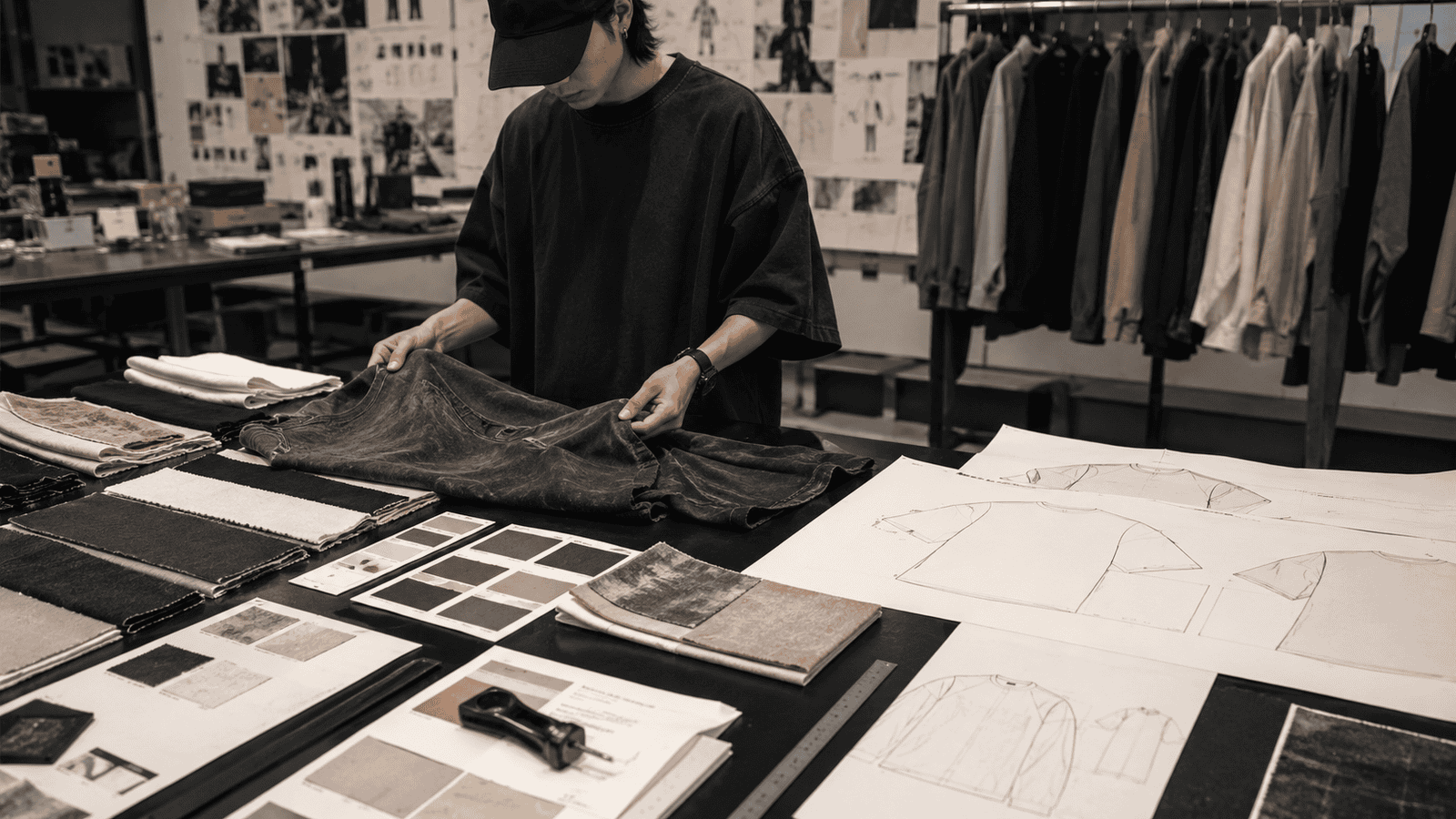
What Fabric Capabilities Should a Great Manufacturer Have?
Why Is Fabric Development Critical for Streetwear?
Streetwear products rely heavily on:
- Fabric texture
- Garment drape
- GSM weight
- Vintage appearance
- Durability
Premium brands usually require:
- Heavyweight cotton
- Garment dyed fabric
- French Terry
- Vintage washed materials
What Fabric Testing Should Manufacturers Perform?
Professional factories usually test:
- Shrinkage
- Colorfastness
- GSM consistency
- Stretch recovery
- Fabric durability
Heavyweight Fabric Comparison Table
| Fabric Type | Common GSM | Features |
|---|---|---|
| Heavyweight Cotton Jersey | 240–320 GSM | Structured oversized fit |
| French Terry | 300–450 GSM | Thick luxury texture |
| Garment Dyed Cotton | 260–320 GSM | Vintage washed aesthetic |
| Cotton Blend | 220–300 GSM | Better durability |
Many factories also support:
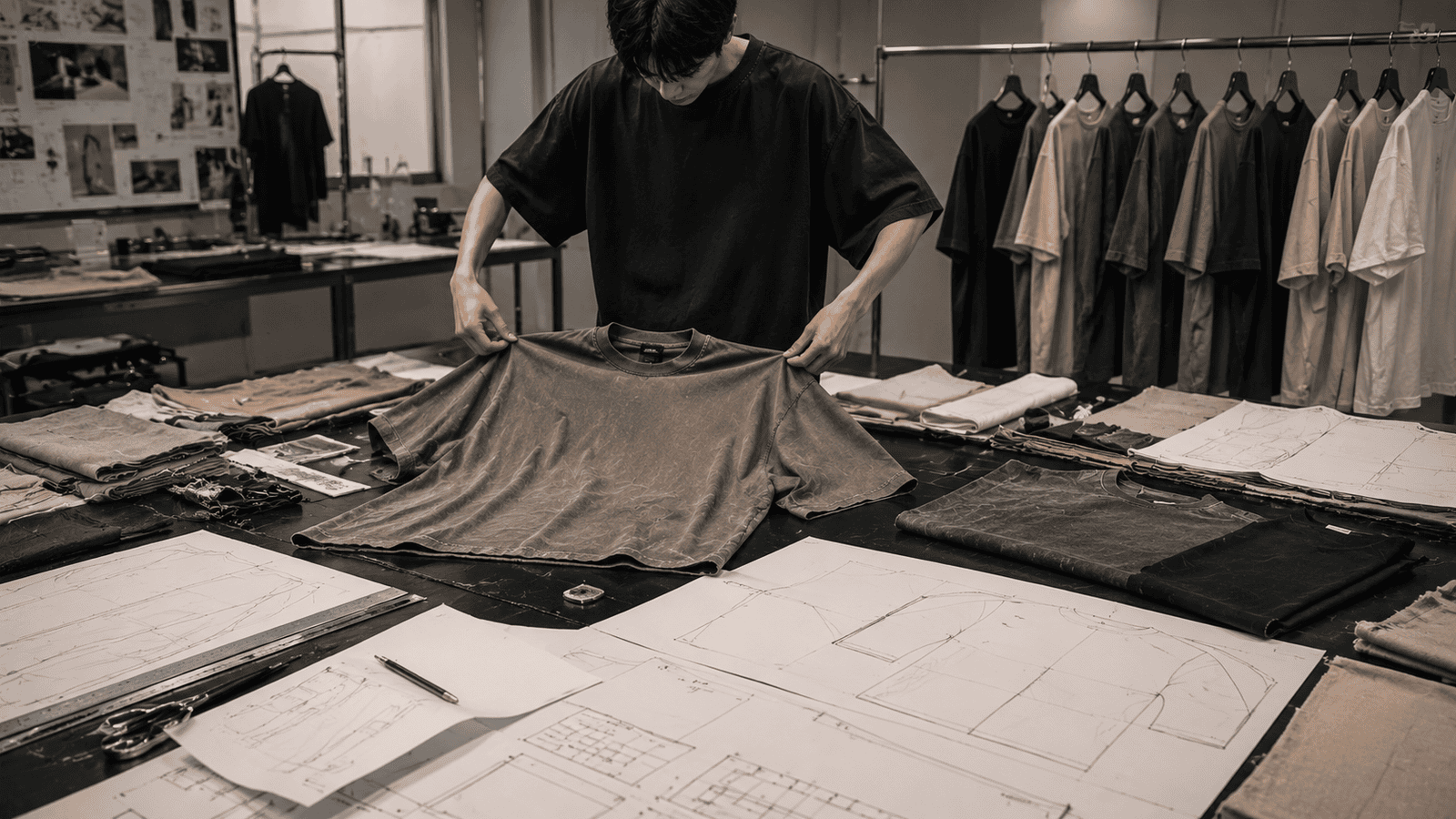
Why Is Oversized Fit Development So Important?
What Makes Streetwear Fit Development Different?
Streetwear garments require:
- Boxy silhouettes
- Drop shoulders
- Controlled drape
- Balanced proportions
Oversized garments are technically much harder to develop than regular apparel.
What Should a Professional Factory Understand About Fit?
Experienced streetwear manufacturers understand:
- US/EU sizing
- Oversized grading
- Heavyweight fabric behavior
- Shrinkage control
What Happens During Fit Development?
Typical fit development process:
- Pattern drafting
- Sample sewing
- Fit testing
- Revision process
- Final approval
What Printing and Washing Capabilities Should a Manufacturer Offer?
Why Are Printing Techniques Important for Streetwear Brands?
Streetwear graphics are often the center of product identity.
Professional OEM factories should support:
- Puff print
- Screen printing
- DTG printing
- Silicone heat transfer
- Embroidery
Why Are Washing Techniques Important?
Modern streetwear heavily uses:
- Acid wash
- Vintage wash
- Enzyme wash
- Stone wash
- Garment dye
These processes create:
- Vintage aesthetics
- Luxury texture
- Premium hand feel
Printing & Washing Table
| Technique | Effect |
|---|---|
| Puff Print | Raised graphic texture |
| DTG Printing | Detailed artwork |
| Acid Wash | Vintage fading |
| Enzyme Wash | Softer fabric texture |
| Garment Dye | Rich color depth |
Brands developing full collections often combine:
How Important Is Quality Control in Streetwear Manufacturing?
Why Does QC Matter So Much?
Streetwear brands require consistency in:
- Measurements
- Printing
- Washing
- Stitching
- Fabric texture
Poor QC damages:
- Brand reputation
- Customer trust
- Product reviews
What QC Systems Should Great Manufacturers Have?
Professional factories usually perform:
- Fabric inspection
- Inline production checks
- Measurement inspection
- Print durability testing
- Final random inspection
QC Inspection Table
| QC Area | Inspection Focus |
|---|---|
| Fabric | GSM and shrinkage |
| Printing | Durability & adhesion |
| Sewing | Stitch consistency |
| Measurements | Size accuracy |
| Washing | Color consistency |
Many experienced OEM factories also provide:
Why Is Communication One of the Most Important Factors?
How Does Communication Affect Production?
Poor communication often causes:
- Sampling mistakes
- Production delays
- Incorrect sizing
- Print errors
Great manufacturers provide:
- Fast replies
- Clear updates
- Organized workflow
- Professional merchandisers
What Questions Should Brands Ask Manufacturers?
Important questions include:
- What is your MOQ?
- Do you specialize in streetwear?
- Can you develop custom fabrics?
- How do you control quality?
- What are your lead times?
Manufacturer Evaluation Table
| Evaluation Area | Why It Matters |
|---|---|
| Communication Speed | Faster revisions |
| Streetwear Experience | Better product quality |
| QC System | Consistent production |
| Fabric Capability | Premium garments |
| Production Capacity | Long-term scalability |
What Makes a Manufacturer Suitable for Long-Term Brand Growth?
Why Is Scalability Important?
As brands grow, manufacturers must support:
- Larger orders
- More styles
- Faster production
- Stable quality
Factories without scalability often create:
- Delays
- Inconsistent quality
- Supply chain problems
Why Do Serious Brands Prefer OEM Factories?
Professional OEM manufacturers provide:
- Better customization
- Lower long-term costs
- Stronger branding capability
- More stable production
What Types of Brands Benefit Most?
Private label manufacturing is ideal for:
- Startup streetwear brands
- Urban fashion brands
- Luxury streetwear labels
- Influencer fashion brands
Conclusion
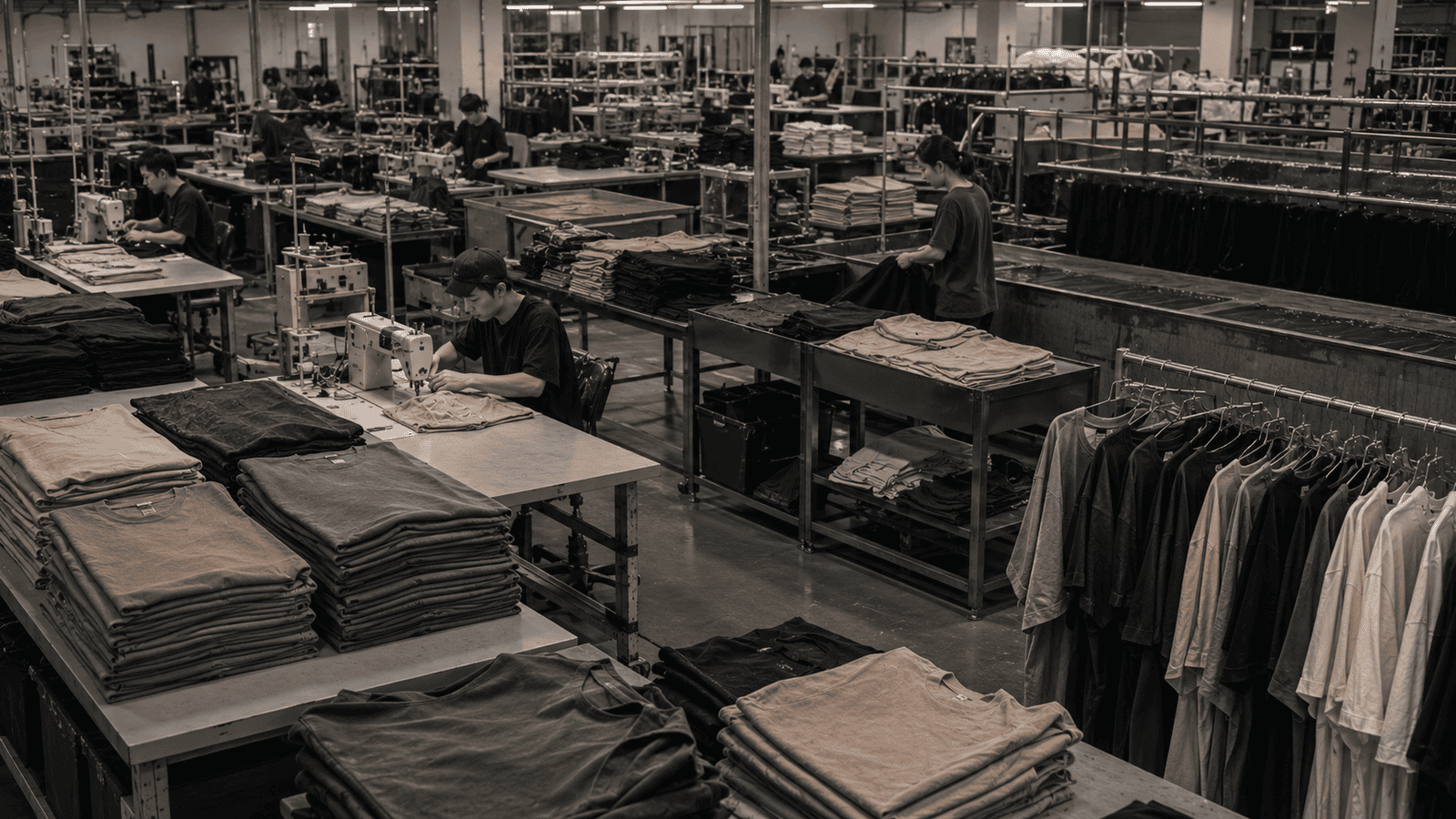
A great private label streetwear t shirts manufacturer is much more than a garment supplier.
The best OEM factories help brands with:
- Fabric sourcing
- Oversized fit development
- Printing
- Washing
- Quality control
- Bulk production management
For brands focused on:
- Premium positioning
- Better product quality
- Stronger branding
- Long-term scalability
Choosing the right OEM streetwear manufacturer is one of the most important business decisions in 2026.
You can explore complete streetwear manufacturing solutions through: