
Heavyweight streetwear t-shirts continue to dominate modern fashion brands in 2026. From oversized silhouettes to luxury garment-dyed finishes, fabric selection directly affects fit, durability, drape, print quality, and customer experience.
For startup brands and established labels alike, understanding heavyweight fabric options is essential when working with a professional Custom Streetwear Manufacturer.
In this guide, we’ll break down the best heavyweight t-shirt fabrics for streetwear brands, compare GSM ranges, explain washing and finishing techniques, and help you choose the right material for your next collection.
What Is Considered a Heavyweight Streetwear T Shirt Fabric?
Heavyweight fabrics are thicker, denser, and more structured compared to standard t-shirt materials. These fabrics are widely used in oversized streetwear, luxury basics, and premium urban fashion collections.
Common Heavyweight Fabric Characteristics
- Higher GSM (grams per square meter)
- Structured silhouette
- Better durability
- Premium hand feel
- Improved drape for oversized fits
- Better support for embroidery and prints
Typical GSM Range for Heavyweight Streetwear
| Fabric Type | GSM Range | Feel | Best For |
|---|---|---|---|
| Standard Cotton Tee | 160–200 GSM | Lightweight | Basic casualwear |
| Midweight Streetwear Tee | 220–260 GSM | Balanced | Everyday oversized tees |
| Heavyweight Streetwear Tee | 280–320 GSM | Structured | Premium oversized streetwear |
| Ultra Heavyweight Tee | 350–450 GSM | Thick & luxury | Designer streetwear |
Why Heavyweight Fabrics Became Popular
Heavyweight t-shirts became popular because modern consumers prefer:
- Oversized silhouettes
- Premium texture
- Better durability
- Vintage washed aesthetics
- Luxury streetwear appearance
Many brands working with a Custom T-Shirts Manufacturer now prioritize heavyweight fabrics for higher perceived value.
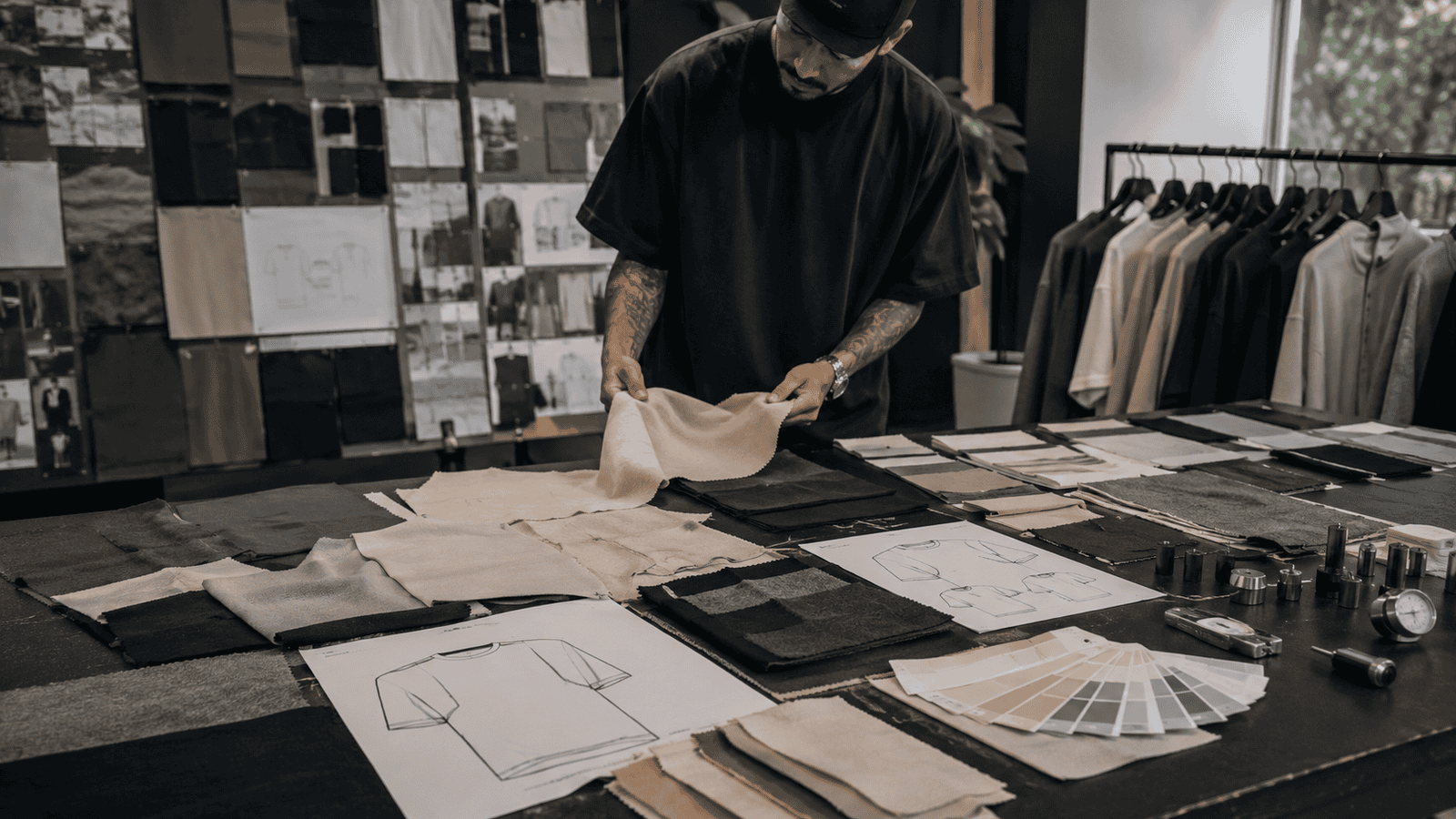
Which Cotton Fabric Is Best for Heavyweight Streetwear T Shirts?
Cotton remains the most popular material for heavyweight streetwear apparel due to its comfort, breathability, and premium texture.
Carded Cotton vs Combed Cotton
| Cotton Type | Texture | Durability | Cost |
|---|---|---|---|
| Carded Cotton | Rougher vintage feel | Good | Lower |
| Combed Cotton | Softer & cleaner | Excellent | Higher |
Best Cotton Types for Streetwear
100% Cotton Jersey
Perfect for:
- Vintage streetwear
- Garment dye collections
- Oversized silhouettes
Open-End Cotton
Offers:
- Vintage texture
- Heavy dry hand feel
- Retro streetwear aesthetics
Ringspun Cotton
Known for:
- Smoother surface
- Better print quality
- Premium softness
Recommended GSM for Cotton Streetwear
| Style | Recommended GSM |
|---|---|
| Boxy Streetwear Tee | 260–300 GSM |
| Oversized Luxury Tee | 300–360 GSM |
| Vintage Washed Tee | 240–320 GSM |
Professional Streetwear Hoodie Manufacturer factories often use similar heavyweight cotton sourcing standards across hoodies and t-shirts for brand consistency.
Why Is French Terry Sometimes Used for Heavyweight Streetwear T Shirts?
French Terry is increasingly used in premium streetwear collections because of its thickness and luxury texture.
What Is French Terry Fabric?
French Terry features:
- Smooth outer surface
- Soft looped interior
- Excellent structure
- Premium weight
Advantages of French Terry T Shirts
Better Structure
French Terry holds oversized silhouettes extremely well.
Luxury Feel
The texture feels more premium than regular jersey.
Higher Fashion Positioning
Often used in:
- Designer streetwear
- Luxury basics
- Limited drops
French Terry vs Cotton Jersey
| Feature | French Terry | Cotton Jersey |
|---|---|---|
| Thickness | Higher | Medium |
| Structure | Strong | Moderate |
| Breathability | Medium | High |
| Cost | Higher | Lower |
| Luxury Appearance | Excellent | Good |
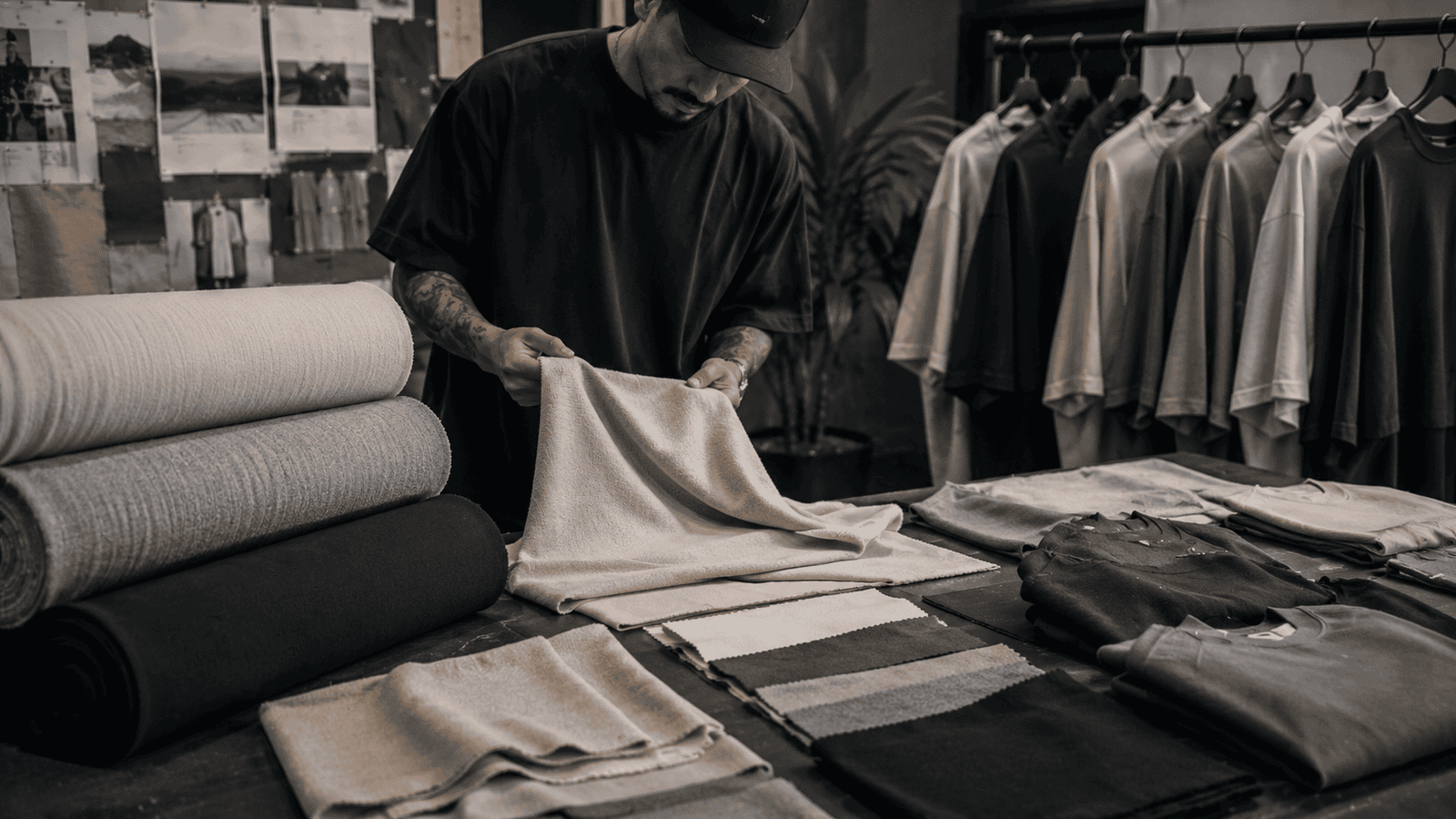
How Does Fabric GSM Affect Streetwear T Shirt Quality?
GSM directly impacts how a t-shirt feels, fits, and performs after washing.
What Does GSM Mean?
GSM means:
Grams per square meter
Higher GSM means:
- Thicker fabric
- More structure
- Better durability
- Higher production cost
Choosing the Right GSM
220–260 GSM
Best for:
- Entry-level oversized tees
- Summer collections
280–320 GSM
Best for:
- Premium streetwear
- Boxy fit t-shirts
- Graphic tees
350+ GSM
Best for:
- Luxury brands
- Designer silhouettes
- High-end fashion collections
Does Higher GSM Always Mean Better Quality?
Not always.
Quality also depends on:
- Yarn quality
- Knit density
- Shrinkage control
- Finishing process
- Pattern development
Reliable factories offering OEM Services usually test GSM consistency before bulk production.
What Fabric Blends Are Trending for Heavyweight Streetwear in 2026?
Fabric blends are becoming increasingly popular because they improve durability and functionality.
Popular Streetwear Fabric Blends
| Blend Type | Benefits |
|---|---|
| Cotton/Polyester | Better durability |
| Cotton/Spandex | Slight stretch |
| Cotton/Modal | Softer hand feel |
| Cotton/Recycled Polyester | Sustainable option |
Why Blended Fabrics Are Growing
Brands use blends for:
- Reduced shrinkage
- Better wrinkle resistance
- Enhanced softness
- Improved color retention
Sustainable Heavyweight Fabrics
2026 trends include:
- Organic cotton
- Recycled cotton
- Eco-friendly dyes
- Low-impact washing
Some Streetwear Sweatshirt Manufacturer collections already use recycled heavyweight cotton blends for sustainability positioning.
How Important Is Fabric Shrinkage Control for Heavyweight T Shirts?
Shrinkage control is critical in oversized streetwear because fit consistency directly impacts brand reputation.
Common Shrinkage Problems
Poorly controlled fabrics may:
- Twist after washing
- Lose shape
- Shrink excessively
- Distort graphics
Professional Shrinkage Control Methods
Pre-Shrinking
Fabric is washed before production.
Compacting
Helps stabilize dimensions.
Heat Setting
Improves long-term stability.
Acceptable Shrinkage Standards
| Fabric Type | Acceptable Shrinkage |
|---|---|
| Premium Cotton | ≤5% |
| Cotton Blend | ≤3% |
| French Terry | ≤5% |
Professional Streetwear Sets Manufacturer suppliers usually test shrinkage during sample development.
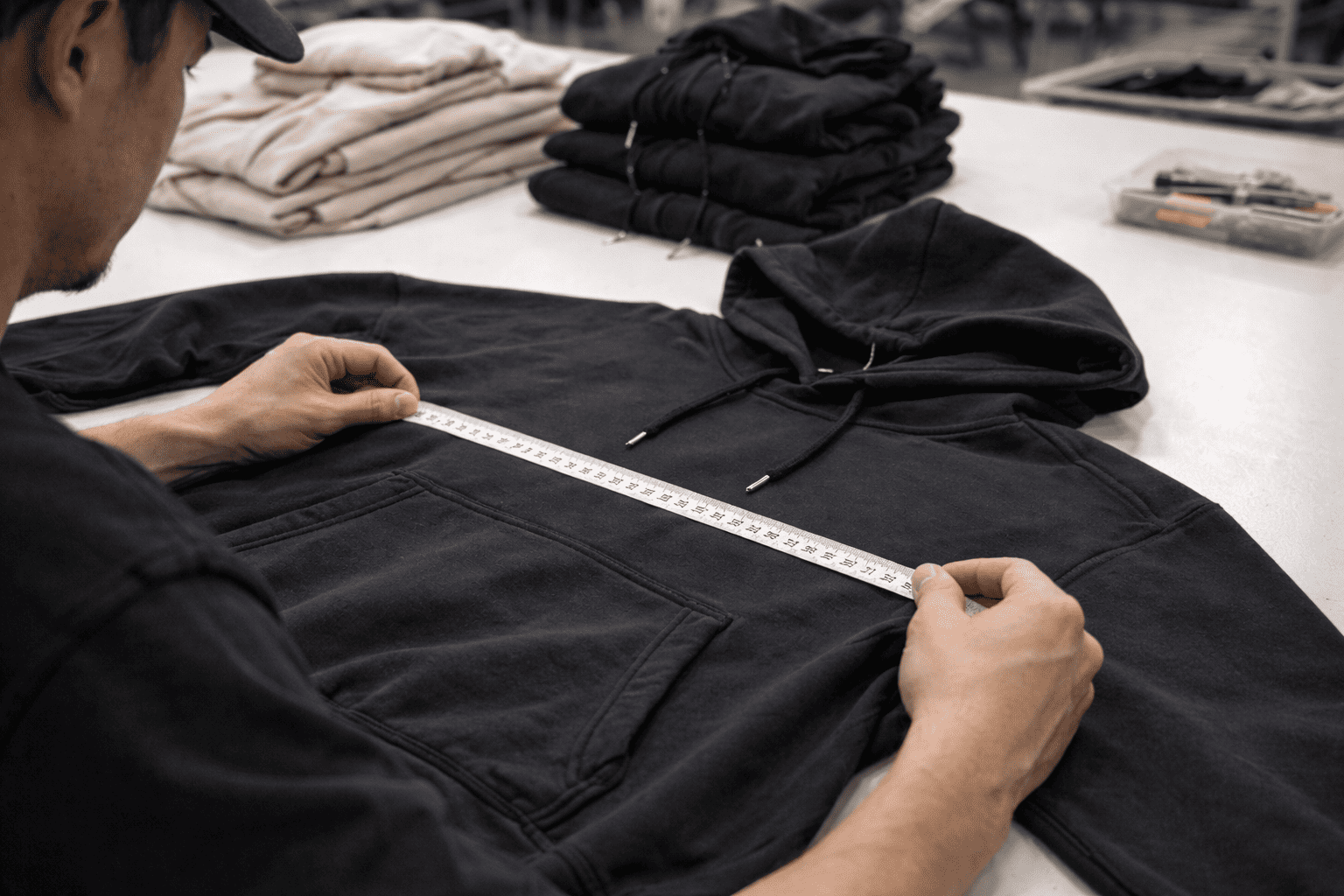
Which Fabric Works Best for Printing on Heavyweight Streetwear T Shirts?
Print quality depends heavily on fabric surface texture and density.
Best Fabrics for Screen Printing
Ringspun Cotton
Provides:
- Smooth print surface
- Better ink adhesion
Cotton Jersey
Excellent for:
- Puff print
- Plastisol printing
- Water-based print
Fabrics for Vintage Wash Printing
Open-end cotton works well because:
- Texture enhances vintage look
- Wash effects appear more natural
Fabric Compatibility with Printing Methods
| Printing Method | Best Fabric |
|---|---|
| Screen Print | Ringspun Cotton |
| Puff Print | Heavy Cotton Jersey |
| DTG Print | Combed Cotton |
| Embroidery | Heavyweight French Terry |
Many brands also combine heavyweight t-shirts with matching products from a Streetwear Pants Manufacturer for full capsule collections.
How Do Washing Techniques Change Heavyweight Streetwear Fabrics?
Washing significantly changes the appearance and feel of heavyweight t-shirts.
Popular Washing Techniques
Garment Dye
Creates:
- Vintage fading
- Rich color depth
Enzyme Wash
Produces:
- Softer hand feel
- Smooth texture
Acid Wash
Popular for:
- Retro aesthetics
- Distressed streetwear
Silicone Wash
Improves:
- Softness
- Luxury feel
Washed vs Unwashed Heavyweight Fabric
| Feature | Washed | Unwashed |
|---|---|---|
| Texture | Softer | Crisp |
| Shrinkage | Lower | Higher |
| Vintage Feel | Strong | Minimal |
| Cost | Higher | Lower |
Brands producing coordinated collections with a Streetwear Shorts Manufacturer often apply the same wash process across all garments.
What Should Brands Look for When Choosing Heavyweight Fabric Suppliers?
Choosing the right manufacturer is as important as choosing the fabric itself.
Key Fabric Supplier Evaluation Factors
Fabric Stability
Check:
- Shrinkage reports
- GSM consistency
- Colorfastness
Sampling Ability
Reliable suppliers provide:
- Fabric swatches
- Wash tests
- Print testing
Manufacturing Experience
Professional factories understand:
- Oversized fit development
- Streetwear sewing construction
- Vintage washing techniques
Questions to Ask Your Manufacturer
| Question | Why It Matters |
|---|---|
| Can you control GSM consistently? | Ensures production quality |
| Do you offer wash testing? | Reduces risk |
| Can you develop custom colors? | Improves brand identity |
| Do you support low MOQ? | Startup friendly |
Working with an experienced Streetwear Denim Apparel Manufacturer or streetwear supplier helps brands maintain product consistency across categories.
Why Are Oversized Fits Closely Connected to Heavyweight Fabrics?
Oversized fits rely heavily on fabric structure.
Why Lightweight Fabric Fails
Thin fabrics often:
- Collapse easily
- Lose silhouette
- Look cheap
Why Heavyweight Fabric Works Better
Heavyweight fabrics provide:
- Structured drape
- Better sleeve shape
- Improved shoulder drop
- Premium appearance
Best Heavyweight Fabrics for Oversized Fits
| Fit Type | Recommended Fabric |
|---|---|
| Boxy Fit | 280–320 GSM Cotton |
| Drop Shoulder | French Terry |
| Luxury Oversized | 320–400 GSM Cotton |
| Vintage Oversized | Open-End Cotton |
This is why many collections combine heavyweight tees with products from a Streetwear Jacket Manufacturer for layered styling.
Conclusion
The best heavyweight fabric for streetwear t-shirts in 2026 depends on your brand positioning, fit goals, wash style, and customer expectations.
For most premium streetwear brands:
- 280–320 GSM cotton jersey remains the safest option
- French Terry offers luxury positioning
- Open-end cotton works well for vintage aesthetics
- Fabric washing and shrinkage control are essential
Choosing the right fabric partner can significantly improve product quality, consistency, and brand reputation.
If you're developing oversized streetwear collections, working with an experienced Streetwear Manufacturer ensures better fabric sourcing, fit development, washing control, and production reliability.