
Cut and sew manufacturing is one of the best options for streetwear brands that want fully customized products instead of basic blank apparel.
From custom patterns and premium fabrics to private labels and bulk production, working with the right cut and sew manufacturer can help your brand build stronger product identity and long-term value.
In this guide, we’ll explain the costs, MOQ, development process, customization options, and what to expect when working with professional streetwear cut and sew manufacturers.
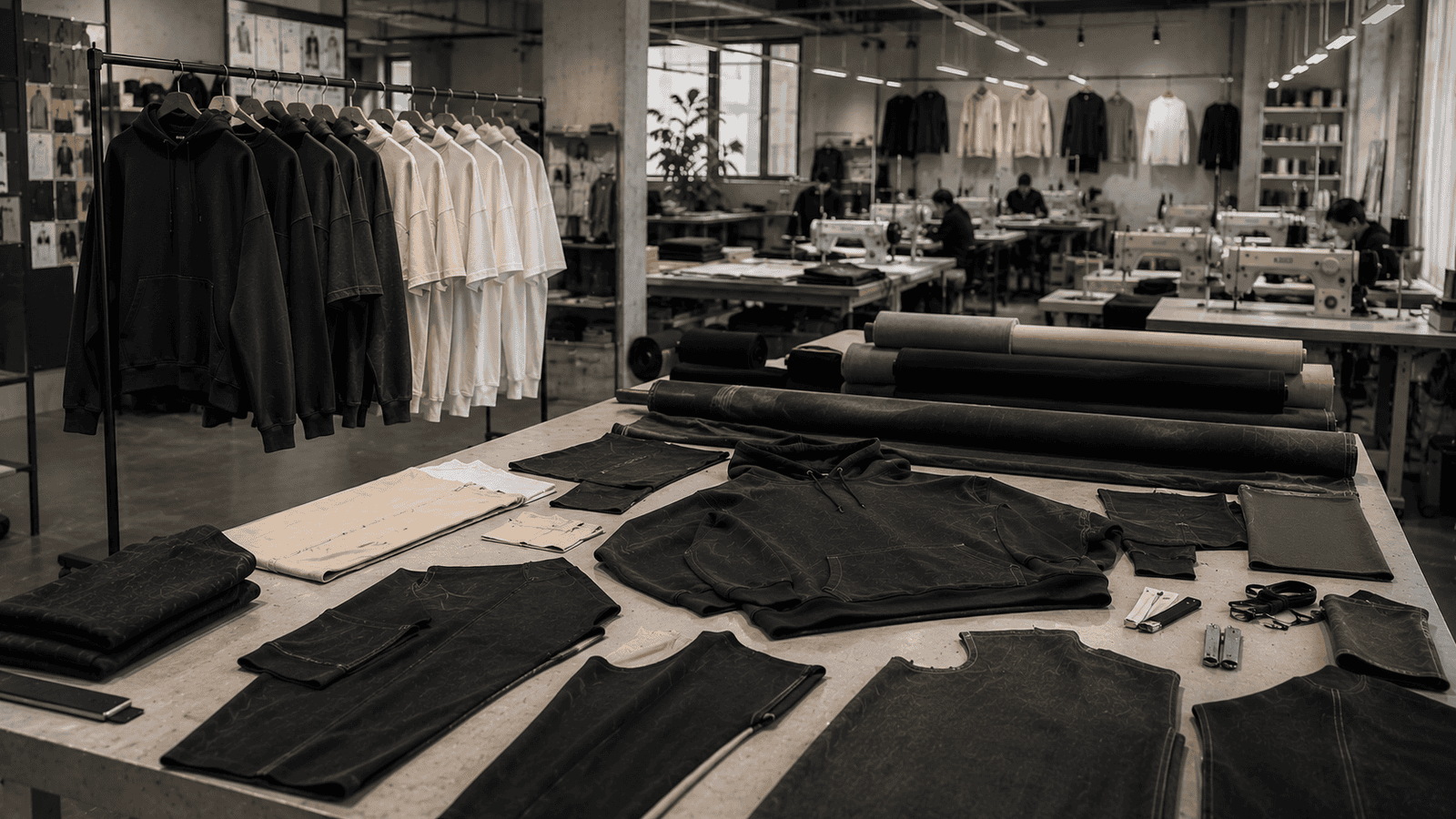
What Is a Streetwear Cut and Sew Manufacturer?
Definition of Cut and Sew Manufacturing
A cut and sew manufacturer creates garments from raw fabric panels based on your custom design, measurements, and construction requirements.
How It Differs From Blank Apparel
Unlike blank apparel printing, cut and sew allows full control over:
- Fit
- Fabric
- Pattern
- Stitching
- Washing
- Branding details
Why Streetwear Brands Choose Cut and Sew
Streetwear brands often choose this method to create premium products with unique silhouettes and stronger brand identity.
Learn more here:
👉 Custom Streetwear Manufacturer
How Much Does Cut and Sew Streetwear Manufacturing Cost?
Main Cost Factors
Cut and sew pricing depends on:
- Fabric quality
- Garment complexity
- Pattern development
- Logo techniques
- Washing effects
- Order quantity
- Packaging requirements
Typical Cost Range Table
| Product Type | Estimated Cost Range |
|---|---|
| Custom T-Shirts | $6–15 |
| Cut and Sew Hoodies | $15–35 |
| Sweatshirts | $14–30 |
| Jackets | $25–60 |
| Streetwear Pants | $18–40 |
| Denim Apparel | $25–70 |
Why Custom Development Costs More
Cut and sew requires fabric sourcing, pattern making, sampling, and more detailed production control than basic blank apparel.
What MOQ Should Brands Expect?
What Does MOQ Mean?
MOQ means Minimum Order Quantity. It is the minimum number of pieces a manufacturer requires for production.
Typical MOQ for Cut and Sew Production
| Factory Type | Typical MOQ |
|---|---|
| Startup-Friendly OEM Factory | 50–100 pcs |
| Standard Cut and Sew Factory | 200–500 pcs |
| Large Production Factory | 500+ pcs |
Why MOQ Exists
MOQ helps factories manage fabric sourcing, production setup, cutting efficiency, and labor costs.
What Startups Should Ask
Always confirm whether MOQ is calculated by:
- Style
- Color
- Size
- Total order quantity
What Products Can Be Made by Cut and Sew Manufacturers?
Full Streetwear Product Categories
Professional manufacturers should support complete collection development, including:
- Custom T-Shirts
- Streetwear Tank Tops
- Streetwear Hoodies
- Streetwear Sweatshirts
- Streetwear Jackets
- Streetwear Pants
- Streetwear Shorts
- Streetwear Sets
- Streetwear Denim Apparel
Browse all categories here:
👉 Streetwear Products
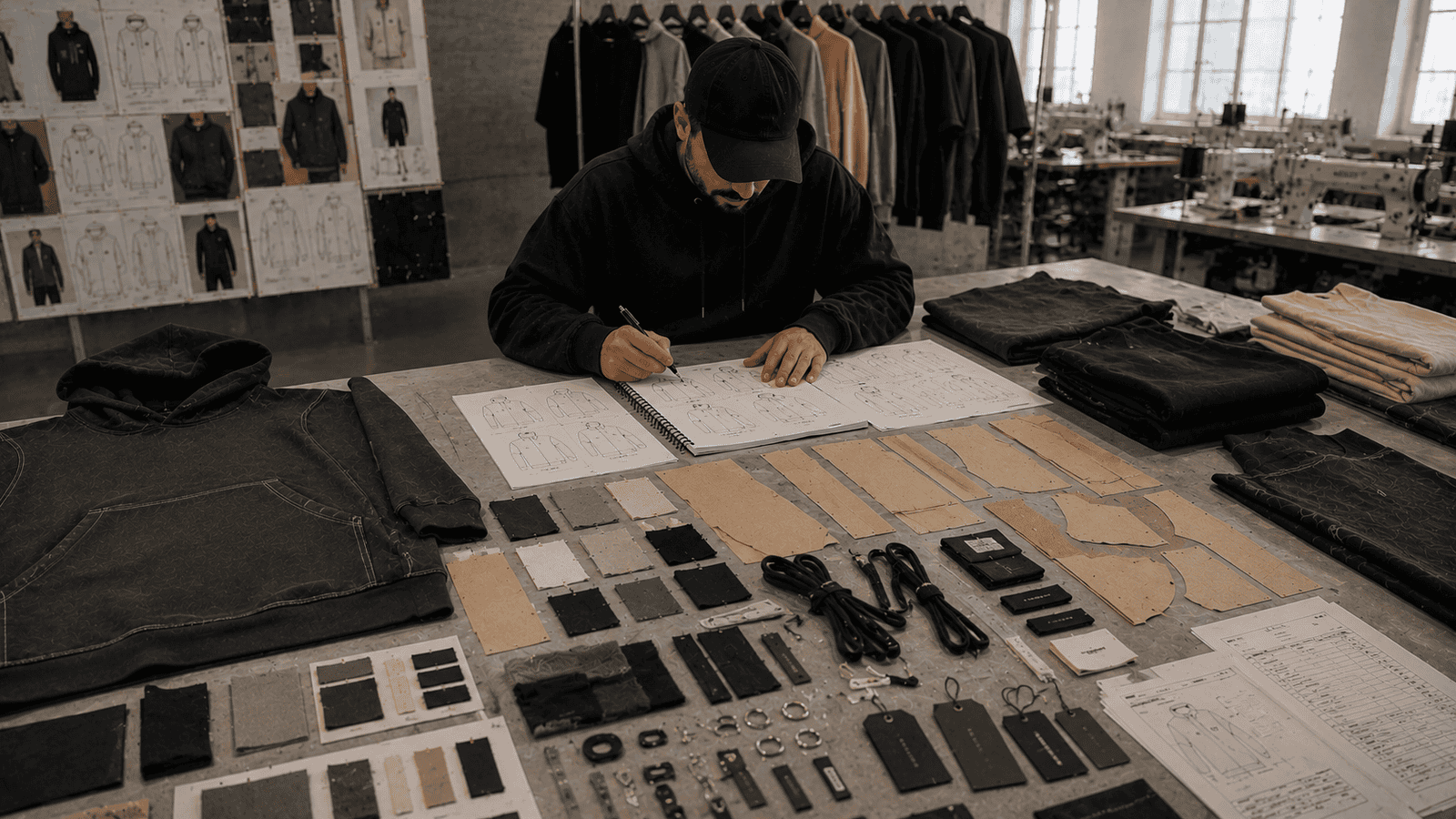
How Does the Cut and Sew Development Process Work?
Step 1: Design & Tech Pack Review
Brands provide sketches, reference images, tech packs, measurements, and design requirements.
Step 2: Fabric Sourcing
The manufacturer helps source suitable fabrics based on GSM, composition, texture, stretch, and performance needs.
Step 3: Pattern Making
Custom patterns are developed according to the desired fit, size range, and garment structure.
Step 4: Sample Development
A sample is produced for fit, fabric, construction, and branding approval.
Step 5: Sample Revision
Adjustments are made before moving into bulk production.
Step 6: Bulk Production
After sample approval, the factory starts cutting, sewing, finishing, inspection, and packing.
Development Process Table
| Stage | Purpose |
|---|---|
| Tech Pack Review | Confirm design details |
| Fabric Sourcing | Select suitable materials |
| Pattern Making | Build custom fit |
| Sample Development | Test construction and quality |
| Revision | Improve fit and details |
| Bulk Production | Manufacture final garments |
| Final Inspection | Check quality before shipping |
What Fabrics Are Commonly Used in Cut and Sew Streetwear?
Heavyweight Cotton
Commonly used for premium oversized T-shirts and hoodies.
French Terry
Popular for sweatshirts, hoodies, joggers, and streetwear sets.
Fleece
Suitable for winter hoodies, sweatpants, and heavyweight collections.
Denim
Used for jackets, pants, shorts, and washed streetwear styles.
Fabric Comparison Table
| Fabric Type | Best For | Features |
|---|---|---|
| Cotton Jersey | T-Shirts | Soft, breathable, versatile |
| French Terry | Hoodies & Sweatshirts | Comfortable, durable |
| Fleece | Winter Streetwear | Thick, warm, structured |
| Denim | Jackets & Pants | Durable, rugged, washable |
| Nylon Blends | Technical Streetwear | Lightweight, functional |
What Customization Options Should You Expect?
Logo Techniques
A professional cut and sew manufacturer should support:
- Screen printing
- Puff printing
- Embroidery
- Silicone logos
- Reflective printing
- Heat transfer labels
Wash & Dye Effects
Streetwear brands often use:
- Acid wash
- Vintage wash
- Enzyme wash
- Garment dye
- Stone wash
Private Label Branding
Reliable factories should provide:
- Woven neck labels
- Printed neck labels
- Size labels
- Hang tags
- Custom packaging
Explore full OEM support here:
👉 OEM Services
How Long Does Cut and Sew Production Take?
Sample Lead Time
Most professional factories require around 7–14 days for sample development.
Bulk Production Lead Time
Bulk production usually takes 20–35 days depending on product complexity, quantity, fabric availability, and customization details.
Lead Time Table
| Production Stage | Typical Timeline |
|---|---|
| Fabric Confirmation | 2–5 days |
| Pattern Making | 3–7 days |
| Sample Development | 7–14 days |
| Sample Revision | 3–7 days |
| Bulk Production | 20–35 days |
| Final QC & Packing | 2–5 days |
How Important Is Quality Control in Cut and Sew Manufacturing?
Why QC Matters
Cut and sew garments involve more details than blank apparel, so quality control is critical for consistency.
Professional QC Should Include
- Fabric inspection
- Cutting inspection
- In-line sewing inspection
- Measurement checking
- Logo and print inspection
- Final garment inspection
- Packing inspection
QC Workflow Table
| QC Stage | Inspection Focus |
|---|---|
| Fabric Inspection | Defects, color, shrinkage, GSM |
| Cutting Inspection | Panel accuracy and size consistency |
| In-Line QC | Stitching, seams, construction |
| Final QC | Measurements, labels, finishing |
| Packing QC | Packaging, hang tags, carton marks |
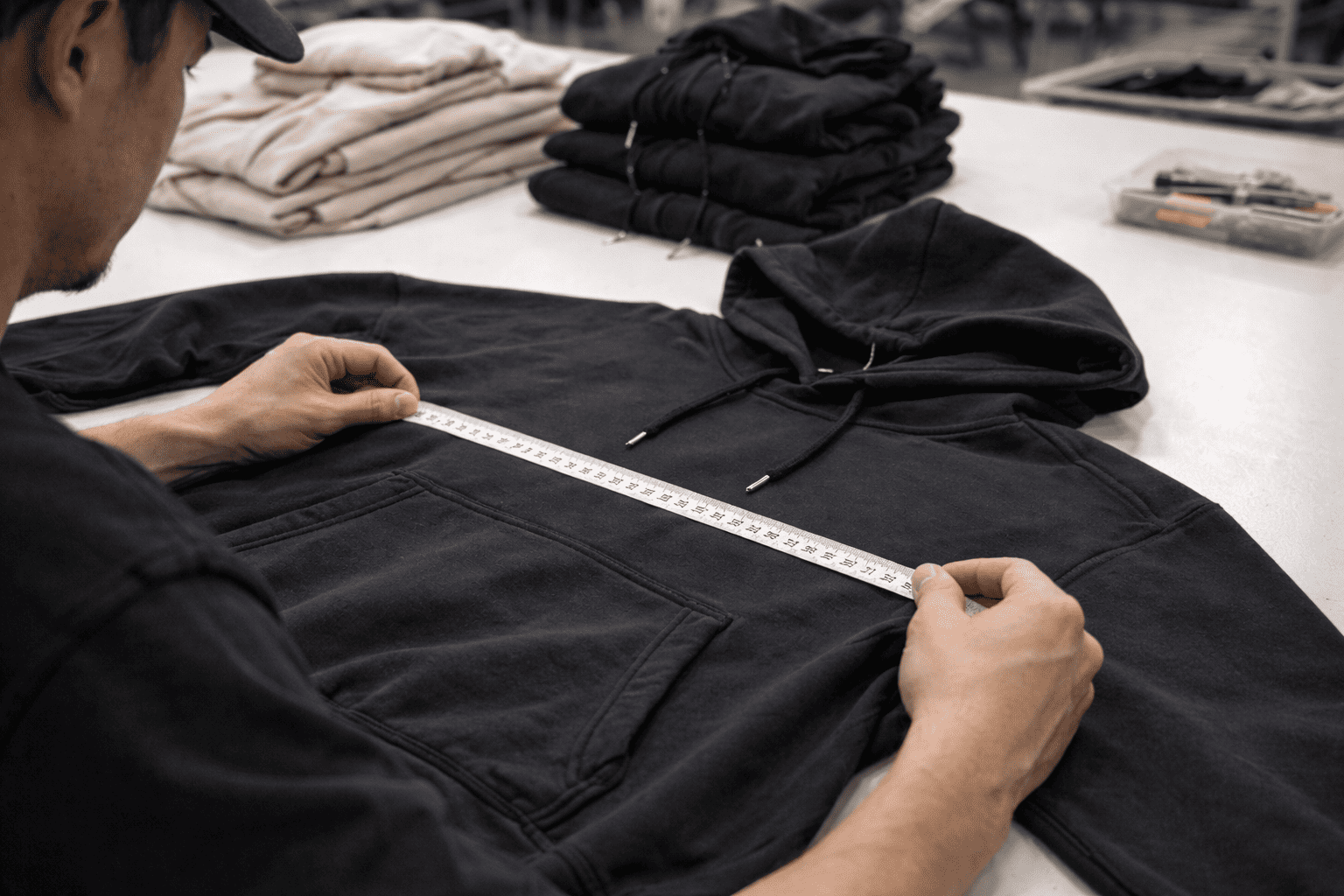
What Should Brands Expect When Working With a Cut and Sew Manufacturer?
More Detailed Communication
Brands should prepare clear design references, measurements, and product expectations.
Sample Revisions Are Normal
Custom garments often need revisions before bulk production.
Costs Depend on Complexity
More panels, washes, trims, and logo techniques usually increase costs.
Approved Samples Become the Bulk Standard
The final approved sample should guide bulk production quality.
What Mistakes Should Brands Avoid?
Choosing Only Based on Low Price
Very low prices often lead to poor fabric, weak stitching, and inconsistent bulk quality.
Skipping Tech Packs
Without clear design documents, factories may misunderstand fit, sizing, and construction details.
Ignoring MOQ Details
Always confirm MOQ by style, color, and size before production.
Not Checking Quality Control
A reliable manufacturer should explain how they inspect products during each production stage.
Why Do Many Brands Choose Ohsure Apparel?
Professional Cut and Sew Streetwear Expertise
Ohsure Apparel supports streetwear brands with custom cut and sew manufacturing, OEM production, and private label services.
Full Product Development Support
From design review to fabric sourcing, sampling, bulk production, and shipping, the process is managed professionally.
Flexible MOQ for Startups & Growing Brands
Ohsure supports both startup testing and scalable bulk production.
Full Streetwear Product Range
Popular categories include:
- Streetwear Hoodies
- Streetwear Sweatshirts
- Streetwear Jackets
- Streetwear Pants
- Streetwear Denim Apparel
Conclusion: What Should You Expect From a Cut and Sew Manufacturer?
A professional streetwear cut and sew manufacturer should provide more than basic production. They should support product development, fabric sourcing, pattern making, sampling, customization, quality control, and scalable bulk manufacturing.
Before choosing a partner, compare:
- Cost structure
- MOQ policy
- Sample quality
- Fabric options
- Customization capability
- Lead time
- Quality control system
- Communication quality
The right cut and sew manufacturing partner can help your streetwear brand create premium custom garments with stronger brand identity and long-term growth potential.