
Starting a streetwear clothing brand requires more than creative ideas — choosing the right manufacturer is critical for controlling product quality, managing costs, and scaling your business successfully.
In this guide, we’ll explain how streetwear manufacturing works, typical production costs, MOQ requirements, product development workflows, and what brands should expect when working with a professional streetwear manufacturer.
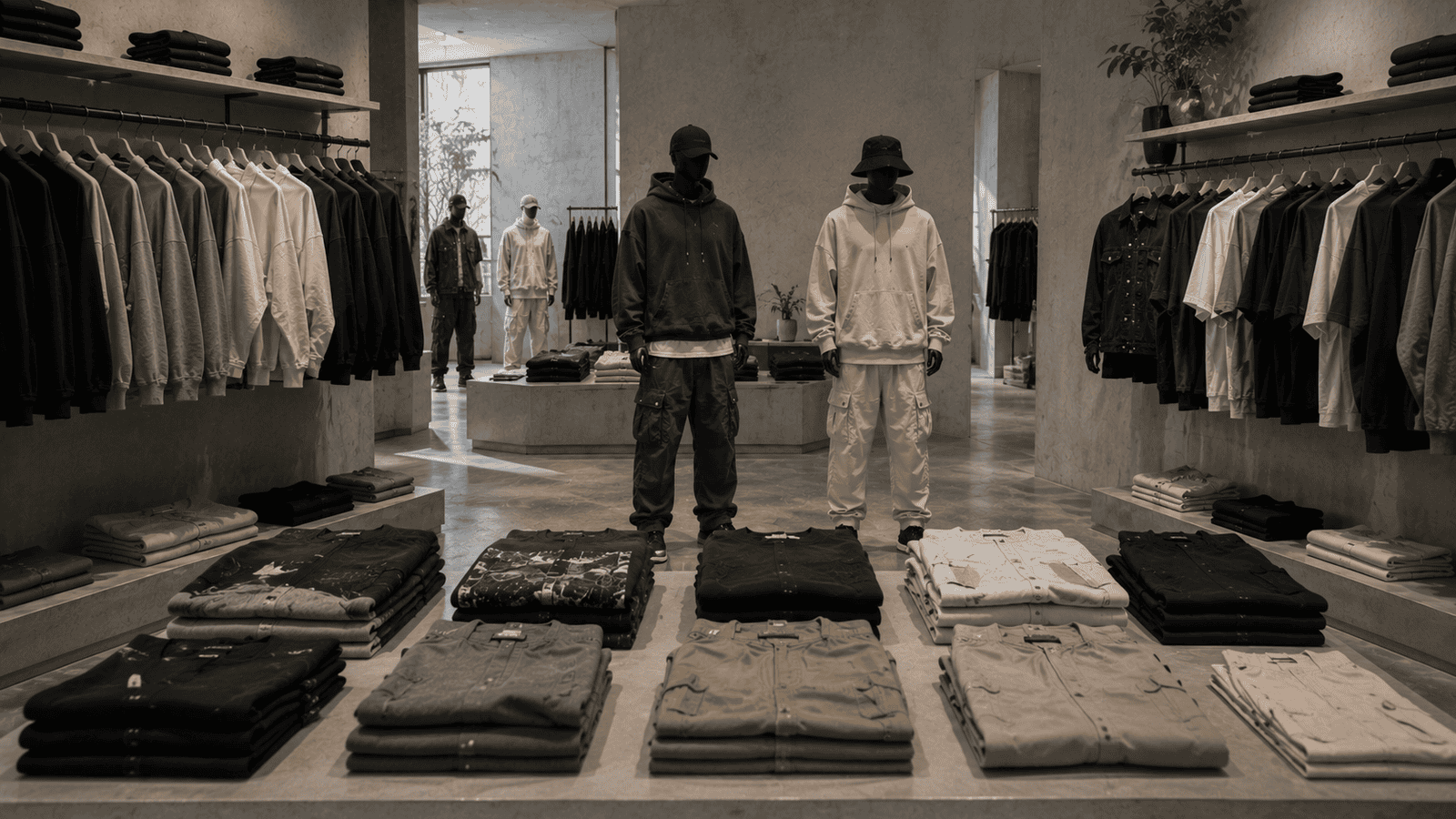
What Does a Streetwear Brand Manufacturer Actually Do?
Full Product Development Support
A professional streetwear manufacturer helps brands with:
- Sampling
- Fabric sourcing
- Pattern development
- Bulk production
- Quality control
OEM & Private Label Services
Manufacturers often provide full OEM services including custom labels, packaging, and branding support.
Why Streetwear Expertise Matters
Streetwear requires specialized knowledge in:
- Oversized fits
- Heavyweight fabrics
- Graphic printing
- Vintage washing techniques
Learn more here:
👉 Custom Streetwear Manufacturer
How Much Does Streetwear Manufacturing Cost?
Main Cost Factors
Production pricing depends on:
- Fabric quality
- Logo techniques
- Garment complexity
- Order quantity
- Packaging requirements
Typical Streetwear Product Cost Ranges
| Product Type | Estimated Cost Range |
|---|---|
| T-Shirts | $6–15 |
| Hoodies | $15–35 |
| Sweatshirts | $14–30 |
| Jackets | $25–60 |
| Cargo Pants | $18–40 |
| Denim Products | $25–70 |
Why Premium Fabrics Increase Costs
Heavyweight cotton and specialty fabrics improve quality but also raise production pricing.
What Is MOQ in Streetwear Manufacturing?
Definition of MOQ
MOQ (Minimum Order Quantity) refers to the minimum number of garments required per production order.
Why Factories Require MOQ
MOQ helps factories manage:
- Fabric sourcing
- Production setup
- Labor efficiency
Typical MOQ Comparison
| Factory Type | Typical MOQ |
|---|---|
| Startup-Friendly Factory | 50–100 pcs |
| Standard OEM Manufacturer | 200–500 pcs |
| Large Production Factory | 500+ pcs |
Low MOQ Benefits for Startups
Lower MOQ reduces inventory risk and improves flexibility for growing brands.
What Products Should a Professional Streetwear Manufacturer Offer?
Core Streetwear Product Categories
A professional supplier should support full collection development including:
- Custom T-Shirts
- Streetwear Tank Tops
- Streetwear Hoodies
- Streetwear Sweatshirts
- Streetwear Jackets
- Streetwear Pants
- Streetwear Shorts
- Streetwear Sets
- Streetwear Denim Apparel
Browse all product categories here:
👉 Streetwear Products
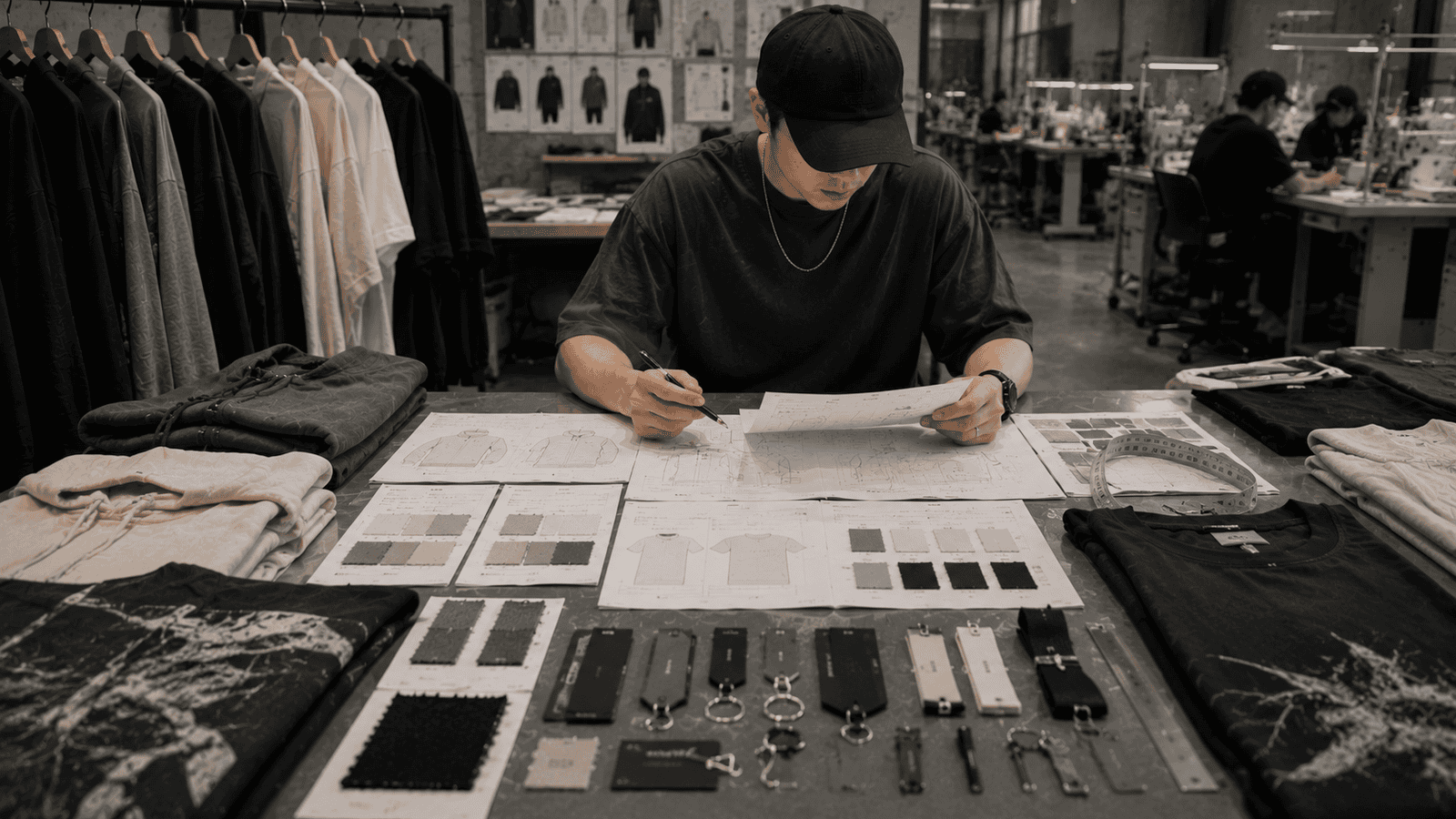
How Does the Streetwear Development Process Work?
Step 1: Design Consultation
Brands provide design concepts, sketches, or tech packs.
Step 2: Fabric & Material Selection
Factories recommend suitable fabrics, trims, and logo applications.
Step 3: Pattern Making & Sampling
Samples are developed for fit and quality approval.
Step 4: Sample Revision
Adjustments are made before bulk production begins.
Step 5: Bulk Production
Mass production starts after final confirmation.
Step 6: Final Inspection & Shipping
Products are inspected and prepared for global delivery.
What Customization Options Are Available?
Logo Techniques
Professional streetwear manufacturers typically offer:
- Screen Printing
- Puff Printing
- Embroidery
- Silicone Logos
- Reflective Printing
Wash & Dye Techniques
- Acid Wash
- Vintage Wash
- Enzyme Wash
- Garment Dye
Branding & Packaging
Factories should also support:
- Woven Labels
- Printed Labels
- Hang Tags
- Custom Packaging
How Important Is Fabric Quality in Streetwear?
Fabric Defines Product Perception
Premium fabrics help improve:
- Comfort
- Durability
- Brand value
Popular Streetwear Fabric Types
| Fabric Type | Common Use | Features |
|---|---|---|
| Cotton Jersey | T-Shirts | Soft & breathable |
| French Terry | Hoodies & Sweatshirts | Comfortable & durable |
| Fleece | Winter Streetwear | Thick & warm |
| Denim | Jackets & Pants | Structured & rugged |
| Nylon Blends | Technical Streetwear | Lightweight & functional |
Heavyweight Fabrics Are Popular
Many modern streetwear brands prefer fabrics between 260–400 GSM for premium feel.
How Does Quality Control Work in Streetwear Manufacturing?
Quality Control Protects Brand Reputation
Poor quality can damage customer trust and increase return rates.
Professional QC Workflow
Reliable manufacturers implement:
- Fabric inspection
- Cutting inspection
- In-line production QC
- Final garment inspection
- Packaging inspection
QC Comparison Table
| QC Stage | Purpose |
|---|---|
| Fabric Inspection | Prevent material defects |
| In-Line QC | Monitor production quality |
| Final Inspection | Verify finished garments |
| Packaging Inspection | Prevent shipping mistakes |
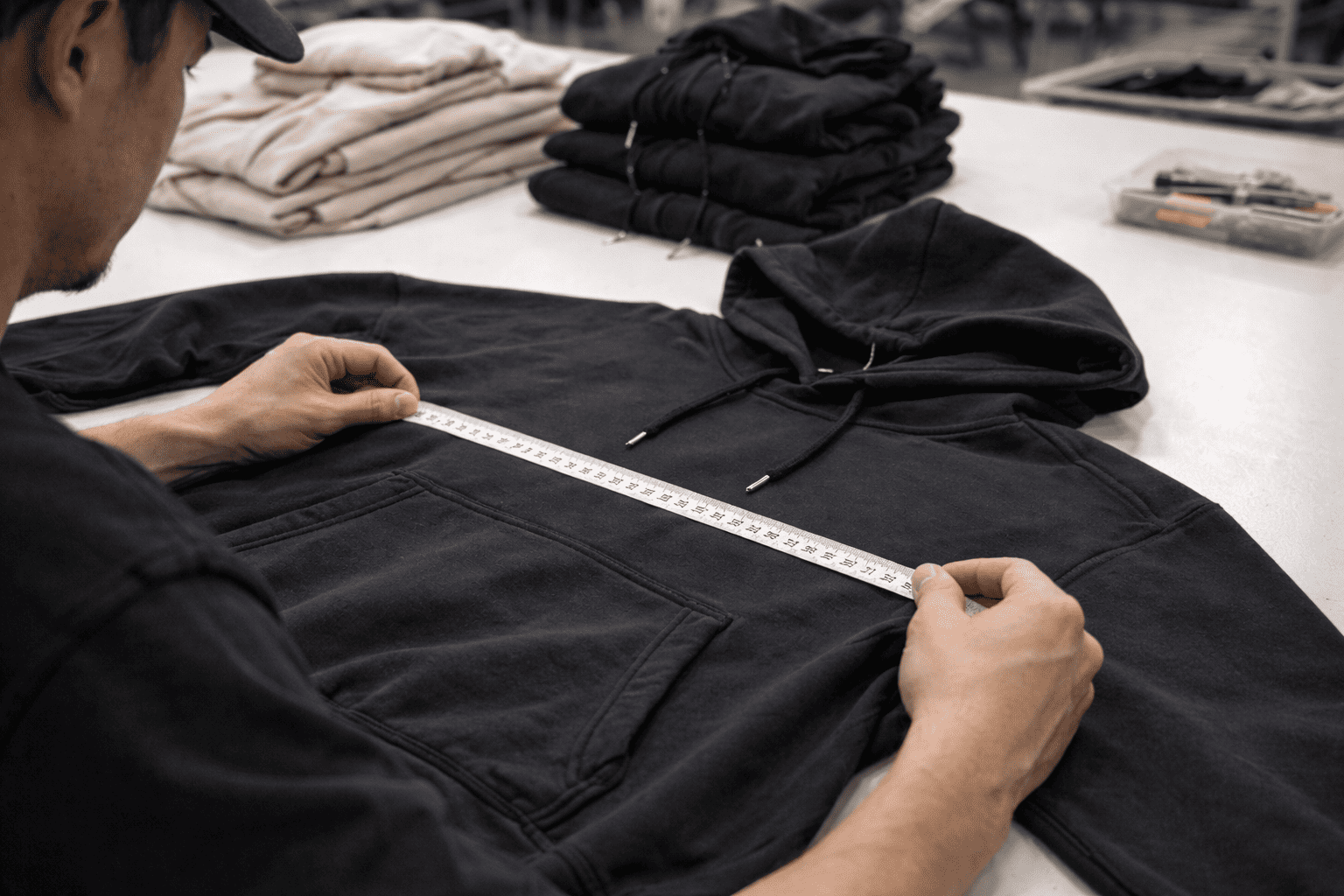
What Lead Times Should Brands Expect?
Sampling Lead Time
Most professional factories require:
- 7–10 days for samples
Bulk Production Lead Time
Typical production timelines:
- 20–35 days depending on order complexity
Factors That Affect Lead Time
- Fabric availability
- Order quantity
- Customization complexity
- Seasonal production demand
What Mistakes Should Brands Avoid When Working With Manufacturers?
Choosing Only Based on Low Price
Cheap production often leads to poor quality and unreliable delivery.
Ignoring Sampling Quality
Approved samples should become the production standard.
Not Confirming MOQ & Lead Time
Clarify production details before placing orders.
Overlooking Communication Quality
Strong communication reduces production risks and delays.
Why Do Many Brands Choose Ohsure Apparel?
Professional Streetwear Manufacturing Expertise
Ohsure Apparel focuses on premium streetwear production for global brands.
Flexible OEM Manufacturing
Support for startups and growing fashion businesses.
Full Product Development Support
From design consultation to bulk shipping, everything is managed professionally.
Wide Streetwear Product Range
Including:
Conclusion: What Should You Expect From a Professional Streetwear Manufacturer?
The best streetwear manufacturers provide more than production — they help brands develop high-quality products while improving efficiency and reducing risks.
When choosing a manufacturing partner, focus on:
- Product quality
- MOQ flexibility
- Development capability
- Quality control
- Communication
- Long-term scalability
A reliable manufacturing partner can help your clothing brand grow faster with consistent quality and professional production support.