
Choosing between a custom streetwear manufacturer and a supplier can directly impact your brand’s quality, cost, and long-term growth. In this guide, we break down the differences, pros, and best use cases to help you make the right decision.
What Is the Difference Between a Streetwear Manufacturer and a Supplier?
What does a custom streetwear manufacturer do?
A custom streetwear manufacturer handles the entire production process—from design and sampling to bulk production and quality control. They support OEM/ODM services and allow full customization.
Explore more: OEM Services
What does a streetwear supplier do?
A supplier typically sells ready-made or stock products. They may offer limited customization like logo printing but rarely support full product development.
Key differences at a glance
| Aspect | Manufacturer | Supplier |
|---|---|---|
| Customization | Full (fabric, fit, design) | Limited |
| MOQ | Medium (often 100 pcs) | Low |
| Branding | Private label supported | Limited |
| Development | Yes (tech pack → sample) | No |
| Price | Lower for bulk | Higher per unit |
Which Option Is Better for Starting a Streetwear Brand?
Should startups choose a manufacturer or supplier?
If you're building a unique brand identity, working with a manufacturer is the better long-term strategy.
Browse product options: Streetwear Products
When is a supplier a better choice?
Suppliers are suitable for:
- Testing the market quickly
- Dropshipping or small inventory models
- Low upfront investment
Startup decision comparison
| Scenario | Best Choice |
|---|---|
| Brand building | Manufacturer |
| Fast launch | Supplier |
| Custom designs | Manufacturer |
| Small budget testing | Supplier |
How Does Customization Impact Your Brand Growth?
Why is customization important in streetwear?
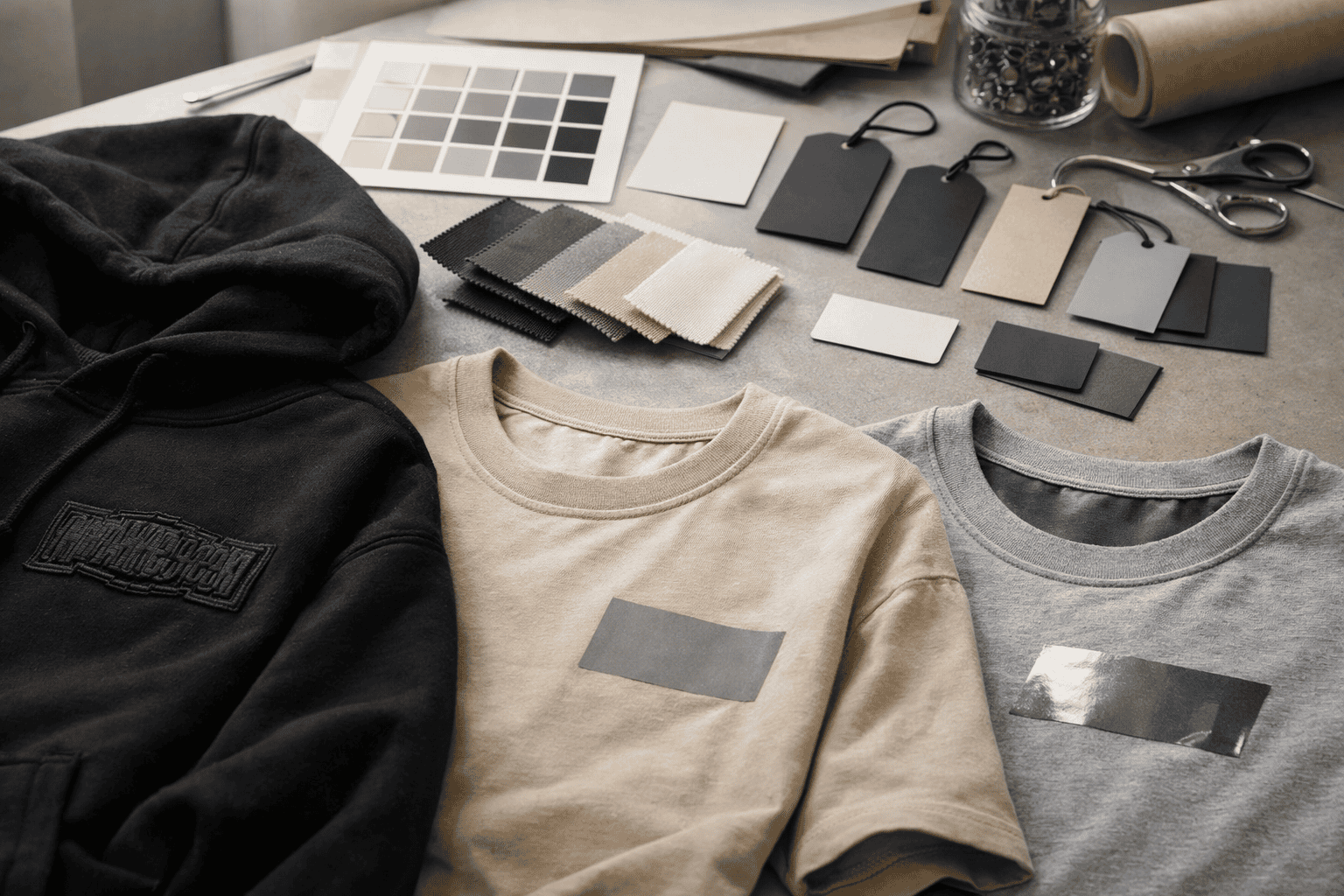
Streetwear thrives on originality and identity. Manufacturers allow full control over:
- Fabric selection (cotton, fleece, french terry)
- Fit (oversized, relaxed, cropped)
- Logo techniques (print, embroidery, heat transfer)
What customization options can you get?
You can customize across categories like:
Which Option Offers Better Pricing and Profit Margins?
Are manufacturers cheaper than suppliers?
In bulk orders, manufacturers offer lower unit costs because you’re buying directly from the factory.
Why do suppliers have higher costs?
Suppliers include:
- Middleman margins
- Inventory costs
- Limited scalability
Cost comparison table
| Cost Factor | Manufacturer | Supplier |
|---|---|---|
| Unit Price | Lower (bulk) | Higher |
| Sampling Cost | Required | Usually none |
| Margin Potential | High | Medium |
| Scalability | Excellent | Limited |
How Do Lead Times Compare Between Manufacturers and Suppliers?
What is the production timeline with a manufacturer?
Typical timeline:
- Sampling: 7–10 days
- Bulk production: 20–35 days
How fast can suppliers deliver?
Suppliers can ship immediately since products are pre-made.
Timeline comparison
| Stage | Manufacturer | Supplier |
|---|---|---|
| Sample | 7–10 days | Not needed |
| Production | 20–35 days | Ready stock |
| Shipping | 5–10 days | 5–10 days |
Which Option Ensures Better Quality Control?
How do manufacturers manage quality?
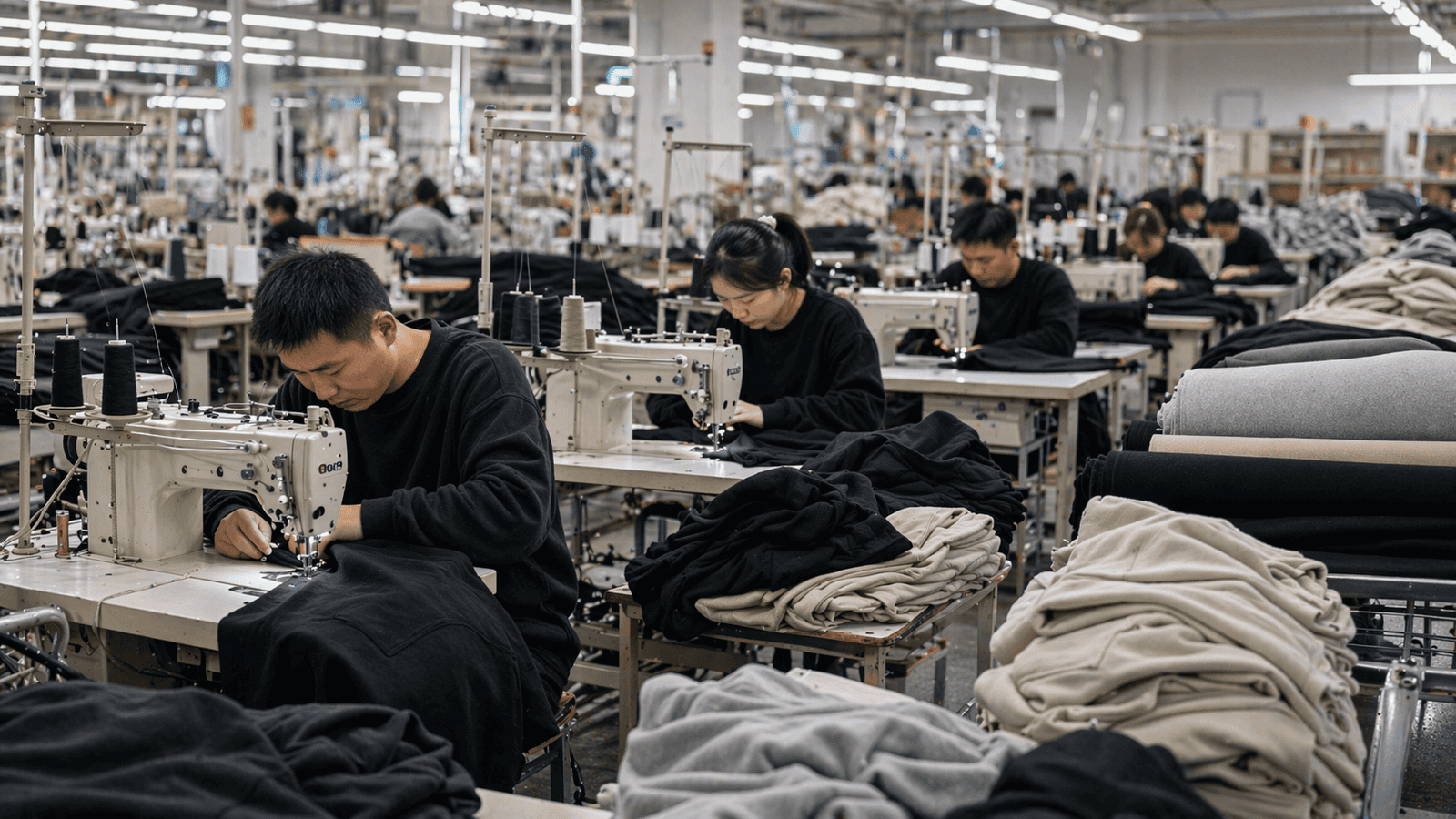
Manufacturers use structured QC processes:
- Fabric inspection
- In-line production checks
- Final inspection before shipment
What are the risks with suppliers?
Suppliers may have:
- Inconsistent quality
- No control over production batches
Quality comparison
| Factor | Manufacturer | Supplier |
|---|---|---|
| QC System | Strict | Limited |
| Consistency | High | Variable |
| Defect Control | Strong | Weak |
What Product Range Can You Access with a Manufacturer vs Supplier?
What categories can manufacturers produce?
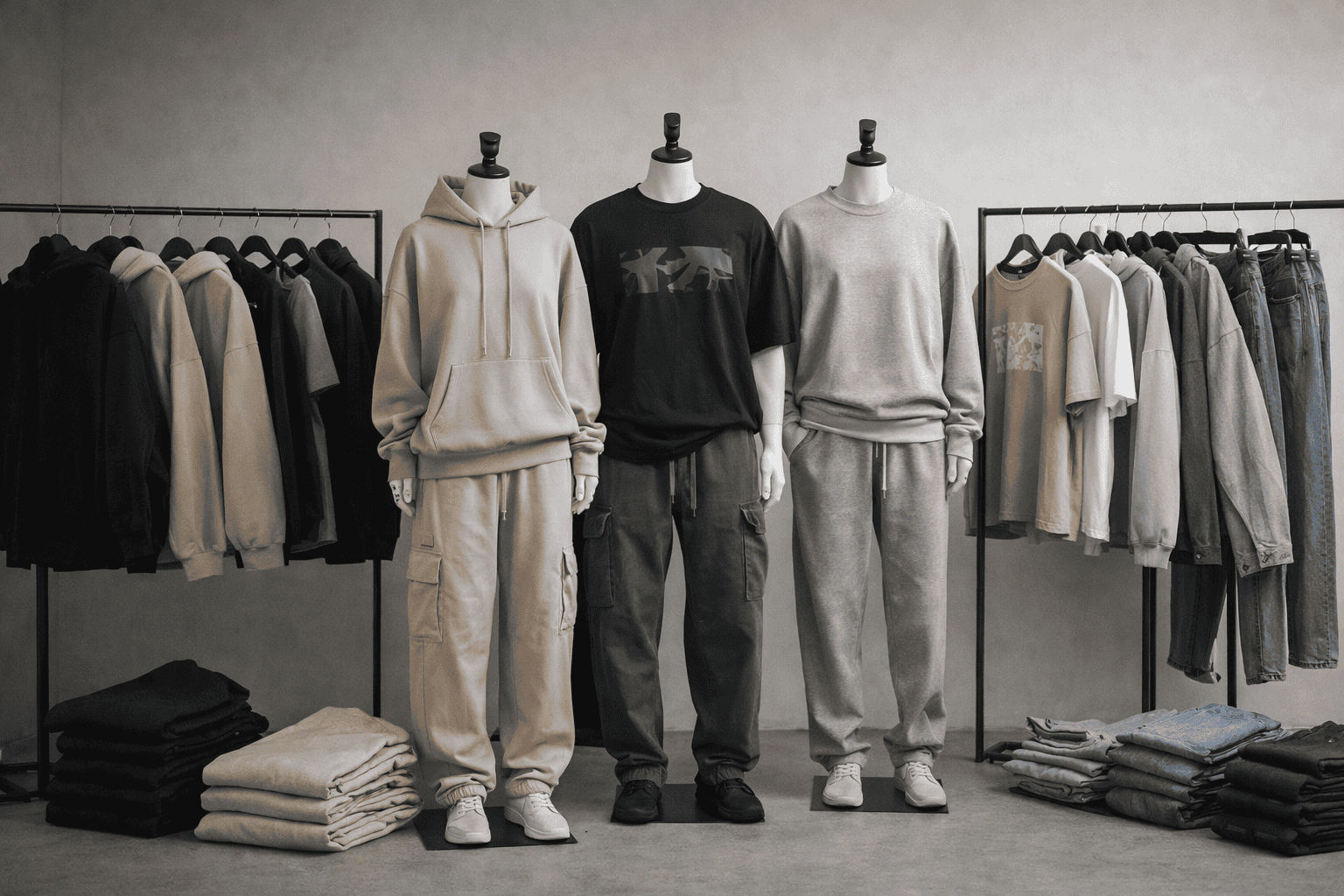
Manufacturers can develop full collections:
- Streetwear Jacket Manufacturer
- Streetwear Pants Manufacturer
- Streetwear Shorts Manufacturer
- Streetwear Sets Manufacturer
- Streetwear Denim Apparel Manufacturer
What about suppliers?
Suppliers usually offer limited styles and sizes with minimal variation.
Which Option Is Better for Long-Term Brand Growth?
Can suppliers support scaling?
Suppliers are not ideal for scaling because:
- Limited customization
- No exclusive designs
- Hard to differentiate
Why manufacturers support long-term growth?
Manufacturers enable:
- Unique collections
- Consistent quality
- Brand identity development
When Should You Switch from a Supplier to a Manufacturer?
What are the signs you need a manufacturer?
- You want custom designs
- Your sales volume is growing
- You need better margins
- You want brand differentiation
Transition strategy
| Stage | Strategy |
|---|---|
| Early testing | Supplier |
| Growth stage | Hybrid |
| Established brand | Manufacturer |
Final Verdict: Manufacturer or Supplier—Which Should You Choose?
Quick summary
- Choose a supplier if you want speed and low risk
- Choose a manufacturer if you want branding and scalability
Best recommendation
For most serious streetwear brands, a custom manufacturer is the better long-term partner.
Start here: Custom Streetwear Manufacturer
FAQs About Streetwear Manufacturers vs Suppliers
Is MOQ always high with manufacturers?
Most manufacturers offer flexible MOQs (often around 100 pcs), especially for startups.
Can I start with a supplier and switch later?
Yes, many brands begin with suppliers and transition to manufacturers.
Do manufacturers help with design?
Yes, especially with OEM/ODM services and tech pack development.